

This comprehensive guide will walk you through the entire process of transplanting bamboo, providing you with all the insights needed to ensure that this remarkable plant thrives in its new home.
Understanding Bamboo: More Than Just A Plant
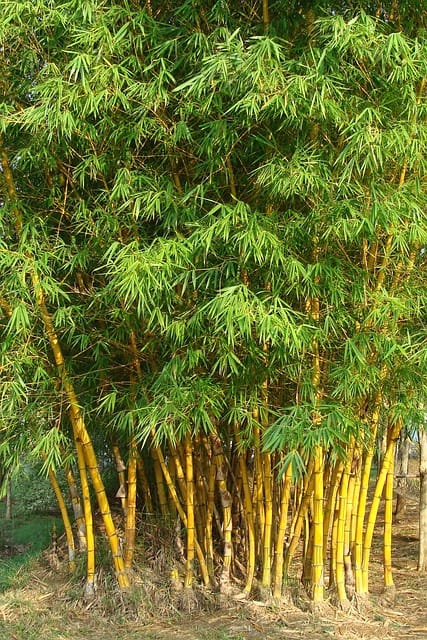
Before we dive into the transplanting process, let’s take a moment to appreciate what bamboo truly is. Renowned for its resilience, bamboo belongs to the grass family, Poaceae. It can grow astonishingly fast—some species can reach up to 35 inches in a single day!
Bamboo is often classified into two main categories: running and clumping. Running bamboo spreads rapidly through underground rhizomes, while clumping bamboo grows in clumps, staying relatively contained. Understanding these growth habits is crucial, as it determines not only how you transplant but also how you manage the bamboo in your garden.
Timing Your Transplant: The Perfect Moment

Timing is everything when it comes to transplanting bamboo. The best time to move bamboo is in the early spring or late fall, when the temperatures are milder, and the plant is not in active growth. During these periods, the plant is less stressed, allowing it to adapt to its new surroundings with minimal shock.
Some gardeners suggest waiting until after the first frost in fall, as this will ensure that the plant has drawn most of its nutrients back into its roots, making it less vulnerable. Conversely, if you’re considering a spring transplant, ensure that you wait until the risk of frost has passed.
Preparing for the Transplant: Getting Ready
Transplanting bamboo involves meticulous preparation. Start by gathering the right tools to facilitate your work—shovels, pruning shears, soil amendments, and a watering can or hose should be within reach.
Assess the Existing Bamboo: Take stock of the bamboo you intend to transplant. Is it healthy? Look out for signs of disease or pest infestation.
Select a New Location: The new site should replicate the bamboo’s previous conditions, including similar sunlight and moisture levels. Most bamboo species thrive in full sun to partial shade, with well-draining soil.
Preparing the New Planting Site: Amend the soil at the new location with organic matter. Bamboo loves nutrient-rich soil! A mixture of compost and well-rotted manure will give it the food it needs to establish quickly.
Digging It Up: Excavation Techniques
When you’re ready to dig up your bamboo, a careful approach is vital. Start at the edge of the root zone, which typically extends further than the visible plant crown. Aim to dig at least one foot from the base of the bamboo, allowing you to capture as much of the root system as possible.
Loosen the Soil: Use a shovel or spade to break up the soil around the bamboo gently. Be careful not to damage the rhizomes, which are crucial for the plant’s survival.
Cutting Rhizomes: If the bamboo is particularly large or dense, you may need to cut through some of the rhizomes. However, aim to keep as many intact for a successful transfer.
Lifting the Plant: Carefully lift the bamboo from the ground. This is the moment to appreciate the roots; hold the plant firmly and gently wiggle it to dislodge it from the soil.
Transporting Bamboo: A Delicate Journey
Once you’ve unearthed your bamboo, it’s time to transport it to its new location. If you’re moving across a significant distance, try to keep the roots covered and moist to minimize stress.
Wrap the Roots: Use burlap or a large cloth to wrap the roots. This will protect them from drying out during transport.
Stabilize the Plant: If you’re traveling by vehicle, secure the bamboo upright to prevent damage from shifting.
Planting Bamboo: Settle In

When you reach the new planting site, it’s finally time to place the bamboo in its fresh home.
Planting Hole: Dig a hole that is at least twice as wide as the root ball and the same depth. This ensures the roots can spread comfortably.
Orientation: Position the bamboo in the hole so that its growth direction aligns with the desired layout of your garden.
Backfilling: Add soil back into the hole, ensuring there are no air pockets. Water the area thoroughly to help settle the soil and give the roots immediate hydration.
Post-Transplant Care: Nurturing Your Bamboo
Just because the bamboo is now planted doesn’t mean your work is over. Proper post-transplant care is crucial for helping the plant establish itself.
Watering: Consistent watering in the initial weeks after transplanting is vital. Bamboo likes moist soil, but never soggy. A thorough soaking once or twice a week should suffice.
Mulching: Applying a layer of mulch around the plant can help retain soil moisture and suppress weeds. However, avoid piling mulch against the bamboo stalks, as this can lead to rot.
Observation: Keep an eye on your bamboo for signs of stress, such as yellowing leaves or wilting. If you notice any, adjust your care routine accordingly, focusing on watering and light requirements.
Understanding Transplant Shock: A Natural Response
Transplanting bamboo can cause “transplant shock,” which occurs when a plant struggles to acclimate to its new environment. Don’t be alarmed if, initially, your bamboo seems to droop or its leaves turn yellow.
Many plants encounter this stress when moved, and bamboo is no exception. To alleviate transplant shock:
Avoid Fertilization Immediately: Instead, allow the bamboo to establish itself for a season before applying fertilizer.
Maintain Watering: Ensure consistent moisture, as dehydration can exacerbate the shock.
Consider Protective Measures: In particularly harsh climates, applying some shade cloth during the first few weeks can protect the bamboo from extreme sunlight, aiding recovery.
Common Challenges: Troubleshooting Bamboo Transplants

Despite our best efforts, sometimes things don’t go according to plan. Here are a few common challenges you might encounter when transplanting bamboo, along with remedies to alleviate them.
Root Rot: If the transplanted bamboo appears weak and wilts, it may be suffering from root rot due to overly saturated soil.
Solution: Ensure proper drainage in the planting area. If necessary, transplant again to a better-draining location or amend the soil with perlite to improve aeration.
Invasive Growth: If you’re dealing with running bamboo, you may find it encroaching on neighboring spaces faster than expected.
Solution: Consider installing rhizome barriers—these are physical barriers placed underground to limit the spread of running varieties.
Pest Infestations: Sometimes, newly transplanted bamboo may attract pests like aphids or spider mites.
Solution: Regularly inspect your bamboo for any signs. If you do spot pests, applying a gentle soap solution can often help manage the population without harsh chemicals.
Companions and Uses: Enhancing Your Garden with Bamboo

As you consider how to transplant bamboo, it’s worth reflecting on its potential companions in your garden. Bamboo pairs beautifully with various plants that appreciate similar conditions, including:
Hostas: These shade-loving plants can provide a lush backdrop to bamboo, competing less for sunlight.
Ferns: Known for their delicate fronds, ferns can help create a soothing woodland feel and share similar moisture preferences.
Ornamental Grasses: These can add texture and height, providing an interesting contrast against your bamboo.
In terms of uses, bamboo is more than just a decorative plant. Its canes are incredibly versatile:
Garden Structures: Use bamboo stakes for supporting climbing plants or building trellises.
Craft Projects: For the creatively inclined, bamboo can be transformed into furniture, fencing, or art pieces.
Erosion Control: The extensive root systems of bamboo help stabilize soils, making them a beneficial choice for gardens placed on slopes.
The Joy of Bamboo: A Personal Touch
In my own garden journey, I’ve often found solace amid bamboo groves. The way the slender canes sway gracefully in the wind creates a serene atmosphere, perfect for reflection. Transplanting my bamboo once was nerve-wracking—yet, witnessing it thrive in its new location became a rewarding experience.
Every challenge faced while transplanting only deepened my respect for this plant’s resilience and beauty. It’s not just the functionality of bamboo in the landscape; it’s the peace it brings to our outdoor spaces.
Conclusion: Embracing the Bamboo Experience
Transplanting bamboo can be a fulfilling experience, blending education, patience, and gratitude for nature’s wonders. Through understanding the plant, preparing adequately, and nurturing it post-transplant, you will not only overcome challenges but also pave the way for abundant growth and flourishing beauty.