


In this comprehensive guide, we will explore every aspect of growing catnip, from the initial planning stages to the final harvest, ensuring you possess the tools and knowledge needed to cultivate this charming herb.
Understanding Catnip: The Basics
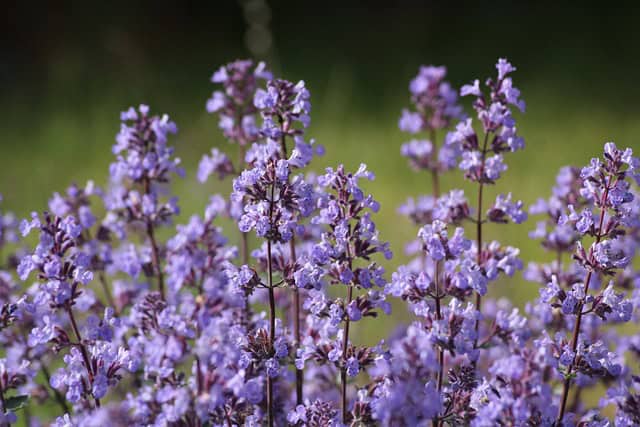
Before diving into the how-to’s of cultivation, let’s understand what catnip is and why it captures the hearts and noses of our feline companions. Catnip contains a compound called nepetalactone, which is responsible for eliciting the euphoric response in cats. For many, a simple whiff can trigger energetic playfulness, rolling, and, oftentimes, a state of blissful contentment. Interestingly, not all cats respond to catnip; sensitivity is hereditary, affecting about 50-75% of felines.
Catnip doesn’t just excite cats; it has a long history of use in herbal medicine, where it has been used to treat insomnia, anxiety, and digestive issues. As you embark on your journey to grow catnip, you’ll not only be enriching your feline’s life but tapping into a plant with a rich past steeped in culinary and medicinal significance.
Choosing the Right Environment

The first step in the journey of growing catnip is to choose the right environment. Catnip flourishes in well-drained soil with good sunlight and moderate temperatures. Here are key considerations as you prepare your garden or indoor planting area:
Soil Requirements: Catnip thrives in slightly alkaline to neutral soil (pH 6.1-7.0) that’s rich in organic matter. When planting outdoors, consider amending your soil with compost to enrich it and enhance drainage.
Sunlight: This herb loves sunlight. Ideally, catnip should receive about 6-8 hours of direct sunlight each day. Choose a location that’s sunny but also protected from extreme winds, which can damage the delicate stems.
Indoor vs. Outdoor Growing: Growing catnip indoors requires a sunny windowsill or grow lights. For those who plan to cultivate it outdoors, consider your local climate. Catnip is hardy in USDA zones 3-9, making it a versatile option for many gardeners.
Containers vs. Ground Planting: Planting in containers provides mobility and control over soil conditions. However, catnip can grow quite large, reaching heights of 3 feet, so ensure the container is spacious enough to accommodate root development. If planting in the ground, ensure there is enough space to prevent overcrowding and promote airflow between plants.
Sowing Seeds or Transplanting
Once you’ve prepared your environment, it’s time to bring your plans to life with seeds or seedlings. Choosing between seeds or purchasing established plants is crucial for initial success.
Seed Selection: Start by sourcing high-quality catnip seeds. If your gardening objectives include creating a variety of scents—some cats are more attracted to certain variants—consult local horticultural stores or online nurseries that specialize in heirloom seeds.
Sowing Seeds: Seeds can be sown directly into the soil after the last frost in spring or started indoors 6-10 weeks before planting outside. When planting indoors, use seed trays filled with seed-starting mix. Lightly press them into the soil, ensuring they’re covered with only a thin layer, as they require light for germination. Keep the soil moist and place it in a warm location.
Transplanting: If starting seeds indoors, keep seedlings in strong light and ensure they are regularly watered. Once they reach a height of 3-4 inches and the outdoor conditions are favorable, gently transplant them outdoors, spacing at least 18 inches apart to allow for growth.
Caring for Your Catnip Plants
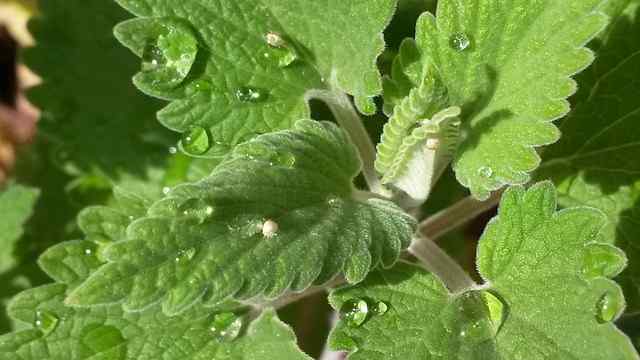
As your catnip begins to sprout and grow, care and attention are vital to ensure robust plants. Here are essential tips for optimal growth and health:
Watering: Catnip prefers to be kept on the drier side. While it can tolerate some drought, establish a consistent watering schedule to keep the soil hydrated without overwatering. A thorough watering once every 7-10 days is ideal, allowing the top soil to dry between sessions.
Fertilizing: Excessive nutrient absorption can lead to weak, floppy plants. Use a balanced organic fertilizer at half strength during the growing season to support growth without overwhelming the plants.
Pruning: Regular pruning encourages bushier growth and helps to prevent flowering too early, which can diminish leaf production. Trim back stems regularly, removing any dead or wilting foliage. This practice not only keeps the plant healthy but also allows for better air circulation.
Pest and Disease Control: Although catnip is relatively pest-resistant, keep an eye out for aphids and spider mites. If you notice any pesks, treat them with insecticidal soap or neem oil as needed. Additionally, ensure that your plants are not overcrowded, as this can promote fungal diseases.
Harvesting Your Catnip
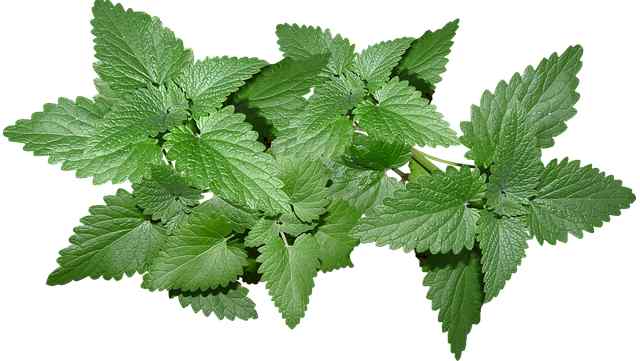
Once your catnip has matured, the exciting time of harvesting gets underway. Timing is everything; harvesting at the right moment ensures maximum flavor and scent.
When to Harvest: For the best flavor and aroma, harvest the leaves when the plant is fully grown but before it begins to flower. This is typically in late spring to early summer. Avoid harvesting during the hottest part of the day; early morning is ideal when the essential oils are most concentrated.
How to Harvest: Use clean scissors to snip off whole stems above a pair of leaves. This promotes regrowth. You can either leave the bottom leaves intact or remove them completely for a tidier appearance.
Preserving Your Harvest: After harvesting, wash the catnip gently to remove any dirt. You can dry it by hanging bundles upside down in a cool, dark place or using a dehydrator. Once dry, store the leaves in airtight containers away from light to preserve flavor and potency.
Using Catnip: More Than Just a Feline Delight
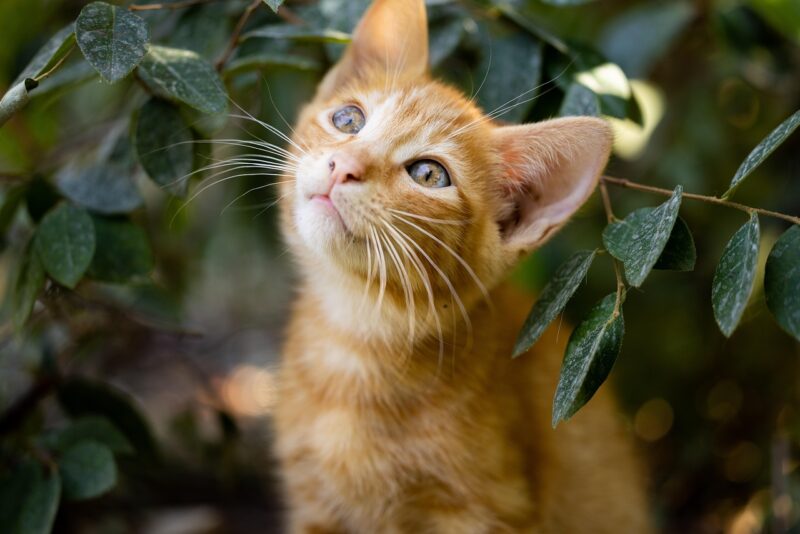
While many view catnip purely as a treat for cats, its uses extend beyond the feline world. Exploring these additional uses can greatly enhance your overall gardening experience.
For Our Feline Friends: There are countless ways to present catnip to your cat. Dried catnip can be sprinkled on scratching posts or stuffed into toys, enhancing playtime and encouraging exercise. You can also make homemade catnip bubbles by mixing catnip oil with dish soap and water, providing hours of entertainment and engagement.
Culinary Uses: Catnip is also fetchingly aromatic in herbal teas and culinary dishes. This herb can serve as a delightful addition to salads, soups, or sprinkled on roasted vegetables. Exploring its flavor profile offers a delightful twist that can make your meals a bit more interesting.
Medicinal Applications: Historically, catnip was utilized as a mild sedative for humans, often brewed into tea to promote relaxation and alleviate anxiety. The soothing properties extend to digestive benefits, where it has been said to aid in easing stomach discomfort. Experiment by brewing your own herbal teas to enjoy the calming effects of catnip firsthand.
Troubleshooting Common Issues
Even with careful planning and maintenance, gardeners may encounter challenges while growing catnip. Here are common issues and how to navigate them effectively.
Poor Growth: If you notice weak or stunted growth, consider the light and soil conditions. Are your plants receiving adequate sunlight? Is the soil well-drained? Adjust accordingly by relocating your plants or providing added nutrients.
Leggy Appearance: A leggy appearance could suggest insufficient light. If your plants are stretching towards the sunlight, it’s time to relocate them to a sunnier area.
Contamination: Keep your catnip away from chemicals and pesticides. A safeguard against contamination is to practice organic gardening methods that promote health both for your plants and the environment.
The Eco-Friendly Garden: Catnip’s Environmental Benefits
Growing catnip extends beyond sheer personal joy; it contributes positively to the environment. Planting herbs like catnip can foster beneficial insect activity, attract pollinators, and support local biodiversity. By providing a sanctuary for beneficial insects, you help create a balanced ecosystem, encouraging predatory pest elimination and facilitating natural garden health.
Catnip is also water-efficient compared to some conventional crops, making it a sustainable alternative for home gardeners. By cultivating your own herbs, you significantly reduce your carbon footprint related to transportation and packaging. Engaging in local growing practices invariably promotes environmental awareness, and fostering this knowledge among your peers can inspire a chain effect of harmonious gardening.
The Joy of Catnip: Connecting with Nature and Animals
Growing catnip is not just about cultivating an herb; it’s about engaging in a form of therapy and connection. Taking time to nurture plants fosters a sense of responsibility, and observing their growth can offer a meditative experience, enhancing emotional well-being.
Interacting with plants and pets allows for bonding moments that strengthen connections. Watching your cat delight in the wonders of catnip as it rolls and plays brings joy that resonates with the simple pleasures life has to offer.
Conclusion
With its unique properties and rich history, growing catnip can be a rewarding endeavor for both cat lovers and gardening enthusiasts alike. This guide walks you through every step of the process, from planting and caring to harvesting and therapeutic uses.