

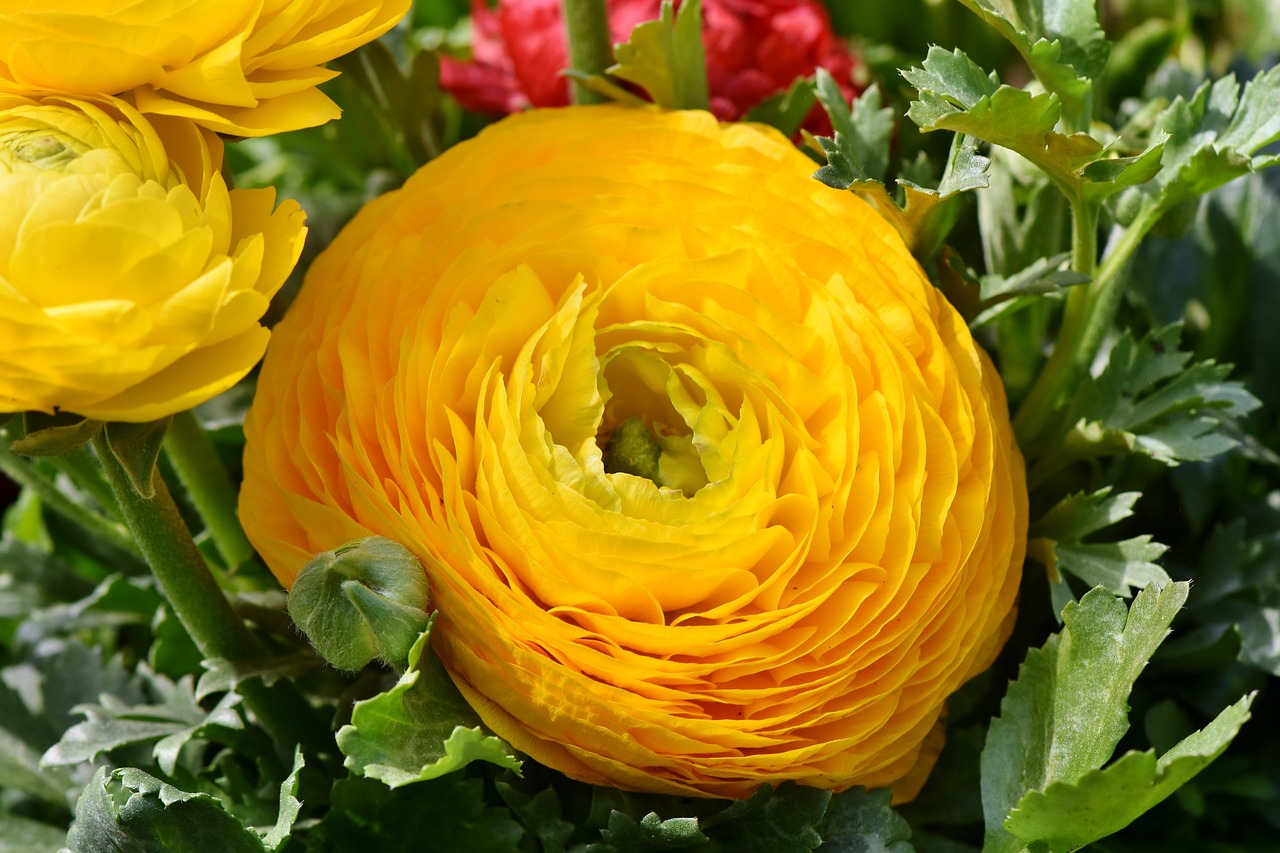
In this in-depth exploration, we will guide you through everything you need to know about growing these enchanting flowers—from choosing the right variety to the perfect cultivation techniques, maintenance tips, and beyond.
Understanding Ranunculus: The Basics
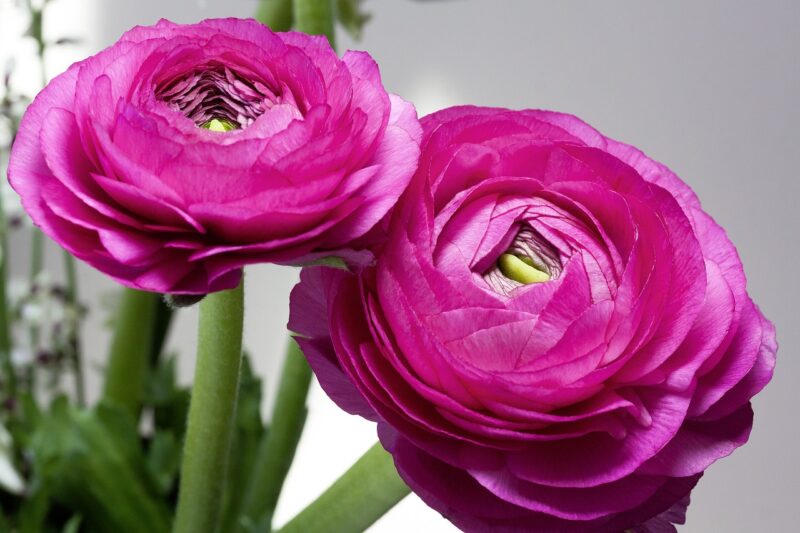
Before delving into the practical aspects of growing ranunculus, it’s vital to understand what they are. Ranunculus, commonly known as buttercups, belong to the family Ranunculaceae and have about 600 species, among which Ranunculus asiaticus is the one most frequently grown for its stunning floral display in gardens. Their vibrant colors range from soft pastels to striking brights, making them a favorite among florists and home gardeners alike.
These perennial beauties are native to regions such as the Mediterranean and Asia, where they thrive in well-drained soils and sunny locales. Ranunculus flowers, with their intricately layered petals, bring joy and elegance to any space. They are also favored by pollinators, providing an excellent resource for bees and butterflies.
Choosing the Right Varieties

As you embark on your ranunculus-growing journey, selecting the right variety can set the tone for your floral display. While the classic ranunculus flower is celebrated, several varieties can cater to your unique aesthetic desires.
Single Flowering vs. Double Flowering: Single flowering ranunculus offers a more natural look, displaying each layer distinctly. In contrast, double flowering varieties present more substantial and abundant ruffles, giving a bolder appearance.
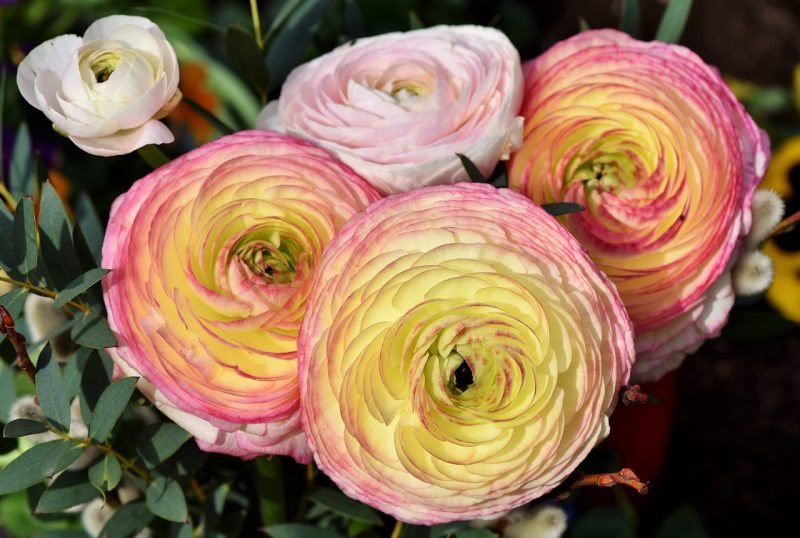
Color Considerations: Ranunculus comes in a spectrum of colors—think gentle pinks, deep reds, sunny yellows, and pure whites. Reflect on your garden’s existing palette when making your selection. Color combinations can project different moods; for a romantic vibe, consider pastel shades, while bright primary colors can create a happy and lively atmosphere.
Consider Growth Habits: Some ranunculus varieties are compact and ideal for container gardening, while others grow tall and may require staking. By understanding the expected growth height and spread, you can plan your garden layout more effectively.
Preparing Your Garden: Site Selection and Soil Conditions

To make magic happen, creating the perfect environment for your ranunculus is crucial. They thrive in full sun, which means you should select a planting site that receives at least 6-8 hours of direct sunlight. Morning sun coupled with afternoon shade can also work well, especially in areas with hot summers.
Soil Quality
The foundation of any healthy plant begins with the soil. Ranunculus prefers light, well-draining soil that stays moist but not soggy. The ideal pH is between 6.0 and 7.0. You can test your soil’s pH using a home testing kit, available at garden centers, to ascertain its health.
If your soil is dense or lacks organic matter, consider amending it with compost, well-rotted manure, or peat moss. This not only improves drainage but also enriches the soil with necessary nutrients.
Preparing the Bed
Once you’ve determined the site, prepare the garden bed by loosening the soil to a depth of about 12 inches, removing debris and any rocks. This aeration encourages root growth, allowing the ranunculus to establish themselves more effectively.
Planting Ranunculus: Timing and Technique
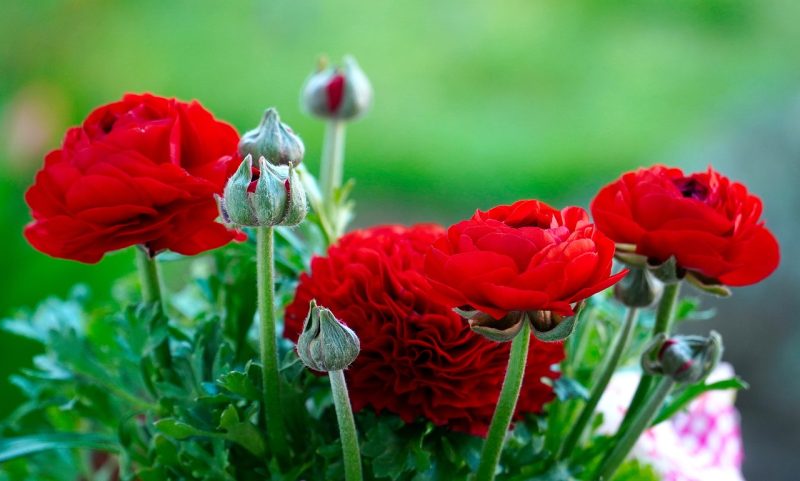
The timing of planting is critical for ensuring the successful growth of ranunculus. Planting should typically occur in late winter to early spring, ideally six to eight weeks before the last expected frost in your region. Depending on your climate, this time frame shifts slightly, so remain attuned to local weather patterns.
Planting Bulbs
Ranunculus bulbs resemble small, dried-up clusters, often referred to as “corms.” To plant them:
Soaking the Corms: Before planting, soak the corms in water for about 4-6 hours. This helps in rehydrating them and kick-starts the growth process.
Depth and Spacing: Dig holes roughly 1-2 inches deep and space them about 4-6 inches apart. Overcrowding can lead to poor air circulation and disease.
Orientation: Place the corms in the ground with the “claws” facing down and the flat side facing up. Cover gently with soil and water thoroughly.
Mulching
Once planted, consider applying a light layer of mulch. This helps retain soil moisture and regulate temperature. Organic materials, such as straw or shredded bark, work well.
Watering Rituals: Balancing Moisture and Drainage
After planting, establishing a suitable watering routine becomes paramount. Ranunculus thrives in slightly moist but well-drained soil. Water deeply but infrequently, allowing the top inch of soil to dry out between waterings. Over-watering can lead to rot, while under-watering may cause stunted growth.
Best Practices for Watering
Morning Watering: Water your ranunculus in the early morning when temperatures are cooler, reducing evaporation and allowing plants to absorb moisture through the day.
Testing Soil Moisture: Use your fingers or a moisture meter to check soil conditions. Ensure you’re watering according to the needs of the plant rather than on a strict schedule.
Supporting During Dry Spells: If your area experiences particularly dry spells, consider employing drip irrigation or soaker hoses to provide additional moisture without overwhelming the plants.
Fertilization Strategies for Optimal Growth
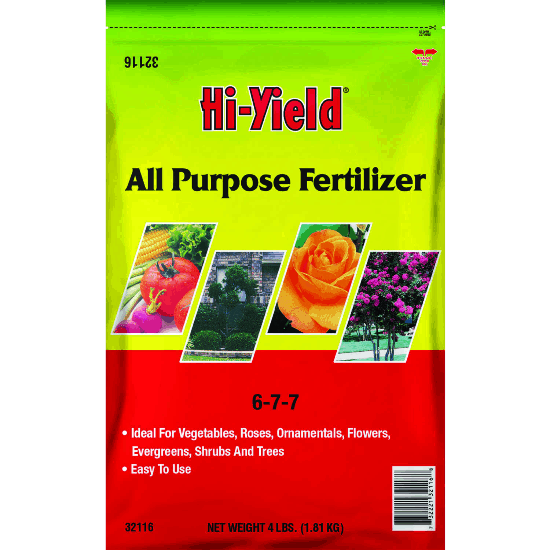
While ranunculus will thrive in well-prepared soil, ongoing nutrition is key to vibrant blooms. Applying a balanced, slow-release fertilizer at the time of planting can give them the initial boost they need.
Organic Fertilizers
If you prefer an organic pathway, there are several methods you can explore:
Fish Emulsion: A high-nitrogen option that helps in leaf growth.
Bone Meal: Rich in phosphorus, it supports root development and promotes blossoming attributes.
Compost Tea: Regular applications of diluted compost tea can enhance nutrient uptake, ensuring your plants remain vigorous.
Frequency of Fertilization
For most environments, a monthly application of fertilizer during the growing season will suffice. Monitor growth; if plants appear pale or stunted, additional feeding may be necessary.
Supporting Your Blooms: Staking and Pruning
As ranunculus grows, some varieties may require support as they reach heights of 12-24 inches. To prevent floppy stems:
Staking: Use lightweight stakes or plant supports early in the growth phase, gently tying stems as they grow.
Pruning: Once blooms fade, remove spent flowers (deadheading) to encourage further flowering. Additionally, you can remove excess foliage if it becomes too dense, improving airflow.
Seasonal Care: Post-Bloom Maintenance

Once your ranunculus has fulfilled its summer show, proper post-bloom care is vital for sustaining your plants and preparing them for the next season. As they start to fade, reduce watering and allow the leaves to yellow naturally, as this aids the corms in storing energy.
Handling Dormancy
Ranunculus prefers a dry dormancy period following bloom. Depending on your climate:
In Warmer Regions: Allow the corms to remain in the ground. They may come back without concern.
In Colder Regions: After the first frost, dig up the corms, clean them, and store them in a cool, dry place. This dormancy is crucial for healthy future growth.
Companion Planting: Creating a Harmonious Garden
Every gardener knows that diversity in plant selection can enhance the beauty and health of your garden. Pairing ranunculus with complimentary flowers can create stunning visual effects while also benefiting each other.
Great Companion Plants
Pansies and Violas: Their cheerful blooms harmonize beautifully with ranunculus colors and share similar soil requirements.
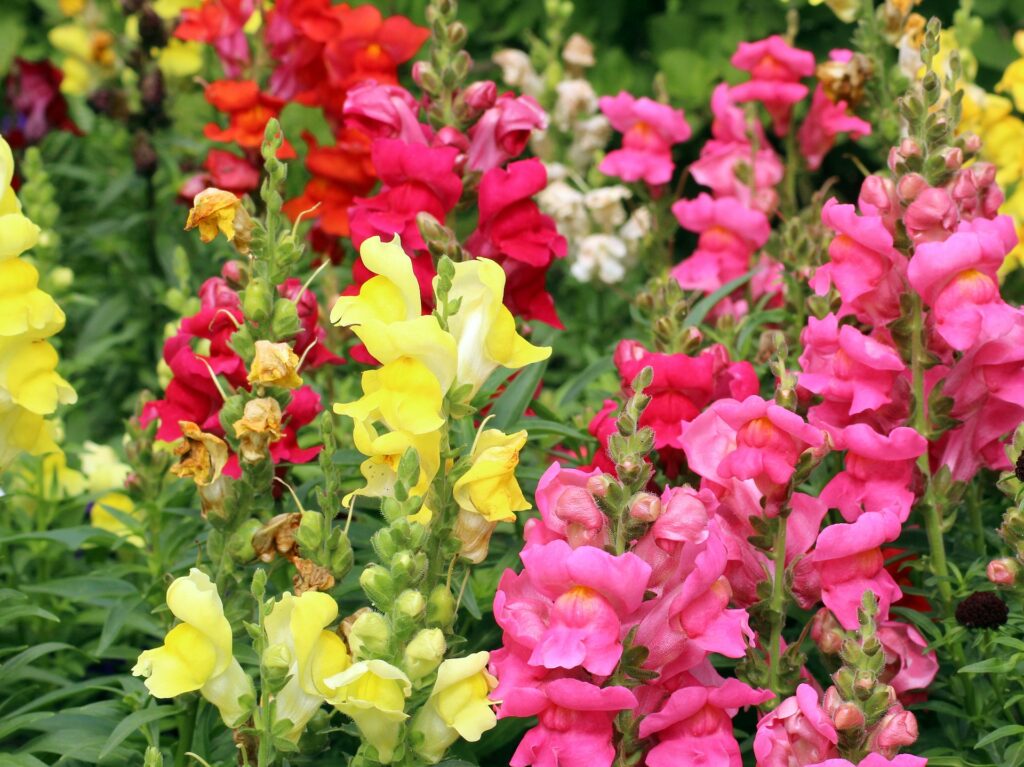
Snapdragons: These tall blooms provide height and contrast against the shorter ranunculus.
Daisies: Their simpler structure allows the ranunculus to shine and can draw pollinators to your garden.
Creating an Ecosystem
By including a variety of plants, you can create a pest-averse ecosystem, attracting beneficial insects and pollinators without overreliance on chemical treatments.
Attracting Pollinators: The Ecological Benefits of Ranunculus

Ranunculus not only beautifies your garden; it plays a vital role in attracting pollinators like bees and butterflies. As you cultivate these flowers, you’re also participating in the broader ecological health of your environment.
Benefits of Pollination
The role of insects in pollinating flowers is crucial for the reproduction of plants as well as for providing food resources. Growing ranunculus can directly contribute to local biodiversity and food webs, supporting the delicate balance of your ecosystem.
Creating a Pollinator-Friendly Environment
To maximize the benefits, avoid using pesticides and prioritize companion planting. Creating habitats—such as leaving small areas of wildflowers or native plants unmaintained—can further enhance your garden’s ability to attract these essential creatures.
Common Challenges: Pests and Diseases
While ranunculus are generally hardy, they aren’t immune to specific pests and diseases. Identifying these challenges early can make all the difference in maintaining healthy plants.
Recognizing Pests
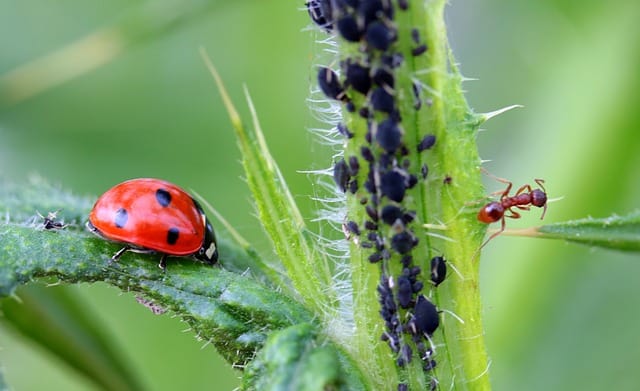
Aphids: Tiny, soft-bodied insects that suck the sap from plants, leading to wilting and yellowing. Regularly inspecting the leaves and using insecticidal soap can help manage infestations.
Snails and Slugs: These mollusks enjoy the tender foliage. Setting up barriers or using organic baits can minimize damage.
Disease Management
Fungal Issues: Root rot is common when soil is overly saturated. Implement good drainage practices and ensure air circulation around your plants.
Powdery Mildew: High humidity and poor airflow can lead to this unsightly white fungus. Promoting spacing and using natural remedies can effectively control its spread.
Harvesting Ranunculus: Enjoying the Beauty

Once your ranunculus blooms are in full swing, you may find yourself wanting to harvest them for bouquets or arrangements. Knowing when and how to cut these flowers maximizes their longevity indoors.
Timing the Harvest
Optimal Stage: Harvest blooms when they are slightly open, but before the petals fully unfold. This ensures a longer vase life.
Morning Cuts: Early morning is the best time to cut flowers when they are fully hydrated.
Proper Technique
Use sharp, clean scissors to cut stems at a diagonal. Make sure to cut at least an inch above the ground and remove any unwanted foliage that could harbor pests.
Conclusion: The Journey of Growing Ranunculus
In the realm of gardening, few experiences rival the delight found in nurturing ranunculus from corms to lavish blooms. Their resilience and beauty allow them to transcend mere plants; they become emblematic of moments in nature that inspire joy and creativity. Whether you’re a seasoned gardener or just starting out, the journey of growing ranunculus is a testament to patience, care, and the profound relationship we can foster with the natural world.