


This guide will dig into every aspect of almond cultivation, blending practical advice with personal insights and passion for the art of farming.
Understanding Almonds: The Basics

Before embarking on the journey of almond farming, it’s essential to understand what almonds are, their varieties, and where they thrive best. Almonds belong to the Rosaceae family and are classified into two primary types: sweet and bitter. Sweet almonds are what we consume, while bitter almonds are not typically eaten raw and are used to produce almond oil.
Almond trees thrive in Mediterranean climates characterized by hot, dry summers and mild, wet winters. The top producers of almonds are California, Spain, and Australia, with California alone producing over 80% of the world’s supply. Understanding the almond’s native environment can guide how to recreate similar conditions in your garden.
My Journey into Almond Cultivation
My interest in almond cultivation started a few years back when I sampled fresh almonds directly from a local farmer. The flavor was a world away from the pre-packaged nuts I had grown accustomed to. This experience sparked a curiosity that led me to research and, eventually, attempt to grow my own almond trees. The journey was not as straightforward as I had anticipated, but each challenge taught me invaluable lessons.
Selecting the Right Variety

Choosing the right almond variety is crucial for successful growth. There are numerous almond cultivars, but two main categories often used in home gardening are Nonpareil and Carmel.
Nonpareil: Renowned for its smooth shell and high-quality kernel, Nonpareil almonds are the most widely planted variety. They thrive in warmer climates and provide a bountiful harvest.
Carmel: This variety is hardy and produces nuts that are somewhat larger than those of Nonpareil. Carmel almonds are often chosen for their ability to withstand cooler temperatures, making them suitable for slightly less optimal growing environments.
When selecting a variety, consider your local climate and the length of your growing season. It may also be beneficial to consult local agricultural extensions or experienced growers in your area for recommendations.
Preparing the Soil

Almond trees thrive in well-drained, sandy loam soils with a pH between 6.0 and 7.0. Here’s a step-by-step guide to preparing the soil for planting:
Soil Testing: Begin by assessing the soil quality with a pH test kit. This will help identify any soil deficiencies.
Tilling: Loosen the soil using a tiller or garden fork. This helps aerate the soil and promotes drainage, which is vital for almond roots.
Amendments: Based on your soil test results, you may need to add organic matter such as compost or well-rotted manure. This improves soil fertility and structure.
Drainage: If your soil retains too much moisture, consider raising the planting beds. This will enhance drainage and prevent root rot.
Anecdote: Soil Experimentation
In my initial attempt at growing almonds, I assumed that my typical gardening soil would suffice. However, the trees struggled, and I was perplexed until I dug deeper and tested the soil. Realizing the pH was too acidic and the drainage was poor, I modified the soil with lime and improved drainage. This experience taught me the importance of proper soil preparation and the need for periodic testing.
Choosing the Right Location
Almond trees require ample sunlight to produce healthy nuts, typically needing at least six hours of direct sunlight daily. When selecting a location for your almond trees, consider the following factors:
Sunlight: Ensure the chosen spot is free from large structures or trees that prohibit sunlight.
Protection from Wind: Almond blossoms are delicate and can easily be damaged by strong winds. If possible, select a site that offers some wind protection.
Accessibility: Remember that you’ll need to access the trees for pruning, harvesting, and caring for them, so choose a location that’s easy to reach.
Personal Experience with Location Selection
I learned the importance of location the hard way. My first planting site was alongside a beautiful oak tree that provided shade during the hot afternoon sun. While aesthetically pleasing, it inhibited growth and flowering. I later relocated my almond trees to a sunnier spot, which significantly improved their yield.
Planting Almond Trees
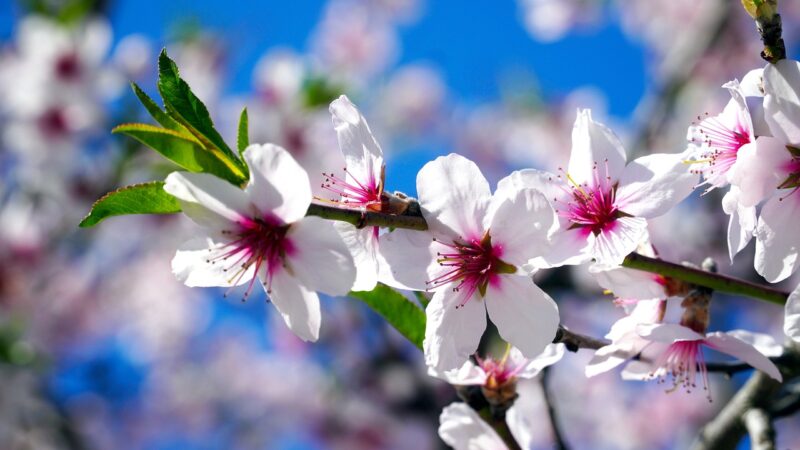
Once you have selected the right variety, prepared the soil, and isolated a perfect location, it’s time to plant the almond trees. Here’s a step-by-step guide:
Timing: The best time to plant almond trees is in the spring, just after the danger of frost has passed.
Spacing: Allow for space between trees, ideally 15 to 20 feet, as almond trees can become quite large. Proper spacing promotes air circulation and reduces disease risk.
Digging the Hole: Create a hole that is twice as wide and as deep as the root ball of the tree. This will give roots plenty of room to expand and settle.
Planting: Place the tree in the hole and fill it with soil while ensuring the tree is at the same depth it was in its nursery pot. Water thoroughly after planting to eliminate air pockets.
Mulching: Apply a layer of mulch around the base of the tree to retain moisture and suppress weeds.
Anecdote: The Planting Experience
The excitement of planting my first almond tree was palpable. I followed every guideline closely, but I still remember the nervousness I felt when the fragile roots spread into the cool soil. Each tree felt like a promise, a partnership in nurturing life. As I watered that first sapling, I envisioned future harvests and the community gatherings we would have, all around the fruits of our labor.
Watering Almond Trees
Proper watering techniques can be the difference between a thriving almond orchard and a struggling one. Here are some key practices:
Initial Watering: Newly planted almond trees need frequent watering to establish roots. Water them deeply several times a week, especially in dry weather.
Irrigation System: As trees mature, consider installing a drip irrigation system. This method conserves water and delivers it directly to the roots.
Watering Schedule: Generally, mature almond trees require water every three weeks during the growing season. The goal is to keep the soil consistently moist but not saturated.
Signs of Stress: Monitor your trees regularly for signs of water stress—yellowing leaves or wilting. Adjust your watering accordingly.
Insight on Watering
During the summer months, I found myself often inspecting the moisture level of the soil near my almond trees. This routine became a moment of meditation for me. I would gently dig into the soil and feel its texture. It wasn’t just about the trees; it was about understanding the Earth’s rhythms and how they affected the life I was nurturing.
Fertilizing Almond Trees

To optimize growth and nut production, fertilization is essential. Here’s how to effectively approach almond fertilization:
Nutrient Needs: Almond trees primarily need nitrogen, phosphorus, and potassium. A balanced fertilizer can support their growth, especially in the spring.
Timing: Apply fertilizers in early spring as the buds begin to swell. This timing allows the nutrients to be readily available during the critical growing and flowering stages.
Organic Options: Consider organic fertilizers like compost or well-rotted manure, which enrich the soil without the risk of chemical buildup.
Application: Spread the fertilizer evenly around the root zone of the tree, avoiding direct contact with the trunk.
Personal Experience with Fertilization
The difference I saw in my almond trees after applying an organic fertilizer was astonishing. Initially hesitant to use chemicals, I opted for compost, and I witnessed the trees respond with lush green leaves and an expanded canopy. The idea of nurturing my trees with natural, sustainable methods has become a cornerstone of my farming philosophy.
Pruning Almond Trees
Pruning is vital for maintaining the health of almond trees and ensuring a good yield. Here’s how to prune effectively:
Timing: Prune almond trees in late winter or early spring before new growth begins. This ensures minimal disruption to the tree’s blooming cycle.
Approach: The goal of pruning is to allow light into the center of the tree and remove any dead or diseased branches. Start by eliminating any water sprouts—vertical branches growing from the sides—because these do not produce almonds.
Shaping: Aim for an open-center or vase shape, which allows sunlight to penetrate the canopy while promoting air circulation.
Tools: Ensure your tools are sharp and clean to prevent damage and the spread of disease.
Insight into Pruning
I recall the first time I pruned my almond trees; it felt almost daunting. However, as I started, it became an intimate experience, almost like a conversation with each tree. I understood where to gently cut and which branches to let flourish. Pruning transformed my understanding of patience and care in cultivation.
Pest and Disease Management
Every farmer faces challenges with pests and diseases, and almond trees are no exception. Here are common issues and solutions:
Pests: Almond trees can be prone to pests like aphids, scale, and the cockroach-like almond moth. Regularly inspect your trees, and consider introducing beneficial insects like ladybugs that can help maintain pest populations.
Diseases: Fungal diseases such as brown rot and leaf blight can afflict almond trees. Ensure proper air circulation through pruning, and apply fungicides during wet weather to prevent outbreaks.
Cultural Practices: Maintaining healthy trees through proper watering, nutrition, and sanitation can significantly reduce the incidence of pests and diseases.
Lesson from Experience
In my initial years of almond farming, I battled an aphid infestation that threatened my entire orchard. It felt disheartening to see my cherished trees suffering. However, researching and employing natural pest control methods allowed me to regain control and appreciate the balance of my mini-ecosystem. This experience deepened my respect for the natural world and its processes.
Harvesting Almonds

After months of care, the moment you’ve eagerly anticipated arrives: the almond harvest. Here’s how to ensure a successful collection:
Timing: Almonds are typically ready for harvest in late summer to early fall when the hulls begin to split.
Testing for Ripeness: Check for the split hulls and slightly brown shells, signaling that the nuts are ready. Gather samples to test for moisture levels—ideal moisture content should be below 10%.
Method: Shake the trees gently to dislodge the nuts or use mechanical shakers for larger orchards. Spread the nuts out to dry in the sun for several days.
Cleaning: Once dry, remove the hulls and any debris. Store the nuts in a cool, dry place.
The Harvesting Experience
My first almond harvest was filled with excitement. I remember gathering friends and family to help, turning the task into a communal experience. We laughed, shared stories, and, in between harvesting, tasted the beautiful nuts, appreciating the fruits of our labor. That day became a cherished memory—a scene bound by hard work and joy.
Storing Almonds
Once harvested, proper storage is essential to maintain the quality of your almonds.
Temperature: Store almonds in a cool, dark place, ideally at temperatures below 40°F (4°C).
Containers: Use airtight containers to prevent moisture loss and protect against pests. Glass jars or vacuum-sealed bags are great choices.
Shelf Life: Properly stored almonds can last for several months. However, for long-term storage, consider freezing them.
Personal Story on Storing
I once made the mistake of storing a batch of almonds in an open container. Within a few weeks, they had lost their crunch and flavor. Learning from that experience, I invested in vacuum-sealed bags, which have since become my go-to for preserving the deliciousness of my harvest.
The Joy of Homegrown Almonds
In conclusion, growing almonds is both a rewarding and enriching endeavor. Each stage of the journey—from selecting the right variety and nurturing the soil to harvesting and storing—offers a unique opportunity for connection with nature and community. Through both challenges and triumphs, the experience of almond cultivation fosters not only personal growth but also a deeper appreciation for sustainable living.