
How To Grow Oregano
Oregano is more than just a delightful herb that brings zest to pizza and pasta. With its fragrant leaves and robust flavor, it’s a staple in Mediterranean cuisine, revered not just for taste but also for its medicinal properties. Whether you’re a novice gardener or a seasoned hortologist, growing oregano can be a rewarding venture.
This guide will explore every aspect of cultivating this remarkable herb, ensuring you have all the information you need to grow it successfully in your home garden.
Understanding Oregano: An Introduction to the Herb
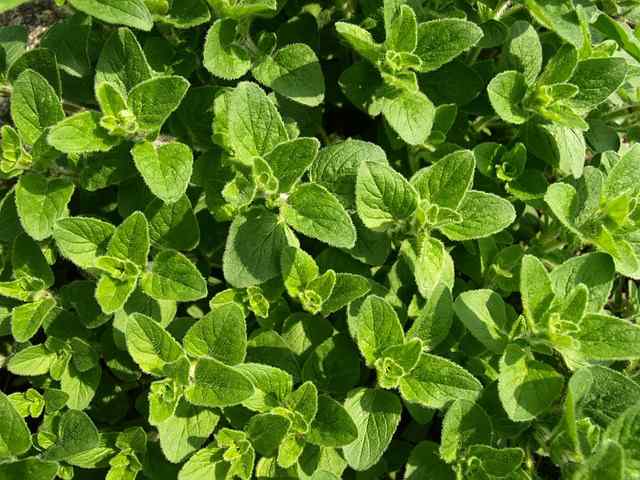
Oregano (Origanum vulgare) belongs to the mint family, Lamiaceae, and is indigenous to Europe, although it now thrives in various parts of the world. This resilient perennial herb is known for its strong aroma and flavor, contributing not just to dishes but also to herbal medicine. With origins tracing back to Greece, oregano’s name derives from the Greek words “oros,” meaning mountain, and “ganos,” meaning joy—a fitting description for this vibrant plant that flourishes in rocky soils.
Beyond its culinary applications, oregano is also recognized for its health benefits. It’s rich in antioxidants, possesses antimicrobial properties, and is often used in folk medicine to alleviate various ailments. This combination of culinary delight and health benefits makes oregano an essential herb to have in your garden.
Choosing the Right Variety of Oregano

When it comes to growing oregano, different varieties can serve unique purposes. The most common ones include:
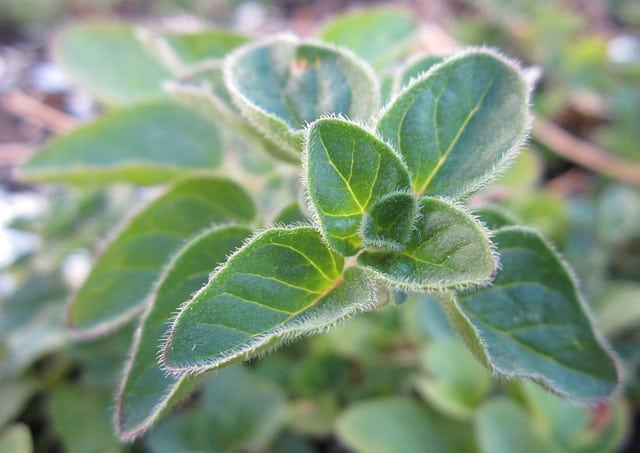
Greek Oregano (Origanum vulgare subsp. hirtum): Known for its robust flavor, Greek oregano is often cherished in Mediterranean recipes. Its aromatic leaves are slightly hairy and dark green.
Italian Oregano (Origanum excretum): This variety has a milder flavor, ideal for those who prefer a subtler herbaceous note. Italian oregano is often used in tomato-based dishes.
Mediterranean Oregano (Origanum onites): With a strong, spicy flavor, Mediterranean oregano is a favorite in many savory dishes. It can thrive in various climates.
Mexican Oregano (Lippia graveolens): While not a true oregano, this herb brings a distinctive flavor to dishes, especially in Mexican cuisine. It has a robust citrus and earthy flavor profile, differing significantly from traditional oregano.
Choosing the right type of oregano for your culinary needs is essential. The robust nature of Greek oregano makes it ideal for pizza, while Mexican oregano lends itself beautifully to salsas and spicy dishes. Consider your cooking preferences when selecting the variety that suits you best.
Preparing Your Growing Space

Once you have settled on the variety of oregano you want to grow, the next step is preparing the growing space. Oregano prefers well-drained, sandy or loamy soil that is slightly alkaline to neutral (pH 6.0 to 8.0). You’ll want to select a site that receives full sunlight, as this herb flourishes best with at least six hours of direct sunlight daily.
Soil Preparation
To prepare your soil, start by removing any weeds or debris. This will reduce competition for nutrients and water. You can also mix in compost or well-rotted manure to enhance the soil’s organic content, promoting better drainage and nutrient availability. If your soil is heavy clay, consider adding perlite or sand to increase drainage capabilities.
As you cultivate the soil, try to aerate it adequately. This can be particularly beneficial for oregano, as good air circulation helps prevent fungal infections, a common issue for herb plants.
Creating Raised Beds or Containers
If your backyard features heavy soil or limited sunlight, consider creating raised beds or using containers. Raised beds allow for better drainage and can be precisely tailored to your herb garden’s needs. They provide excellent control over soil quality and can be strategically placed to receive optimal sunlight.
Containers, on the other hand, offer versatility and mobility. With containers, you can bring your herbs indoors during colder months, ensuring a continual supply of fresh oregano year-round. Ensure that the containers have drainage holes to prevent root rot, which can occur if water accumulates at the bottom.
Sowing Oregano Seeds
While many gardeners prefer starting with young plants or cuttings, growing oregano from seed can be a cost-effective and rewarding process. Oregano seeds can be sown directly into the garden once the danger of frost has passed, or you can start them indoors about six to eight weeks before the last frost date in your area.
Direct Sowing
When directly sowing seeds, scatter them evenly over your prepared soil and cover them lightly with a thin layer of soil. Oregano seeds are tiny and need light for germination, so avoid burying them deeply. Water gently to moisten the soil without displacing the seeds. Keep the soil consistently moist but not soggy until germination occurs, which typically takes 7 to 14 days.
Starting Indoors
If you choose to start your oregano indoors, fill seed trays or peat pots with moist potting mix. Sow the seeds on top, lightly pressing them into the soil and misting them with water. Cover the trays with plastic wrap to retain moisture and place them in a warm spot (70-75°F) until germination. Once seedlings emerge, remove the plastic wrap and ensure they receive adequate light—consider using grow lights if natural light is limited.
Transplant seedlings outdoors once they have two to three sets of true leaves and nighttime temperatures remain consistently above 50°F. Acclimate them to outdoor conditions by gradually introducing them to sunlight over a week.
Caring for Your Oregano Plants
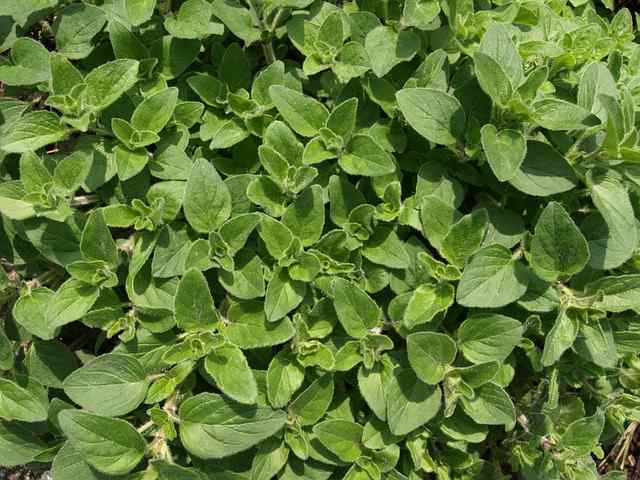
Adequate care is essential for successful growth. Oregano is relatively low-maintenance, but understanding its needs can enhance its flavor and longevity.
Watering
Oregano has drought-resistant properties, so it doesn’t require excessive watering. It’s best to allow the soil to dry slightly between waterings, particularly once the plants are established. Overwatering can lead to root rot, a common issue among herb gardeners. A good rule of thumb is to water deeply but infrequently.
During the hottest months, you may need to water your oregano plants more frequently, especially if grown in containers. Establishing a consistent watering schedule is one of the most crucial aspects of growing oregano effectively.
Fertilizing
While oregano doesn’t demand a lot of nutrients, adding organic fertilizer can promote healthier growth. Consider using a balanced, water-soluble fertilizer every few weeks during the growing season. This ensures that the plants receive adequate nitrogen, phosphorus, and potassium, allowing them to produce lush foliage.
Be cautious not to over-fertilize, as this can dilute the flavor of your oregano. Observing the health of your plants can guide your fertilization—if they appear vibrant and lush, you may not need to feed them as frequently.
Pruning and Harvesting
Regular pruning is vital for encouraging bushier growth and preventing legginess. As your oregano grows, pinch back the tips of the stems to promote new growth. The best time to harvest is just prior to the flowering stage when the flavor is at its peak. The leaves are most aromatic just before the plant flowers.
To harvest, use sharp shears or scissors and cut the stems, leaving at least a few inches above the soil. You can dry the leaves by hanging them in a cool, dark place or using a dehydrator. Dried oregano can retain its flavor for months, allowing you to enjoy your harvest long after the growing season concludes.
Dealing with Pests and Diseases

Every gardener faces challenges with pests and diseases, and oregano is no exception. However, many of the common issues can be managed effectively with a proactive approach.
Common Pests
Aphids: These small, sap-sucking insects can weaken oregano plants. Introduce beneficial insects like ladybugs or use insecticidal soap to control their population.
Spider Mites: These tiny arachnids thrive in dry conditions. Keeping plants properly watered can deter them. If infestations occur, neem oil can effectively control their spread.
Whiteflies: These flying pests can be hard to spot until they become a problem. Yellow sticky traps and insecticidal soap can help keep their numbers in check.
Common Diseases
Powdery Mildew: This fungal disease appears as a white powder on leaves, often due to inadequate air circulation. Ensuring proper spacing between plants and watering in the morning can help prevent this issue.
Root Rot: Often caused by overwatering, root rot can severely damage oregano plants. If you suspect root rot, carefully remove the plant from the soil, cut away the affected roots, and repot in fresh, dry soil.
Botrytis Blight: A gray mold that thrives in humid conditions, botrytis blight can affect oregano leaves and stems. Ensure good airflow and avoid overhead watering to mitigate this risk.
Regularly inspecting your plants and addressing any issues promptly can keep your oregano healthy and thriving.
Harvesting Oregano for Culinary Use
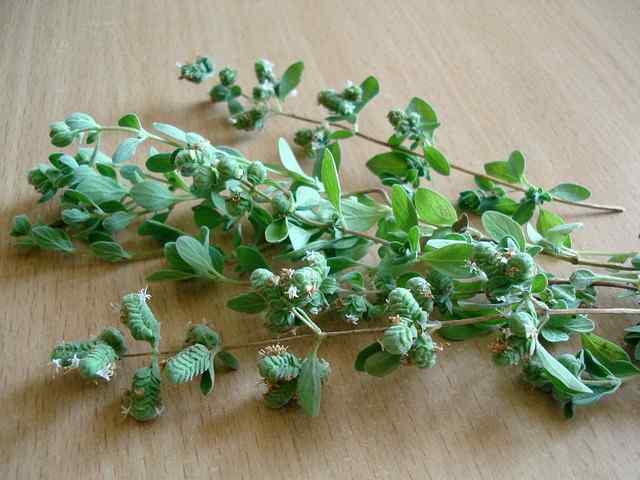
Harvesting is perhaps the most rewarding aspect of growing oregano. The flavor of freshly harvested oregano is far superior to anything you’ll find pre-packaged at the store. Learning how and when to harvest can elevate your culinary endeavors dramatically.
Timing Your Harvest
The best time to harvest oregano is in the morning after the dew has dried but before the sun is too intense. This ensures the essential oils are at their peak density. You can begin harvesting once the plant reaches about 6 to 8 inches tall, but maximum flavor is often found just before the plant begins to flower.
Harvesting Techniques
Use sharp shears or garden scissors to cut the stems. Regularly snipping off the top third of the plant encourages bushier growth and greater yields. If you anticipate a large harvest, and the plants are thriving, consider cutting back more significantly while ensuring that some foliage remains for continued growth.
Storing Fresh Oregano
Fresh oregano can last up to two weeks in the refrigerator if placed in a damp paper towel and stored in a plastic bag. For longer storage, dried oregano is a fantastic option. Simply hang the stems upside down to dry, or use a dehydrator, with dried leaves capable of lasting several months when stored in airtight containers in a cool, dark place.
Oregano in the Kitchen: Culinary Uses
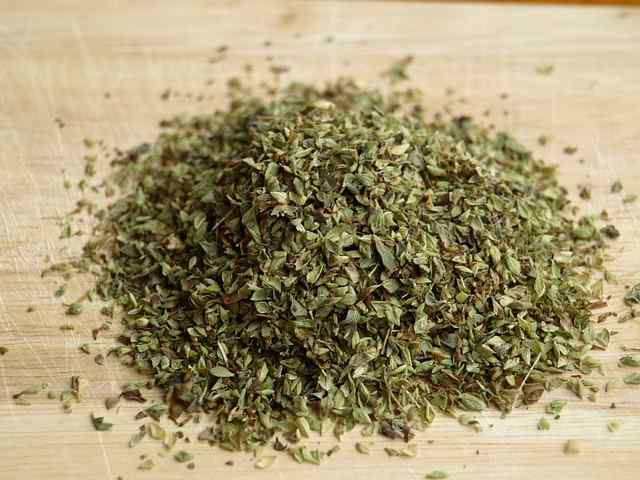
The versatility of oregano goes beyond just a pizza topping. This herb can be employed in various culinary styles, enhancing flavors in countless dishes while also contributing to health benefits.
Traditional Uses
Italian cuisine highlights oregano in dishes like marinara sauces, pizza, and grilled vegetables. Similarly, Greek cuisine features this herb in Greek salads, roasted lamb, and various marinades.
Innovative Pairings
Oregano pairs beautifully with other herbs, including thyme, basil, and rosemary. Consider incorporating it into dressings, dips, or even your homemade bread for a flavorful twist. Experimenting with oregano in unexpected dishes, like omelets or stews, can elevate your culinary repertoire.
Infusions and Oils
For those wanting to explore beyond fresh or dried leaves, consider creating infused oils or herb butters that capture the essence of oregano for future use. Combine fresh oregano with olive oil and marinate for a rich, flavorful addition to bread or grilled meats.
Oregano’s bold flavor profile can contribute significantly to your cooking and ensure your recipes are full of freshness.
Oregano and Its Medicinal Benefits
Beyond its culinary appeal, oregano carries an array of medicinal benefits. Understanding these can deepen your appreciation for this herb and provide good reason to keep it in your garden.
Antioxidant Properties
Oregano is rich in antioxidants, including rosmarinic acid and thymol, which help combat oxidative stress in the body. Incorporating this herb into your diet can contribute to overall health by freeing your body of harmful free radicals.
Antimicrobial Effects
Research has suggested that oregano possesses antimicrobial properties that can act against bacteria and fungi. Oregano oil is often utilized for its antifungal and antibacterial effects, making it a popular natural remedy for various ailments.
Digestive Health
Traditionally, oregano has been employed to alleviate digestive issues. Drinking oregano-infused tea or incorporating the herb into meals may help with bloating and indigestion, enhancing digestive health.
Embracing oregano as not just a flavoring agent but a natural remedy can lead to incorporating it mindfully into your lifestyle.
Seasonal Care and Overwintering
Oregano is a perennial herb, meaning with the right care, it can continue to thrive year after year. Understanding how to properly care for your oregano through the changing seasons allows for continuous harvests.
Preparing for Winter
In colder climates, prepare your oregano for winter by cutting it back after the first frost. Mulching the base with leaves or straw can provide protection against freezing temperatures, ensuring the plant springs back in the spring.
In milder climates, oregano can remain outdoors but may benefit from a light layer of mulch to prevent excessive moisture loss.
Indoor Care
If you live in an area with severe winters or want to avoid frost, consider bringing your oregano indoors. Place it in a sunny window, ensuring it receives ample light. Indoor watering needs may differ from outdoor care, typically requiring less frequent moisture.