

In this expansive guide, we’ll dig into the ins and outs of cabbage harvesting, ensuring that you’re well-equipped with the knowledge, techniques, and insights necessary to reap this cruciferous bounty.
Understanding Cabbage Growth: The Foundation for Harvesting
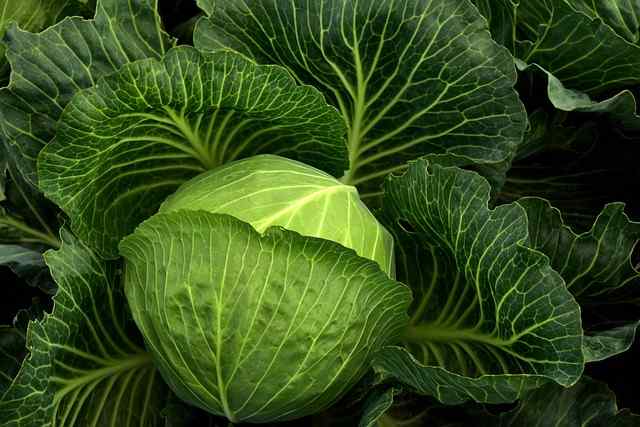
Before diving into the particulars of harvesting cabbage, it is vital to understand its growth cycle. The journey of a cabbage begins with a small seed planted in rich, loamy soil. Cabbage is a cool-season crop, thriving in moderate temperatures. Typically, it takes anywhere from 70 to 120 days from seedling to maturity, depending on the variety.
Planting cabbage in the spring or late summer ensures that the plant benefits from favorable conditions conducive to growth. The roots are relatively shallow but extensive, seeking nutrients and moisture. By observing the plant’s development throughout this period—watching it bloom from a modest little seedling into a flourishing green head—you’ll develop a deeper appreciation for the timing and techniques involved in harvesting.
Identifying When to Harvest Cabbage
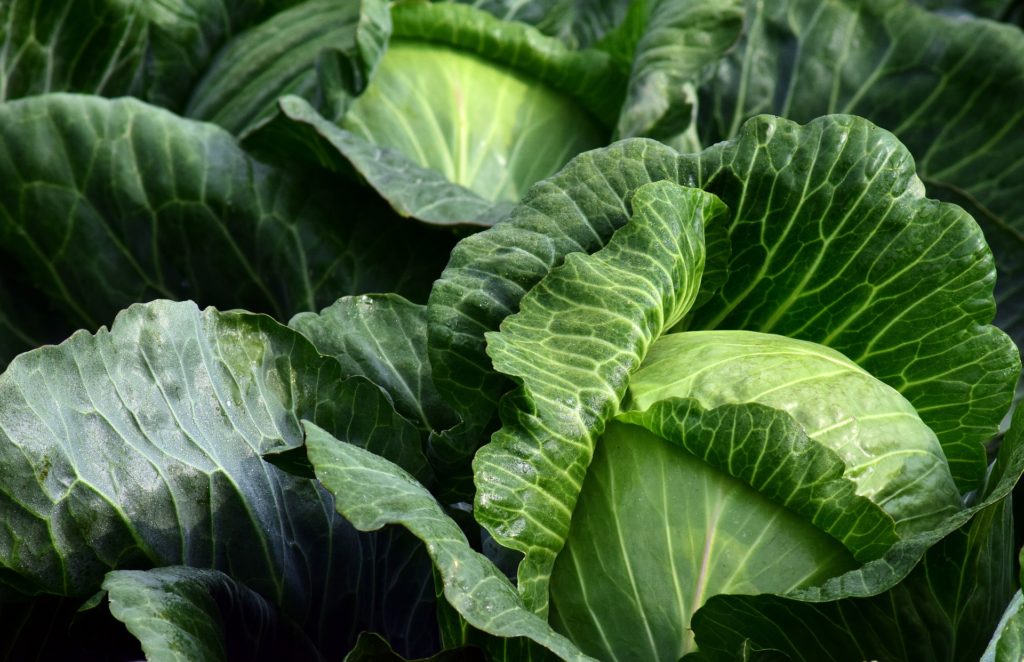
One of the most crucial aspects of harvesting cabbage is recognizing the optimal time to do so. Harvesting too early can result in a bitter taste and a lackluster texture, while waiting too long can lead to splitting and pest invasion.
The ideal time to harvest is when the cabbage heads are firm and the leaves are tightly wrapped around the heart of the plant. To gauge readiness, gently squeeze the head; if it feels solid and dense, it’s likely time for harvest.
Most varieties also offer specific indicators based on appearance. For instance, green cabbage generally signals readiness when the tightness of the head is apparent, while red cabbage often exhibits vibrant coloring. Other than visual checks, you may also want to observe the weather conditions. Cabbage is best harvested in the morning or late evening when temperatures are cooler, preserving its freshness.
Tools of the Trade for Harvesting Cabbage
Equipping yourself with the right tools can significantly streamline the harvesting process. Here are the essentials you’ll need on hand:
Sharp Knife: A knife that’s sharp enough to cut through the thick stem of the cabbage without tearing.
Cutting Shears: If you prefer a clean cut or if you’re harvesting multiple heads, pruning shears are a great option.
Gloves: It might sound trivial, but wearing gloves can protect your hands from calcium deposits left on harvested cabbage as well as make maneuvering easier.
Apart from tools, consider having a container ready to hold your harvested cabbage heads. This not only helps protect the integrity of the heads but also makes transportation simple.
The Harvesting Process: Step-by-Step Instructions
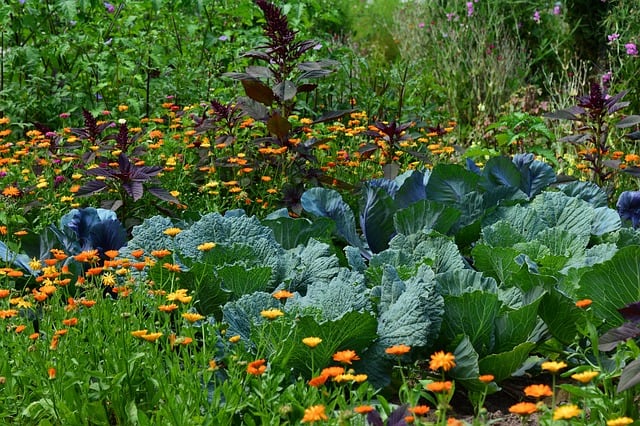
Now, let’s walk through the detailed process of harvesting cabbage.
Preparation: Before heading out to the garden, gather all your tools. Ensure you wear comfortable clothing that allows for ease of movement. It may be worthwhile to check weather conditions as this could influence your timing.
Examine the Cabbage: Assess the heads of cabbage to identify the ones that appear ready for harvest. Look for heads that feel solid and dense, with tightly wrapped leaves.
Cutting: Approach the cabbage head and use your sharp knife or cutting shears to sever the stem, ideally leaving about an inch or two at the base. It’s important to make a clean cut to avoid any crushing that could lead to spoilage.
Handle with Care: Gently lift the head of cabbage and place it in your container. Ensure that no pressure is applied during transfer, as this could damage the leaves.
Follow Up: After harvesting, it’s wise to check the rest of your cabbage plants. You may find other heads that are nearing maturity and will soon be ready for harvest.
By following these steps, you ensure that each cabbage head remains intact, maximizing its shelf life and culinary potential.
Post-Harvest Handling: Maximizing Freshness

The moments following the harvest are crucial in preserving the quality of your cabbage. Once you’ve collected your cabbage heads, store them appropriately to maintain their crispness.
Cleaning: Clean the harvested cabbage by removing any damaged or discolored outer leaves. However, be careful not to strip away too many layers, as these protect the inner leaves.
Refrigeration: Cabbages store best in cool environments. Ideally, place them in a crisper drawer or a cold part of your refrigerator to keep them fresh.
Humidity Levels: Cabbage prefers high humidity. You might consider placing a damp cloth in the storage container or using humidity-controlled bags to maintain an environment that prevents wilting.
Dealing with Common Pests and Diseases: Prevention is Key
While the aim is to harvest healthy heads of cabbage, it is equally important to be aware of the pests and diseases that might jeopardize your crop. Common pests include aphids, cabbage worms, and fungal pathogens like black rot.
To mitigate these issues:
Regular Inspection: Check your plants frequently for early signs of infestation or disease. Identifying issues early allows for quick action.
Cultural Practices: Proper spacing and crop rotation can significantly reduce the incidence of many pests and diseases. Ensure your plants are well-spaced to allow air circulation and thus minimize moisture retention which can foster diseases.
Natural Predators: Encourage beneficial insects, such as ladybugs, which can help control aphid populations.
Organic Treatments: If you encounter a pest invasion, consider employing organic solutions like neem oil or insecticidal soap, which are less harmful to the environment than synthetic chemicals.
By adopting preventive measures, you’ll cultivate a thriving cabbage crop, clearing the way for a successful harvest.
Preserving and Storing Cabbage for Long-Term Use
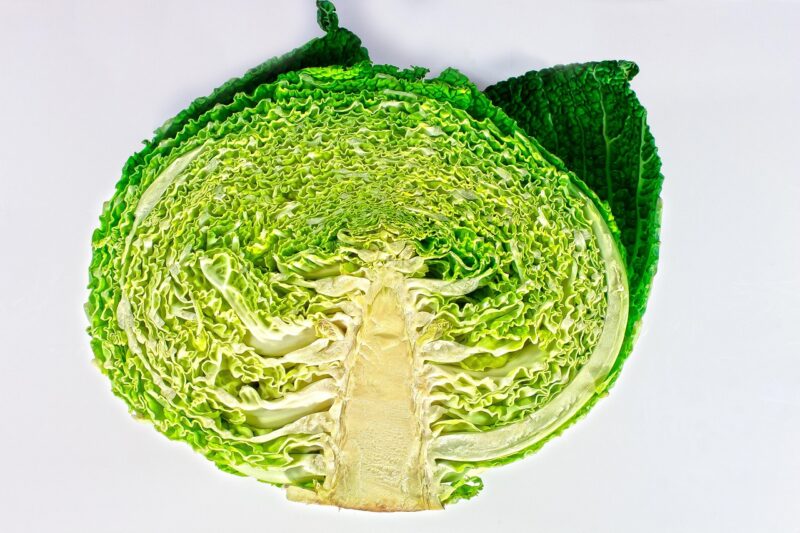
Having harvested your cabbage heads, you might find that your abundance exceeds immediate consumption. In such cases, it’s imperative to know how to preserve your cabbage effectively.
Fermentation: One of the most popular methods for preserving cabbage is through fermentation, resulting in tangy, probiotic-rich sauerkraut. Simply shred the cabbage, add salt, and allow it to ferment in a sealed jar for several weeks.
Freezing: While freezing can alter texture, it’s an easy method for long-term storage. Briefly blanch the cabbage before freezing to help preserve color and flavor.
Canning: While more time-consuming, canning can be a rewarding way to enjoy cabbage year-round. Be sure to follow guidelines to ensure safe preservation.
Drying: Cabbage can be dried for use in soups and stews. A dehydrator works best for this purpose, turning fresh heads into lightweight, long-lasting ingredients.
Each of these methods provides variations in flavor and uses, allowing you to explore the wonderful world of cabbage beyond your garden.
Culinary Uses: From Harvest to Table

So, you’ve harvested and stored your cabbage—now what? The culinary applications of cabbage are as diverse as they are delicious.
Raw Preparations: Shredded cabbage can be a vibrant addition to slaws and salads. The crunch of fresh cabbage complements many dishes, making it an ideal ingredient for a refreshing summer salad.
Cooking: Cabbage can be braised, sautéed, or steamed. Adding spices or aromatics can push its flavor profile to new heights. Consider cabbage in stir-fries or paired with proteins like pork for a hearty meal.
Preserved Forms: As noted earlier, fermented cabbage as sauerkraut or kimchi can elevate any dish with its bold flavors and probiotic properties.
Soups and Stews: In colder months, cabbage can be a key ingredient in soups and stews. It adds body, flavor, and nutrition, making it an all-season vegetable.
A Personal Reflection on Cabbage
Growing up, my grandmother had a garden that burst with cabbage heads, their earthy aroma wafting through the kitchen as she crafted hearty dishes. I remember standing beside her, greens in hand, as she taught me how to make her famous coleslaw. Each crunch brought back memories of family gatherings, reinforcing the connection between food and love.
These experiences have shaped my understanding of not just how to harvest cabbage, but how to appreciate the entire journey—from seed to table. They remind us that in every slice, we carry forward traditions, flavors, and stories that are meant to be shared.
Conclusion: Embracing the Journey of Harvesting Cabbage
The journey of harvesting cabbage is as rewarding as it is instructive. Once you delve into the nuances of growth cycles, timing, and techniques, you gain not only knowledge but a deeper connection to the food you consume.