

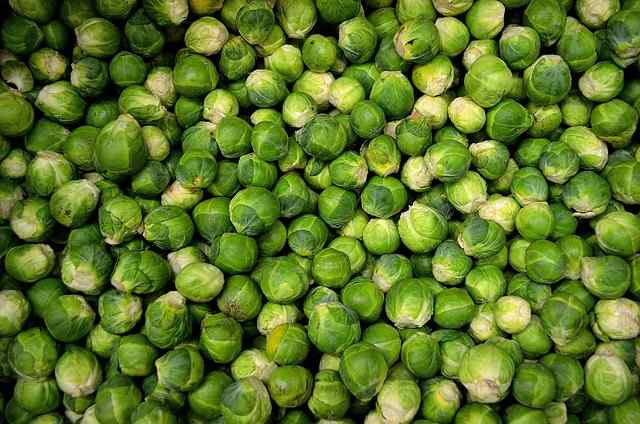
This comprehensive guide will walk you through the intricacies of harvesting Brussels sprouts, illuminating each stage of the process while capturing the joy of cultivating and enjoying this beloved vegetable.
Understanding Brussels Sprouts Growth Cycle
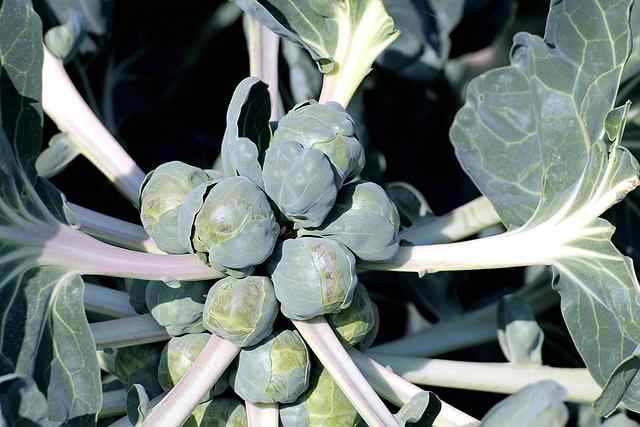
Before diving into the specifics of the harvest, it’s vital to grasp the entire growth cycle of Brussels sprouts. These robust plants belong to the Brassica family and are cultivated for their edible sprouts that grow along a tall stalk. Knowing their growth cycle will not only help you understand when to harvest but will also enhance your appreciation for these culinary treasures.
Brussels sprouts thrive in cool climates, generally requiring about 80 to 100 days from planting to harvesting. Their natural inclination towards cooler temperatures makes them particularly suited for fall and winter harvests. The growth cycle can be divided into several stages: seedling, vegetative, budding, and harvesting.
In the seedling stage, tiny sprouts are sown about 1/4 inch deep in well-draining soil, ideally in early spring for a late fall harvest. As they develop, they enter the vegetative phase, where they grow large, leafy heads while absorbing nutrients. The budding phase follows, during which small green buds begin to form along the sides of the stem. The care you provide—adequate water, nutrients, and pest management—during these phases directly influences the health and yield of your Brussels sprouts.
Preparing for Harvest: Indicators and Timing
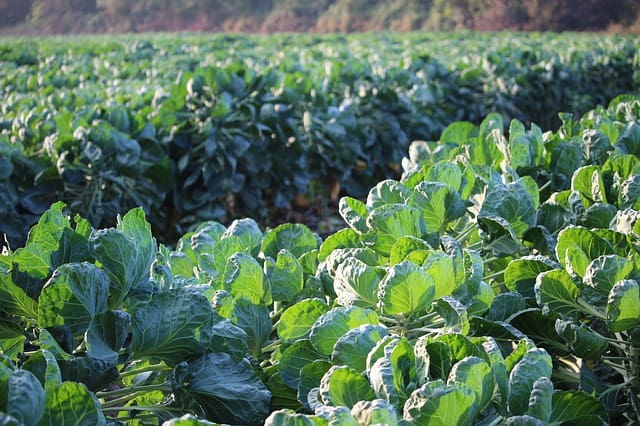
Understanding when to harvest Brussels sprouts is crucial for optimal taste and texture. The timing can significantly influence the culinary experience you’ll have, setting the stage for a delightful meal.
Brussels sprouts are typically ready for harvest when they reach about 1 to 2 inches in diameter. The leaves should be dark green and firm to the touch. There are several key indicators to look for:
Size: As previously mentioned, sprouts should ideally be 1 to 2 inches in diameter. If they’re smaller, allow them more time to mature; larger sprouts may grow tough and bitter if left too long.
Color: A deep green color indicates that the sprouts are healthy and ready for picking. Yellowing leaves or sprouts could indicate stress or pest issues.
Development: The lower sprouts generally develop first, so start from the bottom of the stalk and work your way up.
Frost Indicator: Interestingly, Brussels sprouts often taste sweeter after they have been subjected to a light frost. Frost converts the starches in the sprouts to sugars, enhancing their flavor. Thus, if you’re gardening in a colder climate, taking advantage of this natural sweetness is wise.
Tools Needed for Harvesting

Having the right tools on hand will ensure a smooth and efficient harvesting process. While harvesting Brussels sprouts can be done with just your hands, a few tools can make the job easier and more enjoyable.
Pruning Shears: A sharp pair of pruning shears can make the process much quicker, allowing you to cut the sprouts cleanly without damaging the plant.
Garden Gloves: These not only protect your hands from sharp leaves and potential pests but also help keep your grip secure while handling the plants.
Baskets or Buckets: Preparing a collection container is essential. Choose baskets or buckets that allow air circulation to avoid squishing the sprouts.
Trowel or Small Spade: In case you encounter stubborn stalks, a small garden tool can help loosen them or cut them down from their base.
The Harvesting Process: Step-by-Step
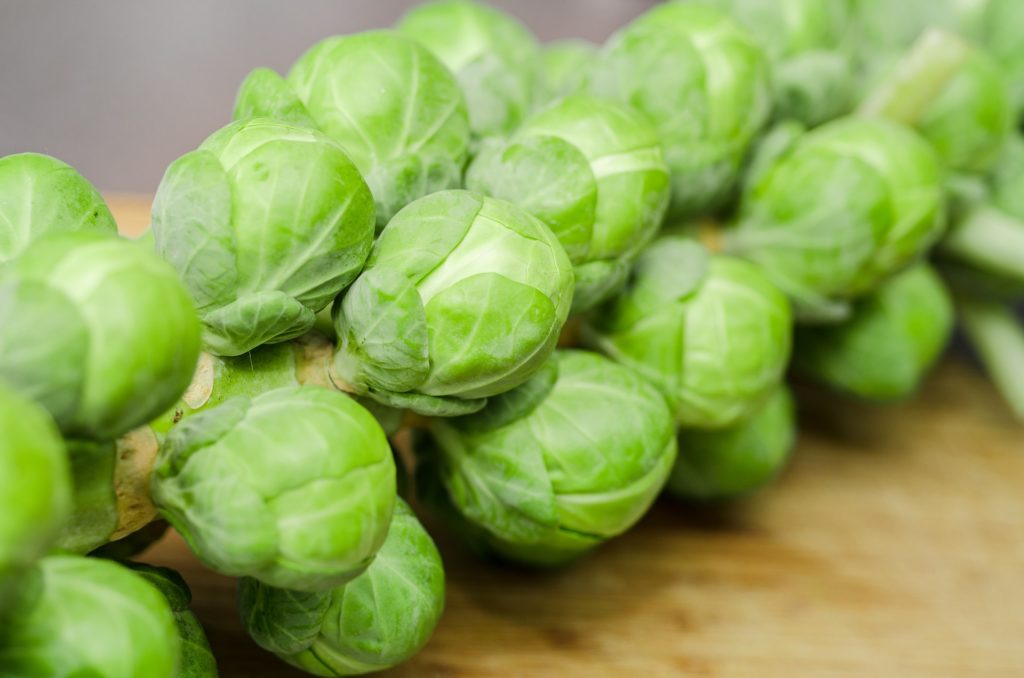
Now, let’s delve into the steps involved in the actual harvesting of Brussels sprouts. It’s an experience that is not only task-oriented but also tactile and sensory, connecting you to the soil and the plants you’ve nurtured.
Approach with Care: Examine your Brussels sprouts plants to assess their readiness. Make sure to choose a day when the weather is clear and dry, as handling wet plants can promote decay.
Start from the Bottom: Begin harvesting from the lower sprouts on the stalk. This is where maturity is first reached, and thus, these sprouts are typically the most flavorful.
Twist and Snap, or Cut: Gently twist and snap the sprout from the stem, or use your pruning shears to cut them cleanly at the base. Be careful to avoid pulling on adjacent leaves, as this can lead to damage.
Gather and Inspect: Place the harvested sprouts gently into your basket or bucket. Inspect each one for blemishes, and remove any damaged or discolored sprouts to preserve the quality of your harvest.
Revisit the Stalks: Once you’ve harvested the lower sprouts, move up the stalks, harvesting as you go. This process continues until you’ve collected all mature sprouts.
Post-Harvest Care: After harvesting, store your Brussels sprouts in a cool, dry place. They can last several weeks in the refrigerator, but for the freshest flavor, try to cook and consume them within a week or two.
Handling and Storing Brussels Sprouts
Once you’ve successfully harvested your Brussels sprouts, proper handling and storage are essential to maintain their freshness and flavor. Taking care of your harvest will allow you to enjoy the fruits of your labor for weeks to come.
Cleaning: Rinse the sprouts gently in cold water to remove dirt and any potential pests. Avoid soaking them for long periods, as this might cause them to absorb water and lose flavor.
Trimming: Remove any yellow or outer leaves around the sprouts. This not only improves the visual appeal but also keeps your Brussels sprouts fresh longer.
Storage: Wrap the cleaned and trimmed sprouts in a damp paper towel and place them in a plastic bag if you plan to refrigerate them. Alternatively, they can be stored in a breathable produce bag. Avoid tightly sealing them, as they need some ventilation.
Freezing: If you’ve harvested a large batch, consider blanching your Brussels sprouts before freezing. Blanching helps preserve their color and taste. Submerge them in boiling water for 3-5 minutes, then quickly transfer to ice water to halt the cooking process. Drain well, then place in airtight bags before putting them in the freezer.
Culinary Delights: Cooking With Brussels Sprouts
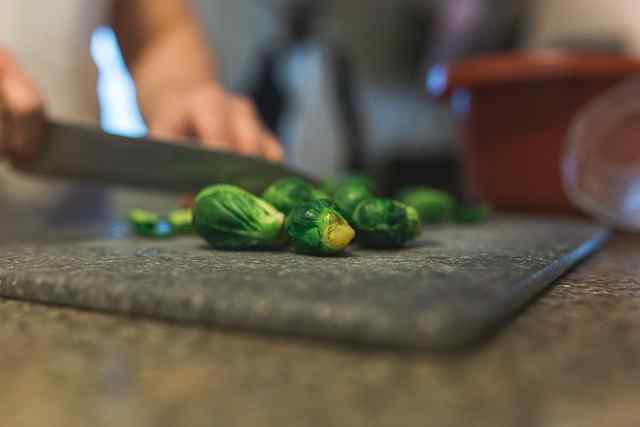
As you reflect on the effort of harvesting Brussels sprouts, the excitement of cooking with them can be exhilarating. There’s a multitude of ways to prepare this versatile vegetable, each method bringing out different flavors and textures. Here are a few ideas to inspire your culinary creativity:
Roasted Brussels Sprouts
Roasting Brussels sprouts is one of the simplest and most beloved methods. The high heat caramelizes their natural sugars, resulting in beautifully browned, crispy edges.
Preparation: Preheat your oven to 425°F (220°C). Halve the sprouts and toss them in olive oil, salt, and pepper. Spread them on a baking sheet in a single layer.
Cooking: Roast for about 20-30 minutes, stirring halfway through for even cooking. They’re done when crispy and tender with a deep caramel color.
Additions: Experiment with flavors by adding garlic, balsamic vinegar, or nuts like almonds or pecans before roasting.
Brussels Sprouts Salad
Adding Brussels sprouts to a fresh salad can provide a crunchy, nutrient-packed element.
Preparation: Use a mandoline or sharp knife to thinly slice raw Brussels sprouts. Toss them with your favorite dressing, nuts, and ingredients like cranberries or feta.
Let Sit: Allow the salad to sit for 15-30 minutes before serving to soften the sprouts and meld the flavors.
Sautéed with Bacon
The rich flavor of sautéed Brussels sprouts pairs beautifully with smoky bacon.
Preparation: Cut the sprouts in half and peal off any discolored leaves. Cook chopped bacon in a skillet until crispy, then add the halved sprouts.
Cooking: Sauté until the sprouts are tender and slightly charred. A splash of apple cider vinegar can add a tangy finish.
Stir-Fry
Incorporate Brussels sprouts into a flavorful stir-fry for a quick, nutritious meal.
Preparation: Slice the sprouts thinly and toss them into a hot wok with your favorite proteins and vegetables.
Sauce: Add a sauce of soy sauce, ginger, and garlic for a savory glaze.
The Joy of Gardening: Anecdotes and Personal Reflections
Reflecting on my experiences with Brussels sprouts, I remember the first time I planted them in my garden. I was initially intimidated by their tall stature and numerous leaves. However, as I watched them grow, I felt a connection to the earth and an appreciation for the patience involved in gardening.
One autumn day, I picked my first batch of Brussels sprouts. The faint chill in the air, the rustling of the leaves, and the bright colors of the crops brought a sense of fulfillment that store-bought produce can’t replicate. I vividly remember the warmth of the kitchen as I roasted the sprouts with olive oil, salt, and a sprinkle of pepper. The aroma that filled my home was intoxicating, but the first bite was the true revelation. The nutty, slightly sweet flavor was nothing like I anticipated—it was vibrant and fresh, speaking volumes of the care put into growing.
Gardening, I’ve come to realize, is not merely a task but a nurturing relationship with nature. The act of harvesting Brussels sprouts connects us to the seasons, reminding us of the cycles of life.
Challenges in Harvesting and How to Overcome Them
While harvesting Brussels sprouts can be a delightful experience, it’s not without its challenges. Those who embark on this journey may encounter a variety of issues, from pest infestations to unfavorable growing conditions. Understanding these challenges can equip you with the knowledge to address them effectively.
Pest Management
Brussels sprouts can attract pests such as aphids, cabbage worms, and flea beetles. Implementing preventive measures is essential.
Natural Predators: Introduce beneficial insects like ladybugs or lacewings, which feed on harmful pests.
Companion Planting: Growing marigolds or garlic nearby can deter pests with their strong scents.
Physical Barriers: Use row covers to protect young plants from pests while allowing light and moisture to reach them.
Nutrient Deficiency
Nutrient-deficient soil can hinder the growth of Brussels sprouts. Regularly test your soil to ensure it has adequate levels of nitrogen, phosphorus, and potassium.
Organic Matter: Incorporating compost can greatly enhance soil quality.
Fertilization: Use a balanced organic fertilizer during the growing season to supply necessary nutrients.
Weather Conditions
Brussels sprouts thrive in cooler conditions, but unexpected weather patterns can create obstacles. Too much rain or prolonged heat can stress the plants.
Mulching: Using mulch can help retain moisture in dry spells and keep roots cool.
Watering: During hot periods, ensure adequate watering without waterlogging the soil.
Conclusion: Embracing the Harvest
Harvesting Brussels sprouts is more than just a gardening task; it’s a deeply rewarding journey that connects us to nature, nourishment, and our culinary traditions. As you embark on your own harvesting adventure, remember to celebrate each step of the process—from sowing the seeds to enjoying the fruits of your labor on your dinner plate.