

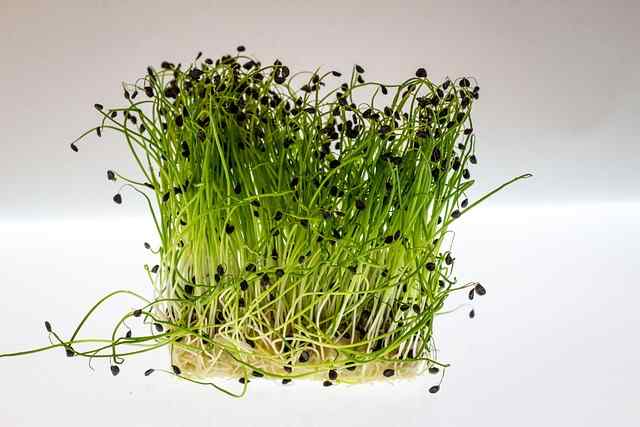
Watercress, with its peppery flavor and vibrant green leaves, is a leafy green that has gained considerable reputation in culinary circles and health-focused communities. Its versatility makes it a favorite ingredient in salads, sandwiches, and soups alike. Not only does watercress lend its flavor to dishes, but it also boasts a plethora of nutritional benefits.
If you’re interested in growing this fast-growing aquatic plant, this comprehensive guide will walk you through everything you need to know to cultivate watercress successfully. From understanding its provide habitat to harvesting techniques, each section will deepen your appreciation for this remarkable green.
Understanding Watercress

Watercress (Nasturtium officinale) is a perennial leafy green that thrives in watery environments. Belonging to the mustard family, it has a flavor that’s both tangy and refreshing. Traditionally found in freshwater streams, this plant has adapted well to various growing conditions, making it a suitable candidate for home gardens.
Watercress is rich in vitamins A, C, and K, and provides a good amount of minerals such as calcium and iron. Its health benefits—spanning from promoting heart health to improving bone density—reflect why many are choosing to incorporate this superfood into their diets. However, growing watercress does require specific conditions and mindful cultivation practices.
Choosing the Right Growing Conditions

One of the most critical aspects of growing watercress successfully is the selection of suitable growing conditions. Here’s what you need to consider:
Water Source
Watercress thrives in water, making it essential to provide a consistent moisture source. Ideally, it should be planted in shallow water or wet soil. If you have a pond or a stream on your property, these are optimal locations. If not, you can create a DIY water system using pots or containers that allow water to soak the roots directly.
Soil Type
While watercress can grow in various soil types, it’s best to choose nutrient-rich, loamy, or sandy soil that can retain moisture without becoming waterlogged. You might consider amendments such as compost or well-decomposed organic matter to enrich the soil.
Temperature and Light
Watercress prefers cooler temperatures, ideally maintaining between 55°F to 70°F (13°C to 21°C). It can be grown year-round in most climates, but excessive heat can cause it to bolt (flower prematurely) and lead to a bitter taste. In terms of light, the plant does best in partial shade to full sun, though too much direct sunlight can lead to drying out, particularly in warmer months.
Planting Watercress
Once you have established the correct environmental conditions, it’s time to get your hands dirty and plant some watercress. The planting phase can be broken down into several vital steps:
Seed Selection
You can either start watercress from seeds or purchase young plants from a nursery. For those who prefer seeds, choose high-quality varieties from reputable suppliers. Look for organic seeds that are unprocessed, as they are more likely to yield high-quality plants.
Preparing the Site
If you’re using a container, ensure it has good drainage that allows excess water to escape while keeping the soil moist. If planting in soil, prepare a shallow trench that allows for wet conditions. Keep your planting area consistently moist as you prepare for sowing.
Sowing Seeds
If sowing seeds directly into the soil, scatter them sparsely and cover lightly. If you are transplanting young plants or seedlings, space them about 6-8 inches apart to allow adequate room for growth. Water them well immediately after planting to help establish roots.
Watering and Nutrient Management
Watercress is unique in that it requires a significant amount of water. Here’s how to ensure your plants get what they need:
Regular Watering
In addition to its inherent need for moisture, maintaining an appropriate irrigation schedule is crucial. If planted in standing water, be sure to change the water regularly to prevent stagnation and the development of harmful pathogens.
Nutrient Requirements
Alongside keeping the plants hydrated, maintaining nutrient levels is fundamental to watercress health. Apply liquid fertilizers balanced in N-P-K ratio, particularly before growing seasons, to strengthen their growth. Composts rich in nitrogen can also be beneficial, mirroring the natural nutrients they would derive from soil in their native habitats.
Pest and Disease Management
Like any other plant, watercress is susceptible to pests and diseases. Early intervention is crucial to prevent them from affecting your crop. Here are some common issues and their solutions:
Common Pests
Aphids and leaf miners are known pests that can affect watercress. To combat aphids, a strong jet of water or a mild insecticidal soap may help. For leaf miners, you can manually remove affected leaves, ensuring your plants stay healthy.
Fungal Diseases
Fungal infections such as downy mildew can plague watercress, particularly in damp conditions. Proper air circulation, spacing plants well, and avoiding overhead watering can help reduce the risk of these infections.
Harvesting Watercress

Once your watercress has matured, typically around 3 to 4 weeks after planting, you can begin harvesting. Here are some tips to ensure you’re doing it correctly:
Timing Your Harvest
Harvesting in the early morning or late afternoon is ideal to avoid the stress of heat on your plants. Choose leaves that are young, vibrant, and fresh, which will typically yield the most flavor and nutritional benefit.
Method of Harvesting
Use scissors or sharp shears to cut the leaves just above the water level, allowing the plant to regenerate quickly. Be mindful to leave at least one leaf node on each stem to promote regrowth and ensure your watercress continues producing throughout the season.
Utilizing Watercress in the Kitchen

Harvesting only marks the beginning of your watercress journey. Its robust flavor offers various culinary opportunities that you can explore:
Fresh Salads
The most popular way to use fresh watercress is in salads. Combine it with light vinaigrettes, other greens, and toppings like nuts or fruits for a refreshing dish. Watercress pairs well with ingredients like citrus, feta cheese, or avocado.
Soups and Sandwiches
Watercress adds depth to soups, particularly those with a creamy base. You might puree it in with potatoes and leeks or simply use it as a garnish. For sandwiches, place watercress between layers of smoked salmon or turkey for a peppery punch.
Pesto and Dips
Blend watercress with nuts, olive oil, garlic, and Parmesan to create a unique twist on traditional pesto. You could also incorporate it into creamy dips, making it a delightful addition to cheese platters or as a spread on crackers.
Health Benefits of Watercress
The health benefits of watercress are nothing short of impressive. Here are some of the top reasons to include more watercress into your diet:
Nutritional Powerhouse
As mentioned earlier, watercress is an excellent source of vitamins A, C, and K, which are essential for immune function, skin health, and blood clotting, respectively. It also has antioxidant properties that can protect against cellular damage.
Supporting Bone Health
The high levels of vitamin K found in watercress play a crucial role in bone health by promoting calcium absorption, thereby reducing the risk of fractures. Additionally, its calcium content complements this benefit further.
Cancer-Fighting Properties
Emerging research suggests that some compounds in watercress, including glucosinolates, may have anti-carcinogenic properties. While additional studies are warranted, incorporating watercress into your diet may contribute positively to cancer prevention strategies.
Common Challenges in Growing Watercress
Though growing watercress can be relatively straightforward, there are challenges that come with it. Here are some common concerns and how to address them:
Sudden Temperature Changes
Watercress doesn’t fare well with abrupt temperature fluctuations. Take precautions to shield your plants from unexpected frosts or extreme heat spikes, which could inhibit growth or affect flavor.
Water Quality
As a plant that thrives in water, the purity of the water is crucial. In keeping your watercress both healthy and safe to consume, utilize clean, potable water. Avoid using chlorinated or treated water, which can be detrimental to its growth.
Advanced Cultivation Techniques
For those eager to dive deeper, you might explore advanced methods of growing watercress, including hydroponics or aquaponics:
Hydroponics
Growing watercress hydroponically allows control over nutrient supply and growing conditions, resulting in a faster growth cycle. Using nutrient-rich water instead of soil can lead to bounteous harvests and superior flavor.
Aquaponics
Combining aquaculture with hydroponics allows you to raise fish and grow watercress in a symbiotic environment. The waste produced by the fish serves as organic nutrients for the plants, creating a sustainable ecosystem.
Conclusion
Growing watercress is a rewarding journey, from establishing the ideal growing conditions to enjoying that crisp freshness in your dishes. With its rich nutritional profile and myriad health benefits, cultivating watercress is not only a fruitful endeavor but also one that contributes to a healthier lifestyle. The balance of careful husbandry, creative culinary practices, and embracing the unexpected challenges can create a rich experience that goes beyond mere gardening.