

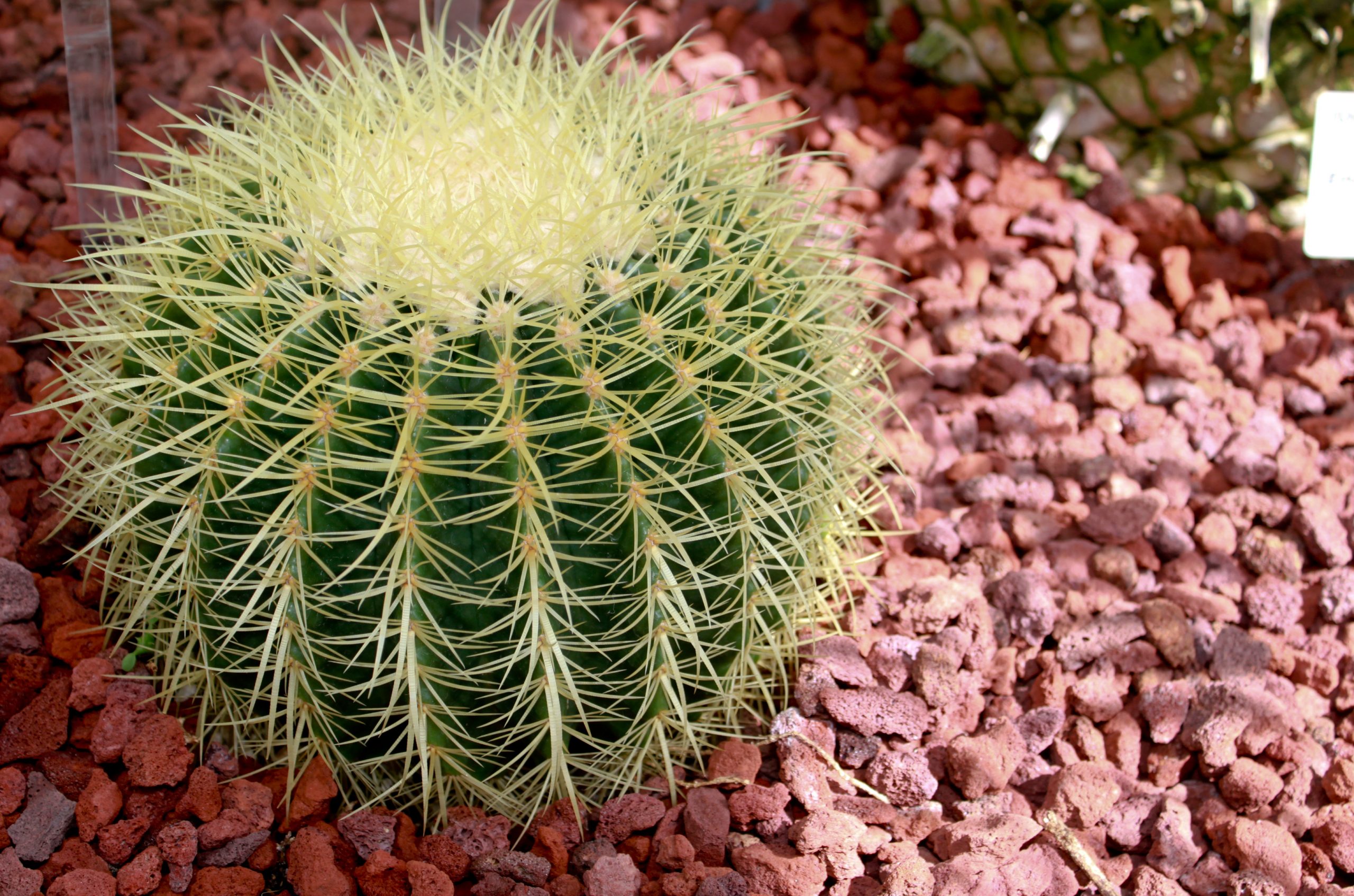
Caring for a cactus, particularly when it comes to watering, may seem simple, but it requires a nuanced understanding of its environment, biology, and specific needs. This guide covers the intricacies of how to water cacti, ensuring you cultivate a thriving display of these charming succulents in your home or garden.
Understanding Cacti: Nature’s Survivalists
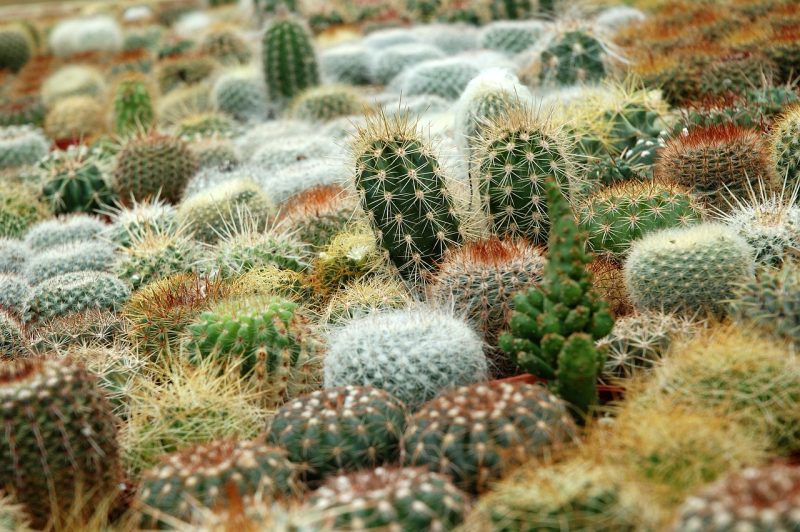
Cacti are marvels of adaptation, evolving in harsh conditions where water is scarce and sunlight is intense. They thrive in environments that would be inhospitable to many other plants, showcasing a remarkable ability to conserve water and withstand drought. This natural resilience is a crucial factor in understanding how to water cactus properly.
The Anatomy of a Cactus
At the heart of a cactus’s survival strategy are its unique structures. Unlike traditional plants, cacti have developed thick, fleshy stems designed to store water. This stems from a process called crassulacean acid metabolism (CAM), allowing them to photosynthesize efficiently during the nighttime, reducing water loss. Recognizing these adaptations can help you make informed decisions about when and how much to water your cactus.
Anecdotal Observation
Consider the story of a first-time cactus owner, Sarah, who purchased a vibrant prickly pear at her local nursery. Eager to care for her new green companion, she watered it daily, believing that more water would mean more growth. Within weeks, she noticed the telltale signs of overwatering: soft, mushy spots developing on the once-firm pads. This unfortunate experience highlighted the importance of understanding a cactus’s natural environment before diving into care routines.
The Role of Soil and Potting Choice
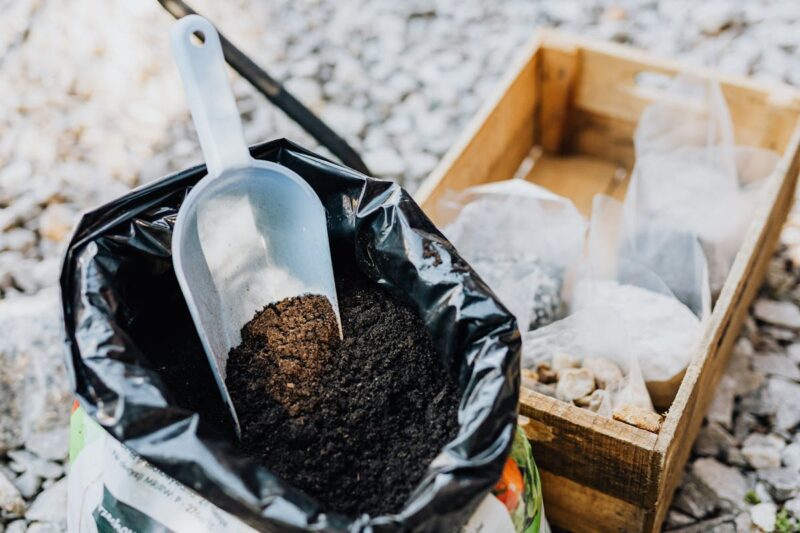
Before discussing watering techniques, it’s important to consider the soil and potting choices for your cactus. These elements play a significant role in moisture retention and drainage, which are critical for healthy cactus cultivation.
Choosing the Right Soil
Cacti prefer well-draining soil to minimize the risk of rot. A commercial cactus mix often contains ingredients like perlite, sand, and pine bark, providing aeration and drainage. Alternatively, many gardeners opt to create their own blend: combining standard potting soil with additional perlite or coarse sand to enhance drainage.
Pot Selection Matters
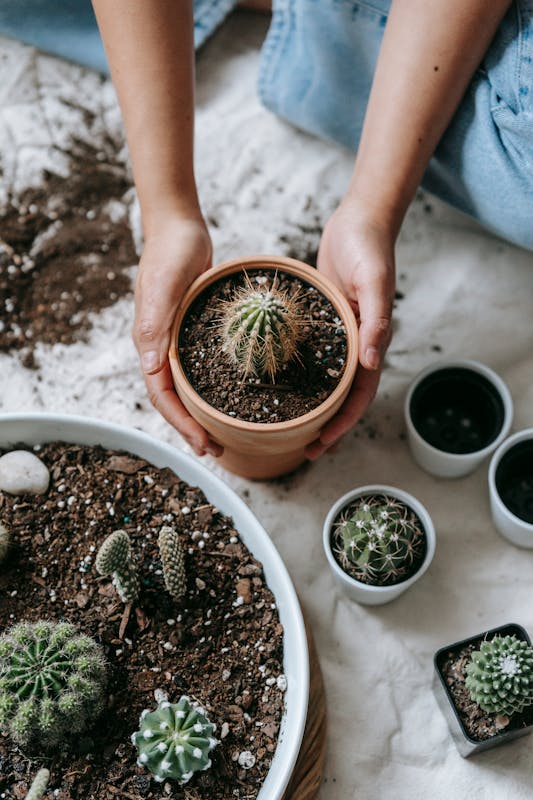
Selecting the right pot can also impact watering practices. Terracotta pots are highly recommended for cacti due to their porous nature, allowing moisture to evaporate from the sides, further reducing the risk of overwatering. Moreover, drainage holes are non-negotiable. A pot without drainage will likely lead to water pooling at the base, creating a breeding ground for root rot.
Factors Influencing Watering Frequency
Understanding how to water cactus requires a keen awareness of several influential factors. Cacti are not one-size-fits-all when it comes to hydration.
Environmental Conditions
The climate in which your cactus resides can drastically impact its watering needs. For gardeners in desert locales, natural conditions may suffice, while those in humid environments might find that their plants require extra care. In regions with distinct seasons, the frequency of watering will adjust—wetter months may necessitate less irrigation than during dry spells.
Seasonal Variations
Cacti typically enter a state of dormancy during the winter months, which is counter to their flourishing summer growth period. During dormancy, your cactus’s water needs drastically decrease. The rule of thumb here is to water less frequently during the winter, only occasionally to prevent desiccation, and to increase watering as spring arrives.
Signs Your Cactus Needs Water
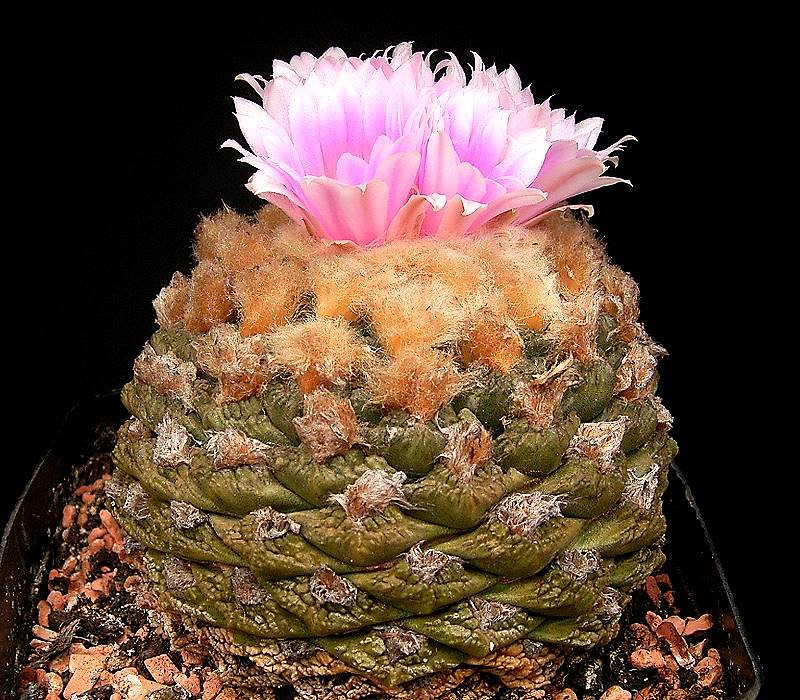
As you delve deeper into the art of watering cacti, it’s essential to learn how to read your plant’s signs. A health check can make the difference between a vibrant plant and one that’s on the decline.
Physical Indicators
The most common signals that your cactus may need water include shriveling and a loss of turgidity. A healthy cactus will have firm, plump pads or stems. Conversely, when deprived of water, your cactus will shrink and wrangle, the flesh becoming leathery and dry. Observing these changes closely can help you adjust your watering schedule more effectively.
Soil Assessment Techniques
Utilizing the “finger test” is a straightforward way to determine soil moisture. Insert your finger into the soil about an inch deep. If the soil feels dry, it’s time to water. If it still feels damp, wait a few more days before checking again. Advanced gardeners may use soil moisture meters for a more precise measurement, especially if they manage multiple plants or larger collections.
Techniques for Watering
While the theory behind watering cacti can seem complex, the actual process can be straightforward once you grasp the essentials.
Deep Watering Technique
When it’s time to hydrate your cactus, embracing a deep watering technique is essential. Pour water until it drains from the bottom of the pot, ensuring that the root system receives adequate moisture. Do allow the plant to sit in excess water for long, as this will lead to root rot.
Frequency and Timing
The frequency of watering varies but tend toward a general guideline of every two to three weeks during the growing season. It is advisable to water either in the morning or late afternoon when the sun is less intense, allowing the moisture to penetrate the soil without evaporating too quickly.
Addressing Overwatering and Underwatering
Despite your best efforts, you may encounter issues with overwatering or underwatering. Learning to recognize and rectify these problems will enhance your skills as a cactus caretaker.
Signs of Overwatering
Overwatered cacti often exhibit yellowing, soft spots, and an overall droopy appearance. The roots may become mushy due to prolonged moisture. If recognized early, you can remove the plant from the pot and allow the roots to dry out before repotting in fresh, dry soil.
Combating Underwatering
On the flip side, underwatering is often harder to detect. As the cactus shrivels, it loses its characteristic firmness. A good strategy is to follow a consistent watering schedule and adjust as necessary. For more resilient cacti, don’t be afraid to let the plant go slightly dry before rewatering.
The Importance of Humidity and Airflow
While cacti thrive in dry conditions, it’s important to recognize factors such as humidity and airflow, which can influence the effectiveness of your watering strategy and the health of your plant.
Optimal Humidity Levels
Cacti do best in low-humidity environments, typically below 50%. High humidity can inhibit evaporation and lead to fungal growth or other moisture-related issues. If you’re in a climate with higher humidity, consider using fans or dehumidifiers to maintain an optimal environment for your cactus.
Maximizing Airflow
Promoting good airflow around your cactus can also help prevent excess moisture from accumulating around the plant, reducing the risk of diseases. When arranging your plants, ensure they aren’t too tightly packed, allowing for air circulation around each specimen.
The Lifecycle of an Indoor Cactus: Watering Over Time
Owning an indoor cactus is like nurturing a friendship—it requires attention, understanding, and adaptability as seasons and circumstances change.
Fresh Plant Care
When introducing a new cactus to your home, initially monitor its response to your living environment. It’s wise to alter your watering routine based on its acclimatization process.
Maturity Care
As your cactus matures, it might display a more significant need for water during its abundant growth phases. Some species may even require repotting as their root systems expand, which will change their watering needs.
Troubleshooting Common Issues
Even with careful attention, maintaining a cactus can come with its share of challenges. Being prepared to troubleshoot will make you a better caretaker.
Pests and Diseases
While not as susceptible to pests and diseases as many other plants, cacti can suffer from mealybugs, spider mites, and fungal infections, often exacerbated by poor watering practices. Regularly inspect your plants and adjust care to mitigate risks.
When All Else Fails
If you find your cactus wavering despite following best practices, consider reevaluating your approach to watering, pot choice, and environmental factors. Sometimes, even experienced gardeners face unexpected challenges, and learning from these moments is an integral part of cultivating a green thumb.
Creative Ways to Water Cacti
With an overwhelming number of watering approaches available, why not explore unique and creative methods to enhance your cactus care regimen?
Drip Irrigation Systems
For those with extensive cactus collections, setting up a simple drip irrigation system can ensure that every plant receives adequate hydration. This method allows for consistent moisture without the risk of overwatering, freeing you up to appreciate your plants instead of constantly monitoring them.
Self-Watering Planters
Consider self-watering pots for consistent moisture retention while minimizing the risk of overhydration. These planters hold a reservoir of water that gradually wicks into the soil, providing a steady supply to the plant.