


This guide explores the art of pruning roses, equipping you with the knowledge to promote healthier plants, encourage blooming, and prolong the life of your precious bushes.
Understanding the Importance of Pruning

Pruning isn’t merely a gardening chore; it’s a vital practice that ensures your roses are both healthy and beautiful. At its core, successful pruning translates to optimal air circulation, reduced disease risk, and an overall rejuvenated plant. Each winter, as you prepare for spring, consider this task not just as maintenance, but as an enhancement of your garden’s aesthetic and functional quality.
When you prune roses, you’re essentially guiding their growth by removing dead, damaged, or poorly positioned branches. This selective removal triggers a response in the rose plant that helps it to focus its energy on producing vibrant flowers. The right pruning techniques, applied at the right time, can transform a struggling rose into a flourishing beauty.
Tools of the Trade: Equipping Yourself for Success
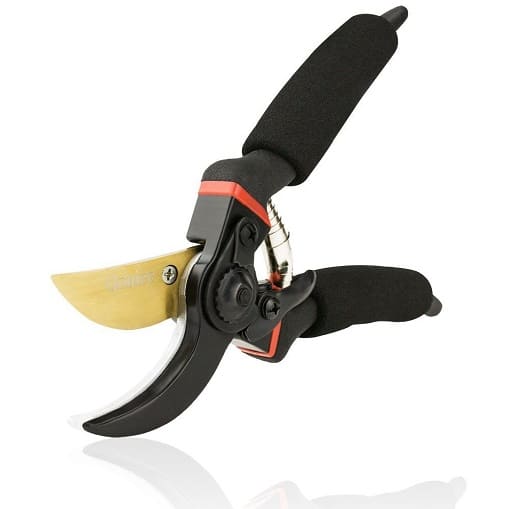
Before embarking on your pruning journey, it’s essential to gather the necessary tools to ensure clean cuts and effective results. Here’s a list of must-have equipment:
Bypass Pruners: These are your primary tool for cutting stems and branches. They work like scissors, providing a clean cut that minimizes damage to the plant.
Loppers: For thicker branches that your pruners can’t handle, loppers offer greater leverage and cutting power.
Pruning Saw: This is handy for larger, older wood that may require more force than regular pruners can manage.
Gloves: Protect your hands from thorns and injuries with a good pair of sturdy gardening gloves.
Disinfectant: Cleaning your tools between cuts with a disinfectant (like rubbing alcohol) prevents the spread of disease from one plant to another.
Armed with these tools, you will be well-prepared to tackle the complexities of pruning roses.
Timing is Everything: When to Prune Roses
Timing can be the difference between a successful prune and a detrimental one. The ideal time for pruning roses generally coincides with your local climate and growing conditions. Most roses benefit from pruning in late winter or early spring, just before they break dormancy and start to leaf out.
A good rule of thumb is to prune after you notice the forsythia bushes in bloom—this signals that it’s time to give your roses some attention. If you reside in a region with mild winters, a later pruning session in early spring may be more beneficial, allowing the plants to take full advantage of the warming temperatures.
Understanding the Type of Rose You Have
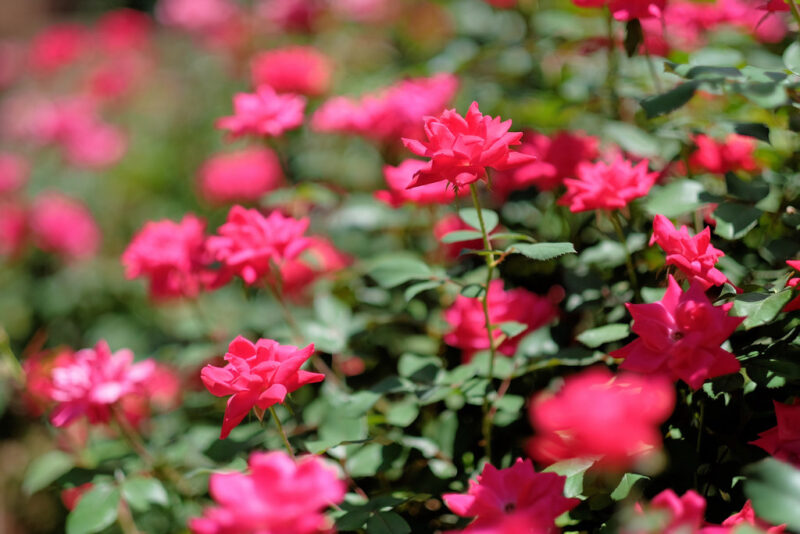
Roses come in a multitude of varieties, each with distinct characteristics, growth patterns, and pruning requirements. To prune wisely, familiarize yourself with the specific type of rose you are tending. For instance:
Hybrid Teas: These are probably the most classic roses. Prune them back to about one-third of their height to encourage new growth and plenty of blooms.
Floribundas: These roses benefit from a light pruning. Focus on removing deadwood and thinning out the plant to encourage sunlight penetration.
Climbing Roses: These require a different approach. After ensuring the main framework is laid out, prune back to flowering shoots to promote blooms, while also guiding the growth along your designated trellis or support.
Understanding these nuances not only helps you achieve spectacular blooms but also fosters a deeper connection with your roses.
The Pruning Process: Step-by-Step
When undertaking the actual process of pruning, it pays to follow a strategic approach. Here’s a detailed breakdown of how to effectively prune your roses:
Step 1: Inspect and Evaluate: Assess the overall health of your rose plant. Identify any dead, damaged, or diseased canes. Look for crossing branches that may hinder growth or air circulation.
Step 2: Remove Dead Wood: Begin by cutting away any dead or dying wood. Signs of dead wood are typically brown and brittle branches that snap easily. Make your cuts at a 45-degree angle, just above the first outward-facing bud.
Step 3: Thin Out the Center: Roses benefit from an open center as it allows for better light penetration and air circulation. Look for canes that cross one another and remove those that detract from the plant’s overall structure. Aim to keep a balanced shape.
Step 4: Shape and Size: Determine how much you’d like to reduce the size of your rose bush. Generally, aim to prune Hybrid Teas back to about 12-18 inches from the ground; Floribundas can remain a little taller, around 18-24 inches. The goal is to create a rounded shape while allowing for room to grow.
Step 5: Final Checks: Step back and admire your work. Ensure balance and proportion in the form before proceeding to clean up. This step is crucial; a little foresight can prevent future mishaps in growth symmetry.
Post-Pruning Care: Nurturing Your Roses Back to Health
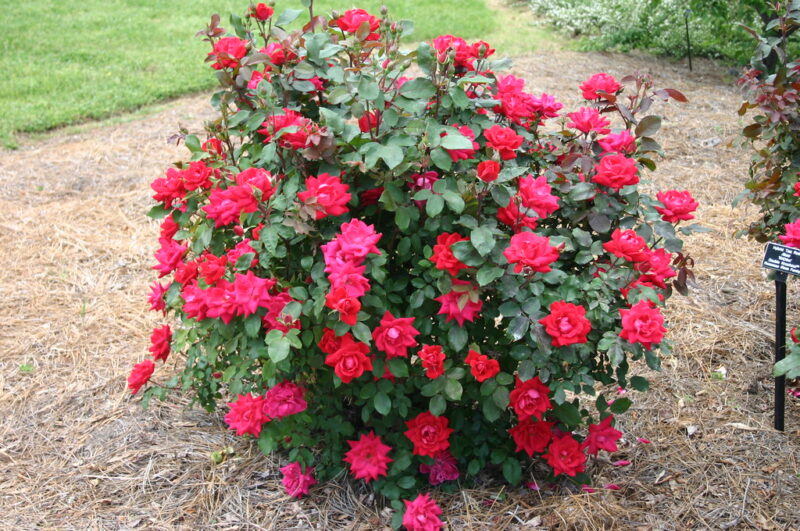
After your roses have been pruned, they need love and care to recover and thrive. First, clear away all clippings to maintain a tidy environment and reduce the risk of disease.
Next, consider mulching around the base of the plant. This serves multiple functions: it helps conserve moisture, regulate soil temperature, and suppress weeds. Utilizing organic material like wood chips, straw, or shredded leaves also enriches the soil as it decompiles.
Water well after your pruning session; a thorough soaking helps to revitalize the plant and stimulate new growth. Fertilizing at this point can also be beneficial, but be cautious—wait a few weeks to avoid shocking the plant unnecessarily.
Troubleshooting Common Issues

Even with the best intentions and techniques, pruning roses can result in unforeseen challenges. Here are a few common issues and how to address them:
Stunted Growth: If your roses don’t seem to thrive after pruning, ensure you have not removed too much wood. Always remember that a certain amount of foliage is needed to support a plant’s energy production through photosynthesis.
Diseases: Fungal issues can arise, especially if cuts were not clean. Ensure you disinfect your tools and make accurate cuts to avoid transmitting diseases.
Pests: After pruning, keep an eye out for pest invasions that might take advantage of the plant’s vulnerability. Regular inspection and treatment can keep these threats at bay.
Inconsistent Blooms: If flowers fail to appear, it may be related to improper timing or technique in pruning. Researching your specific rose variety and adjusting your methods accordingly can help rectify this.
The Joy of Maintenance: Beyond Pruning
Pruning roses is only one aspect of rose care. Continued maintenance post-pruning is essential for ensuring a lush, colorful garden. Regularly check your roses for signs of pests, diseases, or stress.
Watering consistently—preferably in the early morning—promotes not only a healthy root system but helps keep foliage dry, thereby reducing disease risks. Explore organic methods for pest control when necessary, allowing your garden to flourish while being mindful of environmental impacts.
Finally, deadheading spent blooms promotes new growth and flowering. Each cut encourages the plant to invest energy into producing new blooms rather than going to seed.
Inspiring Anecdotes: The Emotional Bond with Roses
Throughout my own journey as a gardener, I’ve discovered something magical about roses. There’s a unique emotional bond that forms when nurturing these delicate blooms. My grandmother, an avid gardener, would hold court in her backyard each spring, imbuing energy into her roses like an artist pouring passion into a canvas. She believed that with patience and love, roses communicated gratitude in return, a notion I now hold dear.
I remember one spring in particular when I was hesitant to prune her beloved climbing roses. They were drooping majestically against the trellis, rear flowers waving like little flags, and I feared that cutting them back might diminish their beauty. However, as I cautiously pruned, my grandmother watched and instructed me, saying, “These blooms grow not in spite of pruning but because of it.” The transformation was remarkable; the following summer erupted in a riot of colors, their vibrancy completely astounding me.
This is the heart of the pruning process: respect for the plant, belief in the journey, and trust that every snip leads toward an abundance that rewards your efforts tenfold.
Celebrating the Results: Your Rose Garden
As you cultivate your roses and reap the fruits of careful pruning, you’ll realize that each bloom is a testament to your attention, skill, and patience. The brighter flowers, stronger stems, and inviting fragrances will draw you—and those around you—closer to nature. Let your garden become a reflection of that patience and craft, inviting joy and peace into your daily life.
Join your local gardening club or community garden to share your successes and trials with others who share the same passion. Strike up conversations about unique pruning techniques or simply revel in the beauty of blooming roses with fellow enthusiasts. Together, we can foster a deeper appreciation for these unmatched gems of nature.
Conclusion: A Blossoming Journey
Understanding how to prune roses goes beyond the practical application of cutting branches; it’s about establishing a relationship with your plants and your space. Each cut you make opens a new chapter in your garden’s narrative, nurturing it with the attention it deserves.
Take pride in your journey as a rose gardener, cultivate your knowledge, and share your zeal with others. Your dedication will not just yield flowers, but friendships, stories, and a profound connection to the beauty enveloping your world. Embrace the rhythm of pruning, and let your roses flourish in all their glory.