

This comprehensive guide is designed to demystify the art of watering orchids, ensuring that your orchids not only survive but truly thrive.
Understanding the Orchid’s Native Habitat
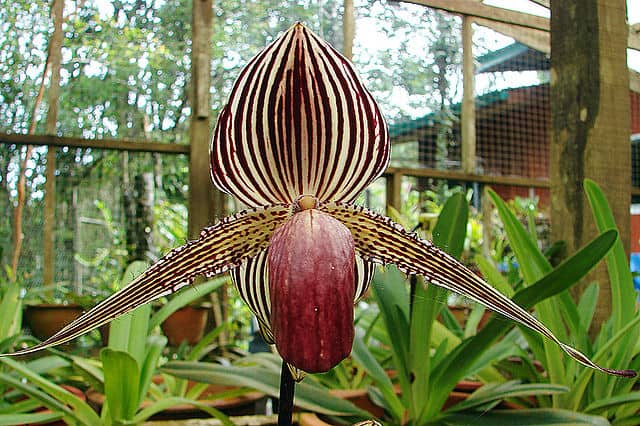
To appreciate how to water orchids, we must first understand where they originate. Most orchids are epiphytes, meaning they grow on trees in their natural habitats rather than in soil. This unique lifestyle significantly influences their watering needs. In the humid, tropical climates where many orchids thrive, water doesn’t just sit around the roots; instead, it drips through their aerial roots. This means watering an orchid involves mimicking its natural conditions as closely as possible.
The Ecological Context
Take, for instance, the Phalaenopsis orchid, one of the most popular varieties among gardeners. In its native habitat of Southeast Asia, this orchid receives rainfall, humidity, and sunlight in specific cycles. As such, gardeners must replicate these cycles, offering sufficient moisture without allowing roots to sit in water, which can lead to rot.
The Significance of Humidity
In their natural environment, orchids are accustomed to high humidity levels. Therefore, understanding humidity is key in the watering process. If you live in a dry climate, increasing humidity around your orchid may be just as critical as how often you water it. Humidity trays, misting, or even using a humidifier can make a significant difference in the health of these beautiful plants.
Identifying the Right Watering Schedule
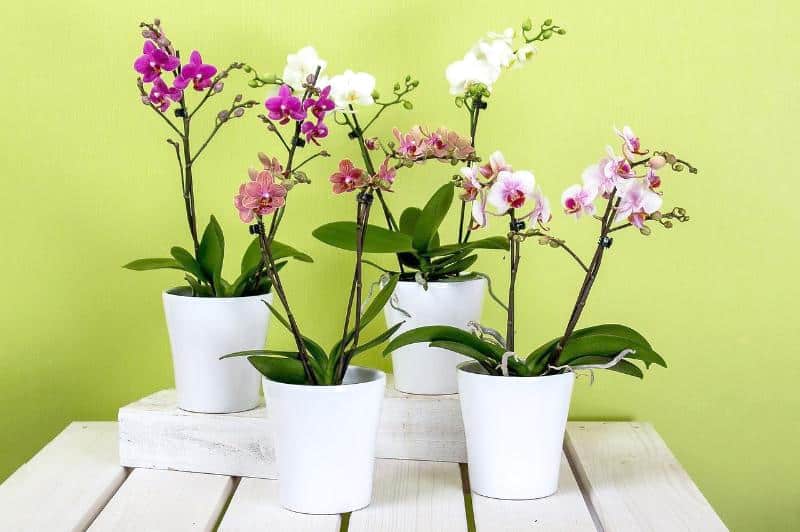
Now that we understand the ecological needs of orchids, the next question arises: how often should we water them? Unlike many plants, which require regular watering schedules, orchids have more nuanced needs based largely on environmental factors.
Factors Influencing Watering Frequency
Several key factors influence how often you should water your orchids:
Type of Orchid: Different species have varying water needs. While Phalaenopsis orchids can thrive on a less frequent watering schedule, others may require more regular hydration.
Growing Medium: The medium in which your orchid is planted plays a critical role in how quickly it dries out. Bark, moss, or a combination can affect moisture retention.
Seasonal Changes: Orchids may require more frequent watering during their active growing season (spring and summer) and less during dormancy (fall and winter).
Environmental Factors: Temperature and humidity levels in your home will drastically affect moisture levels. Warmer, drier air will cause your orchid to dry out faster than in a cooler, humid environment.
The Test for Watering
A practical approach to determine if your orchid needs water is the finger test. Simply stick your finger about an inch into the growing medium. If it feels dry, it’s time to water. If it feels moist, wait a few more days. This simple method takes the guesswork out of watering.
The Proper Watering Technique
When it comes to watering orchids, the technique is as crucial as the schedule. The goal is to provide sufficient moisture while preventing excess water retention. Here’s a detailed step-by-step guide.
Watering Method
Choosing Your Water: Rainwater is often the best choice, as it’s free from the chemicals found in tap water. However, distilled or bottled water can also suffice. If using tap water, let it sit for 24 hours to allow chlorine to evaporate.
Water Temperature: Water your orchids with water that is close to room temperature. Cold water can shock the plant, while very warm water can risk root damage.
Watering Technique:
Place your orchid in the sink.
Slowly pour water over the medium, allowing it to drain through completely. Alternatively, you can submerge the pot in room-temperature water for about 15-20 minutes, which lets the medium soak without causing the roots to sit in water.
Ensure that excess water drains from the pot to prevent root rot.
Observation: After watering, observe the plant closely. Are the leaves plump and vibrant? Are the roots green and healthy? These are indicators of good hydration.
Aftercare
After watering, it’s essential to ensure that the environment remains conducive to orchid growth. Avoid placing them in direct sunlight immediately after watering, as this can cause temperature shocks. Instead, let them sit in indirect light until they dry out slightly.
Signs of Over and Under-Watering
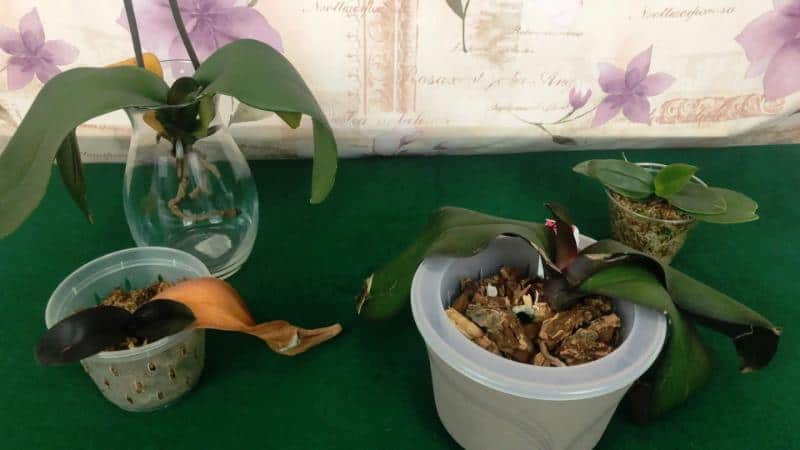
Recognizing the signs of over or under-watering is critical to maintaining healthy orchids.
Over-Watering Symptoms
Yellowing Leaves: This indicates that your roots are likely sitting in water, causing them to rot.
Soft, Mushy Roots: Healthy roots should feel firm and plump. If they are mushy or brown, it’s a sign of root rot.
Blackened Leaves: Dark spots or blackened areas on leaves can indicate deterioration due to excess moisture.
Under-Watering Symptoms
Wrinkled or Dull Leaves: This indicates that the orchid is not receiving enough hydration.
Brown, Crispy Leaf Tips: This can signal an urgent need for water.
Dry Roots: Roots should be greenish or silvery; if they are brown and shriveled, an immediate watering is necessary.
Regular observation will help you learn the specific needs of your orchids over time.
Additional Watering Tips and Tricks
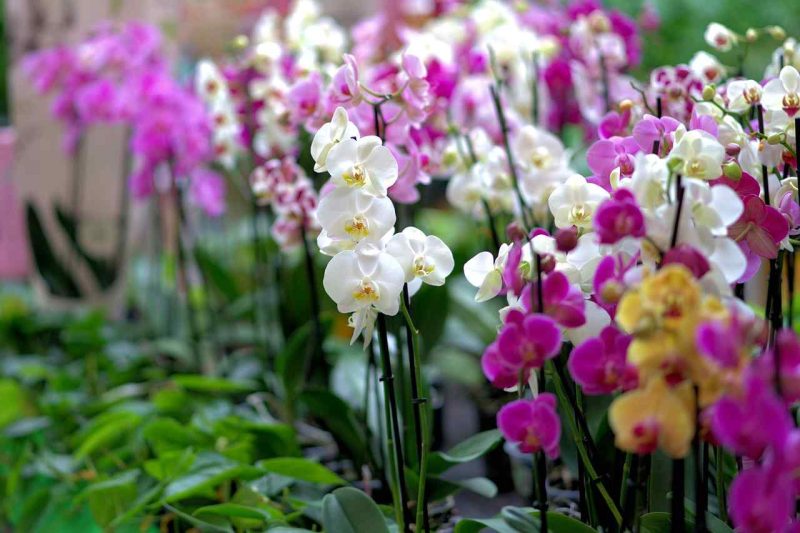
While the basics of orchid watering are critical, some additional tips can enhance your orchid care experience.
Your Orchid’s Pot Choice
Choosing the right pot can significantly influence how well your orchid retains moisture. Ensure that your pot has adequate drainage holes. Ceramic pots are often preferred, as they provide stability and air circulation around the roots.
Watering vs. Mist
While some experienced orchid growers recommend misting, beware. Misting does not replace the need for thorough watering. It can create a humid environment for a brief period but fails to provide the deep hydration that orchids often need.
Adjustments by Season
As mentioned earlier, water less frequently in dormancy (fall and winter). In this period, many orchids will slow their growth, and too much water can be detrimental. In contrast, increase hydration during the growing season when the plant may require more moisture.
Understanding Special Cases: Repotting and Watering Adjustments

Orchids often need to be repotted every couple of years, usually every 1-3 years depending on growth and medium degradation. When you repot, it’s essential to monitor watering closely after the transition.
Newly Repotted Orchids
After repotting an orchid, the growing medium may be more absorbent than you expect. Initially, a newly potted orchid may need less water until it adapts to its new environment.
Seasonal Changes
As seasons shift, so too will watering needs. Monitor your orchid’s response and adjust watering frequency based on temperature and humidity levels.
Troubleshooting Common Watering Problems
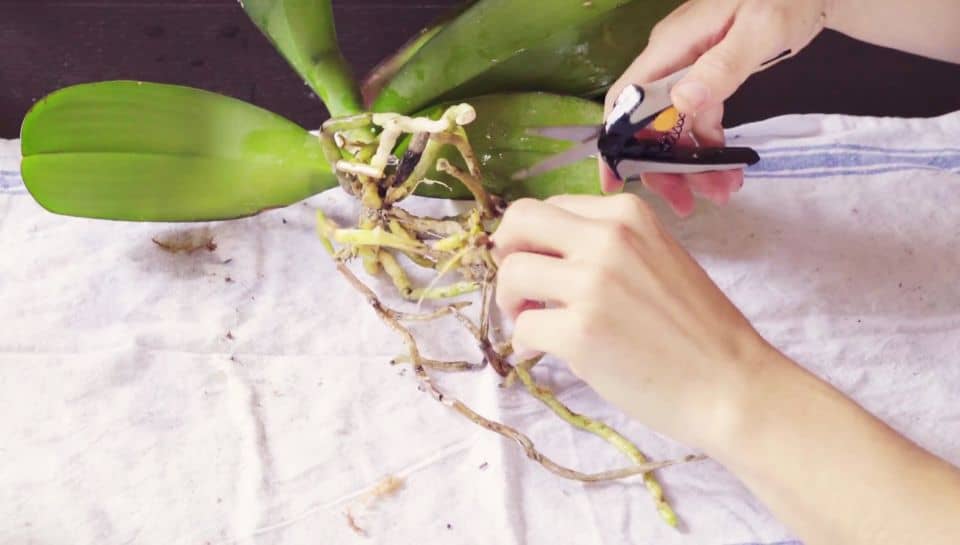
Even with the best intentions, you may encounter issues with your orchids. Here’s how to troubleshoot common watering problems.
Root Rot Resolution
If you suspect root rot, remove the orchid from its pot, and inspect the roots. Healthy roots will be firm and green. Remove any dark or mushy roots and repot in fresh, dry medium. Adjust your watering habits moving forward.
Leaf Issues
If you notice persistent leaf yellowing or browning, evaluate your watering schedule and environmental conditions. Are your lights appropriate? Is there enough humidity?
Pests and Diseases
Over-watered orchids can attract pests like root weevils or fungal infections. Increasing air circulation and optimizing watering schedules will help mitigate such issues.
The Joy of Watering Orchids
While caring for orchids can feel overwhelming, the rewards far outweigh the challenges. There’s something profoundly satisfying about witnessing an orchid bloom, knowing that your care and attention helped it flourish.
A Personal Touch
I remember my first encounter with a Phalaenopsis orchid. Its vivid blooms captivated me, and I was determined to nurture it. However, I struggled with watering initially; it took time for me to learn the ebb and flow of its needs. Each bloom became a symbolic representation of not only my growth as a gardener but also the beauty of patience and care.
Conclusion: Cultivating a Flourishing Orchid Garden
Watering orchids might seem a daunting task, but it’s a skill that develops over time. Each orchid is a unique entity with its own preferences and quirks, offering a delightful challenge to gardeners who seek to provide the best care. By understanding their needs, adjusting your methods, and keeping a vigilant eye on their health, you can create a vibrant, flourishing collection of orchids.