


When the crisp air of autumn rolls in, pumpkins become a common sight, adorning front porches and grocery store shelves. While many associate pumpkins primarily with jack-o’-lanterns and pumpkin spice lattes, the true treasure lies in pumpkin seeds. Also known as pepitas, these little green seeds are nutritional powerhouses packed with health benefits.
In this comprehensive exploration, we will discover the diverse nutritional profile of pumpkin seeds, their history, health benefits, culinary uses, and how to incorporate them into your daily diet. Join me on this journey that celebrates the humble yet remarkable pumpkin seed.
The Nutritional Profile of Pumpkin Seeds
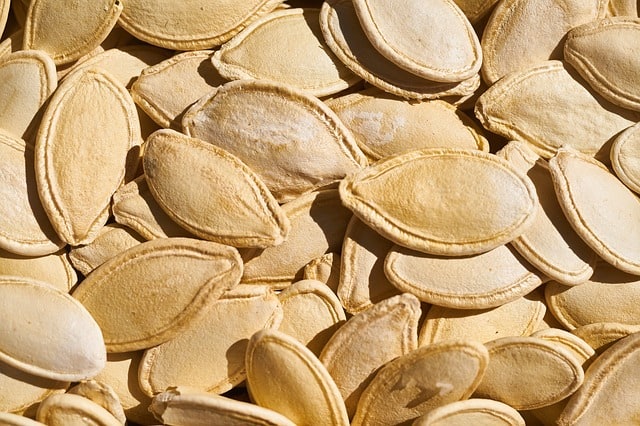
Pumpkin seeds are incredibly rich in nutrients, providing an impressive profile of vitamins and minerals that support a myriad of body functions. These seeds are small but mighty, and it’s essential to recognize their potential as a superfood.
Proteins and Amino Acids: A significant characteristic of pumpkin seeds is their protein content. Just one ounce of roasted pumpkin seeds contains approximately 7 grams of protein. This is significant for a plant-based food source and is particularly valuable for vegetarians and vegans looking to meet their protein needs. Moreover, pumpkin seeds contain essential amino acids—such as tryptophan—which play a crucial role in the synthesis of proteins in the body and contribute to overall health.
Healthful Fats: Not only do pumpkin seeds have a high protein content, but they also boast a healthy fat profile, consisting primarily of unsaturated fats. These healthy fats are beneficial for heart health, helping to lower LDL (bad cholesterol) while supporting the levels of HDL (good cholesterol). Omega-3 and omega-6 fatty acids found in pumpkin seeds are crucial for maintaining good cardiovascular health and overall wellbeing.
Vitamins and Minerals: Pumpkin seeds are a fantastic source of vital minerals including magnesium, phosphorus, potassium, and zinc. For example, magnesium is known for its role in over 300 biochemical reactions in the body, including muscle function and nerve transmission. Zinc is critical for immune function, wound healing, and DNA synthesis. The high phosphorus content in pumpkin seeds supports strong bones and teeth and boosts energy production by converting food into usable energy.
Antioxidants and Phytosterols: Pumpkin seeds also boast an array of antioxidants, including vitamin E and phenolic acids, which help combat oxidative stress and reduce inflammation in the body. Phytosterols present in the seeds contribute to lowering cholesterol levels and improving heart health. Consuming foods rich in these compounds is essential for protecting our bodies from chronic diseases.
Historical Significance and Cultural Perspectives
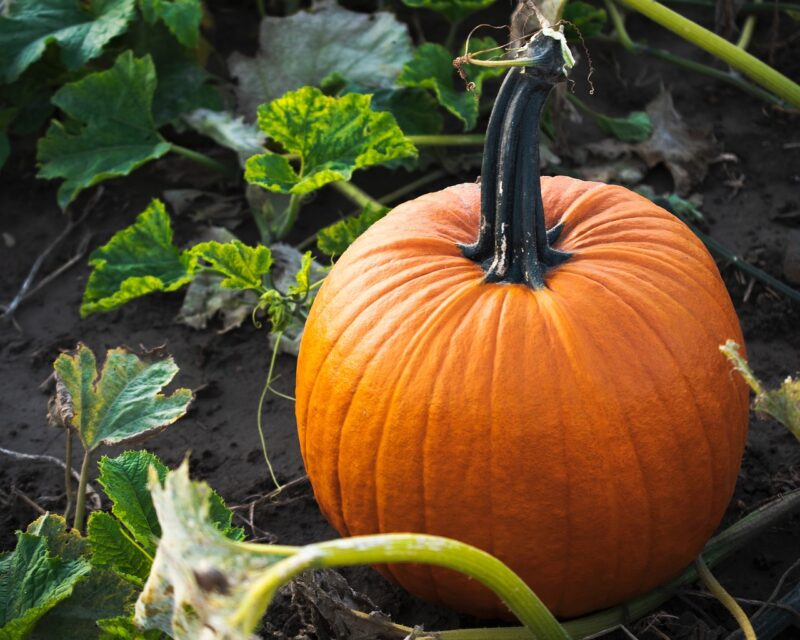
Pumpkin seeds have a long and rich history that traces back to ancient civilizations. Archaeological evidence suggests that the cultivation of the pumpkin—along with its seeds—dates back over 7,500 years to regions in Central America. Indigenous peoples revered the pumpkin and its seeds, using them not only as a food source but also for medicinal purposes.
In cultures around the world, pumpkin seeds are often featured in traditional recipes. For instance, in Mexico, they are ground into a paste called “mole,” adding flavor and richness to various dishes. Similarly, in Eastern European cuisines, they have been used in desserts, salads, and bread. This historical context underscores the widespread appreciation for pumpkin seeds, highlighting their versatility and significance across different cultures.
As global consciousness around health and nutrition has evolved, so has the understanding of pumpkin seeds. Today, they are celebrated not only for their taste but also for their health benefits. The growing trend of incorporating nutrient-dense foods into diets has propelled pumpkin seeds into the spotlight, making them a staple in health food circles.
The Health Benefits of Pumpkin Seeds

The nutritional benefits of pumpkin seeds extend far beyond their composition. Consuming these seeds can have a variety of positive impacts on health and wellness. Here’s a closer look at some compelling health benefits associated with pumpkin seed consumption.
Heart Health: As mentioned earlier, the heart-health benefits of pumpkin seeds cannot be overstated. Their high levels of magnesium contribute to blood pressure regulation, while their healthy fat content, particularly unsaturated fatty acids, helps improve cholesterol levels. Studies have linked pumpkin seed consumption with reduced risk factors for heart disease, making them an excellent addition to a heart-healthy diet.
Improved Sleep Quality: For those struggling with sleep issues, pumpkin seeds might be a natural remedy worth trying. They are a source of tryptophan, an amino acid that aids in the production of melatonin, the hormone responsible for regulating sleep cycles. Snacking on a handful of pumpkin seeds before bedtime could promote relaxation and better sleep quality.
Support for Prostate Health: Men, in particular, might find pumpkin seeds beneficial for prostate health. Research suggests that the phytosterols and zinc in pumpkin seeds play a role in reducing symptoms of benign prostatic hyperplasia (BPH), a condition characterized by an enlarged prostate, which can lead to difficulties in urination. Including pumpkin seeds in the diet may help maintain prostate health and function.
Boosting Immune Function: The immune-boosting properties of pumpkin seeds can be attributed to their impressive vitamin and mineral content, particularly zinc. Zinc is a critical nutrient for immune health, as it supports the development and function of immune cells. Regular consumption of pumpkin seeds may bolster the body’s defenses against common colds and infections.
Anti-Inflammatory Effects: Chronic inflammation is a silent contributor to many health issues, including heart disease, diabetes, and arthritis. The antioxidants found in pumpkin seeds can help mitigate inflammation, offering potential relief for those suffering from inflammatory conditions. Including these seeds in your diet can be an effective way to manage and reduce inflammation.
Culinary Uses of Pumpkin Seeds

Beyond their remarkable health benefits, one of the best aspects of pumpkin seeds is their versatility in the kitchen. Whether you prefer them roasted, salted, or raw, pumpkin seeds can elevate various dishes and snack options.
Snacking: Roasted pumpkin seeds make for a nutritious snack that is satisfying and full of flavor. You can easily prepare them at home by simply tossing them in olive oil, seasoning with salt or spices, and roasting them until crispy. They can also be flavored with herbs, garlic powder, or even sweetened for a delightful treat.
Adding to Salads and Bowls: Sprinkle pumpkin seeds on salads or grain bowls for a delightful crunch and nutrient boost. Their crunchy texture contrasts beautifully with leafy greens, providing not just taste but also added protein and healthy fats.
In Baking: Pumpkin seeds can be incorporated into baked goods, enhancing flavor and nutrition. Add them to muffins, breads, or granola bars for a nutritious twist. Your baked treats will not only taste delicious but also offer substantial health benefits.
Cooking with Soups: Consider adding pumpkin seeds to soups or stews as a garnish. Their nutty flavor can enhance the dish while delivering a nutritious punch. A sprinkling of seeds on top of a creamy, pureed pumpkin soup adds a delightful texture and visual appeal.
Making Pumpkin Seed Butter: For an alternative to traditional nut butters, consider making pumpkin seed butter. Not only is it simple to prepare, but it can also serve as a unique spread on toast or a delicious dip for fruits and vegetables.
How to Incorporate Pumpkin Seeds into Your Diet
Now that you’re convinced of the incredible nutritional benefits of pumpkin seeds, you might be wondering how to incorporate them into your daily routine. Here are practical tips to ensure you enjoy the full range of flavors and health benefits.
Start Your Day Right: Begin your morning by adding pumpkin seeds to your breakfast routine. Whether you sprinkle them on oatmeal, layer them in yogurt, or blend them into smoothies, they can substantially boost your morning meal.
Experiment with Juicing: Add pumpkin seeds to freshly made juices or smoothies for an added nutrient boost. When blended, they enhance the creamy texture while providing a filling component to your drink.
Plan Ahead with Trail Mix: Prepare a homemade trail mix combining pumpkin seeds with dried fruits, nuts, and dark chocolate chips. This nutritious mix serves as an excellent on-the-go snack, providing energy and satiety.
Get Creative with Dishes: Don’t shy away from substituting pumpkin seeds in recipes that call for other seeds or nuts. They can replace sunflower seeds in salads or nuts in granola bars, diversifying the flavors in your dishes while still delivering ample nutrition.
Join the Snack Revolution: Pumpkin seeds can also be made into crackers or energy bites. Explore various recipes that include pumpkin seeds as a primary ingredient to create unique snacks that align with your dietary preferences.
Conclusion
In summary, the nutritional benefits of pumpkin seeds are profound and multifaceted. From their rich compositional profile filled with proteins, healthy fats, vitamins, and minerals to their versatile nature in culinary applications, pumpkin seeds stand out as an exceptional food source. Historically cherished and culturally significant, pumpkin seeds serve not only as a delectable treat but also as a means to support overall health and wellbeing.