
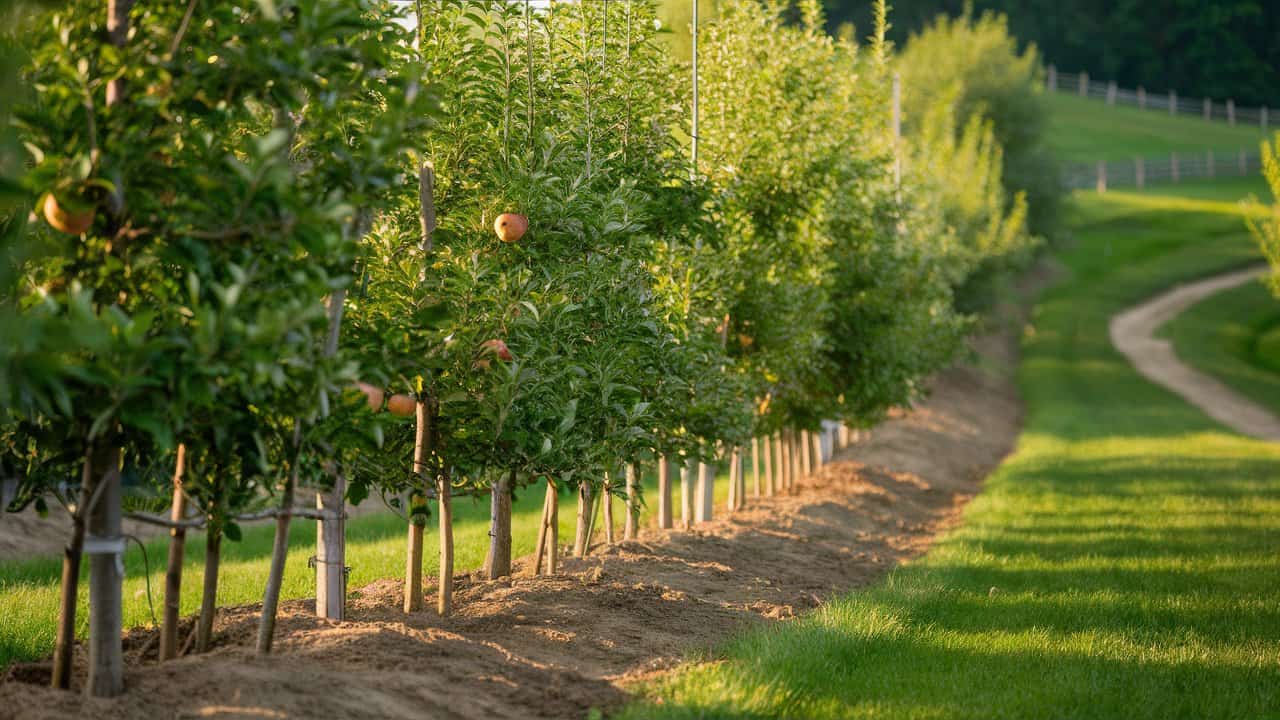
Pruning apple trees is an art and a science, blending practical horticultural techniques with an appreciation for aesthetics and tree health. With the right approach, gardeners can enhance fruit production, improve tree structure, and ensure longevity in their beloved fruit-bearing companions.
In this comprehensive guide, we will explore the various dimensions of pruning apple trees, delving into techniques, timing, tools, and much more.
Understanding the Basics of Pruning
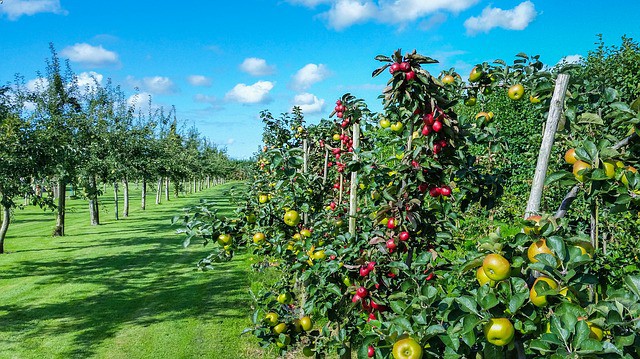
Before diving into the specifics of apple tree pruning, it’s essential to grasp why pruning is critical. At its core, pruning is about creating a robust structure while promoting healthy growth. When an apple tree is pruned, several outcomes are sought: improved air circulation, enhanced sunlight penetration, increased fruit yield, and prevention of disease.
In essence, pruning is a method of controlling the growth patterns of apple trees. Trees possess a natural inclination to spread out their branches; without intervention, this growth can become chaotic, leading to tangled limbs and poor fruit quality. Imagine a once glorious apple tree, now burdened by excessive growth—its branches competing for sunlight, resulting in weak fruits and unhealthy foliage. This is where thoughtful pruning comes into play.
The Right Time for Pruning
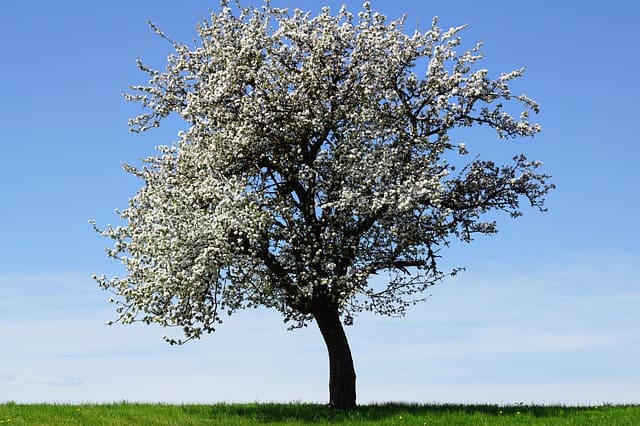
Timing is a crucial element of effective apple tree pruning. The best time to prune apple trees is during the dormancy phase, typically late winter or early spring, just before the tree begins to bud. This timing allows gardeners to assess the tree’s structure without the distraction of foliage. During this dormant period, the sap is low, minimizing stress on the tree.
However, specific varieties may have unique pruning needs or timing preferences. For instance, early-flowering varieties are usually pruned after they bloom to avoid disrupting their flowering cycle. On the other hand, late-flowering varieties benefit from the dormant winter pruning. Understanding the flowering habits of your specific apple tree is vital to achieving optimal results.
Tools of the Trade
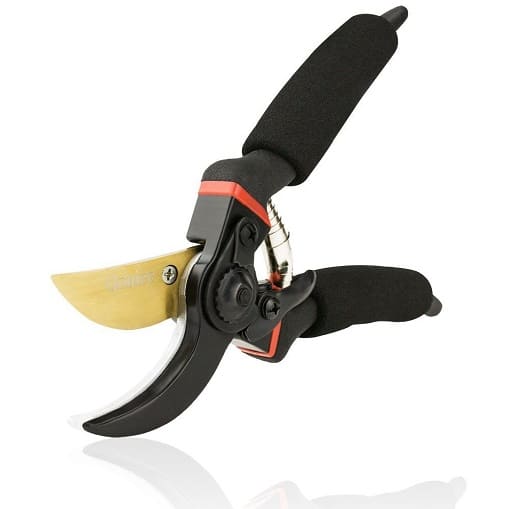
Equipping yourself with the right tools is essential for successful pruning. Here are some fundamental instruments you’ll need:
Pruning Shears: Ideal for cutting small branches, pruning shears should be sharp and comfortable. Bypass pruners are recommended since they provide a clean cut.
Loppers: For larger branches, loppers deliver greater leverage and are perfect for reaching higher areas without straining.
Pruning Saw: For particularly thick branches that cannot be cut with shears or loppers, a pruning saw—specifically a folding or curved blade—is necessary for effective cutting.
Hand Saw: This tool is useful but should be reserved for heavier-duty cuts when needed.
Tree Trimming Set: Depending on the height of your apple tree, a tree trimming set that includes a pole saw or saw on a pole might come in handy.
Having these tools in good working condition will make your pruning endeavors much more efficient and enjoyable.
Understanding the Anatomy of an Apple Tree
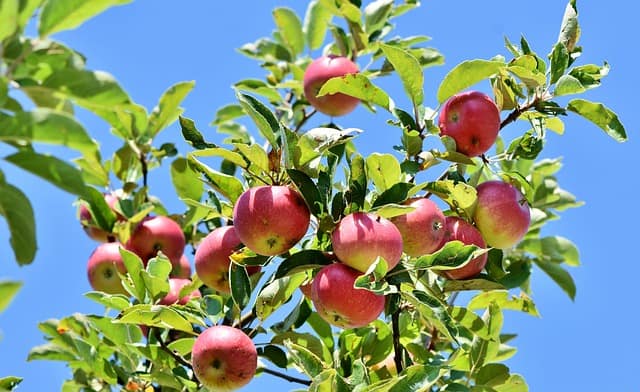
To prune effectively, a gardener should comprehend the basic anatomy of an apple tree. The tree structure consists mainly of the trunk, scaffold branches, and lateral branches. The trunk serves as the backbone, leading to lateral branches that extend outward and upward. These scaffold branches form the main structure of the tree and are crucial for healthy fruit production.
When pruning, the aim should be to maintain a central leader—that is, the main vertical trunk—while promoting lateral branch growth. In essence, your pruning should focus on creating an open canopy to allow for sunlight penetration and air circulation. Keeping this structural integrity in mind will guide your pruning decisions.
The Three Types of Pruning Cuts
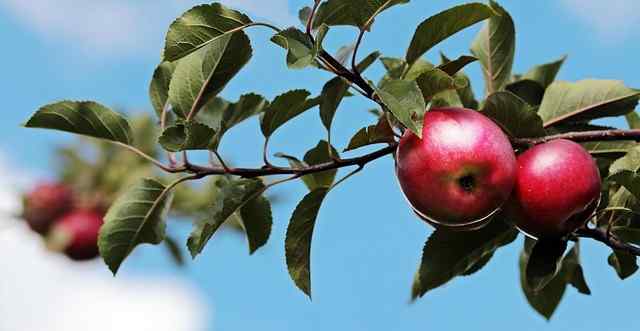
In the pruning process, there are three main types of cuts gardeners can make:
Heading Cuts: These involve cutting back a stem or branch to a bud. Heading cuts encourage bushier growth and are usually employed when shaping the tree.
Thinning Cuts: Thinning is the removal of an entire branch back to another branch or the trunk. This technique opens up the canopy, allowing more sunlight and air to reach the inner portions of the tree, fostering healthier growth.
Reduction Cuts: These are designed to reduce the height or spread of a tree, focusing on trimming back just a portion of a branch to an appropriate lateral branch. This type of cut maintains the overall shape of the tree while minimizing excess growth.
Each cut serves a distinct purpose and should be applied thoughtfully during the pruning process. Understanding these cuts allows you to tailor your approach according to the tree’s needs.
How to Prune an Apple Tree Step-By-Step
Pruning may sound intimidating, but breaking it down into a systematic process can simplify the task significantly. Here’s a step-by-step guide to pruning an apple tree effectively.
Step 1: Assess the Tree
Start by evaluating the apple tree you’re about to prune. Look for any dead, diseased, or damaged branches and take note of how the tree is shaped. Are there areas that appear overly crowded? Gaining this awareness sets the foundation for your pruning strategy.
Step 2: Remove Dead and Diseased Wood
Using your pruning shears, begin by cutting away any dead or diseased wood. This initial action prevents disease from spreading and strengthens the tree’s overall health. Look for branches that appear brittle, discolored, or show signs of rot.
Step 3: Focus on the Structure
Next, address the tree’s structure. This involves identifying the primary scaffold branches and ensuring they are well-placed. Remove any branches that compete significantly with other main limbs, aiming for roughly five to seven primary scaffold branches spaced well apart.
Step 4: Thin Out the Canopy
Thinning out the canopy is essential for promoting air circulation and light penetration. Remove inward-growing branches that crowd the center of the tree. Aim for an open center that resembles a vase shape. This allows sunlight to reach the leaves, which is vital for photosynthesis and overall fruit production.
Step 5: Shorten Long Branches
After thinning, assess the remaining long branches. Cut them back to a lateral branch that is at least one-third the diameter of the branch being removed. This encourages new growth and maintains a stable structure.
Step 6: Clean Up
After satisfying your pruning instincts, take a moment to clean up. Collect any trimmings and dispose of them properly. Leaving dead wood on the ground can attract pests and diseases.
Step 7: Step Back and Reflect
Finally, take a step back and evaluate the overall structure of the tree. Ensure it maintains a balanced appearance and appears approachable for growth in the upcoming season.
Common Pruning Mistakes to Avoid
Even seasoned gardeners can fall prey to common pruning pitfalls. Here are several mistakes to steer clear of:
Over-Pruning: One of the most frequent errors is removing too much wood all at once. It’s essential to remember that trees need foliage for energy. Pruning should be a gradual process to prevent undue stress on the tree.
Neglecting Shape: Pruning should focus not just on health but also on aesthetics. Maintain a pleasing shape while ensuring good growth.
Ignoring Tools: Pruning with dull or dirty tools can result in jagged cuts that invite disease. Always ensure your tools are sharp and sanitized.
Pruning at the Wrong Time: As previously mentioned, timing is vital. Pruning during active growth in summer can harm the tree.
The Role of Training in Pruning
Training goes hand-in-hand with pruning. While pruning focuses on removing wood, training involves guiding the growth of branches. Techniques such as tying down branches or using a trellis can promote a more favorable shape and improve fruit yield.
Early training—during a tree’s formative years—can establish a healthy structure that requires less intensive pruning later. Gardeners often use methods like the central leader system, where a dominant main branch is promoted, allowing subordinate shoots to grow outwards.
The importance of training should not be underestimated. It sets up the framework for the future, ensuring that the tree grows into a strong-limbed producer rather than a tangled mess.
Beyond Pruning: Post-Pruning Care
Once the pruning is complete, it’s into the care of the tree. Post-pruning care can have a significant influence on the tree’s recovery and growth. Here are some essential post-pruning tips:
Watering: Ensure your tree gets sufficient hydration, especially during dry spells. Newly pruned trees may need extra water to support fresh growth.
Mulching: Adding a layer of mulch can help retain soil moisture, regulate temperature, and prevent weed competition.
Fertilizing: After pruning, apply a balanced fertilizer to encourage new growth. Consult a local extension office for specific recommendations depending on your soil’s nutrient content.
Monitoring for Pests: Pruned trees are often vulnerable to pests. Regularly inspect the tree for signs of insect activity or disease outbreaks.
Observing and Adapting to Your Tree’s Needs
Each apple tree is unique, and its needs will evolve over time. An essential skill for any gardener is observation—attending to subtle changes in growth, fruiting patterns, and health. Cultivating this awareness can help you adapt your pruning techniques as the tree matures.
For instance, younger trees may need more aggressive shaping, while older trees might only require maintenance pruning. Seasonal changes can also dictate when and how you prune. Is the tree producing fewer fruits? Are branches crossing one another? Responding promptly to these signs can influence your pruning decisions significantly.
The Emotional Connection to Apple Trees
For many, apple trees represent much more than just horticulture—they are tied to memories, familial connections, and seasonal traditions. Whether it’s the excitement of the first blossom in spring or the joy of harvesting ripe apples in autumn, the emotional weight of growing apple trees makes the effort worthwhile.
Pruning, in its way, becomes a ritual that connects us to our trees. The act of caring for these living beings instills a sense of stewardship—a commitment to cultivating their health and productivity. As you prune, take a moment to reflect on the stories your apple tree might tell—from the first fruit it ever bore to the shade it provides during summer picnics.
Environmental Considerations in Pruning
Pruning is not merely a matter of aesthetics and productivity; it is also a crucial element in supporting broader environmental goals. An appropriately pruned apple tree can contribute to biodiversity by fostering healthier ecosystems. Trees provide habitats for various organisms, from birds that eat insects to pollinators essential for fruit production.
Additionally, learning about native pests and diseases prevalent in your area can influence your pruning strategies. By making environmentally conscious decisions, you can play a role in preserving local ecosystems while encouraging fruitful apple tree cultivation.
Conclusion
Pruning apple trees is an enriching venture that not only contributes to the fruit harvest but also enhances personal connections with nature. As you embark on your pruning journey, remember that it’s a learning process—one that can lead to beautiful results with patience and care.