

Roses have long been cherished as symbols of love, beauty, and passion. Whether in a vase or adorning a garden, their fragrant blossoms and stunning colors evoke emotions that resonate with many. If you’re considering growing roses, you’re in for a rewarding experience.
This guide will uncover the art and science of cultivating these timeless flowers. From selecting the perfect variety to nurturing your plants, we’ll cover all aspects of rose cultivation.
Understanding Roses: A Botanic Overview

Roses belong to the genus Rosa, which includes over 300 species and thousands of cultivars. They can be classified into several categories, including hybrid teas, floribundas, grandifloras, climbers, and shrub roses. Each category has its unique characteristics, blooms, and care requirements.
For instance, hybrid tea roses are renowned for their long-stemmed blooms, making them popular for cut flower arrangements. In contrast, climbing roses can scale trellises or fences, adding verticality to your landscape. Understanding these classifications will help you choose the right type for your garden and aesthetic preferences.
The Role of Climate in Rose Growth
Roses thrive in various climates, but they generally prefer temperate conditions. Understanding your USDA Hardiness Zone can greatly influence your choice of rose varieties and planting strategies.
In cooler areas, consider cold-resistant varieties, while subtropical regions can accommodate tender types that require more warmth. Microclimates, or localized climatic conditions, can also impact how your roses grow. A rose planted against a sunny wall might flourish far better than one in an open, windy area. Pay attention to these subtleties to guide your rose-growing journey.
Selecting the Right Variety for Your Garden

When embarking on the adventure of growing roses, selecting the right variety is paramount to your success. Spend time contemplating the aesthetics you desire, the care you’re willing to provide, and the specific conditions of your garden. Here’s a closer look at a few popular options:
Hybrid Tea Roses: These are ideal for formal gardens. With their elegant, large blooms, often on long stems, they are perfect for bouquets. However, they require consistent care and protection from pests.
Floribunda Roses: A cross between hybrid tea roses and polyantha roses, floribundas make excellent choices for mass plantings. Their abundant flowering and sturdy growth make them a favorite among gardeners.
Climbing Roses: These versatile varieties can train on trellises, fences, or arbors, providing an enchanting focal point in any garden design. They often bloom repeatedly, adding layers of color throughout the growing season.
Shrub Roses: Known for their hardiness, shrub roses are perfect for low-maintenance landscapes. They can withstand various weather conditions and pests, making them ideal for novice gardeners.
Exploring a local nursery or a rose garden can help you identify which varieties capture your interest. Consider participating in rose-growing communities, online forums, or social media groups to gather more insights and recommendations from fellow enthusiasts.
Preparing the Soil: The Foundation for Healthy Growth

The successful cultivation of roses hinges on one crucial factor: soil quality. Healthy soil provides essential nutrients and supports healthy root development. When preparing the soil, consider these steps:
Testing Soil pH
Roses prefer slightly acidic to neutral soil (pH 6.0-6.8). Conduct a soil test to determine your soil’s pH levels. Kits are available at garden centers or through local agricultural extensions. If your soil is too acidic, lime can help raise the pH, while sulfur can lower it if it’s too alkaline.
Improving Soil Drainage
Roses require well-draining soil to prevent root rot. If your garden soil tends to be heavy clay or too sandy, amend it with organic matter like compost or well-rotted manure. This not only enhances drainage but also enriches the soil with vital nutrients.
Adding Nutrients
Incorporate a balanced fertilizer, such as one with equal parts nitrogen, phosphorus, and potassium (N-P-K), during the preparation phase. This will provide your roses with the essential elements they need to thrive. Additionally, a slow-release fertilizer can offer long-term sustenance as your plants grow.
Planting Roses: Timing and Techniques

Once you’ve selected your varieties and prepared the soil, it’s time to plant your roses. The best time to plant varies based on your climate; however, early spring or fall are generally ideal.
Choosing the Right Location
Roses generally prefer full sun, requiring at least six hours of direct sunlight daily. When selecting a planting spot, consider the amount of shade during different times of the day throughout the growing season.
Spacing Your Plants
Depending on the variety you choose, spacing will differ. Generally, hybrid teas should be spaced about 18-24 inches apart, while floribundas can be closer, around 12-18 inches. Be mindful of airflow between plants to prevent disease and ensure healthy growth.
Planting Techniques
When planting, dig a hole approximately twice the width of the root ball but no deeper than the root structure itself. Remove the rose from its container gently, avoiding damage to the roots. Place it in the hole, ensuring the graft union (the swollen area where the plant was grafted) is level with the soil surface.
Fill in around the roots with soil, tamping it down gently to eliminate air pockets. Water the newly planted rose thoroughly to encourage root settling and establishment.
Watering: The Elixir of Life

Watering is arguably one of the most critical aspects of rose care. Roses require consistent moisture, particularly during dry spells, to flourish.
Understanding Watering Needs
The frequency and amount of water depend on various factors, including climate, soil type, and plant age. A newly planted rose will need more frequent watering until its roots establish. As a rule of thumb, giving them deep, thorough watering once or twice a week is ideal.
Techniques for Effective Watering
To achieve deep root penetration, water roses at the base, avoiding overhead watering that can promote fungal diseases. Utilize a soaker hose or drip irrigation system for efficiency, particularly in hotter climates.
Signs of Under and Overwatering
Learn to recognize the signs that your roses exhibit. Wilting leaves can indicate underwatering, while yellowing leaves and root rot often signal overwatering. Regular monitoring and adjusting based on the plant’s needs will ensure robust growth.
Fertilizing Roses: Nurturing Growth

A proper fertilization schedule is crucial for the health and blooming of your roses. Roses are heavy feeders, requiring a balanced supply of nutrients throughout the growing season.
Choosing the Right Fertilizer
Organic fertilizers such as compost, fish emulsion, or bone meal provide gradual nourishment. Chemical fertilizers, however, deliver immediate results and often include specific formulations for roses.
Fertilization Schedule
Begin fertilizing roses in early spring as they awaken from dormancy. A balanced N-P-K fertilizer applied every 4-6 weeks through the growing season typically promotes healthy growth. Reduce feeding in late summer to allow the plants to prepare for winter.
Avoiding Over-Fertilization
While roses love nutrients, be careful not to overdo it. Excessive fertilization can lead to lush foliage at the expense of blooms, as well as increased susceptibility to pests and diseases. Follow package instructions or consult with knowledgeable local gardeners to find the right balance.
Pruning Roses: Shaping Beauty

Pruning is often viewed with trepidation; however, it is an essential practice in rose cultivation. This process not only shapes the plant but also encourages robust growth and a more abundant bloom.
When to Prune
The timing of pruning is crucial. Typically, late winter to early spring (before new growth begins) is ideal for most rose types. Timing will also depend on your local climate; for instance, those in warmer areas may find a late winter pruning beneficial.
Proper Pruning Techniques
Using clean, sharp pruning shears, begin by removing dead or diseased wood, cutting back to healthy tissue. Aim for outward-facing buds to maintain an open center, which improves air circulation.
For hybrid teas, prune to about one-third of their height, while shrub roses can be pruned more lightly, removing only the oldest wood. Research your specific varieties for the best practices.
Post-Pruning Care
After pruning, apply a balanced fertilizer to provide plants with the nutrients they need to bounce back from the process. Ensuring proper watering during the following weeks will also promote healthy new growth.
Pest and Disease Management: Protecting Your Roses
Roses can be susceptible to various pests and diseases, but with proactive measures, you can keep your plants healthy and vibrant.
Common Pests
Aphids: These small insects can cluster on tender growth and suck sap. Check for them regularly and use insecticidal soap or neem oil if necessary.
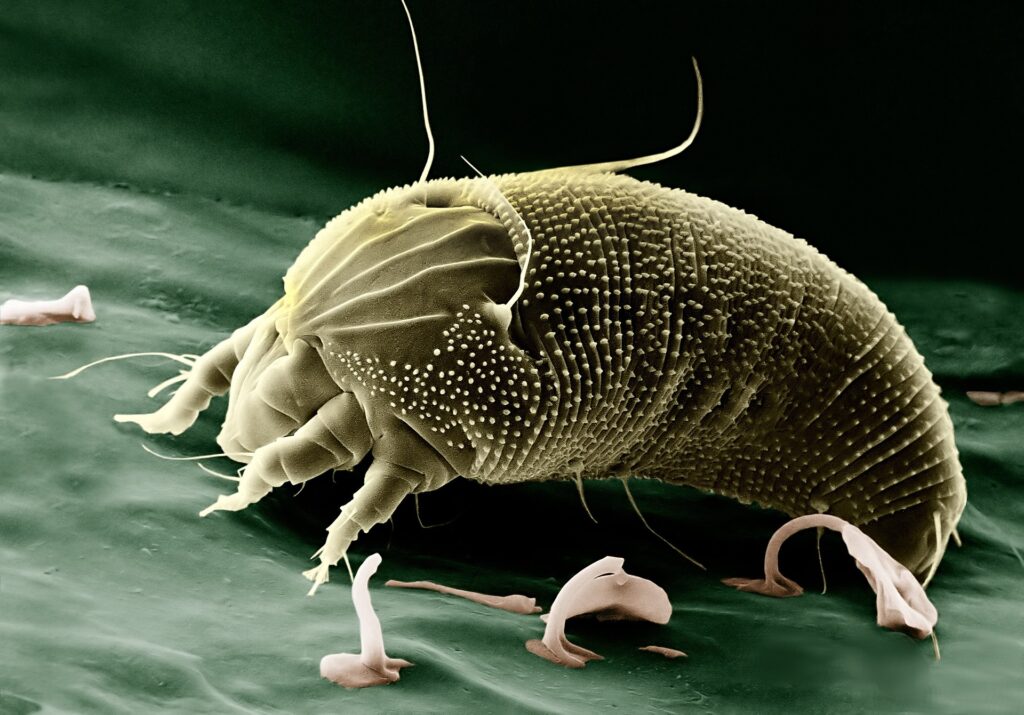
Spider Mites: Signs of a spider mite infestation include yellowing leaves and webbing. Increase humidity around your plants and create a spraying routine to control their population.
Japanese Beetles: These iconic pests feast on rose petals. Handpicking or utilizing traps can be effective; introducing beneficial nematodes to your soil can also help.
Common Diseases
Powdery Mildew: A fungal disease that appears as a white dust on leaves. Ensure good airflow and avoid overcrowding your plants to minimize the risk.
Black Spot: This common rose disease presents as black spots on leaves, leading to eventual wilting. Regular pruning, proper spacing, and applying fungicidal treatments can aid in prevention.
Integrated Pest Management (IPM)
Embrace an IPM approach by combining chemical and biological strategies for pest management. Regular inspections, using natural predatory insects, and maintaining healthy plant practices can promote a sustainable and balanced approach to keeping your roses free of pests and diseases.
Winter Care: Preparing Roses for Dormancy

As the seasons change, preparing your roses for winter is crucial to ensure their survival through the cold months.
Mulching
Apply a thick layer of mulch (around 3-4 inches) around the base of the plants after the first frost. This protects the roots from freezing temperatures and maintains a more stable soil temperature.
Pruning for Winter
Prune as necessary, but avoid heavy pruning before winter. A light touch will allow the plants to conserve energy while maintaining structure through the colder months.
Covering and Protecting
In harsher climates, consider covering the base of your rose bushes with burlap or a protective plant cover, particularly for tender varieties. A well-draining soil and humidity management will also contribute to winter resilience.
The Joy of Bloom: Enjoying Your Roses
After months of attentive care, the reward is in the bloom. Witnessing your roses flourish after dedicating yourself to the entire process is one of the most satisfying experiences a gardener can have.
Cutting Roses for Bouquets
Once your roses begin to bloom, they can be cut for arrangements. Always cut in the early morning or late evening when it’s cooler. Choose stems with just opening blooms, and cut at an angle to maximize water uptake.
Sharing the Love
Roses bring joy not only to yourself but can also be a wonderful gift for friends and family. Sharing cuttings or starting a rose exchange group in your neighborhood can enhance your gardening community and spread the love of roses even further.
Conclusion: Growing Roses is a Journey
To grow roses is to engage in a beautiful and fulfilling journey of cultivation and care. Whether you’re drawn by the elegant blooms or the nurturing experience, cultivating these majestic flowers can enrich your life.