

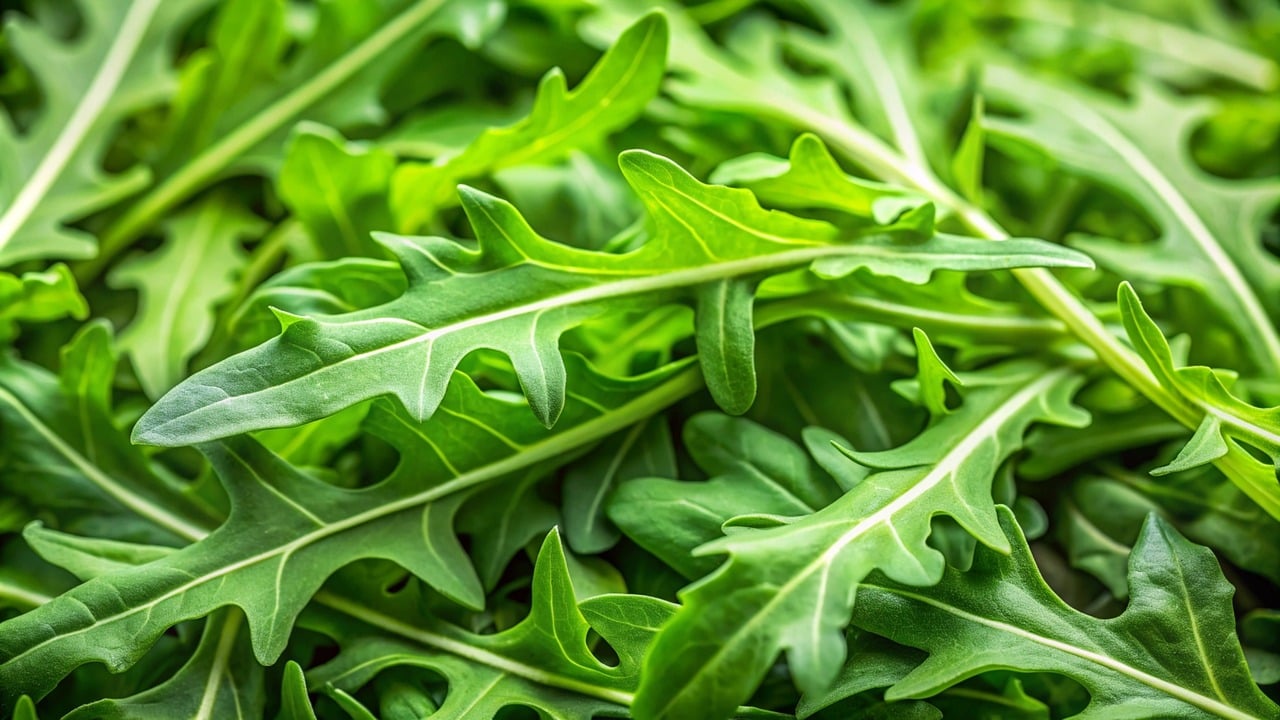
This guide will dig deeply the world of arugula—its history, growing conditions, cultivation techniques, and culinary uses—allowing you to cultivate a thriving crop right in your backyard. Whether you’re a seasoned gardener or a curious beginner, our journey into the intricacies of growing arugula promises to be both enlightening and inspiring.
Understanding Arugula: The Basics
Arugula is a leafy green from the Brassicaceae family, which includes other popular vegetables like kale and broccoli. Traditionally used in Mediterranean cuisine, it boasts a history that dates back to Roman times, when it was not only consumed but valued for its medicinal properties. The plant can flourish in a range of conditions; however, understanding its specific needs is crucial for successful cultivation.
Arugula is typically seen as an annual herb, but in some climates, it can behave as a biennial, reseeding itself. The leaves can vary significantly—some types exhibit a smooth surface, while others have pronounced lobes. The flavor profile of arugula is what truly sets it apart; it’s characterized by a slight bitterness with a tangy, mustard-like kick.
Varieties of Arugula
When exploring how to grow arugula, it’s important to note that there are several varieties, each with distinct characteristics:
Wild Arugula (Diplotaxis tenuifolia): This variety has a more pungent flavor and a slightly different leaf shape. It’s often favored for its rough texture and can be a bold addition to salads and garnishes.
Garden Arugula (Eruca sativa): This is the more commonly cultivated variety. It has a milder flavor and is the type most often found in grocery stores.
Apollo and Astro: These hybrids are bred for specific traits like fast growth and disease resistance. They’re ideal for gardeners looking for high-yield varieties.
Selecting the right type is the first step in successfully growing arugula. Consider your project goals, such as whether you’re growing for personal use or looking to sell at a local market.
Preparing for Planting

Before any seeds touch the soil, preparation is paramount. Understanding the growing conditions and preparing your garden space will pave the way for a flourishing crop.
Location and Soil Requirements
Arugula thrives in a sunny, well-drained location. Aim for at least six hours of sunlight per day, which helps to develop robust flavors in the leaves. However, be cautious of extreme heat; in warmer regions, partial shade during hot afternoons may protect your plants from wilting and bolting (going to seed prematurely).
Soil quality cannot be overlooked. Aim for nutrient-rich, loamy soil with a pH between 6.0 and 7.0. Consider conducting a soil test to determine any deficiencies. Adding organic matter, such as compost or well-rotted manure, enhances both the nutrient content and the soil structure.
Seed Selection
Choosing high-quality seeds from reputable sources is fundamental for success. Look for organic seeds if you are aiming for a more natural approach. Many gardeners find success with local seed suppliers, as these varieties may be well-suited to your regional climate.
Opt for fresh seeds, as older seeds may have reduced germination rates. Seeds should be stored in a cool, dry place and used within a couple of years for optimal results.
Planting Arugula
With the groundwork laid, it’s time to get your hands dirty. Planting arugula can be one of the most rewarding experiences in gardening, as it germinates quickly and grows rapidly.
Sowing Seeds
You can begin sowing seeds directly in the soil as soon as the last frost has passed in spring. For many, this means starting in early March or April, but timing can vary widely based on your geographic location. If you’re in a warm climate, consider a fall crop instead, as arugula can tolerate cooler temperatures and will thrive again once the summer heat diminishes.
Sow seeds about ½ inch deep, spacing them roughly 1 inch apart. Rows should be about 12 to 24 inches apart to allow for easy access and air circulation. If you prefer a more formal bed layout, consider using raised beds or containers, which allows for better control over the growing environment.
Watering Techniques
Initially, keep the soil moist to encourage seed germination, which typically occurs within 5 to 10 days. After it sprouts, arugula enjoys consistent moisture but be cautious about overwatering. Well-draining soil is key; soggy roots can lead to problems such as root rot.
Water in the early morning or late afternoon to minimize evaporation. When watering, aim for the soil rather than the leaves to prevent fungal diseases. Mulching can also be beneficial, as it helps retain soil moisture and suppress weeds that compete for nutrients.
Care and Maintenance
Once you see those vibrant green leaves peeking through the soil, a new chapter begins: caring for your young arugula plants.
Thinning and Spacing
As your arugula grows, it’s essential to thin the seedlings to prevent overcrowding. Ideally, maintain a spacing of about 6 inches between plants. Thinning can feel daunting, as you’ll need to snip off some healthy little greens, but this step is vital to ensure the remaining plants receive adequate sunlight and nutrients.
Use scissors or garden shears to clip the seedlings at the base; pulling them can disturb nearby roots and impede growth. The thinned seedlings can be enjoyed in salads, minimising waste.
Fertilizing
During the early growth stage, your arugula will benefit from regular feeding. A balanced, all-purpose fertilizer—ideally organic—can boost growth. Look for products with a balanced nutrient profile, such as a 10-10-10 mix, or consider natural options like fish emulsion or seaweed extract.
Fertilizing should be done according to the package instructions, typically every 4 to 6 weeks during the growing season. Take care not to over-fertilize, as this can lead to lush foliage with diminished flavor and may even cause the plants to bolt prematurely.
Pest and Disease Management
As any gardener can attest, managing pests and diseases is an ongoing task. Arugula is prone to certain pests like aphids, flea beetles, and caterpillars. Monitoring your plants regularly and employing organic pest control methods can make a significant difference.
Companion planting can be beneficial; consider planting arugula alongside marigolds or garlic to deter pests. Additionally, maintaining air circulation through proper spacing can help prevent fungal diseases like downy mildew.
Regularly check the undersides of leaves for pests, and if necessary, use insecticidal soap or neem oil as a treatment. Always follow label directions for any product you choose, and consider the impact on beneficial insects in your garden.
Harvesting Arugula
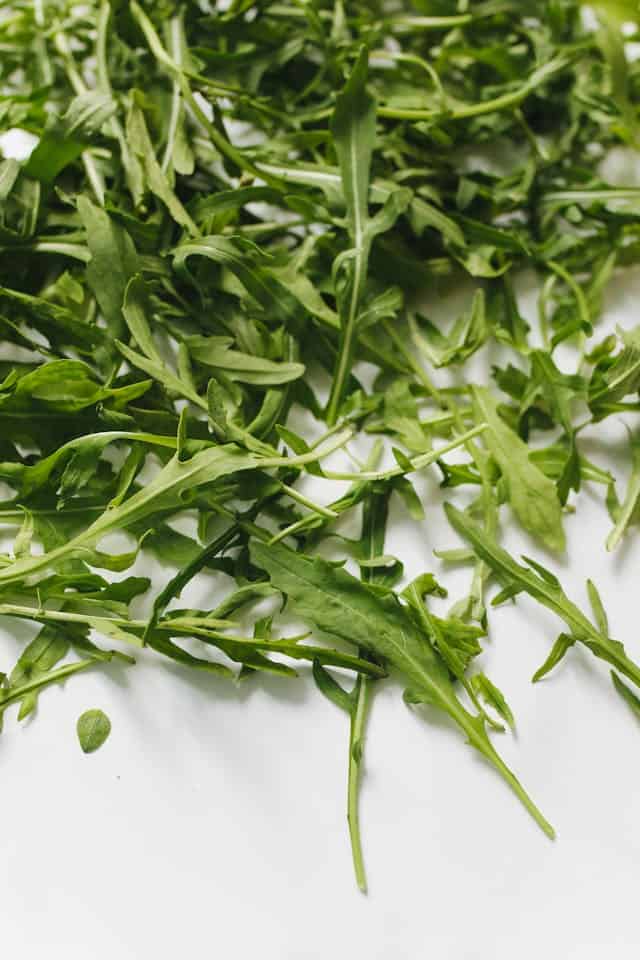
One of the most rewarding aspects of growing arugula is the moment you can harvest and enjoy what you’ve nurtured. Many gardeners make the mistake of waiting too long, missing the optimal harvesting window.
Best Time to Harvest
You can begin harvesting arugula as soon as the leaves are large enough to eat—typically around 3 to 4 inches long, which can be just a few weeks after sowing. For a tender texture and mild flavor, it’s best to harvest before the plants begin to flower.
When harvesting, use shears to snip leaves at the base of the plant while leaving some leaves intact for regrowth. This method encourages a continual harvest from the same plant, allowing you to enjoy fresh arugula throughout the season.
Post-Harvest Tips
Freshly harvested arugula can last up to a week in the refrigerator. To store, rinse the leaves gently and dry them thoroughly before placing them in a breathable bag. Remember that arugula tends to wilt quickly, so consuming it soon after harvesting is ideal for maintaining flavor and texture.
Culinary Uses of Arugula

As you grow arugula, it’s equally important to celebrate and understand how to incorporate this flavorful green into your meals. Its versatility makes it a fantastic addition to a multitude of dishes.
Salad Star
The most common use of arugula is, of course, in salads. Its peppery flavor pairs beautifully with fruits, nuts, and cheeses. Consider a simple salad with arugula, sliced pears, candied walnuts, and blue cheese drizzled with a balsamic vinaigrette for an elegant dish that doesn’t take much effort to prepare.
Cooking with Arugula
But arugula isn’t just for salads. Its robust flavor can be enhanced through cooking; sautéing or lightly wilting arugula can tame its bite while providing a delightful depth. Try adding it to pastas, risottos, or even scrambled eggs for a breakfast twist.
In many traditional Italian dishes, arugula is used as a pizza topping. A few handfuls can brighten up any pizza just before serving. Similarly, arugula pesto is a wonderful alternative to the more traditional basil version, offering a unique take on this classic sauce.
Extending the Growing Season
Many enthusiasts look for ways to extend their gardening season, making the preservation of arugula an appealing venture. Understanding how to grow arugula in different seasons can open up new possibilities for enjoying this herb.
Overwintering Arugula
In milder climates, arugula can survive winter conditions. Planting in the fall allows you to harvest through winter if you provide some protection, such as garden fabric or row covers. This method can give your arugula even more flavor due to the cold temperatures causing the plant to concentrate its sugars.
Container Growing
If you’re short on space or battling environmental conditions, consider growing arugula in containers. This approach allows you to control the soil and moisture significantly and is perfect for patios or balconies.
Choose pots that are at least six inches deep and ensure they have proper drainage. Container planting gives you the flexibility to move your arugula indoors during harsh weather, allowing continued growth in a controlled environment.
Troubleshooting Common Issues
Even with meticulous care, challenges can arise during the journey of growing arugula. Understanding potential issues can save your crop.
Bolting
One common issue with arugula is bolting, where the plant sends up flower stalks and begins to go to seed. This usually occurs when temperatures rise or if the plant is stressed. To mitigate this, maintain consistent watering and aim to harvest before this stage.
Yellowing Leaves
If your arugula starts to develop yellow leaves, this could be a sign of nutrient deficiency, often nitrogen. Ensure your plants are receiving adequate nutrients, and consider a balanced fertilizer to restore health.
Conclusion
Growing arugula can be a fulfilling endeavor that yields not just fresh produce but also the joy of nurturing a living plant. Whether you’re selling it at the farmer’s market or serving it at family dinners, your homegrown arugula can add a personal touch to any meal.