

In this comprehensive guide, we’ll explore the myriad aspects of deadheading marigolds, offering insights that will not only enhance your gardening skills but also deepen your appreciation for these lovely plants.
Understanding Marigolds
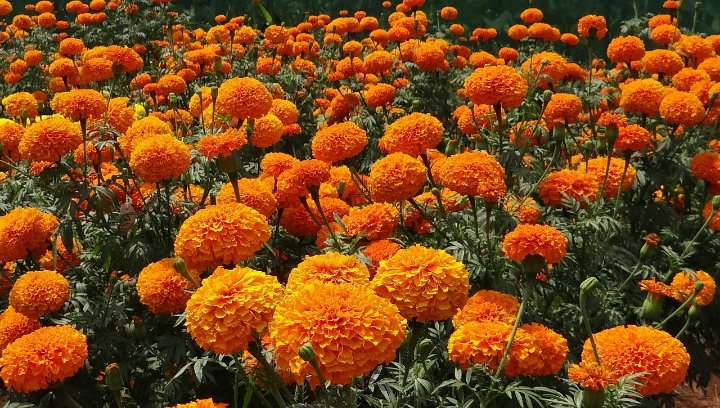
Before diving into the specifics of deadheading, let’s take a moment to appreciate the marigold plant itself. Marigolds belong to the Tagetes genus, with numerous varieties that differ in height, color, and bloom size. Common types include the African marigold (Tagetes erecta) and the French marigold (Tagetes patula). The former tends to be taller, boasting large pom-pom-like blooms, while the latter is more compact with smaller flowers.
Marigolds are beloved not merely for their aesthetic appeal; they are also known for their pest-repelling qualities. They contain natural compounds that inhibit nematodes and attract pollinators like bees and butterflies, making them a delightful addition to any garden. Understanding these characteristics can enhance one’s appreciation for the value marigolds bring to a planting scheme.
The Importance of Deadheading
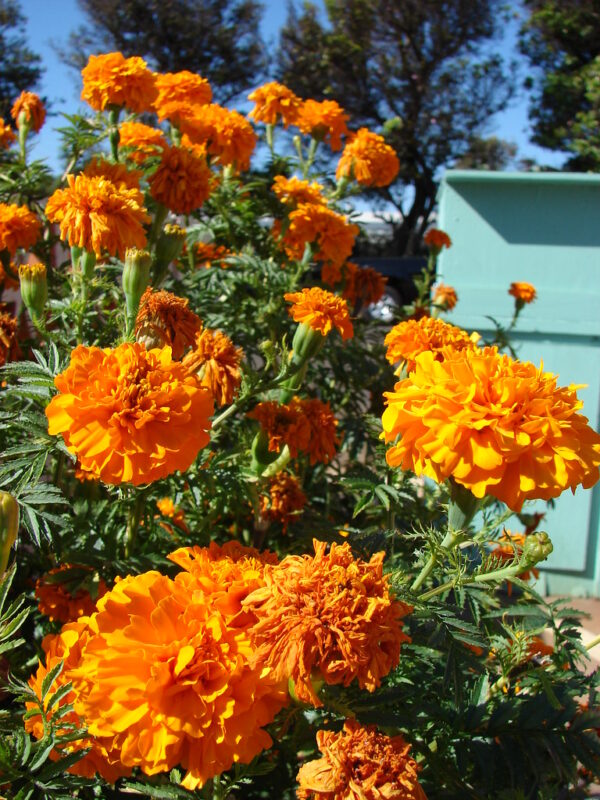
Deadheading marigolds is crucial for several reasons. Firstly, it promotes continuous blooming. When flowers fade and die, they often divert energy towards seed production instead of forming new buds. By removing spent flowers, you redirect a marigold’s energy back to producing fresh blooms, leading to a more vibrant display.
Secondly, deadheading helps maintain a plant’s overall health. Overly mature flowers can attract pests and diseases. By regularly removing spent blooms, you minimize this risk while promoting healthier foliage and root systems. Furthermore, it enhances airflow through the plant, reducing the chances of fungal infections.
Finally, there’s an aesthetic aspect to deadheading. A garden filled with wilted flowers can appear unkempt, diminishing the joy and beauty these blooms can provide. Regular maintenance keeps your marigolds looking fresh and vibrant, elevating the visual appeal of your garden!
Tools for Deadheading Marigolds

To begin your deadheading journey, it’s essential to gather the right tools. While deadheading can be done with your fingers, having the following tools handy can make the process smoother and more efficient:
Garden Shears or Pruners: A pair of sharp, clean garden shears or pruners can help you make precise cuts without damaging the plant. It’s crucial to keep these tools rust-free for effective and clean cuts.
Gardening Gloves: While marigold stems are not particularly thorny, wearing gloves can protect your hands from dirt and potential irritants.
Waste Container or Bucket: Having a container to collect dead blooms simplifies the cleanup process and encourages regular deadheading sessions.
Investing in good quality tools can vastly improve your gardening experience and make deadheading a more enjoyable and efficient task.
Techniques for Deadheading Marigolds
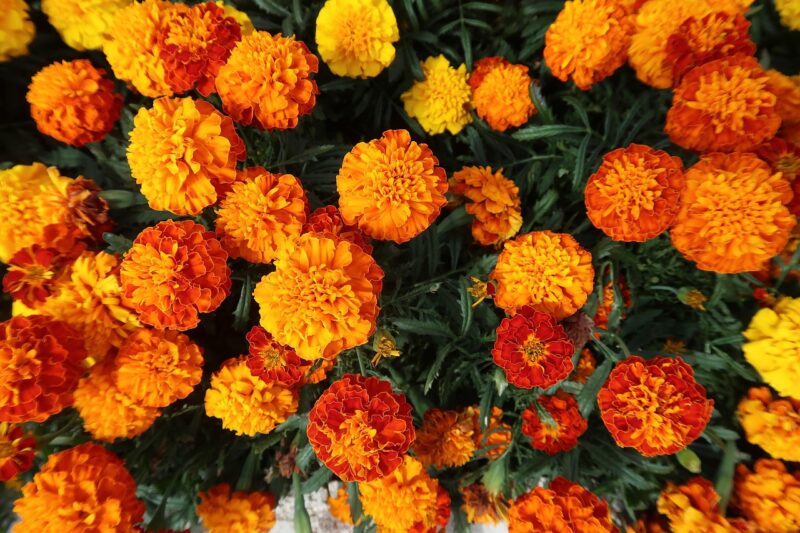
When it comes to the actual deadheading process, there are a few techniques you can employ. The effectiveness of your method may depend on the size and vitality of your marigolds, as well as personal preference.
Pinching Method
The pinching method is perhaps the most straightforward technique. Using your thumb and forefinger, you simply grasp the dead flower head and twist or pinch it off at the base. This method is quick and can be done while walking through your garden, allowing for an informal yet effective way to keep your marigolds tidy.
One sunny morning, I wandered through my garden, sunglasses perched on my nose, and a cup of coffee in hand. The scent of fresh flowers wafted through the air as I absentmindedly pinched off dead marigold blooms. It became a meditative moment, reminding me how simple, small tasks connect us with the earth and the beauty we cultivate.
Shearing Method
For larger marigold plants or those in need of significant maintenance, the shearing method is effective. Using your garden shears, you can cut back the plant’s flower stems, typically one to three inches above the nearest healthy leaf or bud. This technique not only removes spent blooms but also encourages new growth.
When I first adopted this method, it felt like giving my plants a fresh haircut. I was amazed at how well they responded. Days later, I noticed new leaves unfurling and fresh blooms sprouting—a delightful testament to resilience and growth.
Timing Matters
The best time to deadhead your marigolds is during the growing season, which usually spans from late spring through early fall. However, timing can be flexible. Checking your garden regularly allows you to see which blooms are spent and need attention. Early morning, when the dew is still present, can be a particularly nice time to tend to your plants. The air is cool, and the plants often look their best—an added incentive for the gardener.
Recognizing When to Deadhead
It’s essential to know when a flower is ready for deadheading. Typically, marigold flowers will change from bright and vibrant to dull once they have reached the end of their blooming cycle. Signs that a flower is spent include:
Fading Color: The once-vibrant petals lose their luster and become a muted hue.
Wilting or Drooping: A wilting flower no longer holds its upright position, signaling that it’s time for removal.
Browning Petals: When the petals start to brown or dry out, they are past their prime.
While it might seem intuitive, regularly examining your plants deepens your connection with them and cultivates an awareness of their needs—a valuable lesson for any gardener.
Potential Challenges

While deadheading marigolds is a relatively straightforward process, several challenges can arise. Being mindful and prepared can ensure you can tackle them when they do.
Pests and Diseases
Pests can target any beloved garden, including your marigolds. Aside from benefiting from their pest-repelling qualities, marigolds can occasionally attract unwanted visitors. Look out for aphids, spider mites, or whiteflies. If you encounter these pests, consider removing affected blooms or applying organic pest control solutions.
Over-Deadheading
One can become overly zealous in the deadheading process. It’s crucial to be mindful of not overcutting the plant. Leave some flowers intact to ensure pollinators have access to them. Striking a balance is essential for maintaining a healthy plant and promoting biodiversity in your garden.
Weather Considerations
Timing your deadheading routine around weather conditions is equally important. Deadheading during a hot midday sun can stress the plants. Instead, consider early mornings or late afternoons when temperatures are milder. Additionally, after heavy rainfall or strong winds, marigolds may benefit from a gentle deadheading session to maintain their structure.
The Impact of Deadheading on Growth
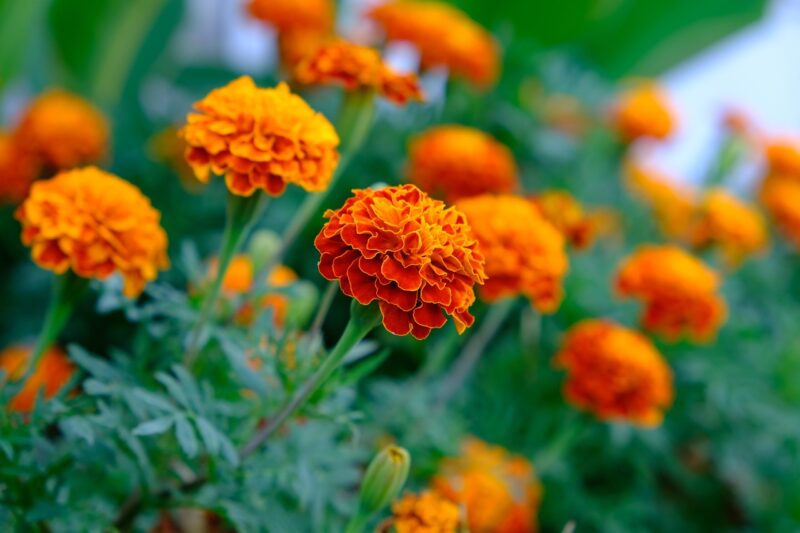
What truly makes deadheading marigolds a transformative practice? The resulting growth is nothing less than remarkable. When flowers are removed, plants redirect their energy towards new shoots and blooms, leading to a more vigorous, longer-lasting display.
In my garden, I’ve observed that after a deadheading session, my plants seem to earnestly respond—lush leaves emerge, and their colorful blossoms multiply exponentially. It’s a reminder of nature’s innate capacity for renewal and rebirth, and that is perhaps the most rewarding aspect of gardening.
Benefits Beyond Aesthetics
Deadheading marigolds offers benefits reaching beyond aesthetic appeal. One tangible advantage lies in seed production. If your goal is to cultivate a self-sustaining garden filled with marigolds for years to come, leaving a few blooms to go to seed can lead to spontaneous new plants in seasons to come.
As a gardener, I’ve embraced this concept, allowing some marigold heads to dry and brown before harvesting seeds to plant in the following spring. The cyclic nature of gardening embodies a sense of continuity that brings me joy each planting season.
Seasonal Care and Deadheading Frequency

As the seasons change, so must your approach to deadheading. During peak blooming months—often late spring and summer—you’ll find yourself engaged in consistent, weekly deadheading sessions. Planning some time in your schedule—perhaps Sunday mornings—ensures that taking care of your marigolds becomes a cherished ritual.
As autumn approaches and the climate transitions, you may notice your plants slowing down. This change is normal, and gradual deadheading may suffice. By this time, taking care of your marigolds can serve more as maintenance than an active growing period.
Encouraging Health and Resilience
In addition to regular deadheading, consider integrating other gardening practices that promote the health and resilience of your marigolds.
Nutrient Management
Using a balanced fertilizer will bolster your plants’ vigor and vitality. A 5-10-10 formula, rich in potassium and phosphorus, aids bloom development. Enriching the soil with compost can contribute substantially to a marigold’s well-being.
Watering Practices
Marigolds thrive in well-drained soil but require consistent moisture. A routine watering schedule can help prevent wilting during the heat of summer while promoting strong root systems. Consider rising early to water and enjoy the tranquil morning ambiance before your day begins.
Marigold Varieties and Their Deadheading Needs

Not all marigold varieties are created equal, and it’s essential to consider their differing needs. Each type has its strengths and weaknesses, including specific deadheading techniques that can enhance their growth.
Tall Marigolds (Tagetes erecta)
African marigolds stand tall, making deadheading a more accessible task. A simple pinch or shear at the base of the flower stem is usually sufficient. The larger blooms often provide the most visual impact, so the reward for deadheading here is considerable.
Dwarf Marigolds (Tagetes patula)
French marigolds are compact and require gentle handling. This variety often benefits from frequent pinching due to its smaller blooms. With the right attention, they can produce a long-lasting floral display, a delightful perk during the warmer months.
The Emotional Experience of Deadheading
As gardeners, we often reflect on the emotional aspects of tending plants. Deadheading marigolds can feel exhilarating, allowing for a tangible connection to growth and renewal.
I recall a day last summer filled with unexpected challenges; personal and environmental stresses loomed large. Leaving my worries at the garden gate, I engaged in my regular deadheading ritual. Each flower I pinched gave me a renewed sense of purpose—a reminder that through the act of caring, I contribute positively to life’s vibrancy surrounding me. Gardening is not simply a task; it transforms our environment while nurturing ourselves.
Sharing the Joy of Marigolds
Part of the magic of marigolds lies in their ability to connect friends, family, and communities. Sharing freshly cut blooms can spread joy beyond your garden. Consider hosting neighborhood gardening workshops if you’re feeling particularly inspired—or simply gifting pots of marigolds to friends and eager budding gardeners.
Encountering others who share your passion brings a rewarding sense of camaraderie that can transform solitary gardening efforts into social endeavors. Engage in vibrant conversations about the process, experience share tips, and relish the joy derived from the beauty of marigolds.
Conclusion
Deadheading marigolds is a practice rich in benefits—encouraging growth, maintaining aesthetics, and even deepening our connection to nature. By understanding the importance of this technique, embracing diverse methods, and nurturing our plants with care, we can enjoy the vibrant blooms of marigolds throughout the growing season.