

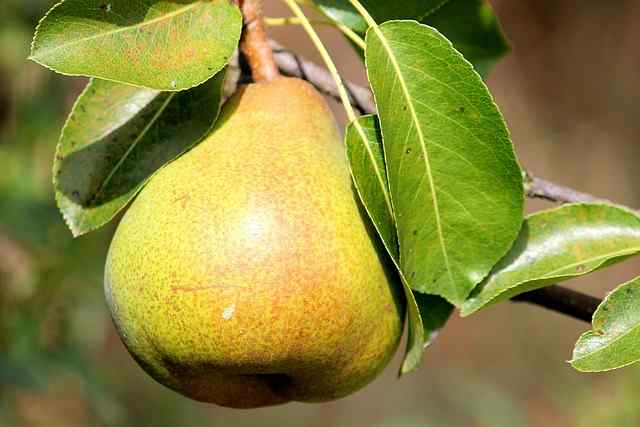
Whether you’re enjoying a crisp Bartlett, a juicy Bosc, or a fragrant Anjou, knowing how to store pears is key to savoring their natural juiciness and flavor. Storing pears correctly not only extends their shelf life but also enhances their culinary versatility. B
elow, we’ll explore the intricacies of storing pears, providing you with a wealth of information to ensure you get the most out of this delightful fruit.
Understanding the Varieties of Pears
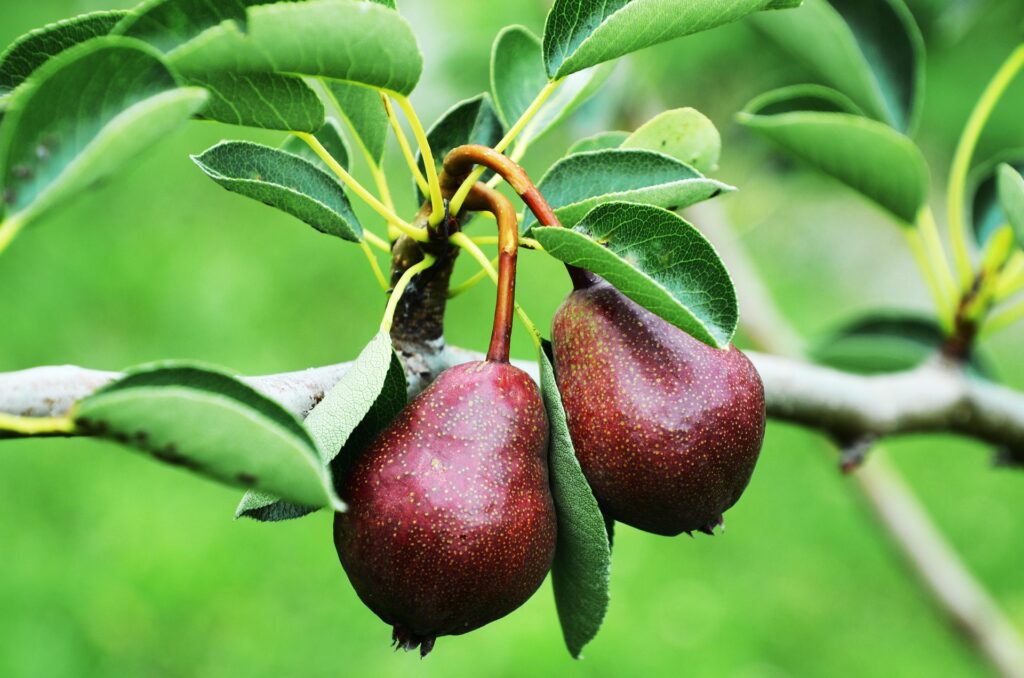
To effectively store pears, it’s essential to first recognize the different varieties available. Each type brings its own unique flavor profile and texture, which can influence storage methods.
Bartlett: Known for its sweet, juicy flesh, Bartlett pears are a summer staple. They ripen quickly and are best consumed soon after purchase.
Bosc: With a brownish skin and a denser, spicier flavor, Bosc pears can be stored longer than their Bartlett counterparts and are great for baking.
Anjou: These pears can be green or red and have a firm texture that offers a sweet flavor. They hold well in storage and are versatile for both cooking and fresh eating.
Asian Pears: Crunchy and more apple-like in texture, Asian pears retain their crispness and can be stored similarly to apples.
Understanding these differences helps dictate how you approach storage, as some pears may require a different environment for optimal freshness.
The Ripening Process
Pears are unique among fruits in that they ripen from the inside out. This means that enjoying them at their peak ripeness requires a delicate balance.
Ripening Off the Tree: Unlike many fruits that ripen on the tree, most pear varieties are harvested while still firm. They typically continue to ripen after harvest, which lends to their versatility.
The Ideal Ripeness: A ripe pear yields slightly to gentle pressure at the stem end. If it’s still hard, it may need more time to soften.
This critical knowledge about the ripening process is foundational for effective storage.
Storing Pears: The Basics
When it comes to storing pears, the method chosen can impact both texture and taste. Here’s how to ensure your pears remain delicious and fresh:
Temperature: Pears are sensitive to temperature changes. Ideally, they should be stored at room temperature when unripe, waiting for that perfect moment of softness. Once they are ripe, refrigeration can extend their life.
Avoiding Ethylene Exposure: Pears produce ethylene gas as they ripen, which can accelerate the ripening of nearby fruits. To minimize cross-contamination, keep pears away from other ethylene-producing fruits like bananas, apples, and avocados.
Storing Pears at Room Temperature
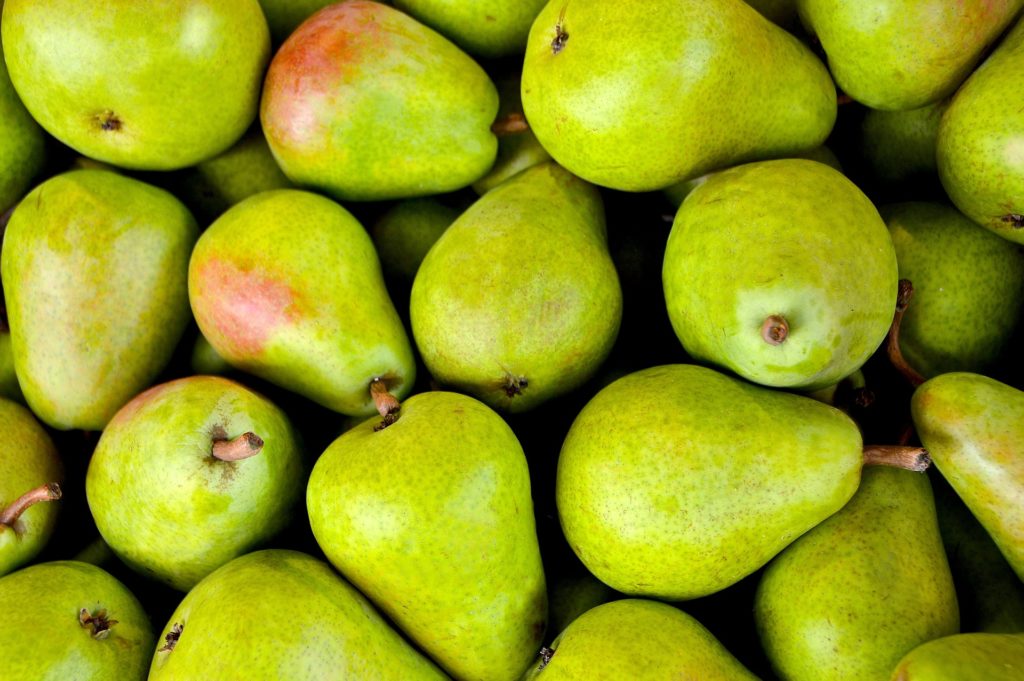
For those ripe, juicy pears that are ready to be enjoyed, storing them correctly at room temperature is essential to maintain flavor and texture:
Spacing: Place pears in a single layer and avoid stacking them to prevent bruising.
Location: Keep them in a cool, dry area, away from sunlight. A countertop or kitchen table away from heat sources is generally ideal.
As they ripen, be sure to check them daily. Once they reach your desired level of softness, it’s time to consider refrigerating them if you can’t eat them right away.
Refrigeration: Prolonging Freshness
Once pears have reached their peak ripeness, refrigeration can significantly extend their shelf life. Here’s how to do it effectively:
Prepare for Storage: If you decide to refrigerate ripe pears, place them in a breathable bag or container. A perforated plastic bag works wonders, allowing air circulation while retaining moisture.
Optimal Temperature: Set your refrigerator’s crisper drawer to a slightly higher humidity setting if available; this helps maintain the fruit’s texture.
An interesting anecdote: I once learned the hard way that placing pears in the same drawer as apples resulted in a fast-tracked ripening process, leading to a rather chaotic fruit bowl. Learning to separate these like a cautious curator subdued future fruit dramas.
Freezing Pears for Long-Term Storage
If you have an abundance of pears, freezing is a marvelous option to savor their flavor long after the season has passed. Here’s a step-by-step guide to freezing pears:
Choose Wisely: Only freeze ripe, blemish-free pears. This helps ensure that the quality does not decline in the freezing process.
Preparing the Fruit: Wash, peel (if desired), and core the pears. Slice them according to your preferred size.
Prevent Browning: To prevent oxidation and maintain color, soak the slices in a solution of ascorbic acid or a mixture of lemon juice and water for about 10 minutes.
Pack and Freeze: After soaking, drain the pears, place them in freezer bags or airtight containers, and remove as much air as possible before sealing.
Interestingly, when I first tried freezing pears, I didn’t think to slice them and ended up with a solid block of fruit. Learning the right methods transformed my approach to utilizing my freezer!
Creative Uses for Ripe Pears: Beyond Storage

Understanding how to store pears also opens up creative culinary possibilities. Here are some delectable ways to utilize ripe pears when they reach that sweet spot of ripeness:
Salads and Salsas: Ripe pears pair wonderfully in salads, adding sweetness and a soft texture. They can also be diced and mixed into salsas with spicy peppers and cilantro for a refreshing topping.
Baking: Bartlett and Bosc pears shine when baked into tarts, cakes, or crumbles. Their natural sugars caramelize beautifully, creating an inviting dessert.
Canning: For longer preservation, consider canning your pears in syrup, which not only ensures they’ll keep but adds a sweetness that’s hard to resist.
Experiencing the joy of cooking with pears provides not just a flavor experience but a sentimental journey back to the kitchen, creating memories entwined in stirrings of flavor.
Dealing with Spoilage
Even with the best intentions, sometimes pears don’t make it as long as desired. Here’s how to identify spoilage:
Visual Checks: Watch for dark spots and wrinkles; these may indicate overripeness. However, minor blemishes can often be cut away if the flesh remains firm.
Smell Test: A sour or off smell is generally a clear sign that the pear has spoiled.
Texture: If the pear feels overly mushy or has an uncharacteristic grainy texture, it’s best to discard it.
Sharing a laugh with friends over what I thought was a perfectly good pear, only to be thwarted by its off odor has taught me to be vigilant about examining my fruit, adding a playful dialogue to my kitchen adventures.
Storing Pears for Winter: Unique Solutions
For those who want to enjoy pears throughout the winter months, beyond freezing, there are other preservation methods worth exploring:
Drying: Dehydrated pears offer a chewy, sweet treat perfect for snacking or adding to granola. Use a dehydrator or an oven set to low to dry pear slices evenly.
Making Jam: Pear jam brings a taste of summer to your winter mornings. Combining pears with spices gives it depth, creating a fragrant spread to enhance your breakfast regimen.
My journey into jam-making began as a quest to use up an overflow of pears, resulting in a delightful spread that not only preserved fruit but cultivated creativity. Anyone can turn their surplus into a beautiful jar of joy!
Pairing Pears with Other Ingredients
Understanding not just how to store pears but also how they interact with other foods can elevate your culinary creations:
Cheese: Pears and cheese are a dynamic duo. Soft cheeses like brie or tangy blue cheese complement the sweetness of pears beautifully in a charcuterie spread.
Nuts: Almonds and walnuts add a welcome crunch when paired with fresh or baked pears, creating a delightful contrast in texture.
Herbs and Spices: Basil, thyme, and even cinnamon can accentuate the flavor of pears, adding a gourmet touch to both savory and sweet dishes.
Reflecting on those delightful moments when friends gathered, sharing dishes and discovering new flavor pairings, it’s apparent that the culinary canvas of pears knows no bounds.
Safety Tips for Storing Pears
Lastly, let’s highlight some important safety tips to consider when storing pears:
Clean Environment: Always store pears in a clean environment to avoid contamination. This means ensuring that your storage containers are feee of dust or residue.
Check for Contaminants: Regularly check your stored pears and remove any that show signs of spoilage. This can prevent the rapid decline of adjoining fruit.
Avoid Overripeness: Monitor the ripeness closely; pears that get too overripe can quickly release gases that speed up the process for other nearby produce.
Ultimately, understanding how to store pears in a safe, effective way not only preserves their deliciousness but promotes a worry-free experience in your kitchen.
Conclusion: Embrace the Pear Journey
As you embark on your journey of great pear storage and culinary exploration, remember that every step—from selecting the right variety to creative cooking—contributes to a holistic appreciation of this lovely fruit. Whether it’s enjoying that perfectly ripe pear fresh, utilizing creative storage methods, or transforming them into delightful dishes, let pears be a part of your daily life and festivities. Each pear tells a story, and knowing how to store them appropriately keeps their story alive longer, adding sweetness to our lives in ways that go beyond just flavor.