
This comprehensive guide aims not only to inform but to inspire you in your journey toward becoming a pear tree whisperer. With passion and thoroughness, let’s explore the nuances of pruning pear trees, enriching our understanding of these wonderful fruit-bearing giants.
Understanding the Importance of Pruning
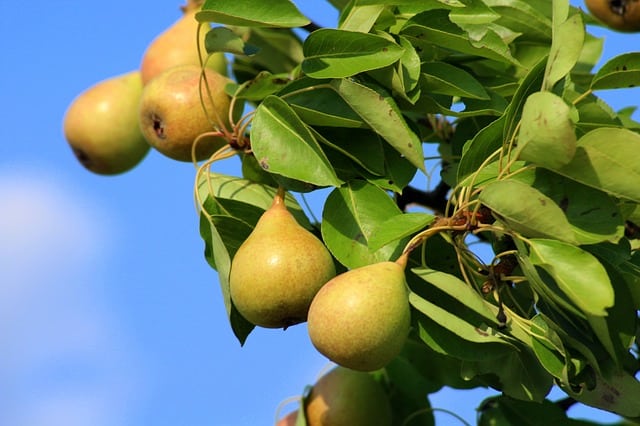
Before diving into the nitty-gritty of the actual pruning process, it’s vital to grasp why pruning is essential. Imagine a pear tree standing tall and proud in your backyard, offering sweet fruit for you and your loved ones. To maintain that vitality, you must cultivate its structure and health through pruning.
Pruning plays a critical role in various aspects of tree health:
Improved Air Circulation: A well-pruned tree allows air to flow freely through its branches, reducing the risk of fungal diseases and ensuring that all parts of the tree receive adequate sunlight.
Increased Fruit Quality and Yield: By eliminating excessive branches, you enable the tree to focus its energy on producing high-quality fruit rather than sustaining a myriad of weak branches.
Structural Integrity: Proper pruning can help train a pear tree into a desired shape, making it easier to manage and harvest. This can also reduce the likelihood of branch breakage, especially under the strain of heavy fruit or snow.
Enhanced Aesthetics: A well-pruned pear tree not only produces better fruit but also looks visually pleasing in your landscape, contributing to the beauty of your gardens.
Armed with this knowledge, you can approach the task of pruning with a newfound appreciation and purpose.
Timing is Everything
One of the most crucial aspects of successfully pruning pear trees is timing. The ideal time for pruning depends on the specific type of pear tree you have, but generally, late winter or early spring, before new growth begins, is optimal. For many gardeners, this often falls around February through early March.
Pruning during dormancy allows you to see the tree’s structure clearly without the distraction of leaves. You can assess which branches need to go and which should stay. In contrast, pruning in the fall can encourage new growth that may not have time to harden off before winter, making it susceptible to cold damage.
Remember, the timings can vary based on your geographical location and local climate. Observing your tree and your local weather patterns will help determine the best window for pruning.
Tools of the Trade
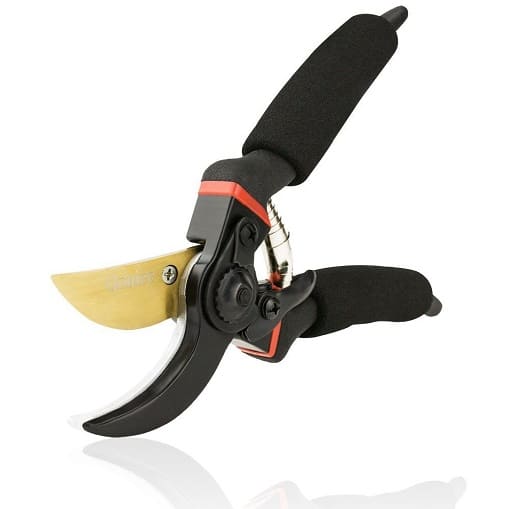
Like a painter with brushes, a sculptor with chisels, you need the right tools to create a masterpiece. When pruning pear trees, certain tools will help you perform the task effectively and safely. Names may differ among suppliers, but here’s a rundown of the essentials:
Pruning Shears: These handheld clippers are perfect for cutting small branches and making clean cuts. Opt for a pair that fits comfortably in your hand and has a sharp, clean blade.
Loppers: For branches that are just out of reach or thicker than what shears can handle, loppers come in handy. They offer longer handles for increased leverage.
Handsaw: Sometimes you’ll encounter large branches requiring a saw. A sharp, lightweight handsaw can make quick work of these thicker limbs.
Pole Pruner: When dealing with overhead branches, a pole pruner is a game-changer. It allows you to reach higher areas without risking your safety on a ladder.
Protective Gear: Safety should always be a priority. Invest in gloves, eye protection, and a hard hat if you’re working near higher branches.
Care for your tools by cleaning and sharpening them as needed, allowing for effective cuts and reducing the risk of transmitting disease between plants.
The Art of Pruning: Basic Techniques
Pruning pear trees is not a one-size-fits-all process. Different techniques can yield various results depending on your goals. Familiarizing yourself with these techniques is key to mastering the art of pruning:
Thinning Cut: This technique involves removing entire branches back to their point of origin. It’s useful for increasing air circulation and light penetration. Focus on healthy branches and remove those that may be crossing or overcrowding.
Heading Cut: In contrast, the heading cut shortens the stem by cutting it back to a bud or lateral branch. This technique encourages bushier growth and can lead to more fruit-producing spurs. Consider using this on younger trees to help shape them.
Renewal Pruning: For older trees that have become overgrown, renewal pruning may be necessary. This aggressive technique involves removing up to one-third of the oldest and most congested branches. Though drastic, it revitalizes the tree, promoting new growth and fruiting.
Pinching: This is primarily employed during the growing season. By pinching off growing tips, you can control the height and direction of growth while promoting bushier foliage.
Crafting a Pruning Plan
To create a successful pruning strategy, consider your tree’s overall health, structure, and growth pattern. Think of it like crafting a recipe—you’ll want to blend various ingredients for the best flavor, or in this case, the best tree.
Start by standing back and observing your pear tree. Look for the following factors:
Shape: Decide if your goal is to maintain a natural shape or to train the tree into a specific form, such as a central leader or open center look.
Disease: If you spot any diseased or damaged branches, take immediate note. They should be addressed first, as cutting these back can improve the tree’s overall health.
Crowding: Take note of branches that are crossing or crowding one another. Consider which ones can be removed without compromising the tree’s structure.
Fruit Production Areas: Identify where fruiting spurs are located. Cutting back in proximity to these areas can lead to a more fruitful outcome.
By pacing your pruning, consider breaking it down over multiple seasons. This allows you to reassess and adapt as the tree continues to grow and mature.
How to Prune: Step-by-Step Guidelines
Once you have a solid understanding of the techniques and a plan, it’s time to get to work. Following a structured approach can ease the process. Here’s a step-by-step outline for pruning pear trees:
Prepare Your Area: Clear away any debris around the tree that may hinder your movement. This allows for a more focused pruning session.
Observe Before You Cut: Stand back and look at the tree from different angles. Get a feel for its structure and decide on your approach based on your earlier observations.
Start with Dead and Diseased Wood: Using your shears or saw, remove any branches that are dead, diseased, or damaged. Cut them back to the point of healthy wood.
Thin Out Crowded Areas: Next, focus on crowded branches. Use thinning cuts to create space between the remaining healthy limbs. Aim for an open center approach allowing sunlight into the tree.
Shape the Tree: Once you’ve thinned the tree, start shaping it. Decide whether to use heading cuts to create a bushier tree or maintain a more elongated structure.
Adjust Height if Necessary: If your tree is becoming too tall or unwieldy, carefully cut back vigorous branches. Make your cuts just above a bud facing outward to encourage further outward growth.
Step Back and Assess: After completing your pruning session, take a moment to step back and assess your work. Make any final adjustments as needed.
Clean Up: Dispose of removed branches and debris to minimize disease risks. Consider composting healthy cuttings.
Addressing Common Mistakes
Even experienced gardeners can trip up when it comes to pruning, and mistakes can happen. Understanding common pitfalls can aid in avoiding missteps that can harm your tree:
Pruning Too Much or Too Little: One common mistake is over-pruning, which can lead to stress and reduced fruiting. Conversely, failing to prune enough can cause overcrowding and lower fruit quality.
Ignoring Tree Structure: Cutting without a plan can disrupt the tree’s natural architecture. Always consider the overall shape and how each cut affects the tree’s balance.
Timing Errors: Pruning too late in the season can harm new growth, while too early can expose tender shoots to frost. Always check your local climate before embarking.
Neglecting Maintenance of Tools: Dull or dirty tools can lead to ragged cuts that invite disease. Make it a habit to sharpen and clean tools after every session.
Seasonal Care Post-Pruning
Once your pear tree has been properly pruned, it requires additional care to flourish. Striving for a beautiful and productive tree involves being attentive to its needs after pruning:
Watering: Ensure the tree gets adequate water, especially during dry spells. Newly pruned trees may require slightly more focus as they adjust.
Mulching: Applying a layer of mulch around the base can help conserve moisture and suppress weeds. Just make sure to keep it a few inches away from the tree’s trunk to prevent rot.
Fertilization: Consider a balanced fertilizer to support recovery and enhance growth. Choose one specifically suited for fruit trees, and apply it according to package instructions in early spring.
Monitoring for Pests and Diseases: With the new growth cycle activated, keep a watchful eye for any signs of pests or diseases. Early interventions are the key to maintaining a healthy tree.
When to Seek Professional Help
Some situations may arise that could leave you feeling overwhelmed. If you find that your pear tree requires expertise beyond your comfort level, seeking the help of a professional arborist is a wise option.
A certified arborist can help with:
Large Scale Pruning: For mature trees that have grown beyond your ability to safely manage on your own.
Disease Assessments: If you suspect your tree is sick and are uncertain about the diagnosis or best practices for treatment.
Advanced Structural Alterations: When you want to drastically change the tree’s shape or balance, expert advice ensures you proceed correctly.
The Joy of Harvesting
After pruning and caring for your pear tree, an almost magical transformation occurs. In time, the fruits of your labor manifest as ripe, luscious pears ready for harvest. There’s something truly gratifying about picking fruit from a tree you’ve nurtured.
As you pluck those sweet gifts from the branches, take a moment to reflect on the journey. The love and effort you poured into the pruning, the care and maintenance, all culminate in the moment you sink your teeth into that first juicy pear.
Conclusion
Pruning pear trees is an intricate blend of knowledge, technique, and art. It requires patience, observance, and foresight. Through this guide, we’ve explored the intricacies of the pruning process, covering everything from timing and tools to techniques and seasonal care. There’s a unique satisfaction in knowing that your efforts contribute to the overall health and productivity of your tree.