
In this comprehensive guide, we’ll explore the factors that influence hydrangea color, the science behind these color changes, and the practical steps you can take to achieve the hues you desire. Whether you’re a seasoned gardener or a curious newbie, this post will provide you with the knowledge and inspiration to transform your garden into a vibrant hydrangea paradise.
Understanding Hydrangea Color Phenomenon
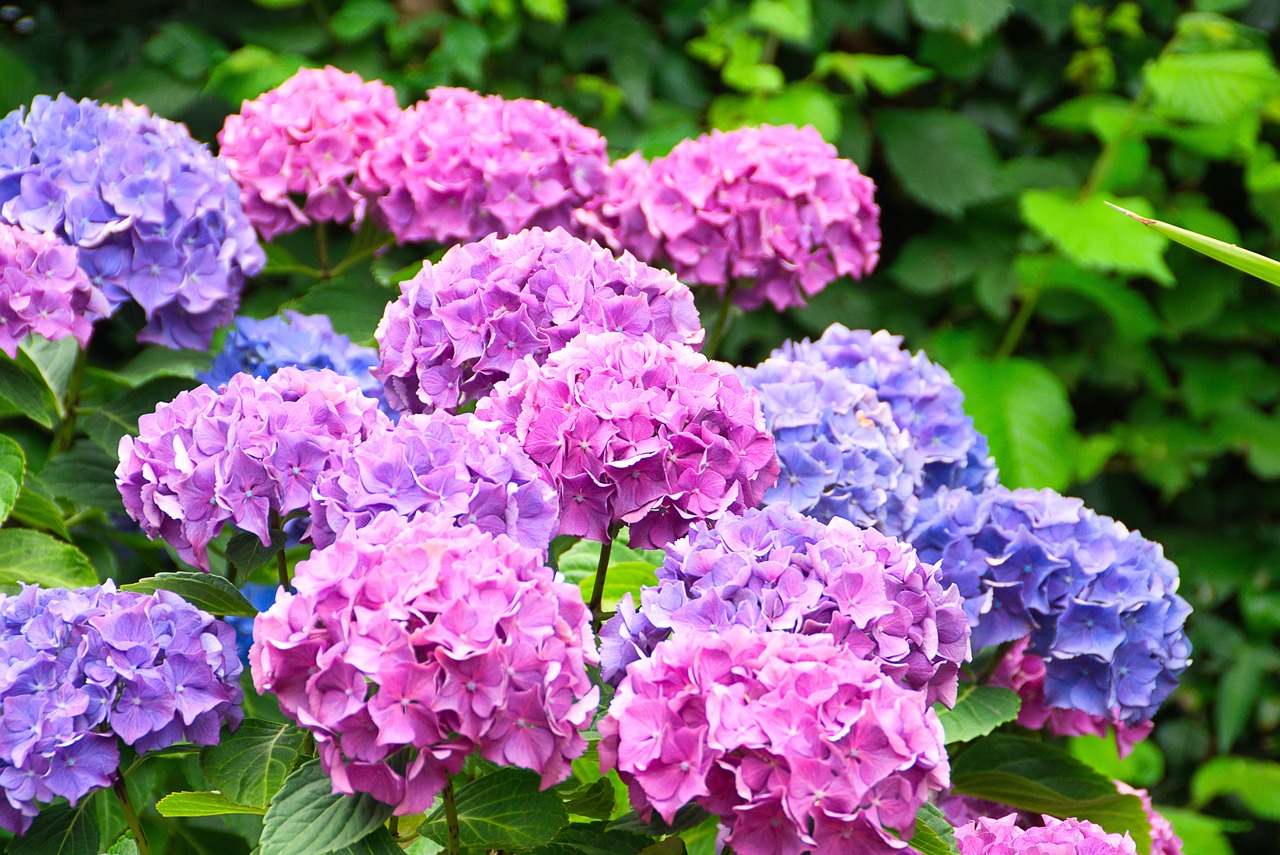
The color of a hydrangea’s blooms is primarily influenced by the acidity or alkalinity of the soil in which it grows. Two main species, Hydrangea macrophylla and Hydrangea serrata, exhibit this remarkable ability to change color. Flowers can range from blue to pink, with varying shades of lavender and purple in between. The key distinction lies in the interaction between aluminum ions present in the soil, soil pH, and the pigments in the petals.
The Role of Soil pH
To appreciate the intricacy behind hydrangea color change, it’s crucial to understand soil chemistry basics. Soil pH is measured on a scale from 0 to 14, with 7 being neutral. Anything below 7 is considered acidic, while above 7 is alkaline. In acidic soils (pH 6 or lower), hydrangeas tend to bloom in shades of blue. This is due to increased solubility of aluminum ions, which hydrangeas take up through their roots. Conversely, in alkaline soils (pH 7.5 or higher), the flowers bloom pink because the aluminum availability decreases. Essentially, the more acidic your soil, the more likely it is that your hydrangeas will exhibit those lush, captivating blue tones.
The Colors Explained
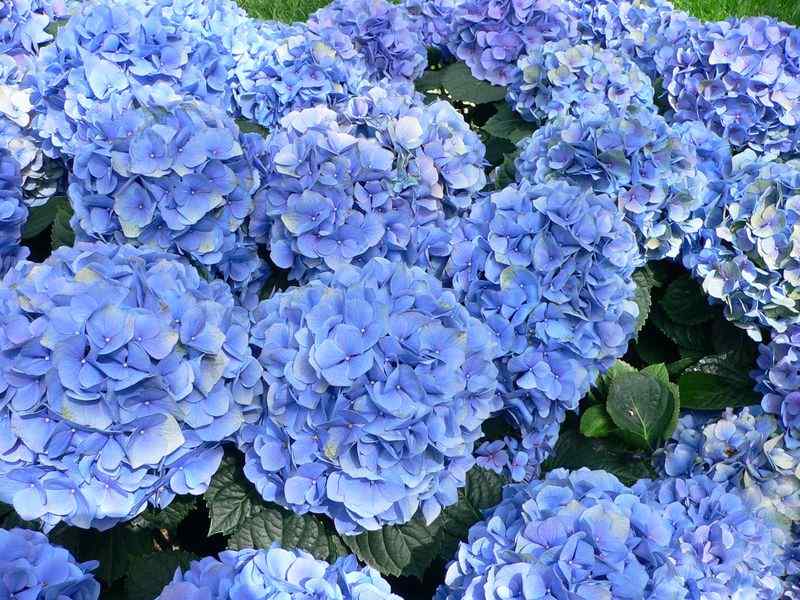
Blue: A result of acidic soil rich in aluminum.
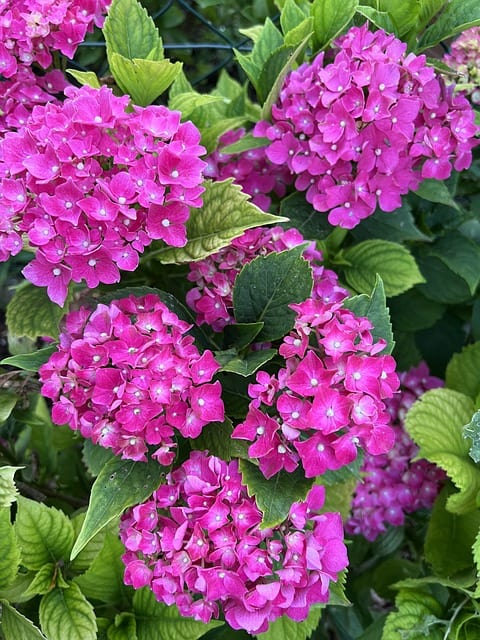
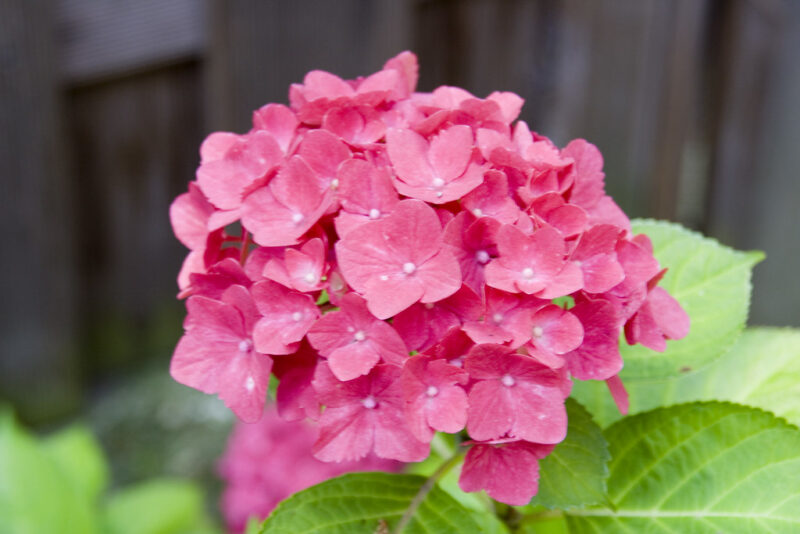
Pink: Derived from alkaline soil with low aluminum levels.
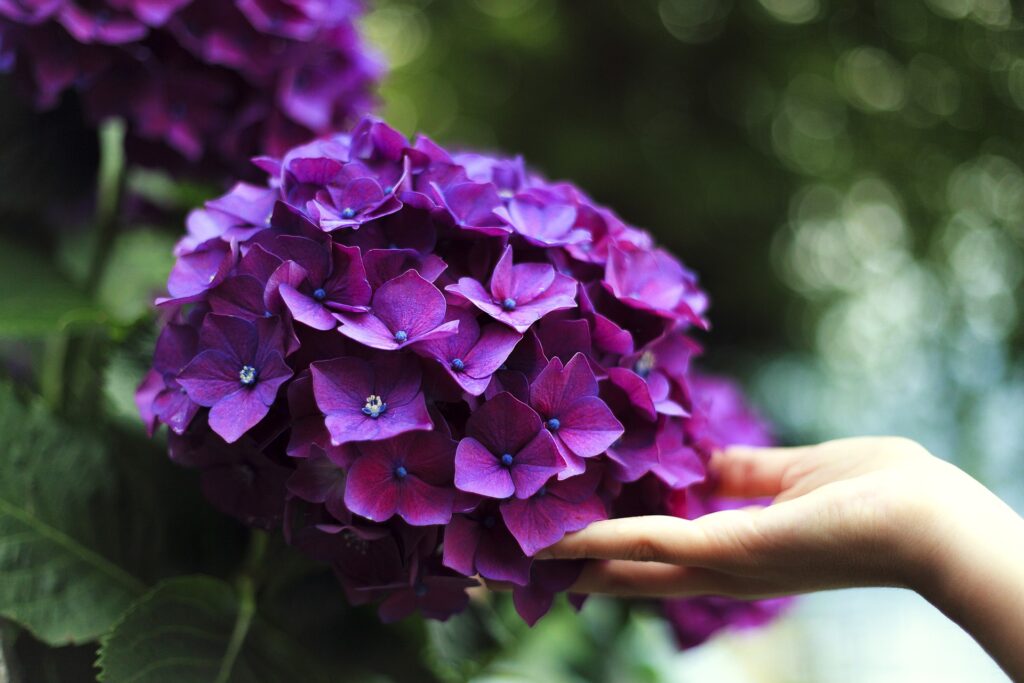
Purple: Often a sign of varying soil pH, resulting in a blend of both hues.
Lavender: This shade can appear under slightly acidic to neutral conditions and is a beautiful intermediary.
Testing Your Soil pH

Before altering your hydrangea colors, knowing your soil’s starting pH is essential. You can either use a DIY soil pH testing kit available at garden centers or send a sample to a local extension service for analysis.
Steps to Test Soil pH:
Collecting Soil: Take samples from different areas around the hydrangea. Ensure the samples are taken from the root zone.
Preparing the Test: Follow the instructions provided in your soil test kit. Most kits require you to mix soil with water and a testing solution.
Reading Results: Compare the resulting color to the test kit’s chart to find out your soil’s pH level.
Keeping track of your soil acidity will help you determine the amendments needed for color change.
Changing Soil pH for Desired Hydrangea Color
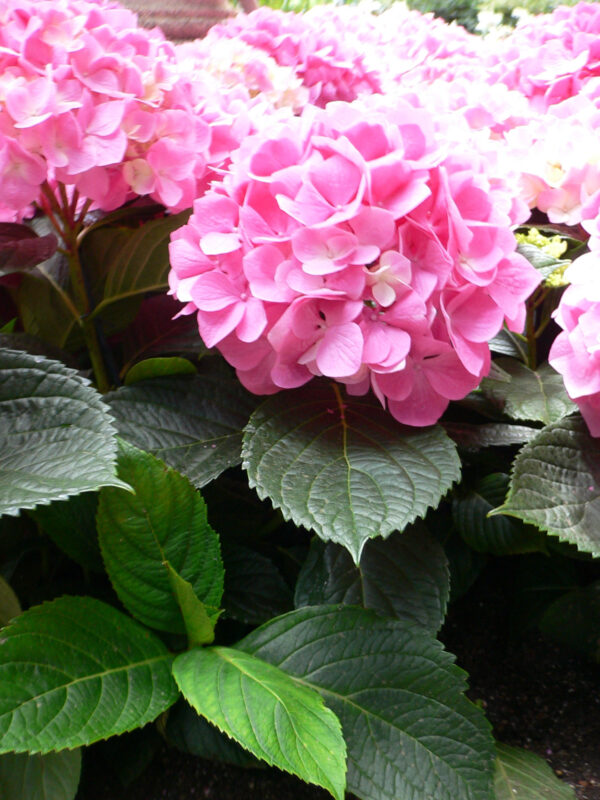
Once you’ve established your soil’s current pH, the next step is implementing changes if you wish to modify your hydrangea’s color. Here’s how you can effectively adjust your soil pH.
How to Lower Soil pH (Acidify the Soil)
To encourage blue blooms, your soil should be more acidic. Here are several methods to achieve this:
Applying Sulfur: Elemental sulfur is the most effective agent for lowering soil pH. The process involves soil bacteria converting sulfur to sulfuric acid over a few months.
Procedure: A general guideline is to add 1 pound of sulfur per 100 square feet for every point you wish to lower the pH. Incorporate it into the soil by turning it into the top six inches.
Organic Matter: Adding organic materials like compost, peat moss, or pine needles can also help acidify the soil naturally over time.
Note: Ensure that the organic material is thoroughly decomposed.
Coffee Grounds: Used coffee grounds contain naturally acidic properties and can be sprinkled in the soil.
Aluminum Sulfate: This compound directly adds aluminum to the soil, increasing acidity and promoting blue blooms.
Application: Mix 1 tablespoon per gallon of water and water the plant, achieving quicker results than elemental sulfur.
How to Raise Soil pH (Alkalize the Soil)
If your goal is pink blooms, you’ll need to raise your soil pH. Here are some effective methods to increase the alkalinity:
Lime (Calcium Carbonate): This is the most common choice for raising soil pH.
Application: Apply 5 to 10 pounds of lime per 100 square feet to raise the pH by one point, depending on your soil type.
Wood Ash: This natural amendment adds potassium and raises pH naturally. Sprinkle it liberally around the base of the plant.
Composted Bark or Sawdust: Though slower to act, these materials gradually increase alkalinity while also improving soil structure.
Choosing Amendments Wisely: Ensure any other amendments you make do not contradict your pH change goals.
Practical Tips for Color Maintenance
After successfully changing your hydrangeas’ color, maintaining it becomes crucial. Below are tips to keep your hydrangeas exhibiting their desired hue.
Regular Soil Testing
Re-testing your soil once or twice a year ensures that your pH amendments remain effective. This vigilance helps you catch any deviations before the bloom colors are affected.
Mulching Techniques
Organic mulches, such as pine bark, not only help retain moisture but also naturally acidify the soil as they decompose. This is particularly beneficial if you aim to sustain blue blooms.
Watering Practices
How you water your hydrangeas can also influence soil pH. Rainwater is slightly acidic and beneficial for blue blooms. If your local water is hard (alkaline), consider collecting rainwater for your hydrangeas.
Best Hydrangea Varieties for Color Change

Not all hydrangeas will yield a color change as easily as the mophead (Hydrangea macrophylla). Here are a few varieties that are well-known for their vibrant color transformations:
‘Endless Summer’: A re-blooming variety that presents reliable color changes.
‘Nikko Blue’: A classic blue hydrangea known for its vibrant color in acidic soils.
‘Penny Mac’: This hardy hydrangea adapts well and showcases lovely blue shades under the right conditions.
Choosing the right variety for your garden will greatly enhance your color-changing endeavors.
Garden Design Ideas with Colorful Hydrangeas
Creating a hydrangea color-themed garden can be a special way to showcase your blooms. By selecting and strategically planting your hydrangeas, you can create stunning contrasts:
Monochromatic Gardens
Consider cultivating a sea of blue hydrangeas surrounded by white flowers such as cosmos or daisies. The striking contrast can create an ethereal, dreamlike garden atmosphere.
Colorful Borders
Use pink hydrangeas as colorful borders to seamlessly blend with other perennials or annuals. Complement their colors with purple or white flowers for an eye-catching display.
Mixed Planting Techniques
Planting different varieties with varying color responses can create a mixed bag of shadows in your garden. Use an array of blues, pinks, purples, and whites to add depth and dimension.
Hydrangea Color Change Through Seasonal Shifts
Do not forget the impact of seasons on hydrangea color! Throughout the year, your blooms might display different shades.
Spring: New growth may emerge in vibrant shades, influenced by recent soil amendments.
Summer: As the season matures, expect full foliage and caring for moisture is paramount during this heat.
Autumn: As temperatures cool, hydrangeas might take on muted shades, revealing beautiful fall colors.
Winter: Dormancy can render an overall braid of browns and deep greens, allowing you to appreciate the stems and structure.
Common Mistakes to Avoid
When embarking on this spectacular journey of color change, be cautious of common pitfalls. Here are some mistakes many make:
Over-application of Amendments: It’s critical to follow the recommended amounts as overdoing it can shock the plants.
Ignoring Water Supply: Hydrangeas are heavy drinkers. Make sure they receive adequate hydration, especially when altering soil pH.
Not Accounting for Local Conditions: Remember that climate, rainfall, and local soil conditions can uniquely influence outcomes. Always tailor strategies to your specific environment.
Conclusion
Changing hydrangea color is not just an act of gardening; it’s a vibrant art form that combines science with passion. With the right knowledge and techniques, you can create a stunning display that evolves throughout the seasons. By understanding the intricacies of soil chemistry, selecting appropriate amendments, and employing thoughtful garden designs, you can watch these enchanting flowers transform from one breathtaking hue to another.