

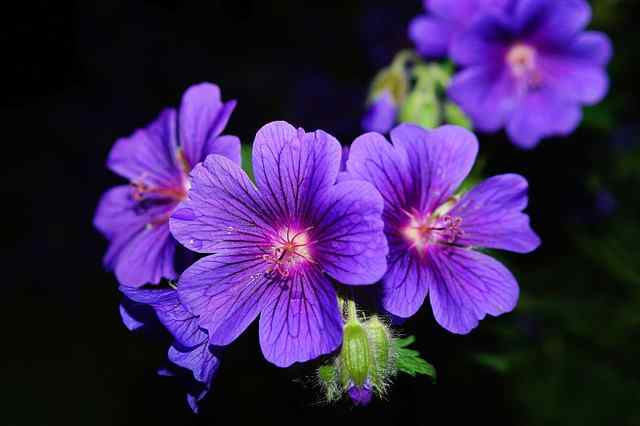
In this guide, you’ll find an in-depth exploration of the hows, whys, and whens of pruning geraniums, ensuring that your plants not only survive but thrive.
Understanding Geraniums: A Brief Overview
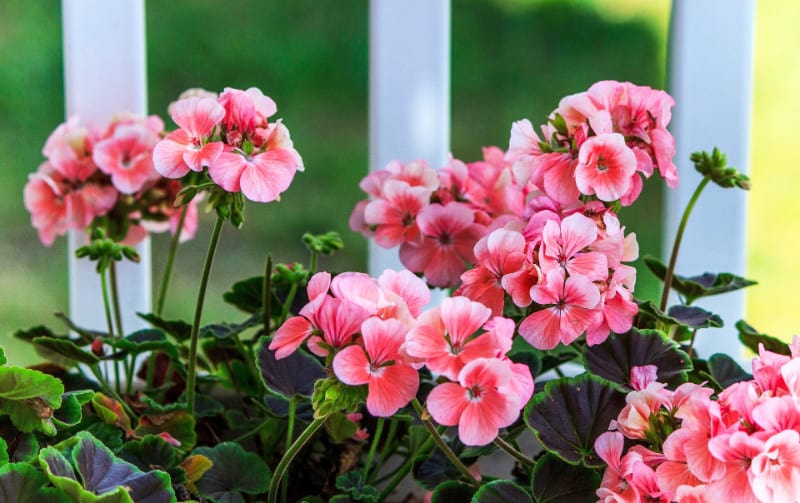
Before we delve into the specifics of pruning, it’s essential to grasp the fundamentals of geraniums. This popular flowering plant, scientifically known as Pelargonium, is often conflated with the botanical genus Geranium. However, while both belong to the same family, their care and pruning requirements differ significantly.
Geraniums are celebrated for their resilience and adaptability, making them favorite choices for both novice and experienced gardeners. With varieties ranging from ivy-hued trailing types to classic zonal geraniums, this plant offers versatility that accommodates various growth habits and gardening styles.
Having developed an affinity for these vibrant blooms myself, I can attest to their enchanting qualities. Years ago, I planted my first geraniums in pots on my balcony, oblivious to the importance of maintenance. Through trial and error, particularly in the winter months, I learned that pruning isn’t just about aesthetics—it’s a vital step for promoting health and longevity.
The Importance of Pruning Geraniums
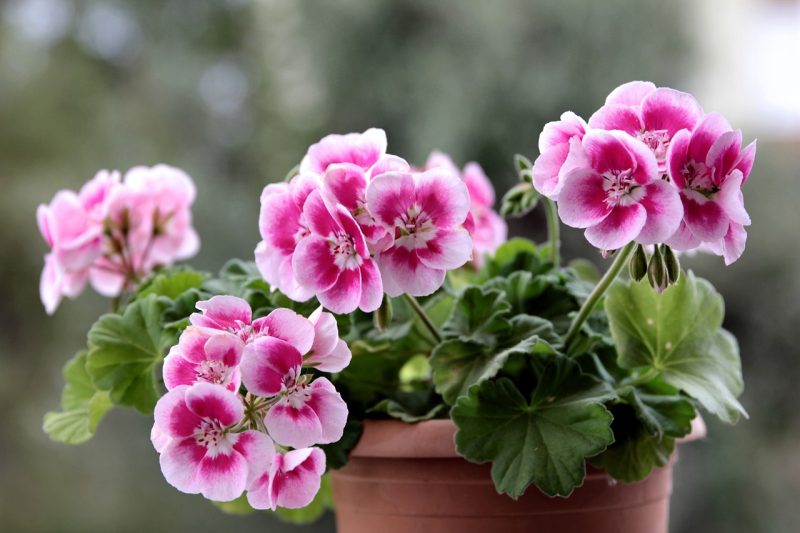
Pruning geraniums is not merely a decorative practice; it has several practical benefits that contribute to the overall health of the plant. Understanding the importance of pruning can transform your gardening experience.
Promoting Air Circulation: Geraniums can become dense and bushy, leading to poor air circulation. Pruning opens up the plant, allowing air to flow freely, helping to prevent diseases caused by high humidity and stagnation.
Encouraging New Growth: Regularly trimming back geraniums encourages the plant to produce new shoots. This not only enhances the plant’s overall aesthetics but also generates a fuller display of flowers.
Improving Flower Quality: Deadheading, which involves removing spent blooms, can redirect energy from seed production back into the plant, resulting in more prolific blooming throughout the season.
Maintaining Shape: Geraniums can grow unruly or leggy if not pruned. A well-maintained shape contributes to the plant’s overall health and visual appeal, ensuring that it fits beautifully into your garden design.
Tools of the Trade: What You’ll Need
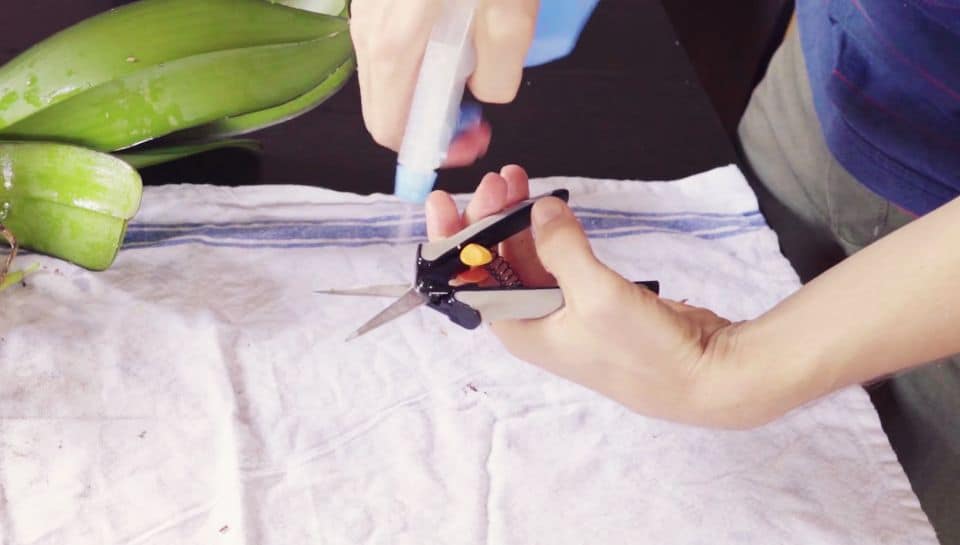
Before embarking on your pruning journey, it’s crucial to gather the right tools. Having the appropriate equipment not only makes the task easier but also ensures the health of your plants by minimizing injury when cutting.
Pruning Shears: A reliable pair of sharp, clean pruning shears is essential. Sharp blades make clean cuts, reducing the risk of damaging the plant.
Gloves: While not always necessary, wearing gardening gloves can protect your hands from sap and any potential irritants.
Disinfectant: To avoid transferring diseases between plants, it’s wise to disinfect your tools. A simple solution of diluted bleach or rubbing alcohol will suffice.
Containers for Clippings: Keep your workspace organized by having a container on hand for collecting cuttings. This makes it easier to clear your space and allows for proper disposal.
Now that you’re equipped with the necessary tools let’s explore the various techniques and best practices for pruning geraniums.
The Best Time to Prune Geraniums
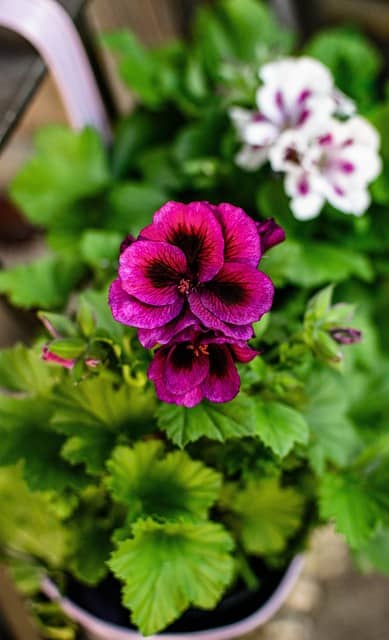
Timing is integral to successful pruning. Geraniums can be pruned at different times throughout the year, depending on the desired outcome and specific care needs.
Spring Pruning: To prepare for the growing season, spring is an optimal time to prune geraniums. As new growth begins to emerge, it’s essential to cut back any dead or damaged foliage. This encourages fresh growth and allows the plant to focus its energy on producing blooms.
Mid-Season Pruning: During the peak growing season, typically in late spring or early summer, mid-season pruning focuses on deadheading and removing any leggy growth. This ensures that your geraniums remain bushy and full of flowers.
Fall Pruning: As the leaves begin to change and preparations for winter commence, a light fall pruning can be beneficial. Reduce the size of the plants to prevent damage during winter storms while still allowing for some foliage to remain for protection.
Winter Care: If your geraniums are potted and indoors for the winter, consider pruning them lightly during this time. Indoor geraniums may experience a slowdown in growth; pruning can encourage a more refined shape and support the healthy development of flowers when spring arrives.
How to Prune Geraniums: Step-by-Step Guide
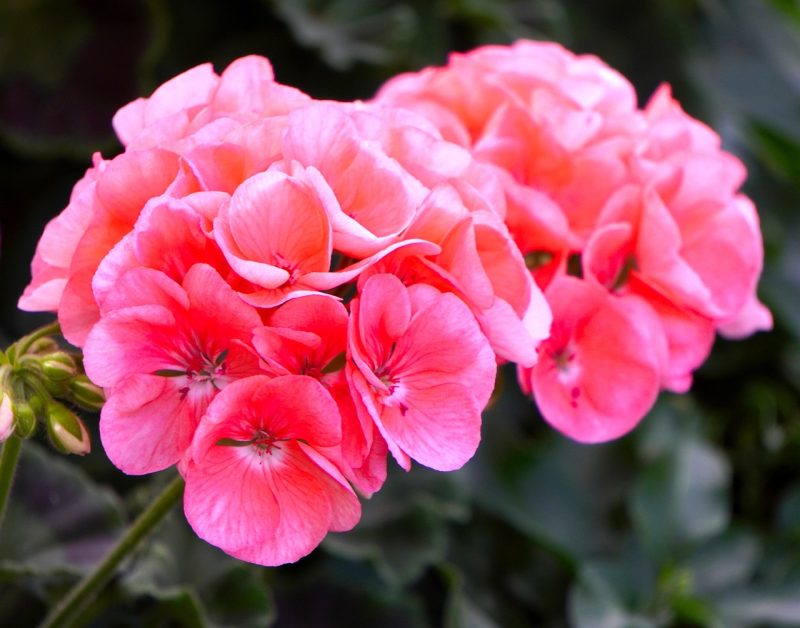
Now that we understand the importance and timing of pruning, let’s dive into a step-by-step guide on how to prune geraniums effectively.
Preparation
Inspect Your Plants: Before starting, take a moment to analyze the plant’s health. Look for signs of disease, like discolored leaves, or pests, such as aphids. If you encounter either, address those issues prior to pruning.
Choose the Right Day: Opt for a mild day, ideally early in the morning or late in the afternoon. Avoid the heat of midday, as stressed plants can be more susceptible to shock.
Pruning Techniques
Removing Dead or Damaged Leaves: Begin by identifying and cutting away any dead, yellowing, or damaged leaves. This encourages new growth and keeps the plant looking tidy.
With your pruning shears, gently cut leaves back to the base of the stem. Ensure cuts are clean to promote faster healing.
Dispose of clippings immediately to prevent any potential spread of disease.
Deadheading Flowers: Remove spent blooms to stimulate further flowering. The process is simple:
Pinch or carefully cut the stem just above the first pair of leaves beneath the flower.
This practice keeps the plant looking fresh and encourages a longer blooming period.
Shaping the Plant: To maintain a healthy shape, focus on removing any leggy growth. These long, spindly stems detract from the plant’s overall appearance.
Evaluate the plant’s structure. Trim back any stems that disrupt the natural growth pattern.
For stems that have grown too tall, cut them to a desired height, ideally above a leaf node. This encourages bushier growth.
If your geranium is becoming overcrowded, separate branches may be thinned to improve airflow.
Post-Pruning Care
After pruning, your geraniums will be a bit stressed but are poised to thrive. Here’s how to care for them post-pruning:
Watering: Immediately after pruning, provide adequate hydration. Watering ensures that the plant can recover quickly.
Fertilizing: A balanced fertilizer can be applied sparingly following pruning. This will assist in promoting new growth without overwhelming the plant.
Monitoring for Stress: Keep an eye on your plants for a few days; they may exhibit signs of mild stress. This is normal, and they should stabilize soon.
Troubleshooting: Common Pruning Issues
While pruning can be a rewarding endeavor, challenges may arise. Here are some common issues and how to address them:
Wilting Leaves: If leaves start to wilt after pruning, it may be a sign of over-pruning or insufficient watering. Assess your watering routine and ensure the plant isn’t overly stressed.
Pest Infestations: Post-pruning, your geraniums may attract pests. Regular checks and maintaining cleanliness in the planting area can mitigate this risk.
Growth Issues: If your geraniums fail to bounce back post-pruning, examine environmental factors such as light, water, and soil quality. Poor conditions can stifle recovery.
Seasonal Care: Pruning Geraniums Year-Round

Maintaining geraniums doesn’t stop with pruning; seasonal care involves adapting your approach based on the time of year.
Spring Awakening
As spring blooms approach, it’s time for revitalization. Ensure that you:
Reduce winter damage from frost.
Fertilize using a slow-release product to encourage growth.
Recognizing the budding energy of spring is vital; this is when your geraniums will begin their active growth phase.
Summer Care
In hotter months, pay attention to humidity and sunlight. Pruning should be focused on deadheading and maintaining bushiness.
Increase watering frequency in the morning to keep leaves dry through the night.
Rotate potted geraniums to ensure even sunlight exposure.
Autumn Transition
As vibrant colors begin to fade, prepare for cooler nights. Pull back on fertilizing, and focus on:
Light pruning to manage size.
Taking cuttings for indoor plants.
Plan ahead for overwintering; taking cuttings can create new plants for next season!
Winter Protection
For both indoor and outdoor geraniums, maintain minimal care:
For outdoor plants, protect from frost by providing mulch.
Indoor pots should be checked for moisture; keep them in well-lit areas.
By adjusting your care throughout the seasons, you can set up a cycle of health and bloom for your geraniums.
Propagation: Sharing the Love

One of the most exciting aspects of pruning geraniums is the opportunity it brings for propagation. Not only can you expand your garden, but sharing plants with friends offers joy and an opportunity to bond over a shared love of gardening.
Stem Cuttings
To propagate geraniums from cuttings:
Choose healthy segments of stems about 4-6 inches long and take cuttings just below a leaf node.
Remove the lower leaves, leaving just a couple at the top.
Place the cutting in water or directly into damp potting soil.
If growing in water, ensure the node is submerged, and change the water regularly to avoid stagnation. Roots should appear in a few weeks.
Pot the rooted cutting in a small pot with well-draining soil once a few roots have developed.
Division of Plant Clumps
For larger geraniums, division can be an excellent approach:
Remove the plant from its pot and gently separate it into smaller clumps, ensuring each has roots.
Re-pot into new containers with fresh soil.
This type of propagation encourages the size and health of your geraniums while fostering the plant’s resilience.
Frequently Asked Questions
When is the best time to prune geraniums?
Spring is ideal for pruning, while mid-summer is perfect for deadheading. It’s key to avoid heavy pruning late in the growing season, as this can stress the plant before winter.
How much should I prune my geraniums?
Prune conservatively. Aim to remove no more than one-third of the plant at a time to avoid shocking it.
Can I prune geraniums while they are blooming?
Yes! Deadheading during the blooming season not only keeps plants neat but encourages further flowering.
What should I do if my geraniums attract pests after pruning?
Inspect for pests regularly. If you notice an infestation, treat it promptly with insecticidal soap or neem oil.
Is pruning necessary for geraniums?
While not strictly necessary, routine pruning enhances both the plant’s appearance and health, ensuring long-lasting blooms.
Final Thoughts: The Joy of Pruning Geraniums
As we wrap up this extensive guide, it’s clear that pruning geraniums can be an enriching experience, unlocking a deeper connection with these delightful blooms. Pruning is not merely a chore but an art form—a dance between nurturing and guiding your plants toward their full potential. Through careful attention and techniques discussed here, you can cultivate a vibrant geranium garden, bringing joy to your own space and possibly even sharing vibrant blooms with friends and family.