


In this comprehensive guide, we will dig into the practice of deadheading roses, exploring its importance, techniques, and best practices, as well as sharing personal anecdotes to enrich your understanding.
Understanding the Importance of Deadheading Roses
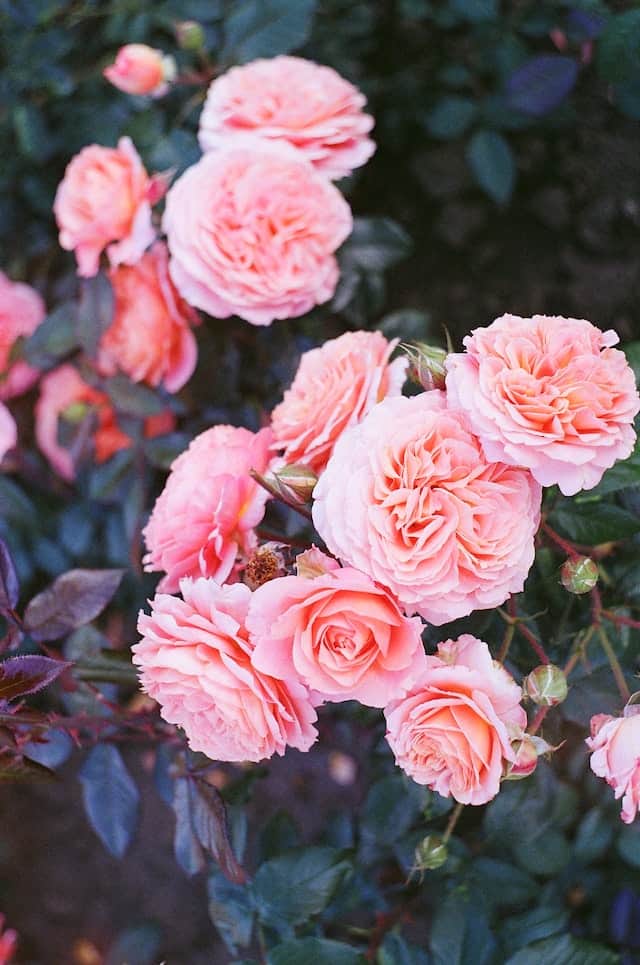
At its core, deadheading refers to the removal of spent flowers from a plant. This process is not merely an aesthetic endeavor; it is a fundamental aspect of rose care that can greatly influence the plant’s health. Let’s dive into the reasons why deadheading is so crucial.
Promoting Continuous Blooms
One of the primary functions of deadheading is to encourage the rose plant to produce more flowers. When a flower fades and withers, the plant focuses its energy on producing seeds. By removing these spent blooms, you redirect that energy back into creating new growth. A well-timed deadheading routine can extend the blooming season significantly, offering a vibrant display of colors in your garden.
Preventing Disease
Leaving dead flowers on a rose bush can lead to problems beyond just an unsightly appearance. Petals can harbor diseases and pests. Fungal infections, such as powdery mildew, thrive in the decaying flower petals. By regularly deadheading, you can help prevent the spread of these infections, keeping your plants healthy and vibrant.
Improving Airflow
A cluttered rose bush is not only an eyesore but may also inhibit adequate airflow. Dense foliage and spent blooms can create a microclimate that encourages mold and pests. When you deadhead, you are effectively thinning out the plant, allowing for better air circulation. This is especially important during humid weather, which can promote disease.
Beautifying Your Garden
Finally, let’s be honest—the aesthetic appeal of deadheading is undeniable. A garden filled with vibrant, fresh blooms is more inviting. By incorporating deadheading into your regular rose care routine, you create a more polished and appealing garden space.
The Best Time to Deadhead Roses

Timing is essential for effective deadheading. Knowing when, how often, and under what conditions to remove spent blooms ensures optimal results.
When to Deadhead
The best time to deadhead roses is during their peak blooming season, which typically occurs in late spring to early summer. However, roses can bloom throughout the growing season, so you’ll want to regularly check for spent flowers. The rule of thumb is to deadhead whenever you see a wilted or faded bloom.
Seasonal Considerations
In colder climates, consider the seasons when planning your deadheading routine. Your roses will bloom in spring, but they may continue to produce flowers until the first frost. A periodic check every couple of weeks will help you stay on top of any dead blossoms, allowing your roses to thrive until the weather turns.
Weather Conditions
Before deadheading, take a moment to assess the weather. It’s best to avoid deadheading during humid or rainy conditions, as this can lead to potential disease development. Ideally, deadheading should be done on a dry day when the sun is shining, allowing for both thorough inspection and care.
Tools You’ll Need
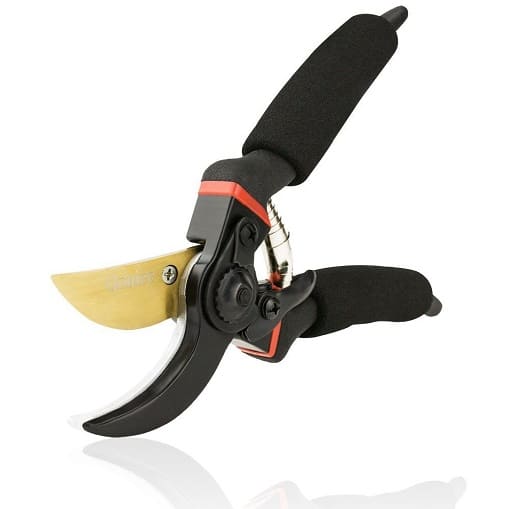
While deadheading might seem straightforward, having the right tools can enhance the experience and ensure proper technique. A few essential items will equip you for this gardening task.
Pruning Shears
A good pair of pruning shears is the cornerstone of effective deadheading. Look for a pair that is sharp and fits comfortably in your hand. A clean cut minimizes damage to the plant and reduces the risk of infection. Traditional bypass pruners are recommended since they provide a smooth cut, essential for encouraging healthy growth.
Gloves
Gardening gloves are an often-overlooked yet crucial accessory. They protect your hands from thorns, dirt, and potential irritants. Choose a pair that allows for dexterity, so you can handle delicate stems and leaves without difficulty.
Disinfectant
Especially in a group of roses, it’s crucial to rotate your tools. If you’re deadheading several plants, consider using a disinfectant, like rubbing alcohol or a diluted bleach solution, on your pruning shears between cuts. This will prevent spreading pests and diseases from one plant to another.
How to Properly Deadhead Roses
Now that you’ve grasped the benefits, timing, and necessary tools, let’s explore the step-by-step process of deadheading roses.
Assessing the Flower
Begin by examining the rose bush closely. Identify the spent blooms—these petals will typically look wilted or browned. Juxtapose them against the healthy buds and flowers nearby; this will help you make informed decisions on what to remove.
The Cutting Technique
Identify the Node: When you find a spent flower, trace the stem back to the first set of five-leaf clusters. This node is usually near the bottom of the flower stem. Cutting above this node promotes new growth.
Make the Cut: Using your pruning shears, make a clean cut at a 45-degree angle about a quarter of an inch above the node you identified. This technique helps the plant seal off the cut section and encourages new shoots to grow.
Dispose of Spent Blooms: It’s crucial to properly dispose of the dead blooms. Avoid leaving them in the garden to prevent disease. You can either compost them if disease-free or discard them in a waste bag if you suspect issues.
Step-by-Step Example
Let’s walk through a personal anecdote. Last spring, I had a particularly stunning variety of pink climbing roses that graced my garden with vibrant blooms. However, after their initial burst, the petals began to fade, signaling deadheading was due. Armed with my shears and gloves, I started checking each stem.
As I progressed, I noticed some blooms had tiny aphids lurking. I made sure to disinfect my shears immediately before moving to the next rose bush, illustrating the importance of clean tools. By carefully removing each spent bloom—and some aphids along the way—I refreshed the plant, allowing it to direct its energy into budding new flowers.
Common Mistakes When Deadheading Roses

Even seasoned gardeners can fall into traps while deadheading roses. Here are some common blunders to watch out for:
Cutting at the Wrong Place
One typical misstep is cutting too low, removing healthy leaves or buds. As mentioned earlier, cutting above the five-leaf node ensures the plant continues to grow. Familiarize yourself with the basic structure of your specific rose variety to minimize mistakes.
Forgetting to Clean Tools
Ignoring the importance of cleaning tools can lead to disease spread. Always remember to disinfect your shears, particularly when switching between multiple plants or branches.
Over-Deadheading
Another mistake is removing too many blooms. While trimming spent flowers is key, overzealous deadheading can confuse the plant or result in less blooming. Leave enough foliage for photosynthesis to occur, which is essential for energy production.
The Aftercare: What Comes Next?

After successfully deadheading your roses, there’s still work to be done. Subsequent care is vital for keeping your rose bushes healthy and thriving.
Watering
Proper watering encourages fresh growth. Ensure the rose plants receive adequate water after deadheading, especially if it hasn’t rained recently. Deep watering once a week is usually sufficient; avoid overhead watering, which can lead to fungal diseases.
Fertilization
Consider a post-deadheading fertilizer to provide essential nutrients to your roses. A balanced, slow-release fertilizer can encourage vigorous growth and prolific blooming. Typically, fertilizing every four to six weeks during the growing season is beneficial, enhancing the success of your deadheading effort.
Mulching
Adding mulch around the base of your roses can help retain moisture and suppress weeds. Organic mulches, like shredded bark or compost, not only offer visual appeal but also gradually enrich the soil as they decompose.
Benefits to the Environment
Caring for your roses goes beyond aesthetic purposes; it contributes positively to the environment. By deadheading and maintaining your roses, you can attract beneficial insects such as pollinators, enhancing biodiversity in your garden.
Supporting Pollinators
Typically, healthy, blooming roses attract various pollinators, such as bees and butterflies. By ensuring your roses continue to bloom throughout the season, you can play a key role in supporting these creatures essential for our ecosystem. The presence of more flowers translates to more food sources for pollinators, which is a rewarding aspect of gardening.
Creating Habitats
As you cultivate your roses, remember that your garden can also serve as a habitat for beneficial wildlife. Leaving certain areas of your garden untidy can create homes for insects and small mammals, promoting an ecological balance.
Anecdotes from the Garden
Gardening, especially with roses, often weaves rich and memorable stories. I recall the first rose bush I ever planted; it was a gift from my grandmother. She instilled in me the philosophy of proper care and pruning techniques. It was during a summer deadheading session with her that I first learned the relationship between thoughtful attention and majestic blooms.
That year, we lavishly deadheaded and nurtured that bush, resulting in an explosion of colors that filled the entire garden. Crazy bees danced around, and neighbors frequently commented on our unusually abundant blossoms. Moments like these are a testament to the importance of caring for roses with attention and love.
Conclusion
As we’ve explored throughout this guide, deadheading roses is both an art and a science that plays a pivotal role in the health and beauty of your garden. Not only does it encourage continued blooming and prevent disease, but it also enriches your experience as a gardener and contributes positively to the environment.