
Growing lavender can be a gratifying endeavor, and in this post, we will dig deeply into the nuances of cultivating this aromatic gem, exploring everything from soil preparation to pruning techniques. Along the way, we’ll share insights, personal anecdotes, and practical tips to make your lavender-growing experience both successful and enjoyable.
Understanding Lavender: An Introduction to Its Varieties
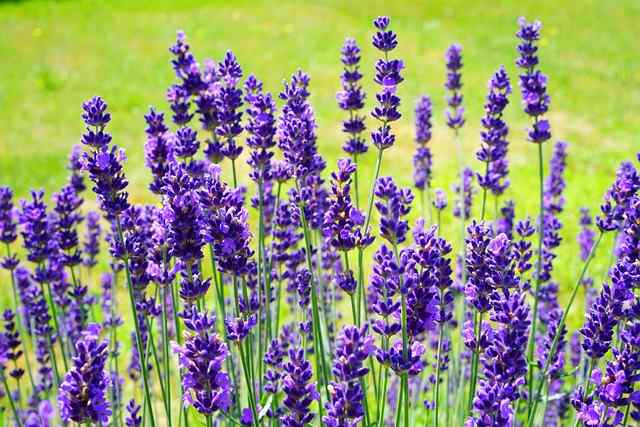
Before embarking on the journey of growing lavender, it’s essential to familiarize oneself with the various types of lavender plants. The most common species include:
English Lavender (Lavandula angustifolia): This variety is cherished for its fragrant blooms and is often used in essential oils, sachets, and culinary applications. It is hardy and well-suited to cooler climates.
French Lavender (Lavandula dentata): Known for its unique serrated leaves and plump flower spikes, French lavender has a more robust aroma. It thrives in warmer, milder climates.
Spanish Lavender (Lavandula stoechas): This type stands out with its butterfly-like flower tops and is often used in ornamental gardens. It is less cold-tolerant than other types.
Lavandin (Lavandula x intermedia): A hybrid of English and Spanish lavenders, lavandin is known for its high oil content, making it popular for commercial production.
These varieties not only differ in appearance and aroma but also in their growing requirements. Understanding these distinctions is crucial for cultivating a thriving lavender garden.
Choosing the Right Location
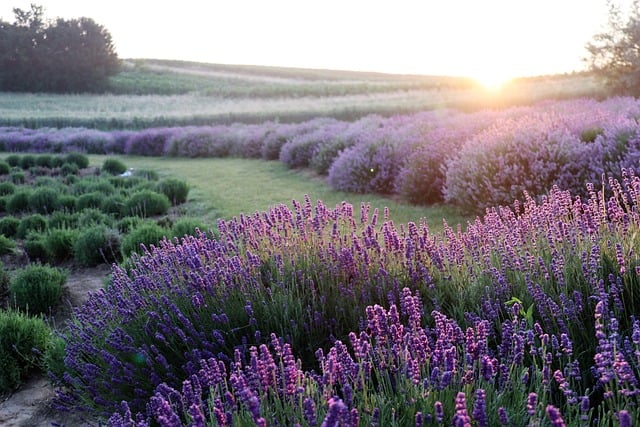
Selecting the perfect spot for your lavender is vital to its growth and overall health. Lavender flourishes in full sunlight, requiring at least 6 to 8 hours of direct sunlight per day. Here are some considerations when choosing the right location:
Sunlight: Ideally, your lavender should bask in the sun. Look for a south- or west-facing slope that can capture the sun’s rays.
Air Circulation: Lavender prefers good air circulation to prevent mildew and other diseases. Avoid planting in crowded areas or shaded spots.
Drainage: As a Mediterranean plant, lavender hates soggy roots. Aim for a location with well-drained soil. If your area has heavy clay, consider building raised beds or adding sand or gravel to improve drainage.
In my own experience, I once planted lavender beneath a large oak tree, mistakenly believing it would be a charming spot for a “woodland lavender garden.” However, the tree absorbed much of the moisture and nutrients, leading to disappointing growth. This taught me the invaluable lesson of prioritizing sunlight and drainage in my lavender endeavors.
Soil Preparation: Creating the Ideal Environment

Lavender has specific soil requirements that contribute significantly to its health and productivity. Following the steps below will ensure that your lavender thrives:
Soil pH: Lavender prefers a pH range of 6.0 to 8.0, leaning towards the alkaline side. You can test your soil with a simple home kit available at garden centers.
Soil Texture: Sandy or loamy soil is ideal, as these textures provide good drainage. If your soil is heavy clay, amend it with sand, perlite, or small gravel to improve its texture.
Nutrients: Lavender doesn’t need overly rich soil. In fact, too much nitrogen can lead to leggy growth and fewer blooms. If you need to amend your soil, focus on adding organic matter, like compost, at a minimal level.
In my first lavender garden, I was eager to enrich the soil with compost. I thought, “More nutrients mean better growth!” It turned out that my excitement led to stunted plants that were more foliage than flowers. After experimenting, I discovered that less truly is more when it comes to lavender’s nutrient needs.
Planting Lavender: Timing and Techniques

Timing and technique play an integral role in the success of growing lavender.
Timing: The best time to plant lavender is in the spring after the last frost or in the fall, about six weeks before the first expected frost. This allows the plants to establish a robust root system before the extreme temperatures set in.
Spacing: When planting, space your lavender plants about 12 to 18 inches apart. This spacing allows for proper airflow and prevents fungal diseases that can develop in crowded conditions.
Planting Depth: Dig a hole that is about twice the width and depth of the root ball. Position the plant so that the crown (where the roots meet the stem) is level with the soil surface. This is crucial for proper drainage.
As I reflect on my lavender planting experiences, I remember my impatience during the spring of my first lavender garden. I was eager to see results and crowded my plants. The subsequent melange of foliage and few flowers was a stark reminder of the virtues of patience and proper spacing.
Watering: Finding the Balance
Watering lavender can be tricky; too little can lead to drought stress, while too much can cause root rot. Understanding how to maintain the right moisture level is key.
Establishing Roots: In the initial planting phase, water your lavender regularly to help it establish roots. However, allow the soil to dry out between waterings. A general guideline is to water once or twice a week for the first month.
Established Plants: After the root system is established (usually after the first growing season), lavender is drought-resistant and requires minimal watering. In deep summer months, if you live in a particularly hot climate, a deep watering every 2 to 3 weeks should suffice.
My own watering journey began with an unfortunate overzealous approach. After losing a few young plants to root rot, I learned to err on the side of drought rather than indulgence. Catching the balance between drought-resilience and moisture needs is pivotal.
Fertilizing: A Necessary Component?
Many gardeners wonder whether fertilizing is necessary when growing lavender. The key is to understand what lavender truly needs.
Minimal Fertilizer: Generally, lavender should not be over-fertilized. A light application of a balanced fertilizer in spring can promote growth. However, if your soil is already rich in organic matter, you can skip this step.
Organic Options: If you choose to fertilize, opt for organic choices like fish emulsion or compost tea. This approach aligns with lavender’s preference for a natural environment.
Drawing from my experiences, I recall the mistake of applying a chemical fertilizer rich in nitrogen. The outcome was a garden filled with vibrant greens and almost no flowers. Abandoning the over-analysis of growth in favor of a more natural approach led to a flourishing lavender landscape.
Pruning Lavender: Keeping It Healthy and Beautiful
Pruning is a crucial aspect of maintaining lavender plants, ensuring they stay healthy and continue blooming year after year.
Timing: The best time to prune lavender is in early spring, just before new growth begins. In regions with mild winters, you may prune in late summer or early fall.
Techniques: Use sharp, clean shears to trim back about one-third of the plant’s height. Be careful not to cut into the woody stems, as this can damage the plant. Aim to shape the plant into a mound which encourages new growth and improves airflow.
Post-Bloom Care: After the flowering season, deadhead spent blooms to encourage new growth and prevent reseeding. You can also lightly trim back the foliage if it appears unruly.
Learning to prune lavender felt daunting at first. My initial attempts were often too conservative or too aggressive. However, I eventually found confidence in my shears, realizing that a timely cut would promote a fuller and healthier plant.
Pest and Disease Management
Though lavender is relatively pest-resistant, it’s not immune to certain issues. Awareness of potential threats can help you protect your plants effectively.
Common Pests: Aphids and whiteflies may occasionally target lavender. A hard blast of water can dislodge them; for more entrenched infestations, consider insecticidal soap.
Diseases: Root rot and fungal diseases are the main concerns. To avoid these, ensure proper drainage and avoid overcrowding.
In my own lavender ventures, I’ve faced a few battles with pests. My most memorable incident involved a sudden burst of aphids across a beloved plant. After extensive research and consultation with fellow gardeners, I learned to embrace prevention over cure, regularly inspecting and even introducing beneficial insects to my garden.
Harvesting Lavender: Timing and Techniques
Once your lavender plants have matured and are brimming with blooms, it’s time to think about harvesting. This step marks the culmination of your gardening efforts.
Timing: The ideal time to harvest lavender is when about two-thirds of the flower spikes are in bloom. This ensures that the blooms are at their peak fragrance.
Techniques: Use scissors or pruners to cut the stems, ideally in the morning when the dew has dried but before the heat of the day sets in. Bundle several stems together and hang them upside down in a cool, dark, and dry place.
In my lavender-harvesting journey, I discovered the thrill of snipping away at the beautifully aromatic stems, each cut a reminder of the labor and love poured into their care. It transformed into a ritualistic moment filled with sensory delight—frames of lavender-scented air enveloping me as the blooms swayed gently.
Using Lavender: From Culinary to Therapeutic
Lavender is remarkably versatile, and knowing how to utilize this extraordinary herb can enhance your culinary and wellness practices.
Culinary Uses: From lavender-infused syrups to herbal teas, its unique flavor can elevate both sweet and savory dishes. One of my favorite creations is lavender lemonade, where the delicate floral notes add a refreshing twist to a classic drink.
Therapeutic Uses: Lavender is renowned for its calming properties. Essential oils extracted from the flowers are used in aromatherapy, promoting relaxation and sleep. Creating sachets for drawers or nighttime pillows can infuse gentle fragrances into your living spaces.
Sharing lavender with friends and family has become one of my most cherished activities. A simple jar of homemade lavender-infused sugar or a sachet tucked into a loved one’s drawer has led to delightful conversations surrounding the herb’s remarkable benefits and enchanting qualities.
Conclusion: Embracing the Journey of Growing Lavender
Growing lavender is a rewarding blend of art and science, intertwining patience, knowledge, and genuine love for the plant. From selecting the right variety to understanding its care requirements and final uses, the journey of cultivating lavender is filled with discovery and satisfaction.