

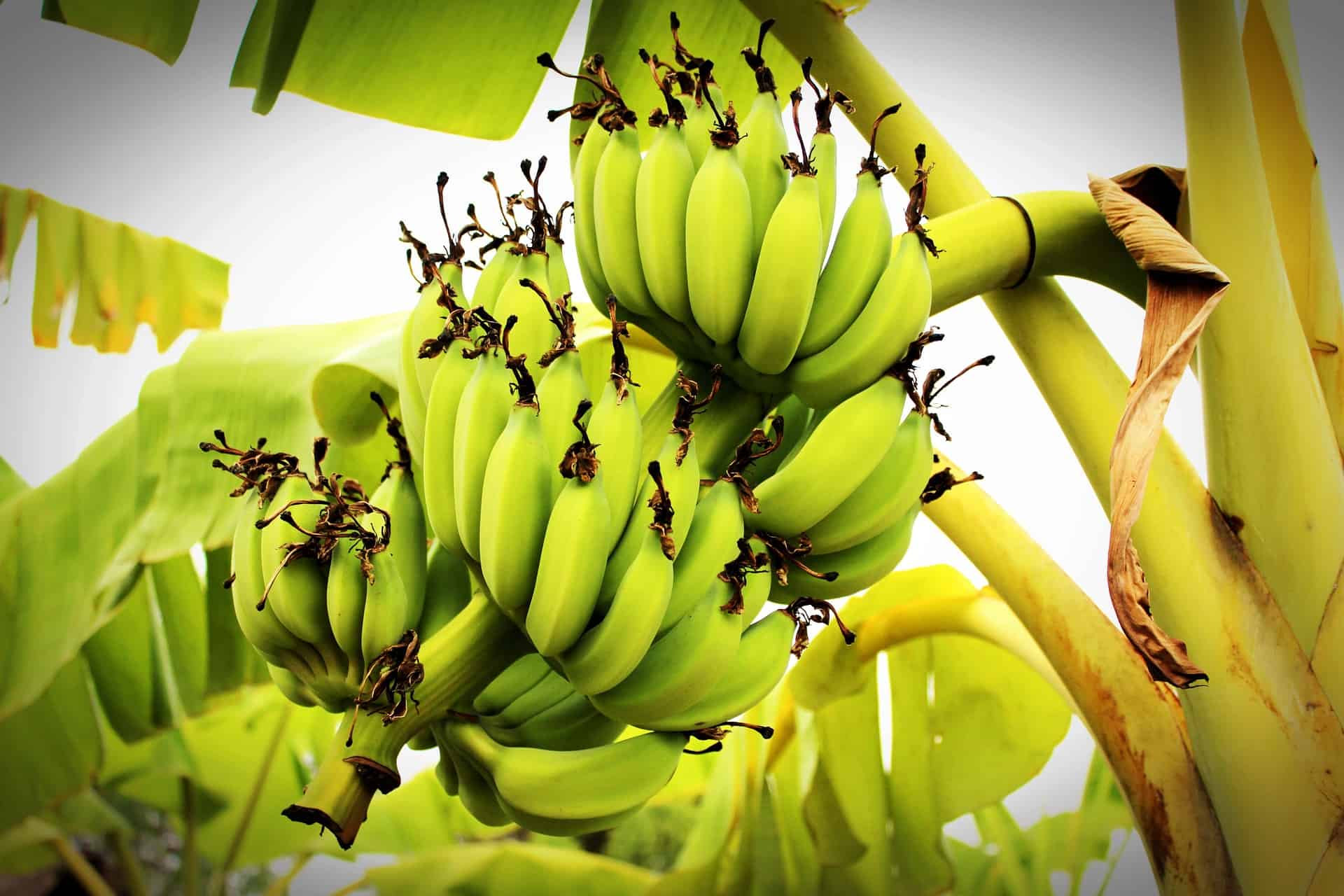
Bananas are more than just a delightful snack; they symbolize warmth, tropical climates, and lush landscapes. For many, the thought of growing bananas invites visions of swaying palms and golden clusters of fruit gleaming in the sun. Yet, nurturing these plants is an art that combines knowledge, patience, and a touch of passion.
This guide will walk you through the intricate process of cultivating your very own banana plants, from understanding their biology to enjoying the fruits of your labor.
Understanding the Banana Plant
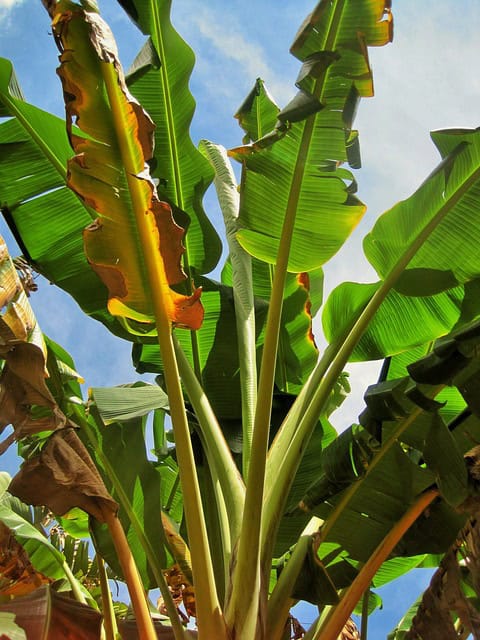
Before diving into the intricacies of banana cultivation, it’s essential to grasp the anatomy and lifecycle of the banana plant. A common misconception is that bananas grow on trees; in reality, they are classified as herbaceous plants. The “trunk” is a pseudostem composed of tightly packed leaf bases. Banana plants can reach heights of up to 15 feet, depending on the species and environmental conditions.
The lifecycle of a banana plant is fascinating. It begins with a corm, a modified underground stem that acts as a food storage organ and forms new shoots. These shoots, known as suckers, can be separated to propagate new plants. The whole journey, from planting to fruit-bearing, can take approximately 9 to 18 months depending on the banana variety and environmental conditions.
Another intriguing aspect is that banana plants are perennial, meaning they will continue to produce for several years, ideally giving you harvests multiple times if maintained correctly. However, after fruiting, the original plant typically dies, making way for the suckers to grow in its place.
Choosing the Right Variety
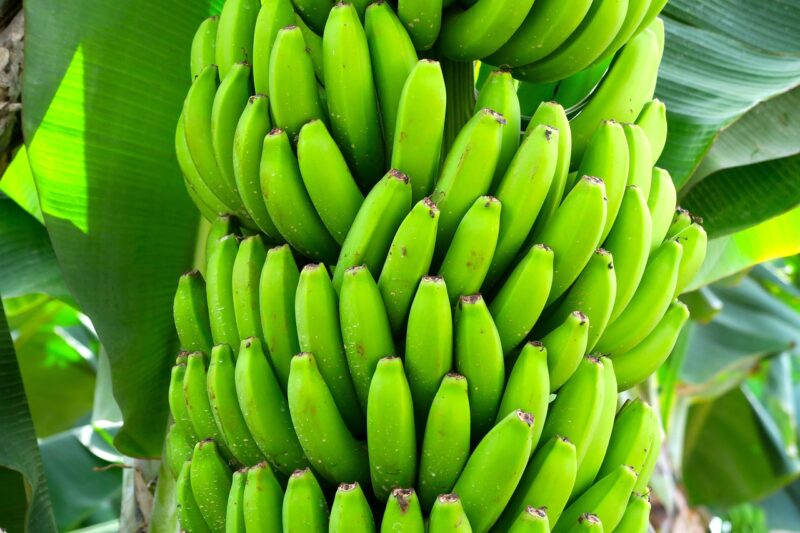
Selecting the ideal banana variety is one of the most critical steps in growing bananas successfully. There are numerous varieties, but here are a few popular ones you might consider:
Cavendish: The most commercially recognized banana, known for its sweet taste and creamy texture. It’s resistant to many diseases, making it a favorite among growers.
Apple Banana (Manzano): A smaller, sweeter variety with apple-like notes. It’s a delight for fresh-eating and desserts.
Red Banana (Red Dacca): With its reddish-purple skin and sweet flavor profile, it adds a unique decorative touch and taste experience to your banana collection.
Burro: Another lesser-known assortment that offers a tangy flavor and firm texture.
Consider your local climate, space, and purpose for the bananas when selecting a variety. For example, if you’re looking for a decorative plant, you might choose the Red Banana variety for its unique appearance. If you’re after consistent production, the Cavendish would be a solid choice.
Preparing the Planting Location

Banana plants require specific environmental conditions to flourish. Here’s how to select and prepare a planting location that maximizes your chances of success:
Climate: Bananas prefer warm, tropical climates where temperatures remain consistently above 68°F (20°C). If you live in a cooler area, consider growing them in pots that can be moved indoors during colder months.
Sunlight: Full sun is crucial for banana plants to thrive. Aim for a location that receives at least six to eight hours of direct sunlight each day. If possible, avoid areas with strong winds, as banana plants can be susceptible to wind damage.
Soil: Rich, well-draining soil is essential. A pH of 5.5 to 7 is ideal. To achieve this, mix organic compost or well-rotted manure into the soil, providing vital nutrients for growth. If planting in heavy clay or sand, consider adding organic materials to help improve drainage and retain moisture.
Spacing: Give each banana plant enough space to grow. Ideally, plant them 8 to 10 feet apart. The expansive reach of their leaves means they’ll need room to stretch out without overcrowding, which can lead to pest problems or reduced airflow.
Planting Your Bananas
Once your planting location is prepared, it’s time to plant your banana corms or suckers. If you’re starting with corms, select a healthy one that weighs around 2-3 pounds, ideally from a nursery specializing in bananas to ensure disease-free stock.
Digging the Hole: Create a hole that is at least twice as wide as the corm or sucker and 12 inches deep. This ensures ample space for root development.
Positioning the Corm: Place the corm in the hole, with the top slightly above ground level to facilitate drainage. If planting suckers, ensure they contain some roots for better establishment.
Backfilling and Watering: Gently backfill the hole with soil, ensuring there are no air pockets. Water the plant thoroughly to help settle the soil around the roots.
Watering and Feeding
Banana plants have a high water requirement, making efficient irrigation vital for their growth. Here are some watering tips:
Frequency: Water the plants deeply 1-2 times a week, allowing the soil to dry slightly between sessions but never letting it completely dry out. Monitor the leaves; if they start to curl or appear wilted, it’s typically a sign of inadequate moisture.
Water Quality: If possible, use rainwater as it tends to be softer and free from chlorine and other chemicals found in tap water, which can affect the plant health.
In terms of feeding, banana plants are heavy feeders. They thrive on an organic fertilizer rich in potassium, nitrogen, and phosphorus. Consider using a balanced fertilizer every four to six weeks, adjusting according to the growth stage of the plant.
Mulching for Healthier Growth
Applying mulch is a simple but effective way to promote the health of your banana plants. Here’s why you should integrate mulching into your gardening routine:
Moisture Retention: Mulch helps the soil retain moisture, reducing the frequency of watering.
Weed Suppression: A thick layer of mulch can inhibit weed growth, meaning less competition for nutrients and water.
Soil Enrichment: As organic mulch decomposes, it enriches the soil with nutrients, promoting better growth.
Utilize organic materials like straw, wood chips, or bark. A layer of about 4-6 inches, while keeping the base of the plant clear, should suffice.
Pest and Disease Management
While banana plants are relatively robust, they are susceptible to various pests and diseases. Being vigilant and proactive can help you maintain healthy plants:
Common Pests: Watch for aphids, spider mites, and banana weevils. Introduce beneficial insects like ladybugs for control, or use neem oil to deter pests.
Diseases: Fusarium wilt and panama disease are two significant threats. The disease can linger in the soil, so ensure you purchase disease-resistant plant varieties and rotate your crops regularly.
Regularly inspect your plants, making note of any anomalies in leaf color or growth patterns. Don’t hesitate to act at the first signs of trouble, as early intervention can save your entire crop.
Supporting Your Banana Plants
As banana plants mature and begin to develop fruit, providing support can become necessary. The weight of the ripening bananas can sometimes cause the plant to topple over, especially during high winds or heavy rains. Here’s how to effectively support your banana plants:
Staking: Use sturdy stakes to prop up the plant. Place the stake in the ground near the base of the pseudostem, being careful not to damage the roots. As the plant grows, use soft twine to hold it upright.
Trellising: For varieties with longer stalks, consider a trellis system to help support the weight of the fruit and foliage. A simple framework can be built with wood or metal framing, securing the plant as it grows larger.
Harvesting Your Bananas
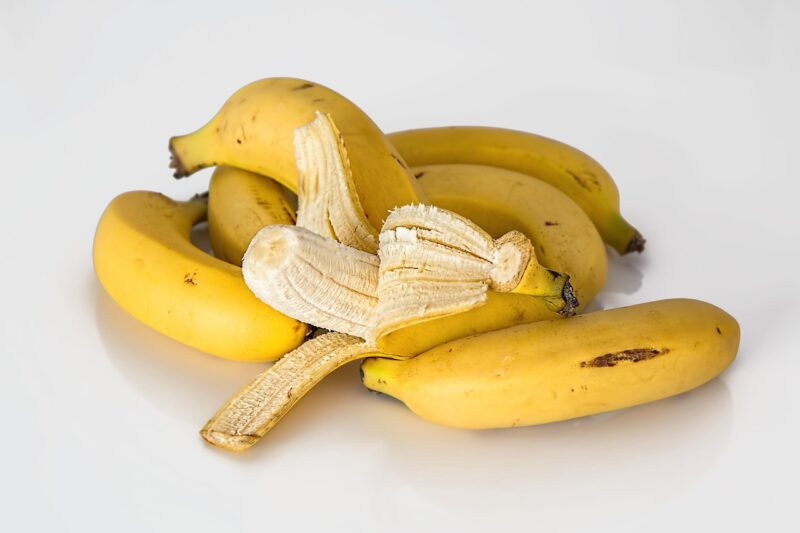
The excitement of growing bananas culminates in the harvest, a rewarding moment for any gardener. Knowing when to harvest is key to enjoying the best flavor and texture:
Timing: Bananas usually take about 75 to 80 days after flowering to mature. The fruit will initially develop green and gradually turn yellow as it ripens.
Indicators: When the first banana starts to slip away from the cluster, it’s often time to harvest. However, feel free to harvest the entire bunch before it fully ripens to avoid the risk of loss from pests or adverse weather.
To harvest, use a sharp knife or shears to cut the entire bunch off the plant. Store them in a cool, dark place, allowing them to ripen naturally. Avoid direct sunlight, which can lead to uneven ripening.
Enjoying Your Bananas

Once your bananas have ripened, you can enjoy them in various ways. They are immensely versatile, serving as a quick snack, a smoothie ingredient, or a baking companion in delicious desserts like banana bread.
Sharing recipes and stories about your homegrown bananas can be a fun way to engage with family and friends. Imagine serving a dish made from bananas you nurtured from the very start! Whether baked into a pie or blended in a smoothie, the joy of your agricultural accomplishment will surely spice up your culinary creations.
Challenges in Growing Bananas
While the journey of growing bananas is fulfilling, it’s not devoid of challenges. Understanding potential hurdles can prepare you for a smoother experience:
Climatic Constraints: If you’re in a region with significant cold spells, your banana plants may struggle. Consider frost protection strategies or indoor planting options.
Limited Knowledge: Gardening is continuously evolving, and staying updated on best practices is essential. Join gardening forums or follow expert blogs dedicated to banana cultivation.
Personal Stories and Reflections
As someone who has gone through the engaging experience of nurturing banana plants, I can share a slice of my journey. The first time I saw my banana flowers bloom was truly magic. The delicate pink buds that eventually unfurled into large clusters made me realize just how rewarding this gardening venture can be.
Moreover, the thrill of sharing my homegrown bananas with friends and family during gatherings solidified my love for this endeavor. It’s not just about the fruit; it’s about the stories, the laughter, and the joy of bringing a piece of nature into our everyday lives.
Conclusion
Growing bananas is a blend of patience, passion, and attentive care. Whether you’re drawn by their aesthetic allure, nutritional value, or the simple joy of nurturing a living thing, the journey is undoubtedly worthwhile. From choosing the right variety to managing pests effectively, every step of the process builds a deeper connection with nature.