
Mushrooms are not just a culinary delight; they are a fascinating and diverse kingdom of organisms with a myriad of benefits. Whether you’re seeking a new hobby, a way to expand your gardening repertoire, or an avenue to explore sustainable food sourcing, growing mushrooms is an incredibly rewarding endeavor.
In this guide, we’ll delve deep into how to grow mushrooms, bringing together practical advice, scientific insights, and personal anecdotes to illuminate the path to successful cultivation.
Understanding Mushrooms: An Introduction
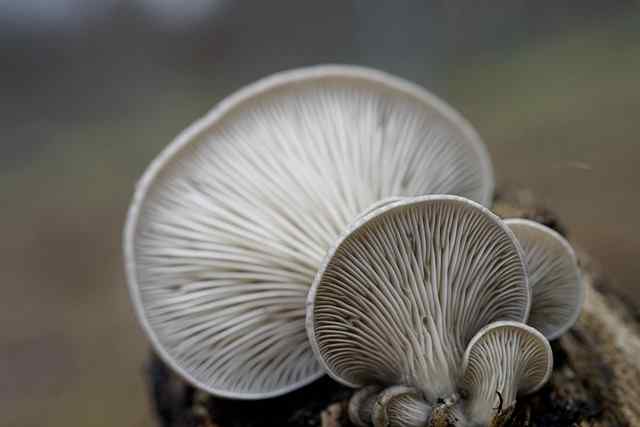
Mushrooms are the fruiting bodies of fungi, forming from a vast network of mycelium that exists underground or within organic matter. Unlike plants, mushrooms don’t rely on sunlight for energy; instead, they obtain nutrients from decomposing organic material. This unique biology allows mushrooms to play essential roles in ecosystems, including nutrient cycling and soil health.
When beginning your mushroom-growing journey, understanding the types of mushrooms you can cultivate is key. Common types for home cultivation include:
Button Mushrooms (Agaricus bisporus): These are some of the most familiar mushrooms and are often used in various dishes.
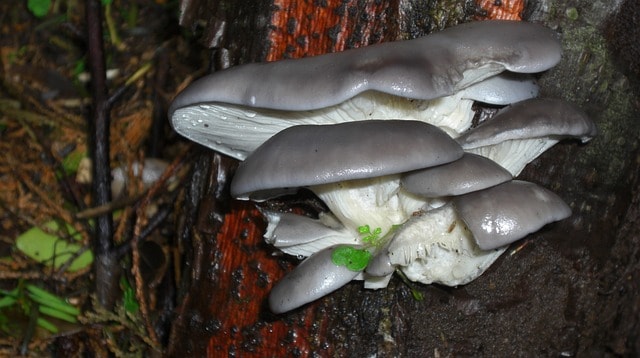
Oyster Mushrooms (Pleurotus ostreatus): Known for their delicate texture and ability to grow on various substrates.
Shiitake Mushrooms (Lentinula edodes): Valued for their flavor and medicinal properties, often grown on logs or sawdust.
Lion’s Mane Mushrooms (Hericium erinaceus): Notable for their unique appearance and cognitive health benefits.
Having a foundational understanding of mushrooms sets the stage for successful cultivation.
Selecting the Right Mushroom for Your Environment
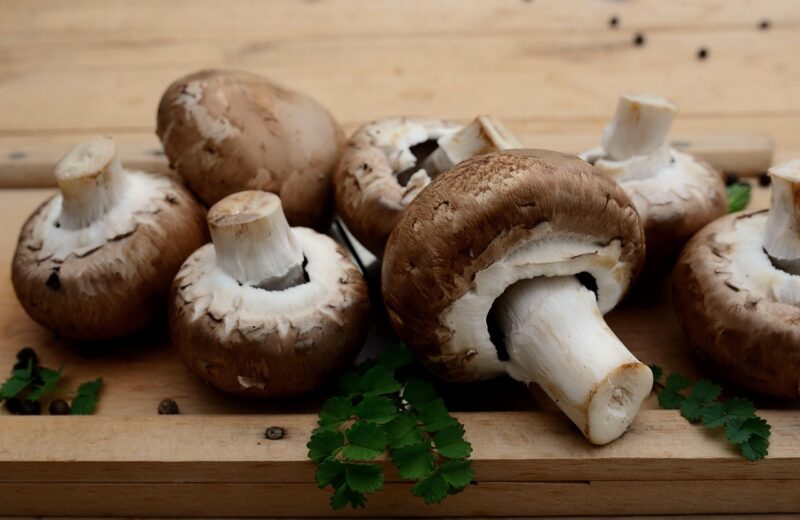
Choosing the right mushroom to grow at home is crucial for both novice and experienced cultivators. Each type of mushroom has specific requirements concerning temperature, humidity, light, and substrate.
When selecting mushrooms, consider the following factors:
Climate Compatibility: Some mushrooms prefer warmer temperatures, while others thrive in cooler environments. Research the temperature ranges suitable for your chosen variety.
Space Availability: Assess the space you have for cultivation—whether it’s a corner of your kitchen or a dedicated greenhouse. Larger species like shiitake may require more room than button mushrooms.
Substrate Choice: Different mushrooms have unique substrate needs. Button mushrooms typically grow best in compost, while oyster mushrooms can flourish on straw, coffee grounds, or cardboard.
Personal Anecdote: When I first started growing mushrooms, I was overly ambitious and decided to experiment with shiitake mushrooms without realizing they required a more nuanced setup. After numerous attempts, I finally transitioned to oyster mushrooms and found success almost immediately. This taught me the importance of aligning mushroom choices with personal circumstances.
Preparing a Suitable Environment for Growth
Mushrooms can be cultivated indoors or outdoors; however, each option comes with its own set of requirements to create an optimal growth environment.
In an indoor setup, consider the following:
Temperature and Humidity: Most mushrooms thrive in a temperature range of 60-75°F (15-24°C) and require high humidity. You can achieve this by using a humidifier or placing a tray of water nearby.
Air Circulation: Fresh air is essential for mushroom growth. Avoid stagnant conditions while ensuring that the environment is not too drafty.
Lighting: Most mushrooms need indirect light. Exposure to bright light for a few hours a day is often beneficial.
For outdoor cultivation:
Location: Choose a shaded area that stays moist, as direct sunlight can dry out substrates quickly.
Season: Timing is essential. Some mushrooms can be cultivated in specific seasons; for example, oyster mushrooms are often grown in the cooler months.
Pro Tip: Investing in a basic hygrometer can help monitor humidity levels, ensuring they stay within the ideal range for your chosen variety.
Sourcing Mushroom Spores or Spawn
The life cycle of mushrooms begins with spores, often considered analogous to seeds in plants. However, for beginners, mushroom spawn (a substrate fully colonized by mushroom mycelium) is far easier to use than starting from spores.
When acquiring mushroom spawn:
Local Suppliers: Look for local garden centers or farmers’ markets featuring mushroom spawn from reputable cultivators.
Online Retailers: Numerous online resources offer a wide range of mushroom spawn kits tailored for beginners. Be sure to read reviews and choose varieties that match your cultivation goals.
Insight: My first experience with mushrooms involved purchasing a pre-made oyster mushroom kit online. By following the instructions closely, I tapped into a resource that not only taught me the fundamentals but also ignited my passion for mycology.
Substrate Preparation and Sterilization
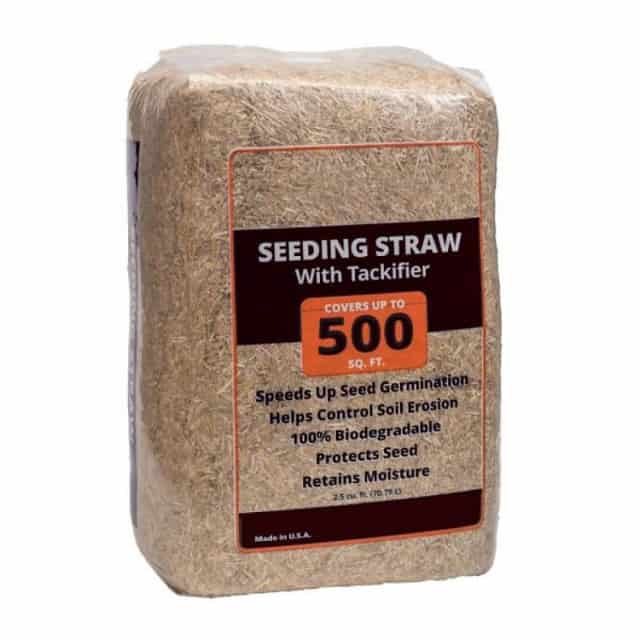
The substrate is a crucial factor in mushroom cultivation. It provides nutrients necessary for mycelial growth, making the preparation process vital.
Types of Substrates:
Straw: Frequently used for oyster mushrooms, straw is easy to handle and inexpensive.
Hardwood Sawdust: Ideal for shiitake mushrooms, hardwood sawdust offers a nutritious base for growth.
Coffee Grounds: If you’re a coffee lover, consider reusing coffee grounds. They are perfect for growing oyster mushrooms and provide an eco-friendly cultivation option.
Preparation Process:
Cleaning: Clean the substrate to remove contaminants.
Soaking: Soak straw or other fibrous substrates in water for a period, usually around 12-24 hours.
Pasteurization: This step is essential for sterilizing the substrate to eliminate unwanted microbes. Pasteurize by heating the substrate to about 160°F (71°C) for one hour.
Thoughtful Consideration: Understanding the importance of sterilization transformed my approach to growing mushrooms. The first time I neglected this step, I faced contamination, which was disheartening. Taking the time to genuinely understand this aspect made a world of difference.
Inoculation: Introducing Mycelium
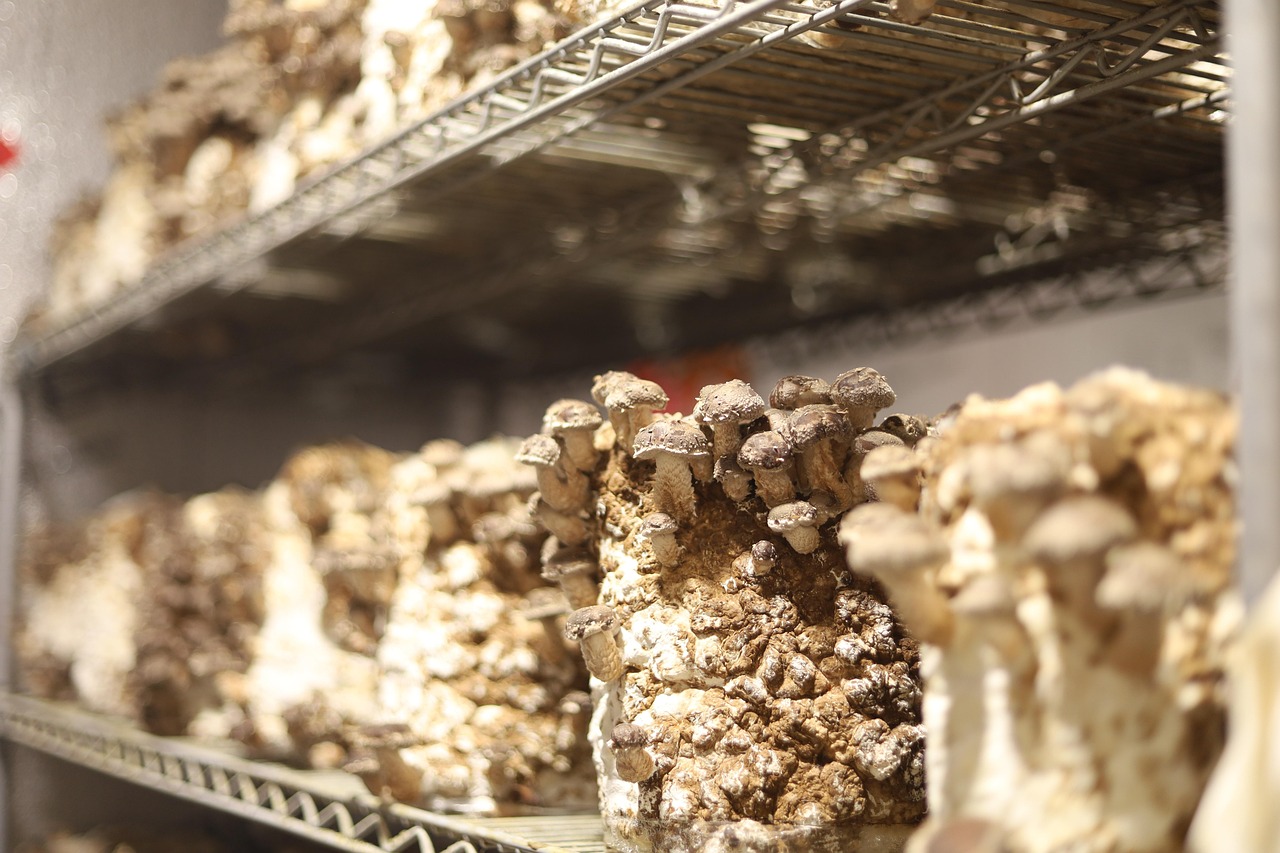
Inoculation is the exhilarating part where you introduce your chosen mushroom spawn to the prepared substrate. Use clean tools and techniques to prevent contamination.
Steps for Inoculation:
Cool the Substrate: Ensure that the substrate has cooled to room temperature after pasteurization.
Mixing: In a clean environment, mix spawn into the substrate at a ratio of about 1:10.
Sealing: Place the inoculated substrate into a clean container, like a plastic bag or a jar with holes for airflow.
Enlightening Observation: During my early cultivation days, I discovered the significance of working in a clean area. The first time I conducted inoculation carelessly, it resulted in a botch of mold and other contaminants. A sterile environment is a cultivator’s best friend!
Mycelial Growth: What to Expect
Once inoculated, the mycelium begins to colonize the substrate over the next few weeks. Here’s what to monitor:
Temperature: Maintain optimal temperatures for the mushroom type (typically between 65-75°F or 18-24°C).
Humidity: Mycelium requires a humid environment to thrive, so consider regular checks.
Airflow: Good airflow prevents fungal diseases during this growth phase.
Personal Reflection: I remember eagerly checking on my substrate daily during this phase, captivated by the white mycelial network spreading throughout. Each day felt like a milestone, marking progress on this fascinating journey.
Fruiting Conditions: Initiating Mushroom Development
Once the substrate is thoroughly colonized, it’s time to trigger the fruiting stage—the moment we all eagerly await!
Steps to Induce Fruiting:
Fresh Air Exchange: Fresh air is vital at this stage. You can achieve this by opening the container and providing indirect sunlight.
Humidity: Maintain a high humidity environment, generally over 85%.
Temperature Adjustments: For certain mushroom species, a slight drop in temperature can encourage the fruiting process.
Tantalizing Tips: Mist the growing area daily to maintain humidity, but ensure to avoid soaking the mycelium directly.
The Fruiting Stage: Harvesting Your Mushrooms
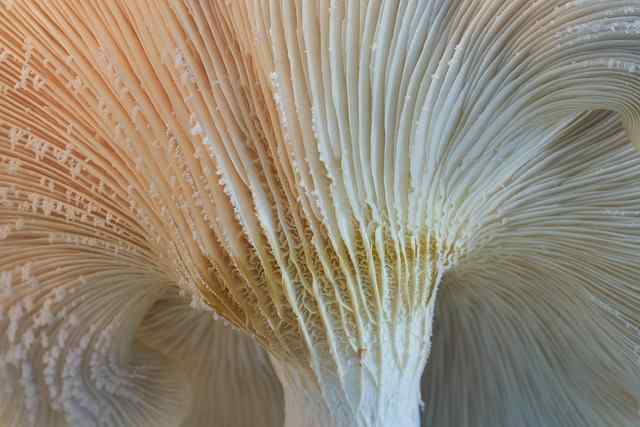
This is the moment you’ve been working towards. Mushroom caps will begin to push through the substrate, creating little “pins” that expand into full-grown mushrooms over the course of a few days.
Harvesting Techniques:
Timing: Harvest your mushrooms when the caps open, but before they flatten out. This is when they are packed with flavor and nutrients.
Gentle Removal: Twist or cut the base of the stem with clean tools to avoid damaging the surrounding fungi.
Celebratory Moment: The first harvest is always special. I remember my accomplishment the first time I held up a handful of fresh oyster mushrooms, feeling a sense of pride in the fruits of my labor.
Troubleshooting Common Issues
Even with the best planning, issues may arise during your mushroom-growing journey. Here are common challenges and how to address them:
Contamination: Presence of mold or unwanted fungi indicates poor sterile practices. Strengthen your sterilization processes for future endeavors.
Slow Growth: This can stem from suboptimal temperature, humidity, or air exchange issues. Assess your environment regularly.
Underdeveloped Mushrooms: If mushrooms remain small, it may be a signal of humidity problems or insufficient nutrients in the substrate.
Sharing Wisdom: My first experience with contamination was a disheartening failure, but it taught me valuable lessons about attention to detail and the necessity of establishing best practices.
The Joy of Harvesting: Culinary Adventures
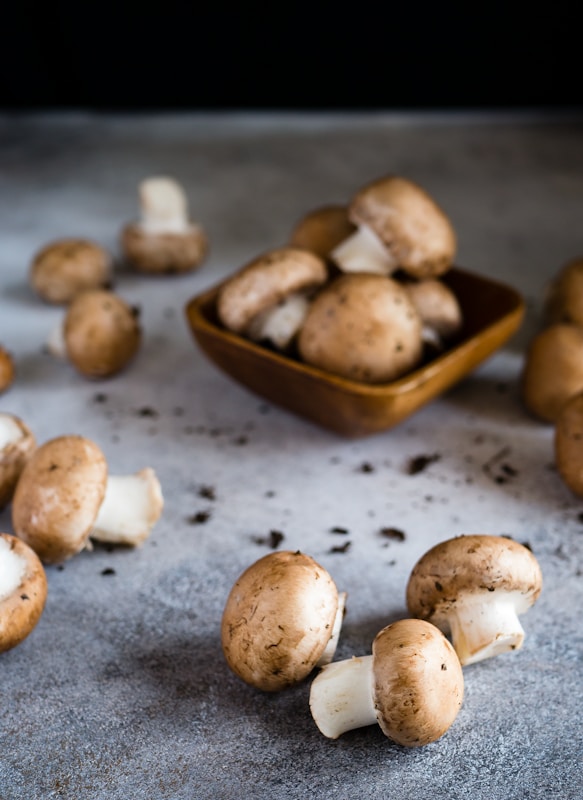
Freshly harvested mushrooms open the door to an array of culinary possibilities. Mushrooms can be used in soups, salads, stir-fries, sauces, and even as a meat substitute in various dishes.
Cooking with Mushrooms:
Sautéing: Lightly sauté mushrooms in olive oil for a simple, delicious treat.
Infusion: Dried mushrooms can be a flavorful addition to stocks and broths.
Pairing: Many mushrooms complement ingredients like garlic, herbs, and cheeses beautifully.
Culinary Inspiration: Recently, I experimented with a mushroom risotto using my homegrown mushrooms, elevating the dish with flavors that store-bought mushrooms could never replicate.
Sustainability: The Environmental Benefits of Mushroom Cultivation
Growing your own food is an act of sustainability, and mushrooms are particularly virtuous. They require little space and can thrive on agricultural waste such as straw, sawdust, and coffee grounds.
Benefits of Growing Mushrooms:
Waste Reduction: Utilizing natural waste materials as substrate reduces landfill contributions.
Soil Health: If composted post-harvest, mushrooms contribute to improving soil quality.
Biodiversity: Cultivating various mushroom species enhances fungal diversity and supports local ecosystems.
Reflection on Sustainability: Embracing mushroom cultivation not only allowed me to enjoy fresh food but encouraged a more sustainable lifestyle. Each harvest became a celebration of resourcefulness and an appreciation for our planet’s bounty.
Advanced Cultivation Techniques: Expanding Your Knowledge
As you grow more comfortable with the fundamentals, consider experimenting with advanced techniques.
Techniques to Explore:
Logs vs. Bags: Familiarize yourself with different cultivation methods. Some varieties flourish on hardwood logs, while others can be grown in bags or containers.
Controlled Environment Agriculture: If you’re looking to scale, creating a controlled growing room can boost yields exponentially and enable year-round cultivation.
Experiment with Different Varieties: Challenge yourself with unconventional types such as reishi, lion’s mane, or even truffles if you’re feeling ambitious.
Encouraging Exploration: Trying new techniques has been a pivotal part of my mushroom growing adventure. Each batch brings fresh insights and inspiration.
Conclusion: An Ongoing Journey
Growing mushrooms is an incredible journey that combines patience, curiosity, and a little bit of science. With each step, from selecting your variety and preparing substrates to harvesting and culinary applications, you gain not just knowledge but a connection to the food you grow.
Whether you’re cultivating for personal use, seeking a sustainable food option, or diving into the vast world of fungi, mushroom growing is a fulfilling experience. Remember, every grower faces trials and tribulations; learning from them is part of the process.