

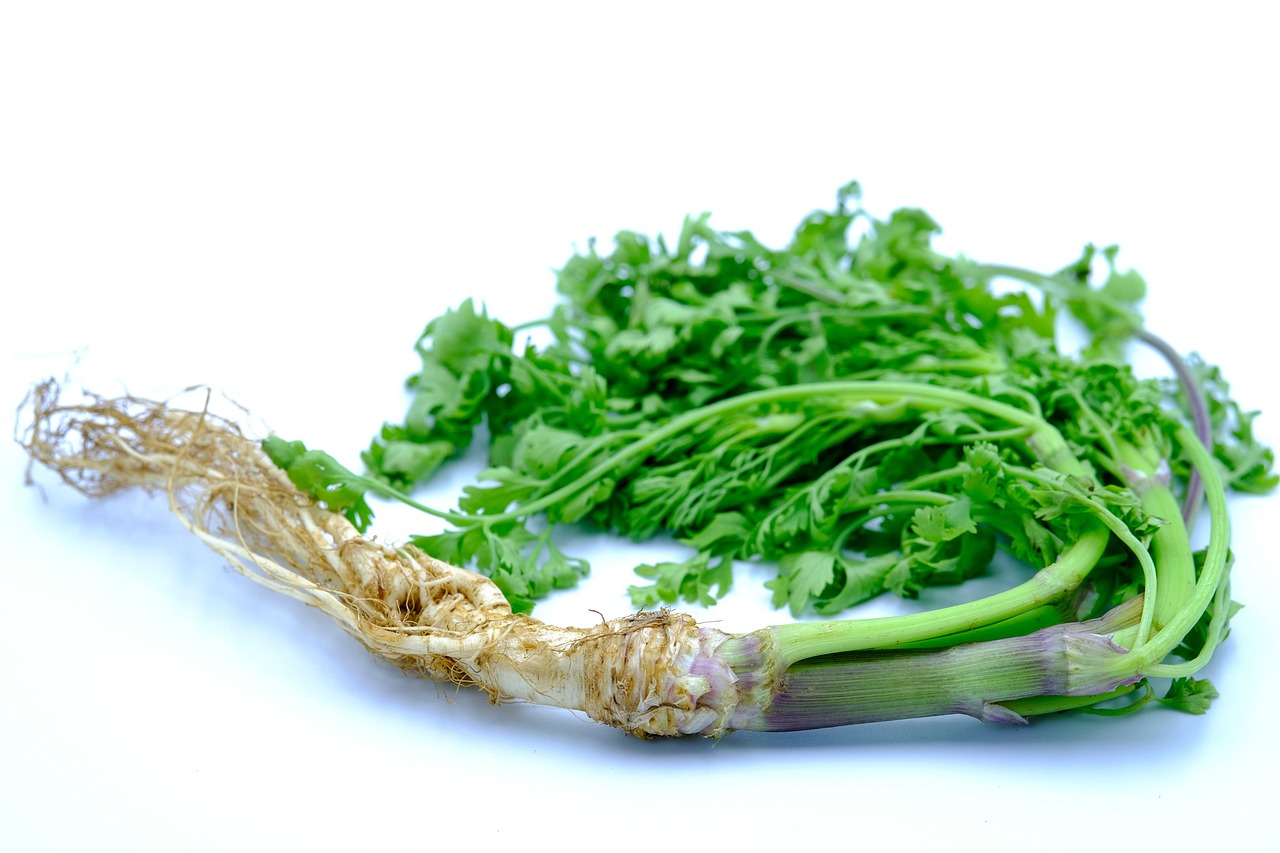
This post will guide you through the intricacies of cultivating cilantro, offering insights that go beyond mere instructions to create a narrative that connects you to this fantastic herb.
Understanding Cilantro: A Culinary Companion
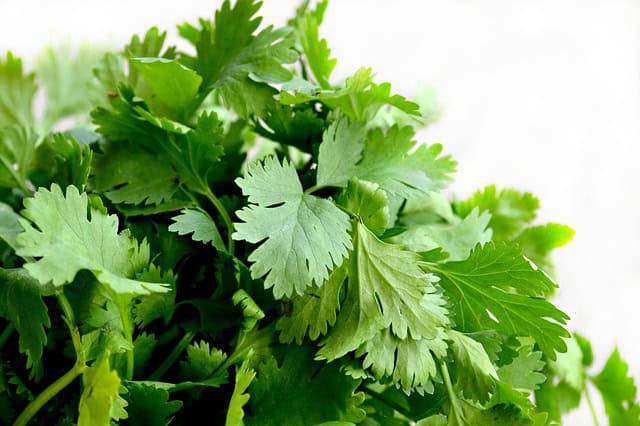
To appreciate how to grow cilantro effectively, it’s essential to understand its characteristics. Cilantro (Coriandrum sativum) is an annual herb belonging to the Apiaceae family, which also includes carrots, parsley, and dill. The plant’s leaves are what we commonly refer to as cilantro, while the seeds are known as coriander. This duality offers a unique advantage: you can harvest and utilize the leaves while also saving seeds for future planting.
The flavor profile of cilantro is polarizing—it can be a delightful addition to many dishes, or some people find its taste reminiscent of soap. Regardless, its popularity in cuisines, especially in Latin American, Middle Eastern, and Southeast Asian dishes, makes it a valuable herb to have on hand.
Choosing the Right Location: Sunlight and Soil
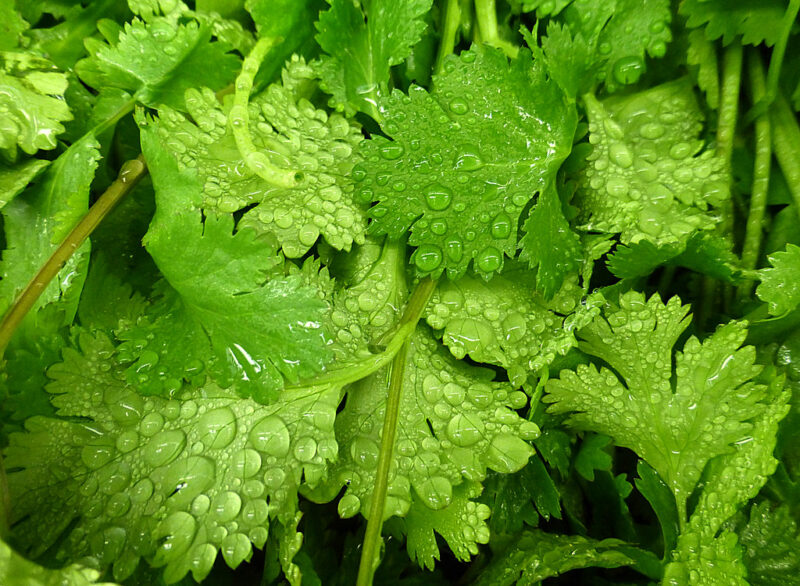
The first step in growing cilantro successfully starts with selecting the perfect location. Cilantro thrives in full sunlight, typically requiring at least 4-6 hours of sunlight each day. However, in hotter climates, a bit of afternoon shade can help protect your plants from bolting—when they flower and go to seed prematurely due to excessive heat.
When it comes to soil, cilantro prefers well-draining, nutrient-rich soil with a pH between 6.2 and 6.8. Before planting, consider conducting a soil test to assess its pH and nutrient content. If your soil is too acidic or alkaline, you can amend it using lime or sulfur, respectively. Additionally, incorporating organic matter, like compost or well-rotted manure, can enhance soil fertility and improve drainage.
In my experience, I’ve found that the simple act of digging deep into the soil and adding rich compost can significantly boost cilantro’s growth. The earthy smell and texture of well-tended soil instill a sense of connection to your garden and the plants you nurture.
Sowing Seeds: Timing and Techniques
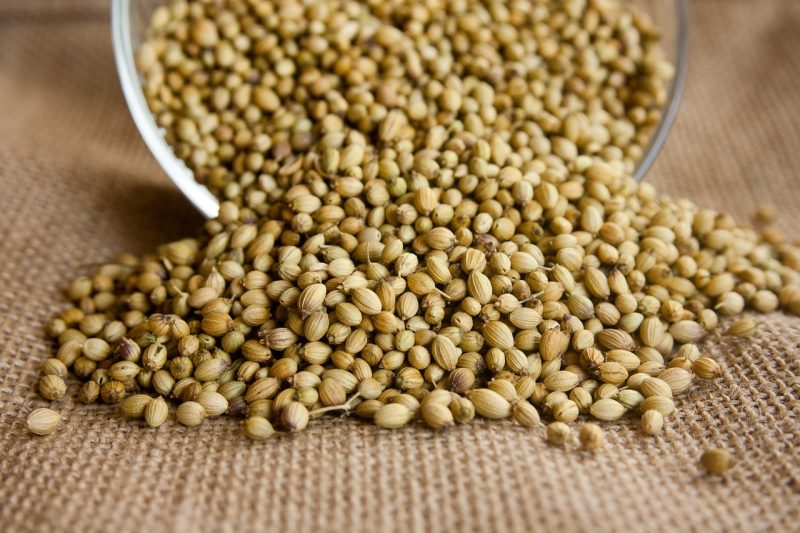
Cilantro can be directly sown into the ground or started indoors, depending on your climate and growing conditions. For most regions, the ideal time to sow cilantro seeds is in early spring, once the soil temperature reaches around 50°F (10°C). For those in warmer climates, a fall planting is also suitable as cilantro actually prefers cooler weather.
When sowing seeds, consider the following techniques:
Direct Sowing: Create shallow furrows in the prepared soil, spacing them about 12 inches apart. Sprinkle the seeds generously, as they tend to have a lower germination rate. Cover them with a thin layer of soil (about ¼ inch) and gently water them.
Indoor Seed Starting: If you prefer to start your cilantro indoors, use seedling trays filled with seed-starting mix. Plant one or two seeds per cell and keep them in a sunny location or under grow lights. This method gives you a head start, especially in regions with short growing seasons.
Regardless of the method you choose, be patient—cilantro seeds can take anywhere from 7 to 14 days to germinate. Use this time to nurture your plants—check the moisture levels and protect them from pests or extreme weather conditions.
Caring for Your Cilantro: Watering and Maintenance

Cilantro has specific watering needs. The soil should be kept consistently moist but not soggy. A good rule of thumb is to water deeply once or twice a week, allowing the soil to dry slightly between watering sessions. If you notice the leaves wilting, it could indicate that your cilantro is thirsty.
Mulching can greatly assist in retaining soil moisture and suppressing weeds. Organic mulch, such as straw or shredded leaves, will enrich the soil as it breaks down, adding a layer of nutrients over time.
As your cilantro grows, regular maintenance is crucial. Remove any weeds that might compete for nutrients and water. I’ve learned that visiting the garden frequently and observing what is happening allows you to catch any issues early—whether it’s pests nibbling on the leaves or nutrient deficiencies manifesting in yellower foliage.
Harvesting: Timing Is Everything
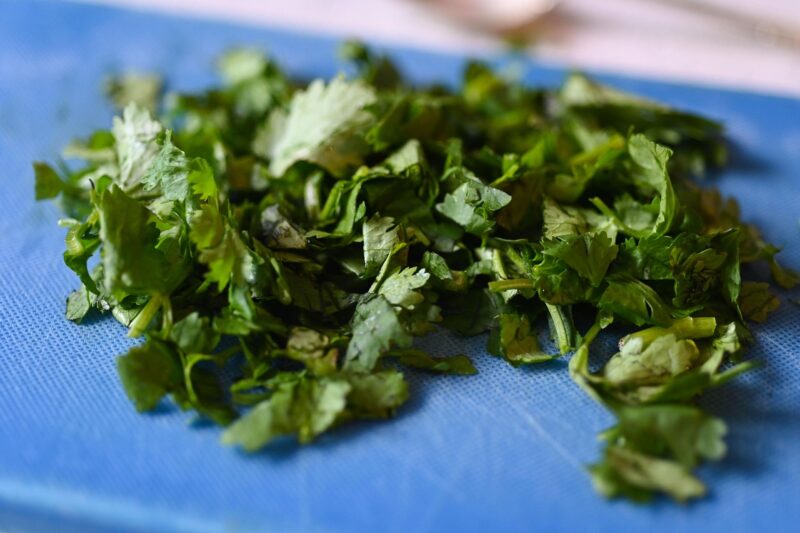
Timing your cilantro harvest is crucial for flavor and plant health. The best time to harvest cilantro is when the leaves are young and tender, ideally before the plant begins to flower. You can start harvesting once your plant reaches about 6 inches tall.
To harvest, simply cut the outer leaves with scissors or garden shears, leaving the inner leaves and stems intact. This encourages further growth. I’ve often found that the more frequently you harvest, the more robust the plant becomes—cilantro thrives on regular snipping.
If you wait too long to harvest and the plant starts to bolt, you can still benefit from the seeds. Allow the flowers to develop, and once they fade, they will produce coriander seeds that you can collect for future planting or culinary use.
Pests and Problems: Troubleshooting Your Cilantro Crop
Even the most seasoned gardeners encounter issues. Cilantro is susceptible to certain pests, such as aphids, spider mites, and whiteflies. These pests can be particularly troublesome in dense plantings. To manage these pests, consider implementing natural pest control methods, such as introducing beneficial insects like ladybugs or using insecticidal soap.
Additionally, cilantro can suffer from fungal diseases like powdery mildew, particularly in humid conditions. To reduce the risk, ensure proper spacing between plants for airflow and avoid overhead watering. If you notice any signs of disease, remove affected plants immediately to prevent its spread.
Despite these challenges, growing cilantro remains a rewarding venture. Each gardening season teaches you not just the science of cultivating plants, but also patience and resilience.
Culinary Uses: Celebrating Your Bounty

The joy of growing cilantro extends beyond the garden. Once harvested, the culinary applications of this herb are extensive. Cilantro is used fresh in salsas, salads, and garnishes, while its dried seeds, coriander, add warm spice to curries, baked goods, and more.
Experimenting with your cilantro harvest can unlock new flavors in your kitchen. I still remember the delight of whipping up a fresh salsa for a summer barbecue, the vibrant green cilantro adding both color and flavor. Additionally, cilantro shines in dishes such as:
Cilantro-Lime Rice: A refreshing side that pairs beautifully with grilled meats.
Chimichurri Sauce: A zesty sauce perfect for drizzling over steak or roasted vegetables.
Cilantro-Infused Oils: A unique twist for dressing salads or drizzling over soups.
The experience of growing cilantro allows you to connect with your food in a more meaningful way. There’s something incredibly satisfying about using a herb you nurtured from seed to table.
Preserving Cilantro: Extending the Flavor

If you find yourself with an abundance of cilantro, several methods exist to preserve its delightful flavor. Fresh cilantro can be tricky to store, as it tends to wilt quickly. However, these methods can help you savor its taste long after the last harvest:
Freezing: Chop fresh cilantro and mix it with a bit of water or oil, then spoon the mixture into ice cube trays for freezing. Pop out the cubes when needed for quick flavor additions to soups, stews, or sautés.
Drying: While drying cilantro reduces its flavor, it can still be useful. Hang bunches upside down in a dark, dry area, or use a dehydrator. Store the dried leaves in airtight jars but remember that they will lack the vibrant taste of fresh cilantro.
Cilantro Pesto: Blend fresh cilantro with olive oil, garlic, nuts, and cheese to make a cilantro pesto. This can be stored in the refrigerator for a week or frozen for longer preservation.
These preservation techniques not only reduce waste but also allow your culinary creativity to shine all year round.
Conclusion: The Heart of the Garden
In growing cilantro, you cultivate more than just a plant; you foster a deeper connection with your garden and the ingredients that grace your table. From selecting the right location to troubleshooting common challenges, each step of the cultivation process teaches invaluable lessons about patience, care, and the joys of nature.