
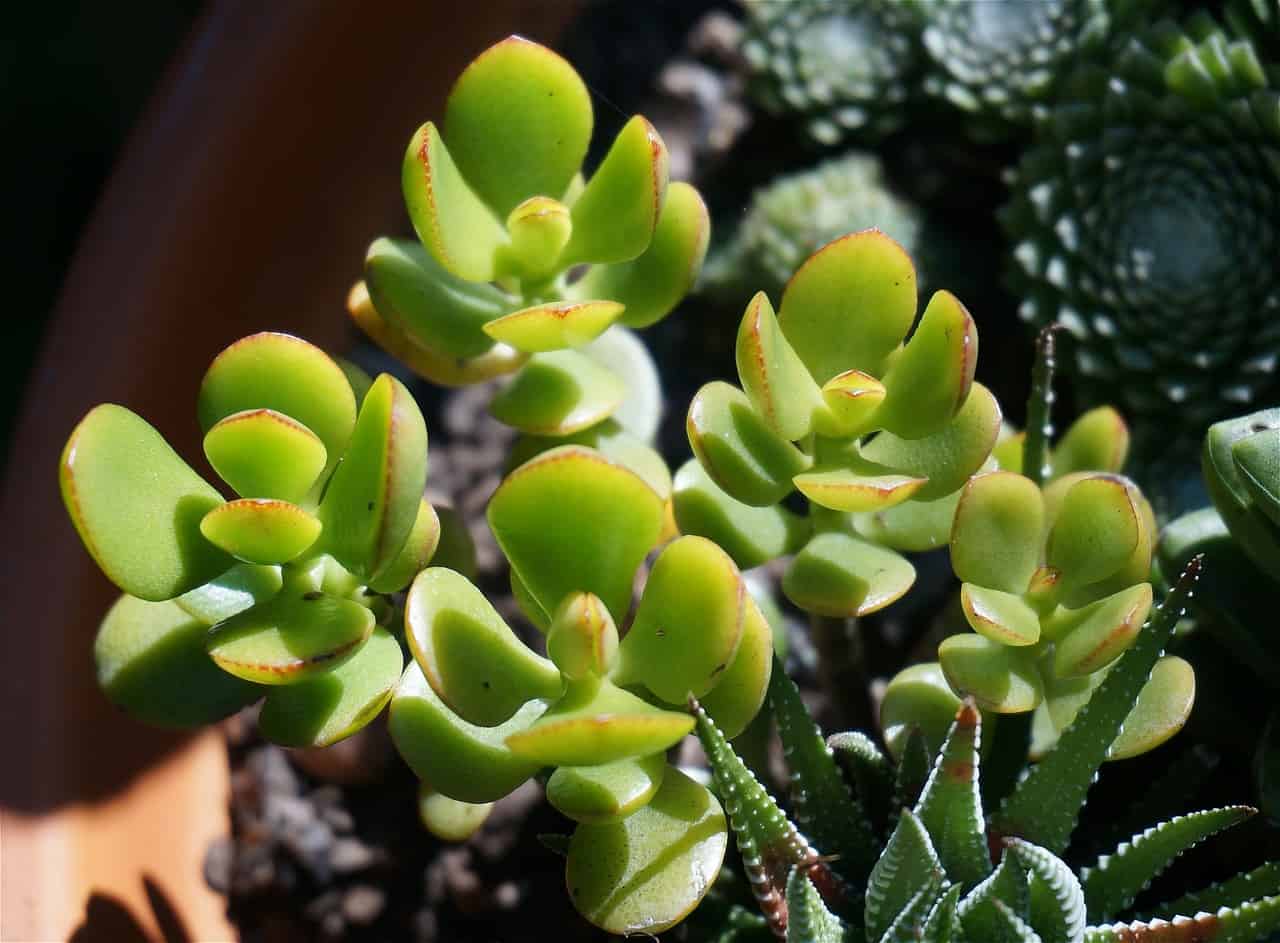
In this comprehensive guide, we’ll explore the methods, best practices, and insights into jade plant propagation, ensuring that even beginners can cultivate their green thumbs while mastering this delightful skill.
Understanding Jade Plants
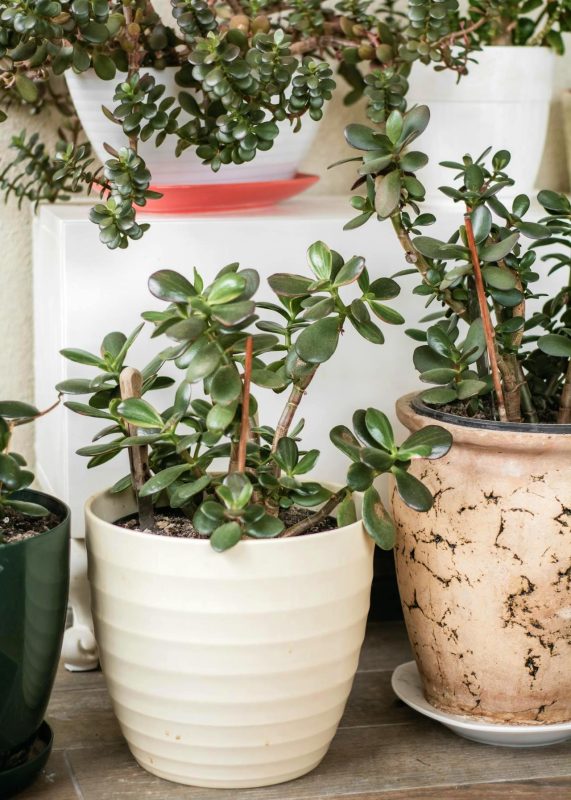
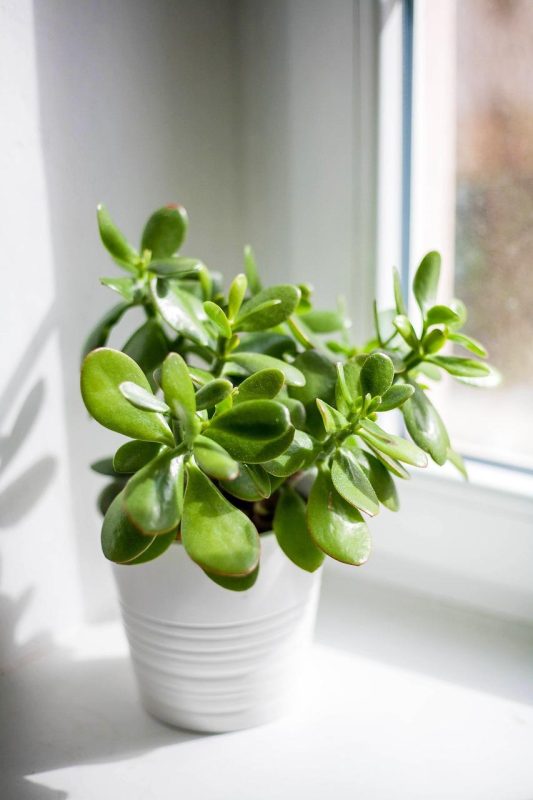
To appreciate the process of propagation fully, it’s essential to understand the jade plant itself. Native to South Africa, jade plants are succulents characterized by thick, fleshy leaves that can store water, making them well-suited for dry environments. These plants thrive in bright light and prefer well-draining soil, which mimics their natural habitat. Their easy-going nature makes them popular among novice gardeners, but there is more to them than meets the eye.
Jade plants can grow up to three feet tall indoors, often developing a small tree-like appearance. Their resilience isn’t just limited to care; they can also survive in various conditions, making them perfect candidates for propagation.
The Benefits of Propagation
It’s not just about having more plants; propagating jade plants offers a myriad of advantages:
Cost-Effective Gardening: Instead of purchasing new plants, propagation allows you to multiply your existing ones, saving money.
Environmentally Friendly: It reduces the need for commercial production and packaging, making your gardening more sustainable.
Connection to Nature: Watching a plant sprout from a leaf or stem can be a deeply rewarding experience, fostering a connection to the natural world.
Gift Giving: Dedicating time to propagate can lead to unique gifts for friends and family. A well-cared-for jade plant shows affection and warmth.
Experimentation: Propagation allows you to experiment with different types of soil, light conditions, and watering techniques, improving your gardening skills along the way.
As we delve into the various methods of propagation, keep these benefits in mind. They enhance the motivation behind each propagation effort, creating a deeper relationship with your plants.
Preparing for Propagation

Before you dive into the propagation process, there are a few preparations necessary to set the stage for success.
Ideal Timing
While jade plants can be propagated year-round, the best time is during the growing season, which typically spans spring and summer. During these months, the conditions are more favorable for root development due to increased daylight and warmer temperatures. However, if you find yourself in a pinch during the off-season, don’t be discouraged; jade plants are quite resilient if given proper care.
Tools and Materials Needed
Having the right tools can make the propagation process smoother:
Clean, Sharp Knife or Scissors: For cutting leaves or stems. Cleanliness is crucial to prevent disease transmission.
Well-Draining Soil: A cactus or succulent mix will ensure adequate drainage.
Potting Containers: Small pots with drainage holes work best.
Rooting Hormone (optional): While not always necessary, especially with established jade plants, rooting hormone can encourage faster rooting.
Watering Can or Spray Bottle: For ensuring moisture without overwatering.
Labels: If you’re propagating various types or tracking different stages.
Having these tools at your fingertips will help you feel prepared and confident moving into the propagation phase.
Leaf Propagation
One of the most common methods of propagating jade plants involves using a single leaf. Here’s a detailed breakdown of the process:
Step-by-Step Guide
Selecting the Right Leaf: Choose a healthy, plump leaf from the parent plant. Avoid leaves that show signs of damage or disease.
Cutting the Leaf: Using a clean, sharp knife, carefully cut the leaf at its base. Aim to obtain a clean cut to prevent injury to the plant.
Allowing the Leaf to Callus: After cutting, place the leaf on a dry surface away from direct sunlight for several days. This allows the cut end to callus over, preventing rot when planted.
Preparing the Soil: Fill your container with well-draining succulent soil. A potting mix designed for cacti is perfect.
Planting the Leaf: Once the cut end is callused, insert it into the soil, leaving about half of the leaf above the surface. Ensure the cut end is in contact with the soil.
Watering Considerations: After planting, lightly mist the soil with water using a spray bottle. Ensure it is damp but not soaking wet to prevent rot.
Caring for Your Leaf Cuttings
Light Requirements: Place the pot in indirect sunlight for optimal growth. Direct sun can scorch the leaf and hinder rooting.
Humidity: To maintain humidity, you can cover the pot with a clear plastic bag, creating a mini-greenhouse effect, but be vigilant about mold growth.
Waiting Period: Be patient—roots can take several weeks to develop. You may not see immediate growth, but give it time.
Signs of Success
After a few weeks, you might notice tiny roots developing, followed by new growth. These signs herald the successful propagation of your jade plant leaf.
Stem Cutting Propagation
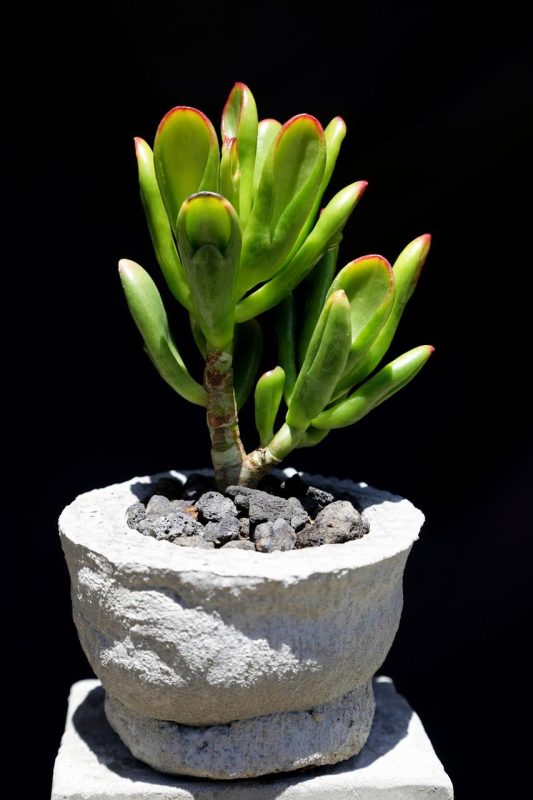
For those looking to propagate jade plants more robustly, stem cuttings offer another exciting method. This approach can lead to faster growth due to the larger tissue area compared to single leaves.
Step-by-Step Guide
Select a Healthy Stem: Choose a stem that has several leaves and appears healthy. A stem about four to six inches long works best.
Cutting the Stem: Using your clean knife, cut the stem below a node (the point where leaves grow). Ensure the cut is clean and smooth.
Callusing: Just like with leaf cuttings, allow the cut end to dry and callus for a few days. This step is critical to prevent rot.
Planting the Stem: Insert the stem cutting about one inch into your potting soil. The lower leaves should be above the soil line to prevent decay.
Watering Technique: Initiate a light watering routine, keeping the soil barely moist. Overly saturated soil can be detrimental to developing roots.
Caring for Stem Cuttings
Light Conditions: Position your stem cutting in bright, indirect light. Too much direct sunlight can harm the cutting.
Temperature and Humidity: Keeping the environment warm (around 70°F or 21°C) can enhance rooting. Consider a humidity dome for added moisture.
Monitoring Growth
After about three to four weeks, check for new leaf formation or root growth. If you notice any of these signs, congratulations! You’ve successfully propagated a jade plant through stem cuttings.
Offsets and Succulent Division
In addition to leaves and stem cuttings, jade plants can also be propagated using offsets, commonly known as pups. These small plants grow from the base of the parent plant and can be removed and replanted.
Step-by-Step Guide
Identifying Offsets: Look for small jade plants emerging from the soil at the base of the parent plant. These offsets should have their own roots.
Removing Offsets: Gently dig around the offset, taking care to avoid damaging its roots. Use your knife if necessary for a clean cut.
Transplanting: Newly detached offsets can be placed directly into fresh, well-draining soil. Ensure they are planted at a similar depth as they were originally growing.
Caring for Offsets
Initial Watering: Water lightly but do not saturate the soil. Allow the offset to settle into its new environment.
Lighting Conditions: Just like with leaf cuttings and stem propagation, provide bright indirect light.
Signs of Healthy Growth
If you see new leaves sprouting within weeks and the plant begins to establish itself, your efforts have paid off successfully!
Common Issues and Troubleshooting
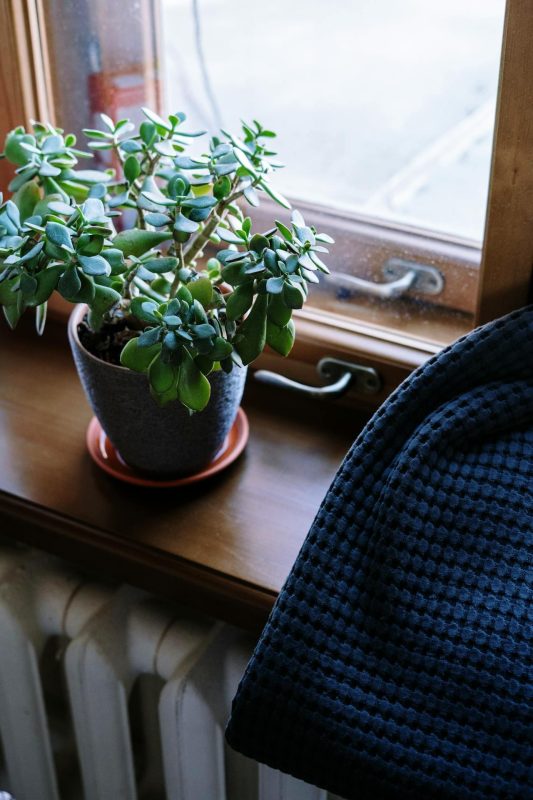
While jade plant propagation is generally straightforward, you may encounter some common issues. Understanding these challenges will help you navigate them effectively.
Overwatering
One of the leading causes of failure in jade plant propagation is overwatering. Jade plants are succulents that thrive in dry conditions. Ensure you’re allowing the soil to dry completely between watering.
Symptoms of Overwatering:
Yellowing leaves
Swelling of the stem
Mushy texture to the leaves
Disease and Pests
Check for signs of disease or pests, such as mealybugs or aphids. Regular inspections and quick action can prevent infestations.
Preventive Measures:
Use a well-draining soil mix.
Choose healthy parent plants for cuttings.
Poor Light Conditions
Insufficient sunlight can lead to slow growth or leggy plants. Ensure your jade plants receive enough light, as this is crucial to successful propagation.
Patience is Key
Finally, remember that propagation takes time. Celebrate small successes along the way, and don’t be discouraged by setbacks. Every successful leaf or stem cutting can remind you of the natural wonder of plant growth.
Post-Propagation Care
After successfully propagating your jade plants, proper care is crucial for their continued growth and health.
Planting and Potting
As your new plants grow, consider transferring them to larger pots. Provide adequate space for their roots to expand, which will support more significant, healthier growth.
Watering Routine
Establish a proper watering routine as the plant grows. The general rule is to water when the top inch of soil is dry. This helps create a healthy growing environment.
Fertilization
During the growing season (spring and summer), consider using a diluted succulent fertilizer every four to six weeks. This will encourage robust growth and vibrant leaves. However, abstain from fertilizing in the fall and winter when growth slows.
Monitoring for Signs of Stress
As your plant becomes established, keep an eye out for any signs of stress, such as wilting, yellowing leaves, or stunted growth. Addressing these issues early on is crucial for maintaining the health of your jade plant.
Conclusion
Propagating jade plants is not merely a task; it’s a journey into the magic of plant growth, connecting you to nature and fostering a sense of accomplishment. Whether utilizing leaf cuttings, stem propagation, or offsets, each method offers its unique charm and rewards.