

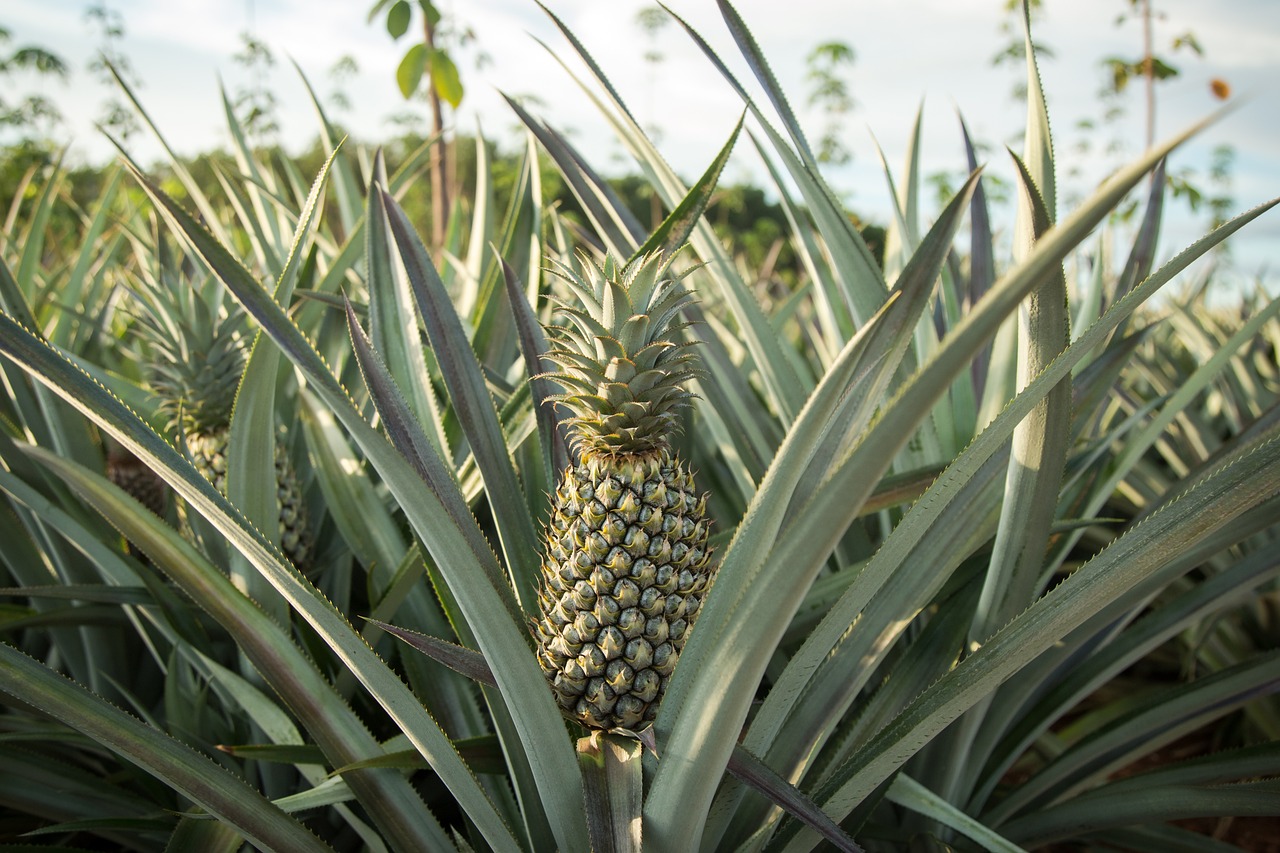
This comprehensive guide will take you through the entire journey of pineapple cultivation, ensuring that you develop a deeper understanding and appreciation for this unique fruit.
From selecting the right variety to harvesting your first ripe pineapple, let’s dive into this alluring world where patience, care, and a bit of experimental spirit can transform your garden into a tropical paradise.
Understanding Pineapple: A Brief Overview
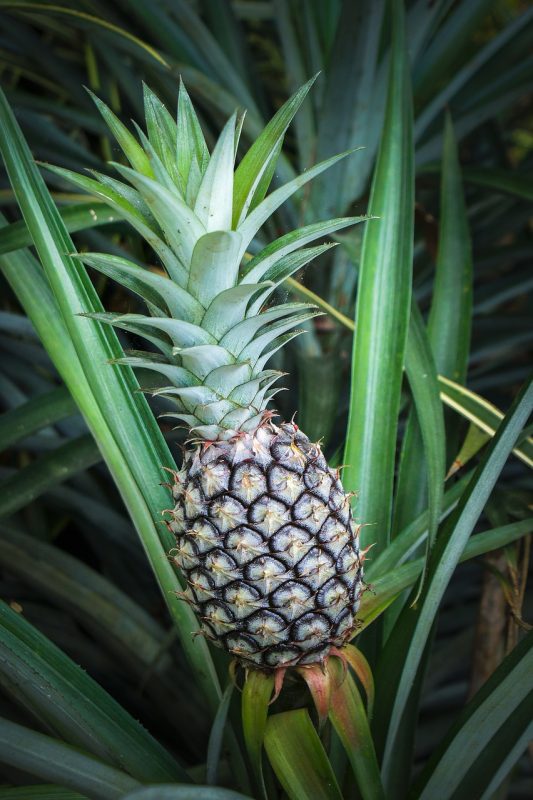
Pineapples (Ananas comosus) are not just a delicious tropical treat but also a fascinating plant. They are part of the bromeliad family and are native to South America, thriving in warm, humid climates. The pineapple is a collective fruit, meaning it forms from multiple flowers that fuse together—each flower contributes to a part of the fruit we consume.
The typical pineapple plant can grow to about 3 to 4 feet tall and wide, featuring long, pointed leaves that form a rosette around the fruit. Remarkably, the process from planting a pineapple to harvesting can take about 18 to 24 months, making patience a crucial virtue for pineapple growers.
Choosing the Right Variety
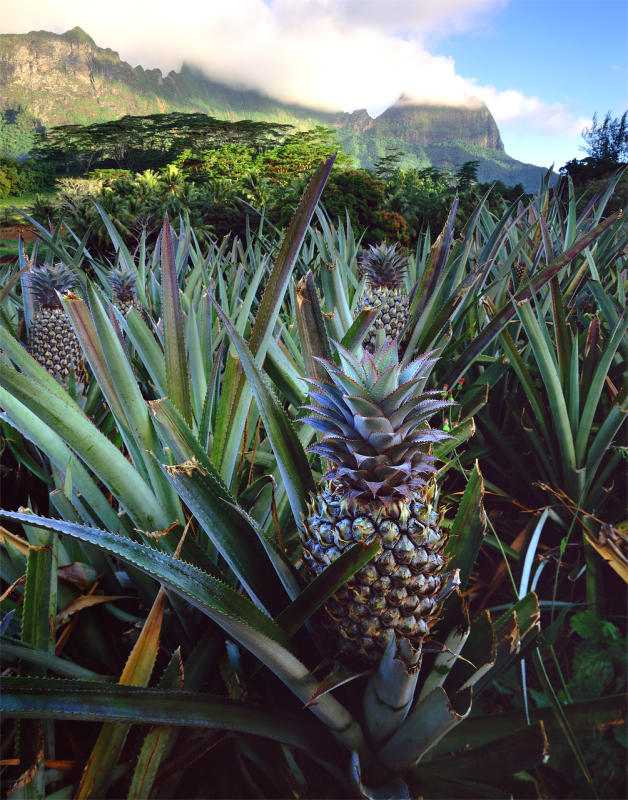
Before you embark on your pineapple-growing adventure, it’s essential to choose the right variety. Pineapple varieties can differ significantly in flavor, size, and climate adaptability. Here are a few popular varieties to consider:
Smooth Cayenne: The most commonly grown variety in commercial agriculture, Smooth Cayenne is known for its sweet, juicy flesh and low fiber content. It’s ideal for warmer climates.
Queen: Smaller and sweeter than the Cayenne, Queen pineapples are prized for their exquisite flavor. They are also more tolerant of cooler temperatures, making them suitable for varied climates.
Red Spanish: This variety has a tough skin and a slightly tangy flavor. It’s known to withstand the rigors of shipping and handling, making it popular for export.
When selecting your variety, consider your local climate conditions, the space you have available, and your personal taste preferences. Opting for a variety that suits your environment can significantly improve your chances of growing healthy plants and delicious fruit.
Preparing the Right Environment

Creating the right environment is key to successfully growing pineapples. These tropical plants thrive in warm temperatures, ideally between 68°F and 86°F. With that in mind, let’s explore the ideal growing conditions for your pineapple plants:
Sunlight: Pineapples are sun lovers! They require at least six full hours of sunlight each day. If growing outdoors, select a spot that gets ample sunlight; if indoors, consider using grow lights to supplement natural sunlight.
Soil: Well-draining soil is crucial for pineapple plants. A sandy, loamy mix enriched with organic matter is ideal. You can create your own mix by combining potting soil with sand and a bit of compost. Ensuring good drainage will prevent root rot.
Humidity: Pineapples thrive in humid conditions, as they are native to tropical climates. If you live in a dry area, consider misting your plants regularly or placing a humidifier nearby.
Temperature: Be mindful of temperature changes. Pineapples can tolerate cooler temperatures but will stop growing if exposed to frost. If you live in a region with colder winters, consider growing pineapples in pots that can be moved indoors.
Propagation: Starting From the Top
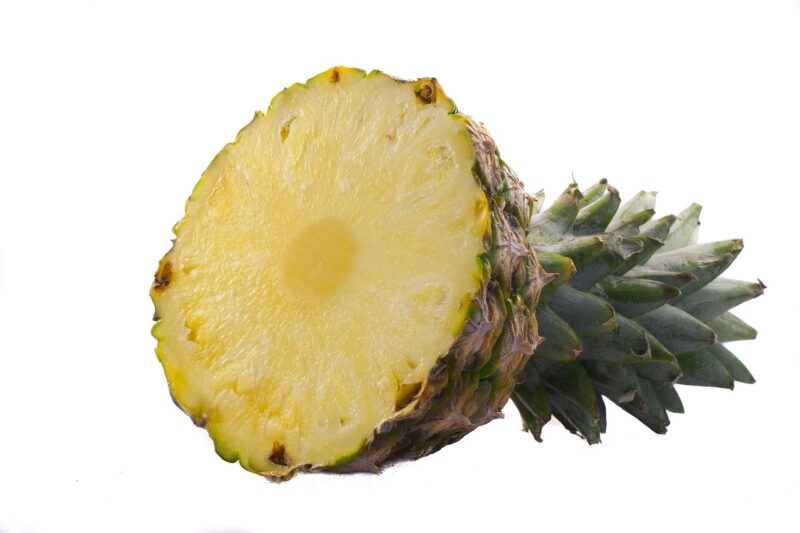
One of the most appealing aspects of growing pineapples is the simplicity of propagation. You can grow a new pineapple plant from the top of a store-bought pineapple. Here’s how:
Selecting a Pineapple: Choose a ripe pineapple with green, healthy leaves on top. Make sure it feels slightly soft when squeezed but is not overly mushy.
Preparing the Top: Cut off the top of the pineapple, leaving about an inch of fruit attached to the leaves. Allow the cut end to dry out for a day or two to form a callus—this step helps prevent rot.
Rooting the Top: Place the pineapple top in a glass of water, submerging only the lower leaves. Alternatively, you can plant it directly into soil after it has developed a callus. If using water, change the water every few days until roots develop, which can take 2-4 weeks.
Transplanting: Once roots form, transplant the pineapple top into a pot or directly into the garden. Be sure to use well-draining soil.
This propagation method is not only cost-effective but also a great way to engage in sustainability. Knowing you’re growing a plant that might have otherwise gone to waste can fill you with a sense of purpose.
Planting and Care
Once your pineapple top is ready for its new home, it’s time to plant and nurture it. Follow these steps to set the stage for a fruitful growth journey:
Spacing: If planting multiple pineapples, ensure you give them room to grow—ideally, space them about 3 feet apart. This will allow air circulation and prevent overcrowding.
Watering: Pineapples are relatively drought-tolerant. Water them when the top inch of soil feels dry, taking care not to overwater, as this can lead to root rot.
Fertilizing: Pineapples benefit from periodic feeding. Use a balanced fertilizer every 4-6 weeks during the growing season. Organic options, such as fish emulsion or compost tea, are excellent choices.
Mulching: Applying mulch can help retain moisture, suppress weeds, and maintain uniform soil temperature. Use organic mulch, like straw or shredded leaves, for added nutrients as it breaks down.
Keeping Pests and Diseases at Bay
While pineapples are relatively hardy, they can fall victim to pests and diseases like any plant. Being vigilant is key. Here are common threats and how to deal with them:
Mealybugs: These pests suck plant sap and can lead to a decline in plant health. Treat affected plants with insecticidal soap or neem oil.
Fungal Diseases: Look out for signs of root rot, especially in overly wet soil. Ensuring good drainage and avoiding overwatering is essential. If you notice root rot, remove the affected parts and repot the plant in fresh, dry soil.
Aphids: These small insects can be managed by washing them off with water or introducing beneficial insects like ladybugs.
Pay attention to your plants’ health regularly. Catching problems early is often critical for successfully growing pineapple plants.
Patience: Watching Your Pineapple Grow
Growing a pineapple isn’t a race; it’s a journey filled with anticipation and care. Over the months, you’ll watch your pineapple plant grow, forming a rosette of green leaves. Patience is crucial, as it can take anywhere from 18 to 24 months for your pineapple to produce its first fruit.
During this time, consider keeping a journal to track your plant’s growth and any challenges you encounter. Documenting these moments will deepen your connection to your plant and provide insights for future growing seasons.
Flowering and Fruiting Process
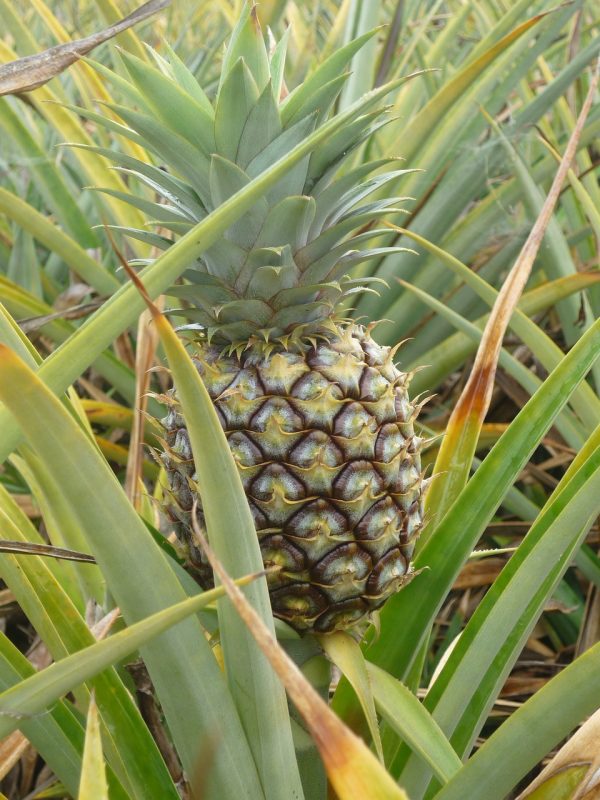
Watching your pineapple plant transition from foliage to flower and eventually fruiting is one of the most rewarding aspects of the entire process. Understanding this stage will help you appreciate the effort you’ve put into growing your pineapple:
Initiation of Flowering: Once your plant is mature, it will produce a flower spike, usually in the spring or summer. The flower is a cluster of small purple blooms that will eventually develop into the pineapple fruit. You may wait up to a year after flowering to see the fruit ripen.
Fruiting: As the flower matures, the pineapple will form. The fruit starts small and gradually swells in size. Keep an eye on the color and firmness; a ripe pineapple will be golden-yellow at the base and relatively firm to the touch.
Once the fruit appears, it requires consistent care to boost its growth. Continue to water and fertilize regularly, and soon enough, you’ll see your labor bear fruit, quite literally!
Harvesting Your Pineapple
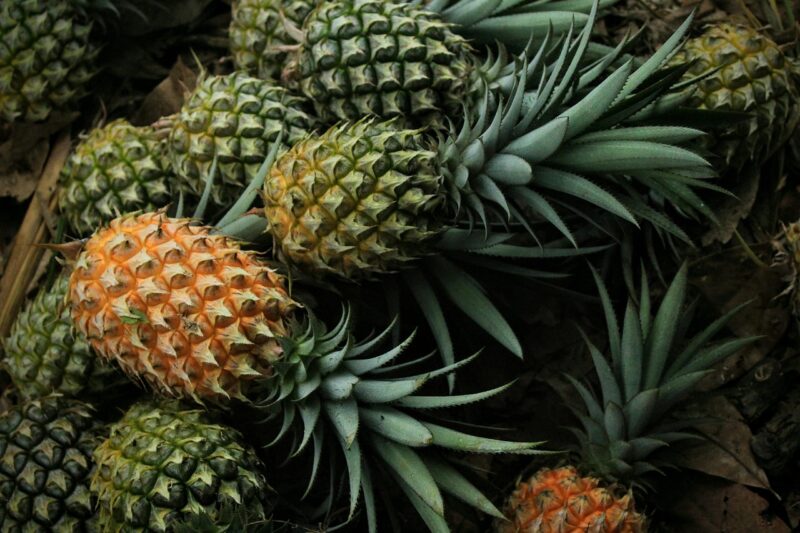
The culminating moment in your pineapple-growing experience arrives when it’s finally time to harvest. Knowing when to pick your pineapple can be a bit tricky, as the fruit doesn’t ripen after being harvested. Follow these steps for the perfect harvest:
Signs of Ripeness: Look for a golden-yellow color at the base of the pineapple, and sniff the fruit; a sweet aroma is a sign of ripeness. Avoid picking if it still appears green and hard.
Cutting the Pineapple: Use a sharp knife to cut the pineapple from the base, leaving a bit of stem attached. Be gentle to avoid bruising the fruit.
Post-Harvest Care: After harvesting, you can allow the pineapple to rest at room temperature for a day or two to let the sugars stabilize before cutting into it.
The satisfaction of slicing into your homegrown pineapple is unmatched. As you savor the sweet, tangy flavors, you’ll reflect on the journey from planting to harvesting, filled with insightful moments and lessons learned.
Enjoying Your Harvest
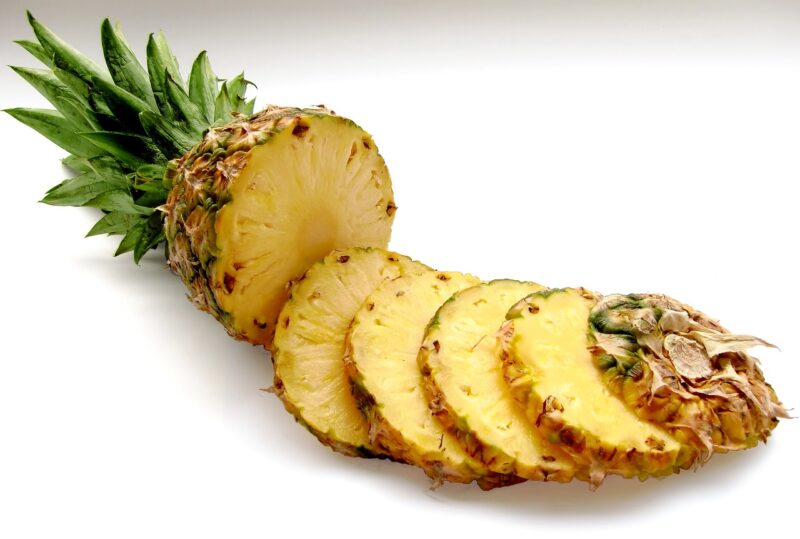
Now that you’ve harvested your first pineapple, the possibilities for enjoying its flavor are practically endless. Here are a few ideas on how to make the most of your fresh pineapples:
Fresh Slices: Enjoy your pineapple raw, sliced or cubed. Pair it with other fresh fruits for a vibrant fruit salad or serve it as a refreshing snack.
Grilled Pineapple: Grilling pineapple enhances its sweetness. Serve it alongside grilled meats or add it to skewers for a delicious barbecue treat.
Pineapple Juice or Smoothies: Blend fresh pineapple to create a refreshing juice or include it in smoothies for an energizing boost.
Cooking and Baking: Pineapples are versatile in savory dishes too. Incorporate them into stir-fries, salsas, or even desserts like pineapple upside-down cake.
Moreover, consider sharing your homemade pineapple treats with friends and family. This not only spreads joy but also showcases the tangible results of your gardening efforts.
Troubleshooting Common Challenges
Even with the best intentions and practices, growing pineapples can come with its set of challenges. Here are some common issues and how to address them:
Slow Growth: If your pineapple isn’t growing as quickly as expected, assess its conditions. Ensure it receives enough sunlight, check soil moisture, and confirm it’s not being overwatered.
Yellowing Leaves: This could indicate overwatering or nutrient deficiency. Adjust your watering schedule, and consider fertilizing with a balanced plant food.
No Flowering: If your pineapple is growing but doesn’t seem to have any flowers, this could be due to insufficient light or too much nitrogen in the soil. Choose the right fertilizing strategy to encourage flowering.
The beauty of gardening lies in experimentation. Don’t lose heart if things don’t go as planned; each challenge is an opportunity to learn and improve your technique.
Conclusion: The Rewards of Growing Pineapple
As we wrap up our exploration of growing pineapple, it’s evident that this journey is filled with moments of discovery, patience, and joy. Picture this: standing in your garden, your hands cradling a ripe pineapple you’ve nurtured from a small cut to a luscious fruit, it’s a testament to your dedication and care.