

In this comprehensive guide, we will explore the life cycle of carpenter bees, their behavior, prevention strategies, control methods, home repairs, and more, ensuring you have all the information you need.
Understanding Carpenter Bees

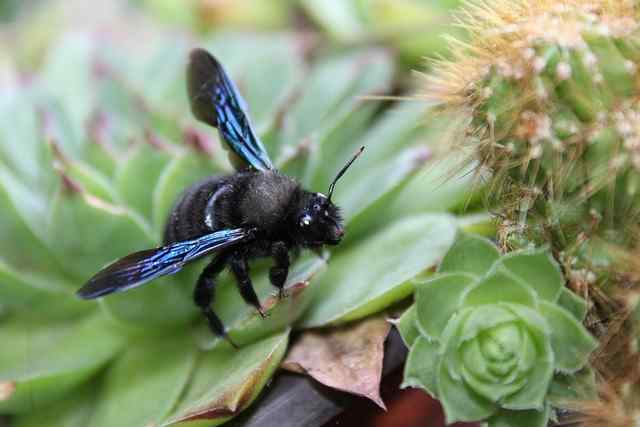
Carpenter bees belong to the family Apidae, which also includes honeybees, bumblebees, and many other species. Often confused with bumblebees due to their similar appearance, carpenter bees exhibit unique behavioral traits that set them apart. Their large, robust bodies can be either black or yellow and are predominantly characterized by a shiny, hairless abdomen. Unlike bumblebees, which are furry and more social, carpenter bees tend to be solitary.
Life Cycle of Carpenter Bees
To effectively stop carpenter bees, it’s crucial to understand their life cycle. These bees typically emerge in the spring, coinciding with the blooming of many plants. The mature females emerge first, ready to search for suitable nesting sites, usually in softwood materials.
Nest Construction: A female carpenter bee will drill into wood to create a nest, which consists of a series of tunnels. This process can produce distinctive round holes about 1/2 inch in diameter, often found in unpainted, untreated wood.
Egg Laying: After constructing the nest, the female lays eggs, which she provides with pollen and nectar for sustenance. Upon hatching, the larvae consume the stored food before pupating and eventually emerging as adult bees.
Maturity: The entire cycle from egg to adult can take a few weeks to several months depending on environmental conditions and the bee species.
By understanding this life cycle, homeowners can better time their prevention and control measures.
The Behavior of Carpenter Bees

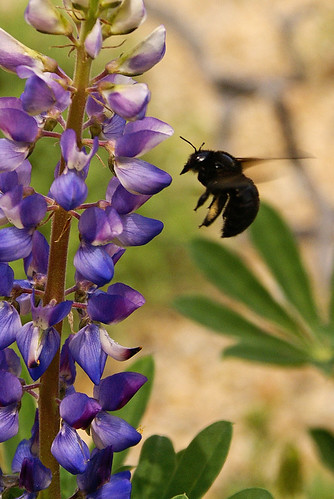
Carpenter bees are primarily solitary, unlike their honeybee and bumblebee relatives. While they aren’t aggressive, males can be quite territorial, displaying dive-bombing behavior when they feel their nest is threatened. Interestingly, male carpenter bees cannot sting, while females can, but they are typically not prone to stinging unless provoked.
Benefits of Carpenter Bees
Before discussing control methods, it’s important to recognize the role carpenter bees play in the ecosystem. They are excellent pollinators, helping to fertilize flowers, which results in fruit production. This can be particularly beneficial for gardens and orchards. Their nesting habits also contribute to the decomposition of wood, assisting in the recycling of nutrients in forest ecosystems.
The Drawbacks of Carpenter Bees
Despite their ecological benefits, carpenter bees can create significant problems for homeowners. They can cause structural damage if they burrow into wooden structures, such as decks, posts, and eaves. Over time, their tunneling can weaken wood and lead to costly repairs.
Prevention Strategies to Stop Carpenter Bees

Effective prevention is often the best method for stopping carpenter bees before they become a problem. With a proactive approach, you can create an unconducive environment for nesting.
1. Choose the Right Materials
One of the best ways to keep carpenter bees at bay is to opt for materials that are less appealing to them. Consider the following:
Hardwoods: Carpenter bees prefer softwoods like pine and cedar. Using hardwoods for outdoor structures can deter them.
Synthetic Materials: Consider vinyl or composite materials for decks, fences, and siding, as these materials won’t provide a suitable nesting site.
2. Maintain and Seal Wood Structures
Regular maintenance goes a long way in deterring carpenter bees. Check the following:
Paint and Varnish: A fresh coat of paint or a sealer on wooden structures can help seal potential nesting sites. Carpenter bees are less likely to drill into painted wood.
Wood Repairs: Repair any existing damage promptly. Even small cracks and crevices can attract these bees.
3. Remove Existing Nests
If you’ve identified existing carpenter bee nests, the key is to remove them before the arrival of spring. Consider these steps for effective removal:
Timing: Wait until late summer or early fall, when the bees have finished their life cycle and vacated the nest.
Seal the Holes: After removing the larvae, fill the holes with wood putty or a similar material to prevent new bees from reusing the nest.
4. Trim Back Vegetation
Carpenter bees are attracted to certain flowering plants. Trimming back overgrown vegetation and avoiding planting bee-attractive flowers near your home can help. Encourage other pollinators by planting flowers away from structures while maintaining a natural and inviting garden space.
Control Methods for Carpenter Bees

If prevention fails, it may become necessary to employ control methods. These can range from natural deterrents to chemical solutions, depending on the severity of the infestation.
1. Natural Deterrents
Many homeowners are looking for eco-friendly solutions. Here are some natural methods to consider:
Essential Oils: Carpenter bees are repelled by certain scents. Essential oils such as peppermint, tea tree, and clove oil can deter them. Mix a solution with water and spray around areas where they are active.
Citrus Solutions: Bees are often averse to citrus scents. Spraying a mixture of lemon juice and water can help keep them away.
2. Chemical Control
If natural methods aren’t effective, chemical control might be necessary. When considering insecticides:
Targeted Application: Use insecticides specifically labeled for carpenter bees, applying them directly into the holes they have bored.
Professional Help: For larger infestations, it may be wise to contact a pest control professional who can assess the problem and apply chemicals safely and effectively.
3. Traps and Exclusion Devices
Commercial carpenter bee traps can be quite effective. They work by luring the bees into a chamber from which they cannot escape. Placing traps in areas where you’ve seen carpenter bees can help reduce their population.
DIY Traps: If you’re handy, consider creating your own traps using simple materials like wood and jars. There are plenty of guides available online for crafting effective traps tailored for carpenter bees.
Repairing Carpenter Bee Damage
If you’ve already experienced damage from carpenter bees, addressing the issue promptly is essential.
Assessing Damage
Before repairing, inspect impacted areas closely. Look for:
Holes and Tunnels: Determine the extent of tunneling and whether structural integrity has been compromised.
Moisture Damage: Sometimes, structural damage could have been compounded by moisture. Ensure areas are dry before beginning repairs.
Repair Strategies
Once you have assessed the damage, consider the following:
Filling Holes: Fill holes with appropriate wood filler for small damage. For larger areas, you may need to replace sections of wood entirely.
Reinforcement: In some cases, reinforcing affected structures with metal braces can help restore stability in compromised areas.
Creating an Uninviting Environment for Carpenter Bees
Creating an environment that discourages carpenter bees must go beyond just immediate fixes. Long-term integrated pest management strategies are ideal.
1. Regular Maintenance
Having a yearly property maintenance schedule can be incredibly beneficial. This may include:
Inspections: Routinely inspect wooden structures and gardens for signs of bee activity. Early detection can prevent larger issues.
Outdoor Cleaning: Regularly clean outdoor areas to remove nesting material and other attractants.
2. Community Awareness
Sharing knowledge with neighbors is a crucial step. Here’s how:
Educate Your Community: Organize workshops or informal meetups focused on pest control responsibly. Share strategies and solutions for controlling carpenter bees.
Collaborate on Solutions: Consider collaborating on community gardens that attract bees beneficially but avoid problematic nesting.
3. Promote Pollinator-Safe Practices
Encouraging diversity in pollinators can have positive repercussions for your garden. Create spaces for various pollinating species, ensuring you’re still supporting the environment while managing carpenter bee activity.
Plant Diversity: Introducing a variety of flowering plants can help attract a mix of pollinators, dispersing the attraction away from wooden structures.
Be Divine: Engage local beekeepers who practice responsible beekeeping; they can often provide guidance on cohabitation strategies.
Engaging with Carpenter Bees
Instead of viewing carpenter bees solely as a pest, consider a more holistic approach that embraces their ecological importance while managing their impact on your property. This can involve:
Creating Bee Sanctuaries: If space permits, design a designated area in your yard for carpenter bees. Plant attractive flowers away from structures to encourage them to nest in less damaging locations.
Supporting Research: Participate in local citizen science projects aimed at studying pollinator behavior and ecosystems. Engaging with the community can foster a greater understanding of the balance between managing pests and supporting biodiversity.
The Final Thoughts on Stopping Carpenter Bees
Stopping carpenter bees requires a unique approach combining understanding, prevention, control, and sustainable practices. By becoming informed, homeowners can significantly lessen the impact of these bees on their properties while fostering a healthy ecosystem. Take pride in your home and garden, knowing that with the right strategies, you can effectively mitigate the challenges posed by carpenter bees while continuing to appreciate their contributions to our environment.