

In this blog post, we will explore the nuances of tomato pruning, focusing on its benefits, techniques, and best practices, while interweaving personal anecdotes and insights from seasoned gardeners.
The Importance of Pruning Tomatoes
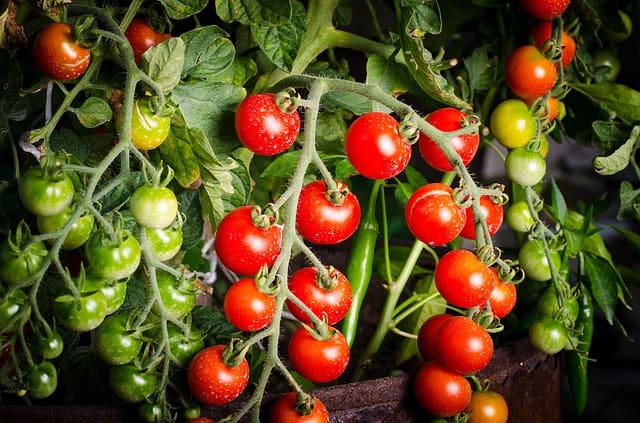
Understanding why pruning is important sets the foundation for our discussion. Pruning tomatoes offers several advantages that directly impact plant health and fruit quality.
Pruning enhances air circulation, reducing the risk of diseases caused by damp conditions. It also directs the plant’s energy toward producing fruit rather than excess foliage. This is particularly beneficial for indeterminate tomato varieties, which continue growing throughout the season, developing countless leaves and branches.
I remember my first tomato-growing experience. I was eager to let my plants flourish uninhibited, excitedly watering them and waiting for them to stretch toward the sun. Unfortunately, the neglect of pruning resulted in a dense jungle of green. Harvest time revealed a surprising number of blemished, rotting tomatoes hidden beneath the canopy of leaves. The sweet lesson I learned that year was that pruning is not just a chore; it’s essential for nurturing a fruitful garden.
Types of Tomato Plants: Determinate vs. Indeterminate
Before diving into specific pruning techniques, it’s crucial to understand the two primary categories of tomato plants: determinate and indeterminate.
Determinate tomato plants grow to a predetermined height, typically producing all their fruit in a short window. They tend to have a bushy growth habit and don’t require extensive pruning. However, selectively trimming some of their branches can still improve air circulation and light penetration.
Indeterminate varieties, on the other hand, continue to grow and produce fruit throughout the growing season. These plants can reach impressive heights, sometimes exceeding six feet. They require rigorous pruning to maintain their structure, facilitate airflow, and optimize fruit production. My favorite varieties are indeterminate, as they often result in larger harvests and more diverse flavors throughout the summer.
Tools of the Trade
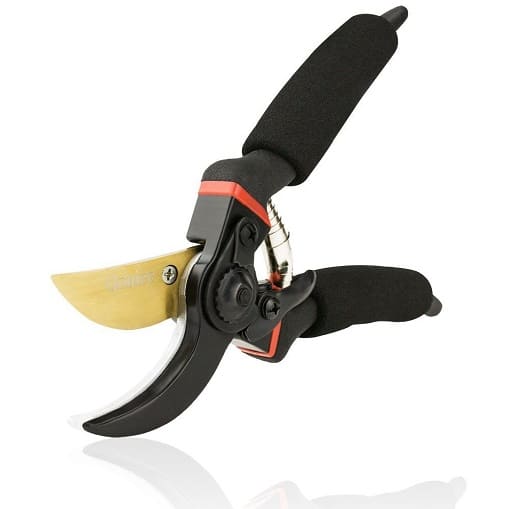
Having the right tools is vital for effective tomato pruning. Here’s a list of essentials that should be part of every gardener’s toolkit:
Sharp Pruning Shears: Invest in a quality pair of pruners. Having a sharp blade ensures clean cuts that promote healing and minimizes the risk of disease. I often remind my fellow gardeners: a clean cut is a happy cut.
Loppers: For larger branches that stubbornly resist your pruners, loppers with long handles are game-changers. They allow you to reach higher branches without straining your back.
Gloves: Protect your hands from thorns and sap, especially when working with various plant materials.
Twine or Plant Ties: As you prune, you may need to support your remaining stems. Having twine or soft plant ties on hand helps keep everything organized.
Bucket or Basket: A container for collecting cuttings makes the process more efficient. You’ll appreciate the neatness as you work your way through the rows.
When to Prune Tomatoes
Timing is everything in gardening. Understanding when to prune tomatoes is vital for achieving optimal results.
The best time to start pruning your tomato plants is when they are young and beginning to grow, typically around four to six weeks after planting. This is when the first true leaves begin to develop. A lighter initial pruning ensures that you promote strong, healthy growth right from the start.
As the growing season progresses, continue to monitor your plants. In summer, pruning can become a regular part of your gardening routine. Remove suckers that sprout in the leaf axils—the space between the main stem and a branch—especially on indeterminate varieties.
I’ve found that early pruning allows me to get a head start on preventing overcrowding. A couple of weeks into the growing season, I can often see the shape of the plant and start designing how it will grow throughout the season.
The Art of Pruning: Step-by-Step Guide

Now that we’ve covered the essentials, let’s dive into a hands-on guide on pruning tomatoes effectively.
Identifying Suckers
The first step is to identify the suckers—the small shoots emerging from the axils. These are not just your average leaves; they are potential branches that will siphon energy away from the fruit. A common mistake for novice gardeners is to overlook these tiny offshoots.
To prune them effectively, wait until they are around two to four inches long. At this stage, they are easy to remove and clearly recognizable. Use your pruning shears to make a clean cut, ensuring you do not damage the main stem.
Pruning Lower Leaves
Once the plant grows taller, consider removing lower leaves. These leaves are usually the first to age and can become a breeding ground for pathogens if they remain in contact with the soil. As I prune, I find a meditative quality in the rhythm of my shears working through the foliage—it’s a rewarding task that enhances both my plants and my inner calm.
Remove the lower leaves with care, focusing on those that have turned yellow or brown. While it may feel harsh, you are creating space for healthier growth.
Topping Your Tomato Plant
Topping refers to cutting the plant’s terminal stem to encourage lateral growth and prevent it from growing too tall. This is especially useful during mid-summer when the plant may start stretching beyond your desired height.
To top your tomato plant, cut the main stem just above a set of leaves. This will prompt new growth and ensure that your plant remains bushy rather than lanky. In my experience, this technique not only helps with height management but also results in a denser and more fruitful harvest.
Common Mistakes to Avoid
As a seasoned gardener, I’ve incurred my fair share of pruning mishaps. Here’s a list of common mistakes to avoid during your tomato pruning journey:
Pruning Too Much: While pruning is beneficial, it’s easy to go overboard. Tomatoes are resilient plants, but excessive pruning can stress them. Always err on the side of caution, especially in early stages.
Using Dull Tools: Dull tools can cause unnecessary damage to your plants. Sharpen your tools regularly to ensure smooth cuts.
Ignoring Plant Health: Reflect on the general health of your plant when pruning. Don’t prune severely if your tomato is showing signs of stress; focus first on helping the plant recover.
Waiting Too Long: Waiting too long to prune results in more significant suckers that are tougher to remove. Get in the habit of regular pruning, treating it as a part of your gardening ritual.
The Benefits of Pruning: A Real-Life Impact
Reflecting on my own gardening journey, I recall how a few strategic prunings led to my most bountiful summer. My indeterminate tomato plants flourished; they reached heights I had only dreamed of, and the fruits they bore were plump, ripe, and bursting with flavor.
This anecdote is shared among several gardening friends who also found that regular pruning led to more substantial yields. One neighbor remarked, “It’s like unlocking a secret door to a treasure trove of tomatoes.” The joy of harvesting large numbers of healthy tomatoes made every snip of the shears worth it.
Advanced Pruning Techniques
For those wanting to take their tomato-pruning skills to the next level, consider these advanced techniques.
Espaliered Tomatoes
Espaliering is an art form that involves training plants to grow flat against a structure. You can create a beautiful display of tomatoes climbing a trellis while maintaining easy access to your prized fruits.
To espalier your tomatoes, start by selecting a sturdy vertical support. As your plants grow, prune them to grow horizontally along the structure. This technique creates an aesthetically pleasing garden and allows for improved sunlight exposure.
Pruning for Flavor
Believe it or not, pruning can influence the flavor of your tomatoes. A less bushy plant with adequate airflow tends to encourage the synthesis of sugars and flavors in the fruit. By focusing your plant’s energy toward fewer, high-quality fruits rather than a larger quantity of smaller ones, you can achieve that spectacular taste we all crave in ripe tomatoes.
Post-Pruning Care Tips
After pruning, take a moment to give your plants some extra love. Ensure that they are well-watered, as pruning can stress them.
Consider giving them a light feeding with organic fertilizer to encourage recovery and continued growth. Mulching can also be beneficial, as it helps retain moisture in the soil and suppresses weeds.
As a gardener, I’ve learned that tending to your plants after pruning is just as crucial as the act itself. They are resilient, but a gentle touch and nurturing care go a long way in helping them thrive.
Pest and Disease Management
Pruning tomatoes, while beneficial, also sets the stage for potential pest and disease issues. Keeping an eye on your plants after pruning is more important than ever.
For example, removing lower leaves opens up opportunities for pests to access the plant—but it also allows for better airflow. Those perfectly pruned plants can often fend off diseases like blight and mildew, but only if continuously monitored throughout the season.
Integrating companion planting or establishing barriers can help protect your prized tomatoes from unwanted pests. Regular inspections for discoloration, wilting, or signs of infestation will set you up for success.
Conclusion: The Heart of the Garden
Pruning tomatoes is not just a matter of aesthetics; it’s an essential practice that has direct ramifications for the health, productivity, and overall joy of gardening. As we’ve explored throughout this post, mastering the art of pruning can elevate your gardening experience and dramatically impact your harvests.