

This comprehensive guide will explore the nuances of how to prune jade plants effectively, offering unique insights, personal anecdotes, and expert tips.
Understanding Your Jade Plant
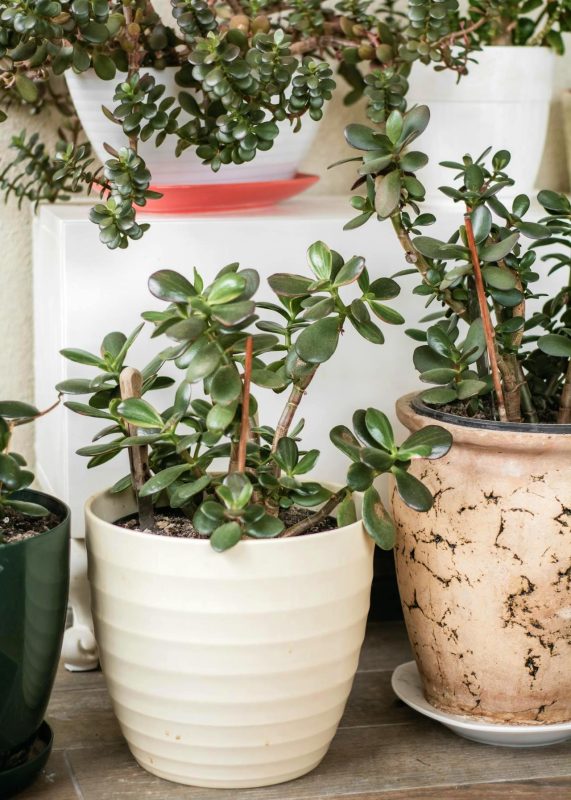
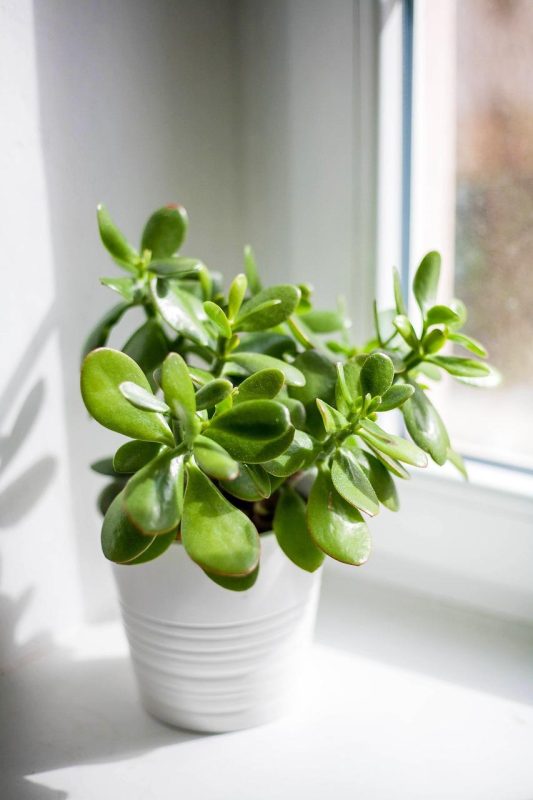
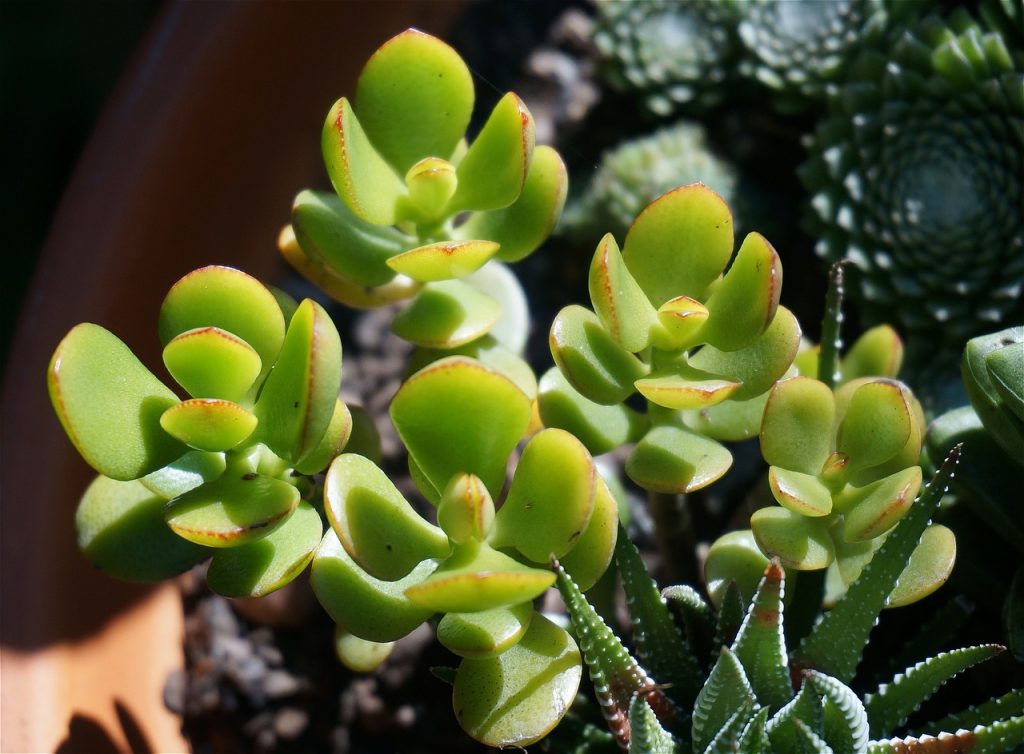
Before diving into the art of pruning, it’s beneficial to understand what a jade plant is and how it grows. The jade plant exhibits thick, fleshy leaves that are typically oval-shaped and can range in color from a vibrant green to a richer, deeper hue. Its thick stems resemble small trees, which is why jade plants are often referred to as money trees.
These plants are resilient, often thriving in neglect, making them the perfect houseplant for busy individuals. Their growth pattern is characterized by a bushy structure, which over time can become leggy if not properly maintained. This leggy growth not only diminishes the aesthetic appeal of the plant but can also hinder its ability to absorb sunlight effectively. Thus, pruning becomes essential in maintaining a jade plant’s health and aesthetics.
The Benefits of Pruning
One might wonder, why prune a jade plant when it seems perfectly fine? The benefits of pruning extend far beyond mere aesthetics. Here are some compelling reasons for keeping this practice in mind:
Promotes Healthy Growth: Pruning encourages branching, resulting in a fuller, bushier plant. This is particularly vital for leggy specimens that are not receiving enough light.
Prevents Disease: Removing dead or dying leaves helps prevent the spread of pathogens that often thrive in decaying plant material.
Regulates Size: Jade plants can grow quite large. Pruning helps manage their size to fit indoor spaces better or to maintain a desirable shape.
Encourages Flowering: With proper care and pruning, jade plants can potentially flower, adding another layer of beauty to their charismatically succulent leaves.
Best Time to Prune Jade Plants
Timing your pruning is crucial for maximizing the benefits. The best time to prune jade plants is during the spring, just before their active growing season. In spring, these plants are more resilient and can heal and regenerate quickly from any cuts made. However, light pruning can be done throughout the year, especially if specific branches are becoming unruly or diseased.
If you want to stimulate growth or encourage flowering, consider waiting until after the last frost and when the light availability increases. Spring offers the perfect opportunity, as the plant’s metabolic activity is at its peak, allowing it to recover swiftly.
Tools for Pruning
Before embarking on your pruning journey, it’s essential to gather the right tools. The proper equipment can make the process smoother and safer for both you and your plant. Here’s what you’ll need:
Sharp Pruning Shears: For a clean cut, a pair of sharp, sterilized pruning shears is indispensable. Clean cuts minimize damage and allow for faster healing.
Alcohol Wipes: To prevent the transmission of diseases, sanitize your tools with alcohol wipes before and after use.
Gloves: While jade plants are not particularly harmful, wearing gloves can protect your hands from any sap and dirt while you work.
Small Pot: If you plan to propagate or replant any cuttings, have a small pot with well-draining soil ready.
How to Prune: Step-by-Step Guide
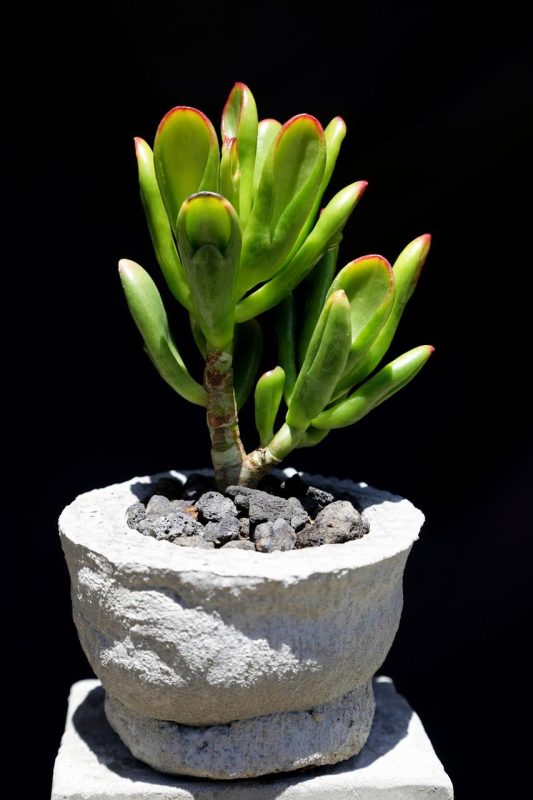
Pruning can sound intimidating if you’ve never done it before, but it’s a relatively straightforward process. Here’s a step-by-step guide that will empower you to prune with confidence.
Step 1: Inspect Your Plant
Before making any cuts, take a moment to evaluate your jade plant. Look for overgrown branches, leggy growth, and any stems that appear unhealthy or discolored. Understanding which areas need attention will guide your pruning decisions.
Step 2: Identify What to Remove
The main areas to focus on include:
Dead or Dying Leaves: These can be easily identified by their shriveled appearance. Removing them not only improves aesthetics but also reduces the risk of disease.
Leggy Stems: If your jade plant is growing tall but sparse, prune back the stems to encourage bushiness.
Crossing Branches: Evaluate the branch structure; if branches are crisscrossing or overcrowding, remove some to allow better airflow.
Step 3: Make Your Cuts
For cutting, follow these best practices:
Cut just above a leaf node, which is where the leaves emerge from the stem. This encourages new growth.
For leaves, you can gently twist them off or cut them at the base using your shears.
Remove approximately one-third of the plant at most in one session to avoid shocking it.
Step 4: Clean Up
Once you’ve pruned your jade plant, collect the cuttings and any fallen leaves. If you wish to propagate, place healthy cuttings in a small pot with well-draining soil and allow the cut ends to callous over for a few days before watering.
Step 5: Post-Pruning Care
After pruning, provide care that supports recovery:
Placement: Ensure your jade plant is in a location with strong, indirect sunlight.
Watering: Refrain from watering immediately after pruning, as the plant will be in a state of shock. Wait at least a week before watering to prevent root rot.
Fertilizing: Hold off on fertilizing for a few weeks until new growth appears.
Propagating Jade Plants Through Pruning
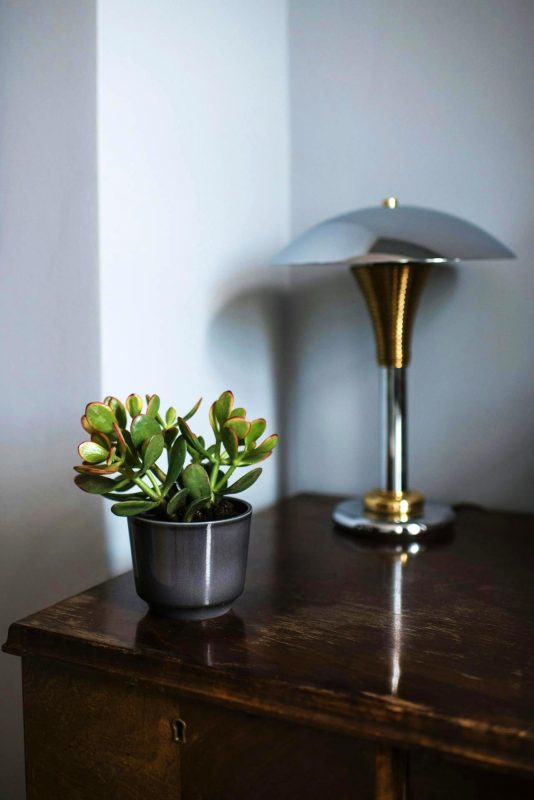
Pruning isn’t just a means of maintenance; it can also be an opportunity to propagate your jade plant. This process can be incredibly rewarding, turning one jade plant into several thriving specimens. Here’s a brief overview of how to propagate through cuttings:
Choose Healthy Cuttings: After pruning, select healthy leaves or stems and prepare them for propagation.
Allow to Callous: Place the cuttings in a dry area for a few days so the cut ends can callous over. This step minimizes rot when they are planted.
Planting: In well-draining soil, make a small hole and insert the calloused end of the cutting. Lightly water to settle the soil around the cutting.
Care Post-Planting: Similar to caring for a mature jade plant, provide indirect sunlight and avoid overwatering.
Over time, you’ll notice roots developing, and before you know it, you’ll have a new jade plant to nurture and cherish.
Common Mistakes to Avoid
Pruning jade plants can be straightforward, but a few common pitfalls can lead to less-than-desirable outcomes. Here are critical mistakes to avoid:
Pruning Too Much at Once: Many beginners worry excessively about leggy growth and cut too much of the plant, leading to stress. A gradual approach is preferable.
Using Dull Tools: Dull shears can crush the stems instead of cutting them cleanly, which may lead to infections or further damage.
Ignoring Plant Health: Always check for signs of pests or disease post-pruning to ensure that your plant’s overall health is maintained.
Caring for Your Jade Plant After Pruning
The work doesn’t end once the pruning is done. Proper aftercare is crucial for your jade plant to thrive post-pruning. Below are some essential care tips:
Monitor Watering Needs: In the weeks following pruning, it’s essential to tailor your watering routine. Jade plants prefer a watering schedule that allows the soil to dry out between sessions.
Provide Adequate Light: Ensure that the plant receives the right amount of sunlight. Too little can lead to slowing growth, while too much, particularly direct sunlight after pruning, can scorch the leaves.
Regular Checkups: Check for new growth, pests, or any signs of distress regularly. Catching issues early can prevent more significant problems in the future.
Pruning for Aesthetic Purposes
Beyond health, jade plants can be pruned for purely aesthetic reasons. They can be shaped into tree-like forms, or even artfully cascading arrangements. Consider these tips for aesthetic pruning:
Topiary Techniques: For those looking for a fun project, consider snipping the tops of some branches to encourage a fuller top, resembling a tree.
Balancing the Shape: Prune to ensure balance in your plant’s shape. If one side appears denser than the other, take the opportunity to even it out.
Creating a Focal Point: If you’re using jade plants in a mixed planter, prune to create more compact forms that highlight the surrounding plants, allowing your jade to shine.
Seasonal Considerations for Pruning
Each season presents its own benefits and challenges for jade plants. Here’s how to adjust your pruning strategy according to the season:
Spring: This is the best time for significant pruning and shaping, as the plant is gearing up for its active growth phase. Take advantage of this time to encourage fuller growth.
Summer: Light pruning can be done to maintain the shape and remove any budding leggy growth.
Fall: Activities should be minimal as the plant prepares for dormancy. You may remove any dead leaves or stems but avoid heavy pruning.
Winter: This is generally not an ideal time for pruning, as the plant is dormant, and the cuts may not heal well. Focus on maintaining care.
Frequently Asked Questions About Jade Plant Pruning
To wrap up our in-depth exploration of jade plant pruning, let’s address some of the most commonly asked questions:
Can I prune my jade plant in the fall or winter?
While it is possible to conduct minimal pruning during fall or winter, it’s generally not advisable. The jade plant enters a dormant phase during these seasons, and heavy pruning may shock the plant. It’s best to wait until spring.
How often should I prune my jade plant?
The frequency of pruning will depend on the growth rate of your jade plant. Some may require annual pruning, while others might only need it every few years. Pay attention to its shape and overall health.
What should I do with the cuttings?
If the cuttings are healthy and robust, propagate them! Jade plants are amenable to both leaf and stem cuttings, making them incredibly easy to multiply.
Why are my leaves falling off after pruning?
Leaf drop can occur due to shock from pruning or other stress factors, such as drought stress or overwatering. Ensure you’re providing optimal aftercare.
Conclusion
Pruning jade plants is more than just a horticultural chore; it’s an art that enhances not only the plant’s beauty but also contributes to its overall health and longevity. By understanding the benefits, employing correct techniques, and adhering to seasonal considerations, you can foster a thriving environment for your jade plants. As you embark on your pruning journey, remember that every cut is an opportunity for rejuvenation and growth—an invitation for your plant to flourish for years to come.