


With the right techniques, propagating snake plants can be a rewarding experience, allowing you to expand your collection or share with friends and family. This in-depth guide will explore various propagation methods, care tips, and insights to help you thrive in your snake plant journey.
Understanding the Glory of Snake Plants
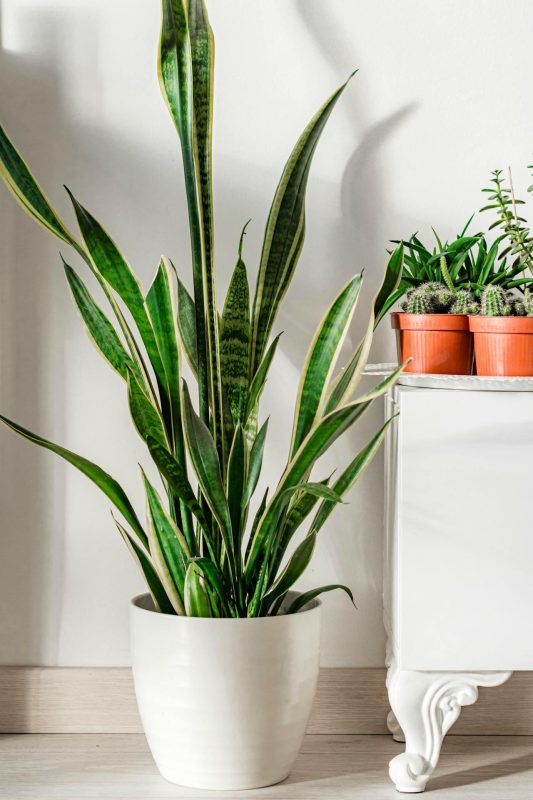
Before we dig into propagation methods, it’s important to understand why snake plants are so cherished. With their striking upright leaves and ability to thrive in various light conditions, snake plants have found a place in homes across the globe. Not only do they offer aesthetic value, but research has shown that snake plants can improve indoor air quality. They filter toxins from the air and release oxygen, making them a smart choice for bedrooms and living rooms.
Additionally, snake plants are champions of low maintenance. They flourish on neglect, requiring minimal watering and thriving in a variety of potting mixes. This adaptability, coupled with their longevity, makes snake plants an attractive option for anyone seeking to brighten their living spaces.
Preparing for Propagation: What You Need

Before initiating the propagation process, it’s essential to gather your tools and materials. A small investment in the right supplies can ease the process and enhance the chances of success:
Healthy Parent Plant: Choose a robust snake plant, free from pests and diseases.
Clean, Sharp Tools: Use scissors or a sharp knife to prevent damaging the plant.
Potting Soil: A well-draining mix is crucial for root development. Consider a cactus or succulent mix as a base.
Containers: Ensure you have pots or trays ready for the propagation process. Terracotta pots can help with drainage.
Water: Depending on your propagation method, you might need a small amount of water.
A Warm Location: A bright, indirect light area will create an ideal environment for growth.
Having these materials ready provides a smoother transition into the propagation phase.
Common Methods of Propagating Snake Plants
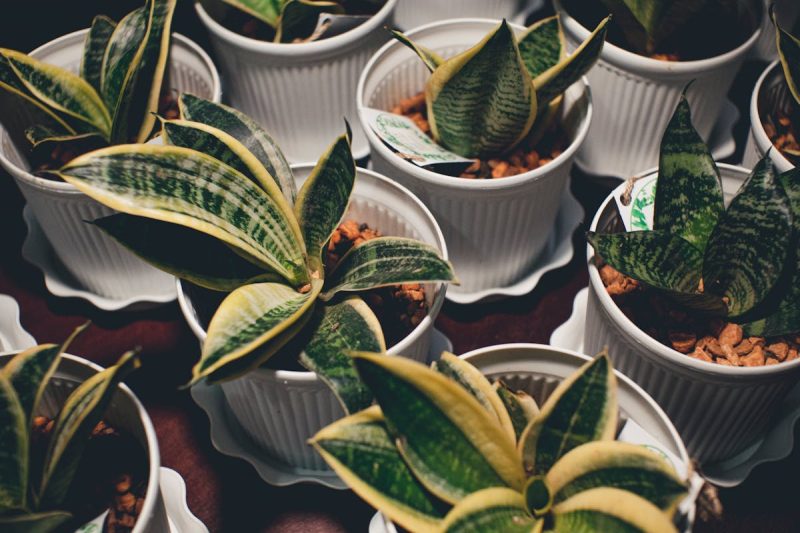
Snake plants can be propagated using various methods. Let’s explore each technique, along with informative details and practical tips for ensuring success.
Leaf Cuttings
One of the most popular methods of propagating snake plants is through leaf cuttings. This technique is straightforward and allows you to create several new plants from a single leaf.
Select a Leaf: Choose a healthy leaf from your parent snake plant. Ideally, it should be mature and free from any blemishes or signs of disease.
Cut the Leaf: Using your sterilized knife, cut the leaf into sections. Each section should be about 3-4 inches long. It’s essential to cut the leaf straight across; if you cut it at an angle, it may confuse the plant’s rooting process.
Allow to Callus: After cutting, let the leaf sections sit in a warm, dry area for at least 24 hours. This step allows the cut ends to callus over, which can reduce the risk of rot once planted.
Potting the Cuttings: Once the ends have callused, fill your containers with well-draining soil. Insert the cut ends into the soil – you can plant them upright for a more organic feel. Make sure they’re buried deep enough to secure them in place.
Watering: Water lightly to settle the soil around the cuttings, then place the pots in a warm, brightly lit area. Keep the soil slightly moist but not soggy. Overwatering is a common mistake that can lead to rot.
Patience is Key: Depending on the environment and the time of year, you might see growth within a few weeks to a few months. Be patient and monitor the cuttings for signs of new growth.
Division
If your snake plant has outgrown its pot, division offers a two-fold benefit: you get to propagate your plant while also giving it a refreshing boost by repotting.
Release the Plant: Begin by carefully removing the parent plant from its container. Gently shake off excess soil without damaging the root system.
Identify Natural Divisions: Observe the root system to identify natural divisions. Snake plants typically have rhizomes that make them easy to separate. Look for sections that can be split off while still maintaining a healthy root system.
Use Your Tools: If necessary, use your sterilized knife to carefully separate sections. Each section should have a few roots and leaves attached.
Repotting: Place each division into its individual pot filled with the appropriate potting mix. Make sure the roots are well covered and the plants are stable.
Watering and Care: Water lightly following the division and place them in a warm, indirect light area. Monitor moisture closely, as newly divided plants may be sensitive to overwatering.
Offsets (Pups)
Snake plants often produce small offsets, commonly known as pups. These are miniature versions of the main plant and can be easily propagated once they are a few inches tall.
Wait Until Established: Let the pups grow attached to the parent plant until they’re at least 2-3 inches tall. This ensures they have developed a sufficient root system.
Separating the Pups: Gently tug on the pup to see if it easily separates from the parent plant. If it does, great! If it resists, you may need to use your knife to carefully cut it free from the main plant, ensuring roots are preserved.
Place in Soil: Plant the separate pups into their individual pots filled with a well-draining mix.
Watering and Sunlight: Water them lightly and place them in a warm location with indirect light. As they adjust to their new environment, avoid watering too frequently.
Water Propagation
While less common, propagating snake plants in water can be a rewarding process that allows you to watch the roots develop more clearly.
Select and Cut: As with leaf cuttings, select a healthy leaf and cut it into sections.
Place in Water: Submerge the cut ends in a clear jar or glass of water, ensuring that no leaves are submerged—only the cut end should touch the water.
Monitor Growth: Place the container in a warm area with indirect sunlight. Change the water every week to maintain freshness.
Transferring to Soil: Once the roots are a few inches long, you can transfer the cuttings into soil. Ensure the soil is slightly moist when you do this.
Tips for Successful Propagation
Propagation requires care and attention, but with some key considerations, you can significantly increase your chances of success. Consider the following helpful tips:
Optimal Conditions: Place your newly propagated sections in an environment that balances warmth and light. Too much direct sunlight can scorch the cuttings, while too little can slow growth.
Avoid Excess Water: Snake plants are prone to root rot if left in soggy soil. Ensure your pots have proper drainage and allow the soil to dry out between waterings.
Patience is a Virtue: Snake plants can take time to root and grow. Stay patient and keep monitoring your propagated sections, adjusting care as necessary.
Fertilization: Only begin fertilizing once you notice new growth emerging. A diluted general-purpose houseplant fertilizer can provide essential nutrients.
Pest Management: Keep an eye out for pests such as spider mites or mealybugs. Early detection can prevent larger issues down the line, so act quickly if you notice any signs.
Potential Challenges in Propagation
As with any gardening endeavor, challenges can arise during propagation. Understanding these potential issues can help you navigate them effectively:
Root Rot: Overwatering is the primary cause of root rot. Ensure your soil is well-draining and allow adequate time between waterings.
Slow Growth: Factors such as temperature, light, and quality of soil can impact the growth rate. Adjust these variables as needed to encourage faster rooting.
Pests and Diseases: While snake plants are relatively resistant, they are still susceptible to certain pests and issues. Regularly inspect your plants and use appropriate methods to mitigate any infestations.
The Joy of Offsetting Your Collection

One of the most delightful aspects of propagating snake plants is the opportunity to share your new plants with friends and family. Whether you’re gifting a pup to a neighbor or hosting a swap with fellow plant enthusiasts, the act of propagating connects you with others who appreciate the beauty of nature in their spaces.
Consider also the potential for creating your own plant-sharing community through social media platforms or local gardening clubs. You might find joy in connecting with others, exchanging tips, and celebrating each other’s successes.
The Beauty of Growing Snake Plants
As your snake plant propagation projects flourish, you may find yourself immersed in the world of indoor gardening. The process of nurturing new plants fosters a connection to nature that can be incredibly rewarding. In experiencing the cycle of growth—from cutting to a thriving new plant—you gain a deeper appreciation for these resilient organisms.
Take the time needed to observe their behaviors and growth patterns. Each snake plant has its unique characteristics and quirks, which only enrich your experience. Whether it’s witnessing the emergence of a new leaf or marveling at the intricate patterns on their foliage, the beauty of growing snake plants is profound.
Conclusion: Cultivating Your Passion
As this journey through the world of snake plant propagation comes to an end, remember that every plant tells a story. From selecting the perfect leaf to nurturing it into a flourishing new plant, the experience is as much about personal growth as it is about growing plants. By learning the art of propagation, you not only enhance your own collection but also engage in something greater—a commitment to nurturing life in all its forms.