

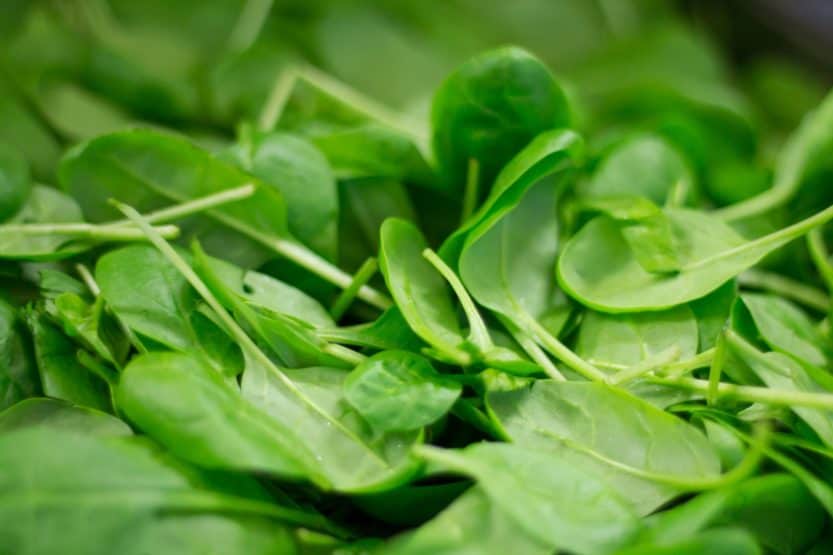
Iron is an essential mineral that plays a crucial role in our bodies. It is a fundamental component of hemoglobin, the protein in red blood cells responsible for carrying oxygen throughout the body. Insufficient iron levels can lead to anemia, fatigue, and a range of other health problems.
While meat is often emphasized as the primary source of iron, many vegetables also provide a significant amount of this essential nutrient. This article explores 25 iron-rich vegetables, highlighting their benefits, preparation methods, and ways to enhance iron absorption.
Understanding Iron: A Brief Overview
Before diving into specific vegetables, it’s important to familiarize ourselves with the two types of dietary iron: heme and non-heme. Heme iron is found in animal products and is more readily absorbed by the body. In contrast, non-heme iron comes from plant sources and may require careful dietary pairings to promote absorption. Even for those following vegetarian or vegan diets, non-heme iron can meet daily requirements, especially when combined with vitamin C-rich foods that enhance absorption.
Spinach
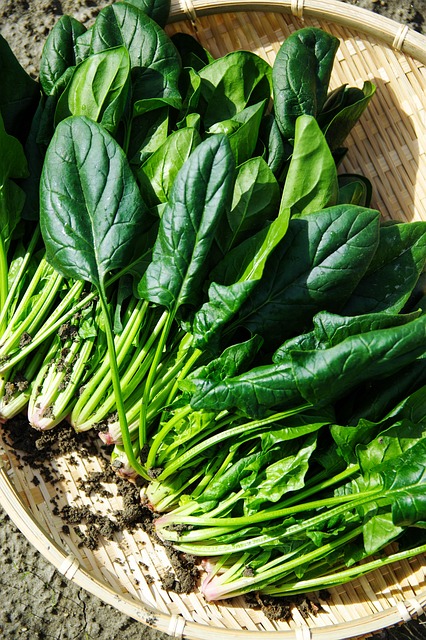
Spinach is widely recognized as a superfood due to its rich nutrient profile. Not only is it high in iron, boasting approximately 6.4 mg per cooked cup, but it also contains a plethora of vitamins such as A, C, and K. This leafy green is incredibly versatile—add it to salads, smoothies, soups, or casseroles. Cooking spinach can reduce levels of oxalates, which may inhibit iron absorption, making cooked spinach a superior choice.
Swiss Chard
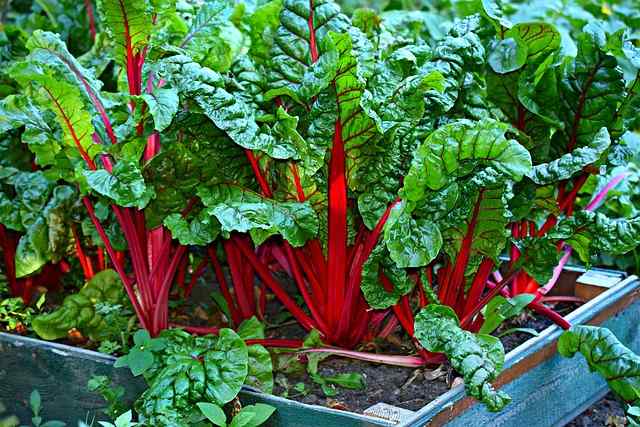
Swiss chard, with its vibrant colors and robust flavor, is another excellent source of iron, providing about 4 mg per cooked cup. Additionally, it is rich in antioxidants and vital vitamins. Enjoy Swiss chard sautéed with garlic or added to pasta dishes for a nutritional boost. Its earthy flavor makes it a staple in various cuisines.
Kale
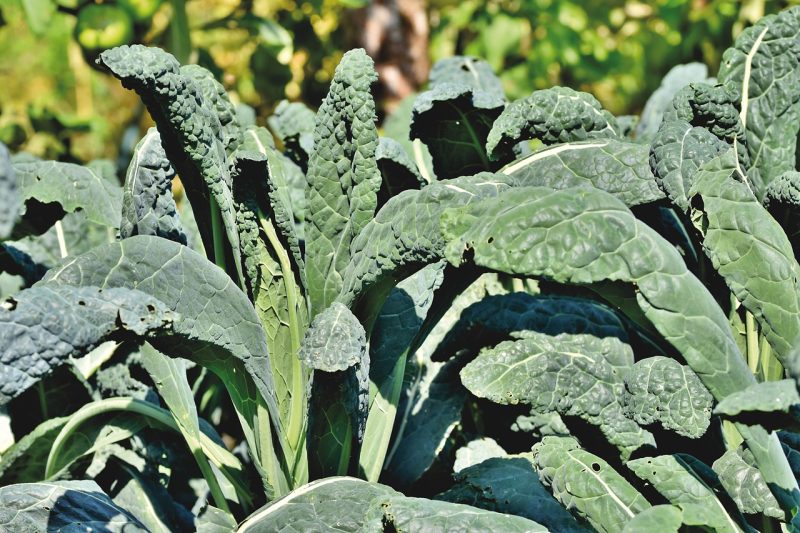
Kale remains a powerhouse among leafy greens, delivering around 1.2 mg of iron per cooked cup. It’s loaded with fiber, which aids digestion, and is high in vitamins A, C, and K. Kale can be enjoyed raw in salads, blended into smoothies, or baked into crispy kale chips. Pairing it with foods rich in vitamin C can further enhance its iron absorption.
Beet Greens
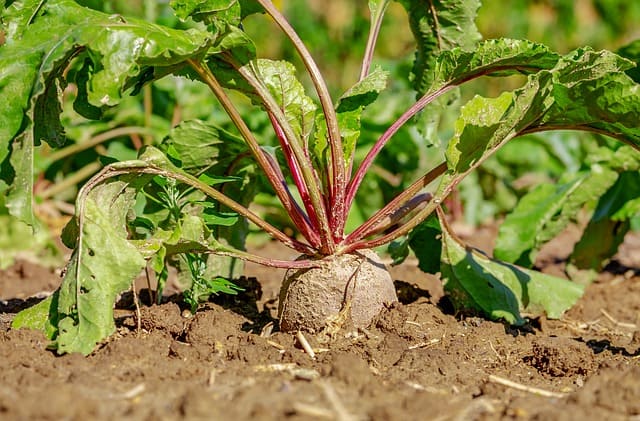
Often disregarded, beet greens are the leafy tops of beets and are incredibly nutrient-dense, offering roughly 2.7 mg of iron per cooked cup. They are also rich in vitamin K and calcium. Sauté beet greens with garlic and olive oil for a delicious side or blend them into smoothies for added nutrition.
Broccoli
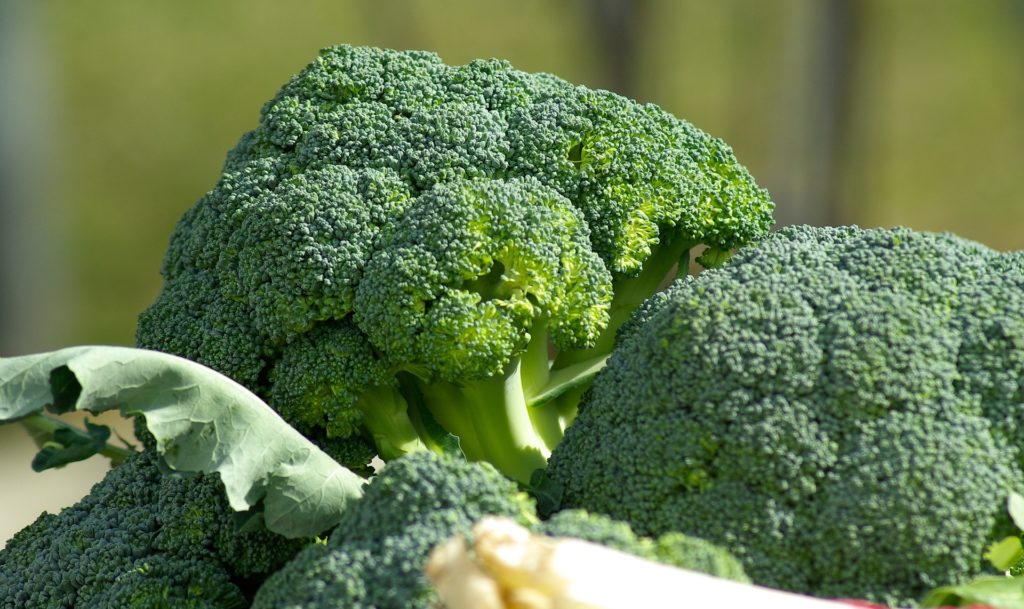
Broccoli is not just a source of iron—it also provides about 1 mg per cooked cup, along with high levels of vitamins C and K and fiber. Steaming, roasting, or incorporating broccoli into stir-fries enhances its nutrient utilization. Its vitamin C content can help enhance iron absorption, making it a great companion for iron-rich meals.
Brussels Sprouts
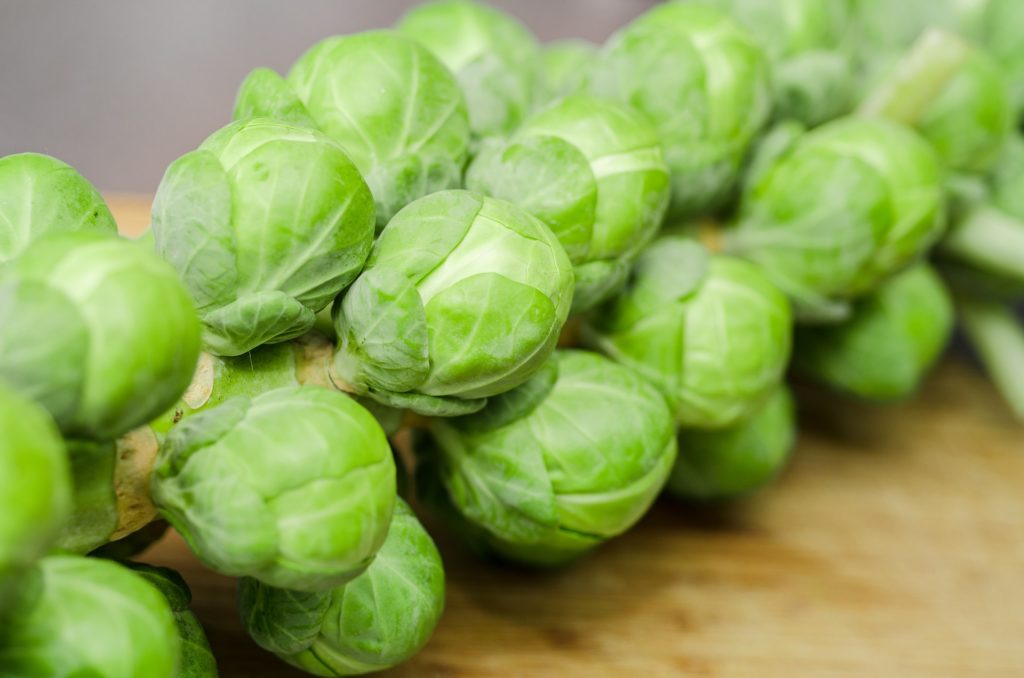
These mini cabbages are surprisingly rich in iron, offering approximately 1 mg per cooked cup. Brussels sprouts are flavorful when roasted, allowing their natural sugars to caramelize. They also contain vitamins C and K, making them a wholesome addition to your diet.
Green Peas
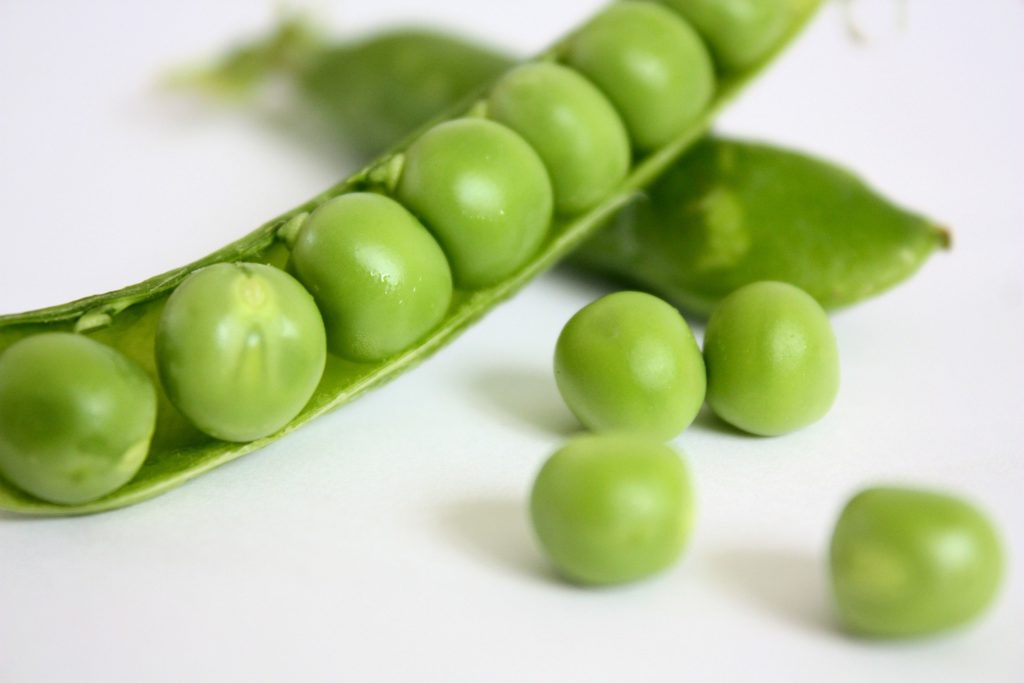
Green peas pack a nutritious punch, containing around 2 mg of iron per cooked cup. They’re rich in protein and dietary fiber, making them an excellent choice for vegetarian diets. Toss them into salads, pasta dishes, or purée them for a creamy soup to enjoy their benefits.
Potatoes
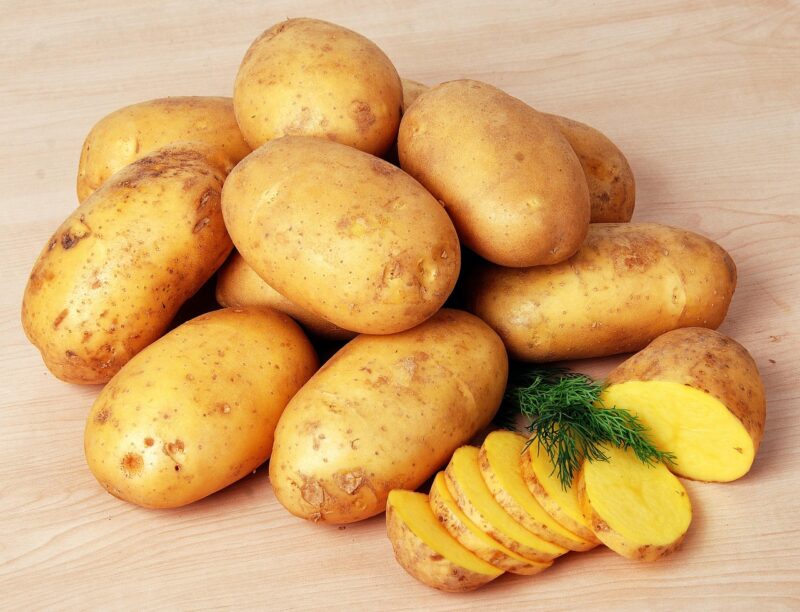
Potatoes might not typically top the list of iron-rich foods, but a medium-sized potato with the skin contains about 2 mg of iron. They’re also an excellent source of potassium. Roasting or baking potatoes preserves nutrients well, and pairing them with a vitamin C-rich topping, like salsa or a fresh tomato salsa, can enhance iron absorption.
Sweet Potatoes
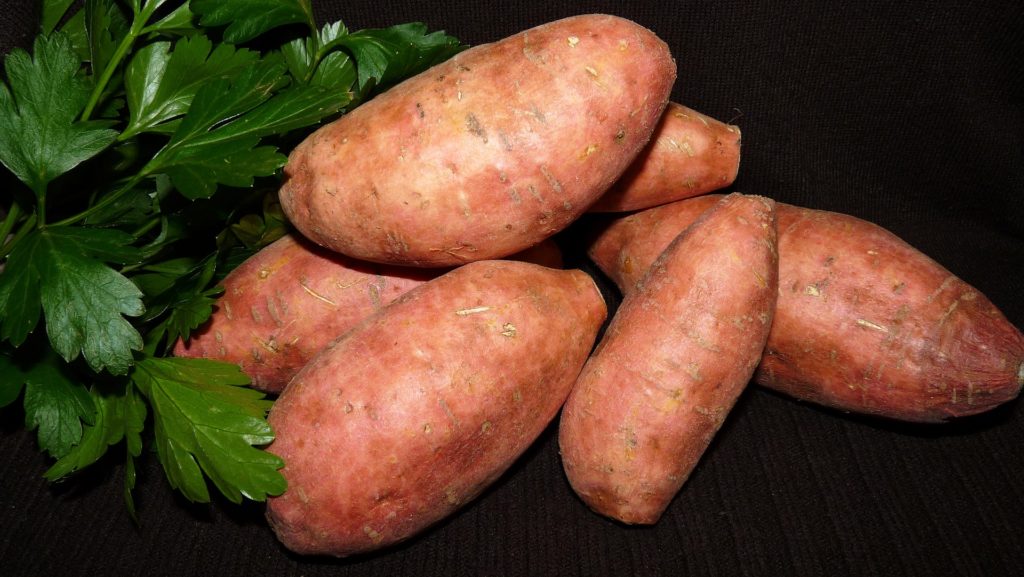
Sweet potatoes are another nutritious root vegetable providing around 1 mg of iron per medium-sized potato. They are packed with beta-carotene and dietary fiber. Roasted sweet potatoes can add a sweet flavor to savory dishes, and pairing them with greens can further amplify their nutritional profile.
Collard Greens
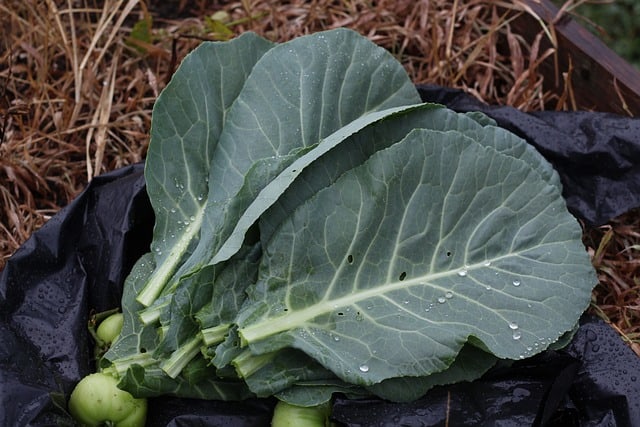
Collard greens are a staple in many culinary traditions, particularly in Southern cuisine, and offer approximately 0.5 mg of iron per cooked cup. Low in calories and high in nutrients, they can be sautéed or incorporated into soups and stews for added flavor and health benefits.
Mustard Greens
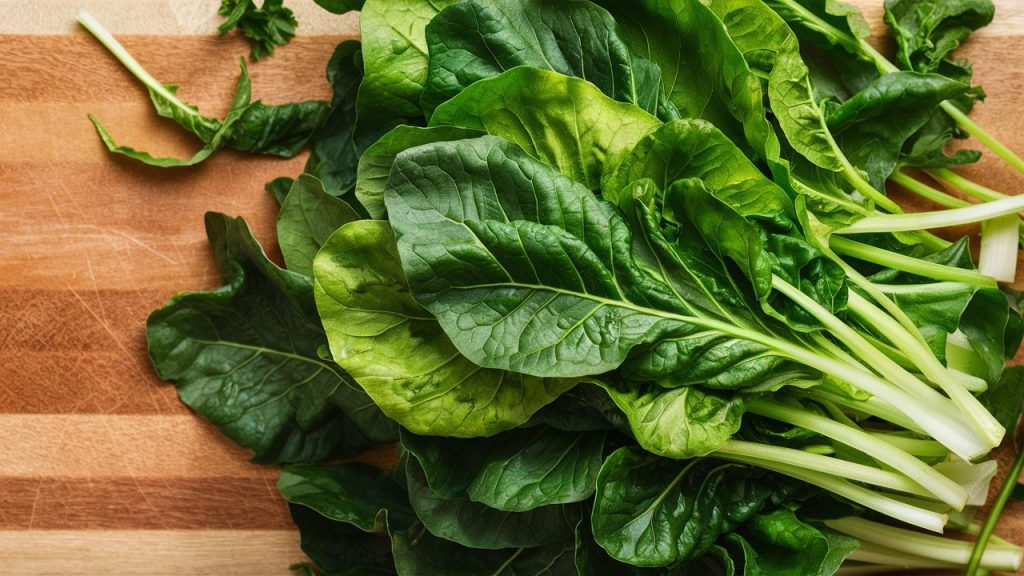
Mustard greens have a distinctive peppery flavor and provide about 1.4 mg of iron per cooked cup. Packed with vitamins A, C, and K, they are a wholesome addition to salads or can be sautéed to complement main dishes, adding nutritional depth and flavor.
Asparagus
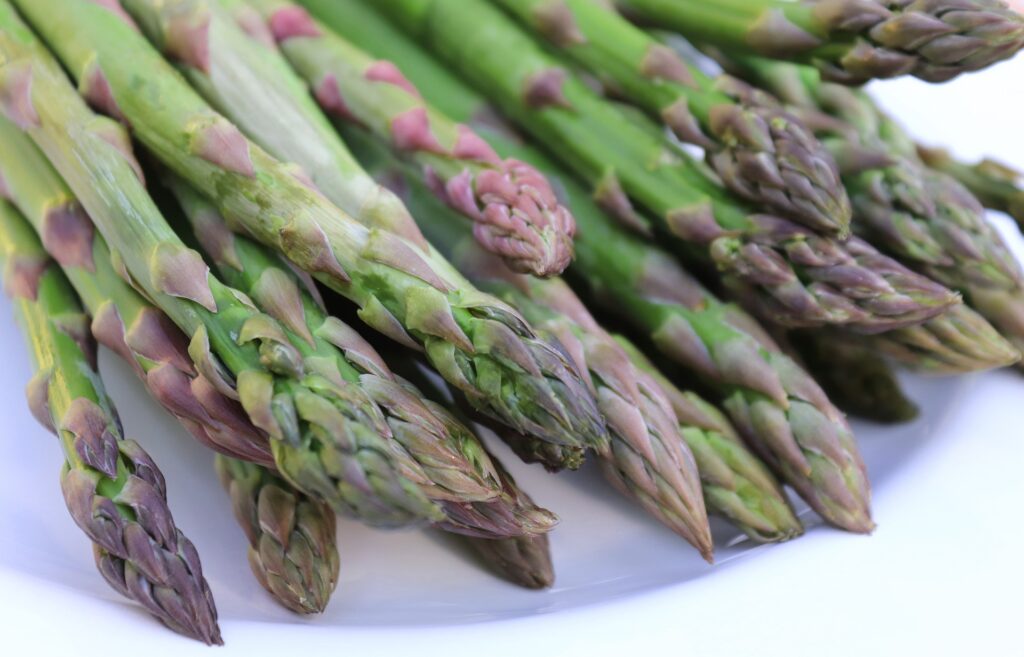
Asparagus is a delightful vegetable that contributes around 2.1 mg of iron per cooked cup. It’s rich in folate and vitamins A, C, and K. Roasting or grilling asparagus enhances its flavor, making it a sophisticated side dish that can elevate any meal.
Artichokes
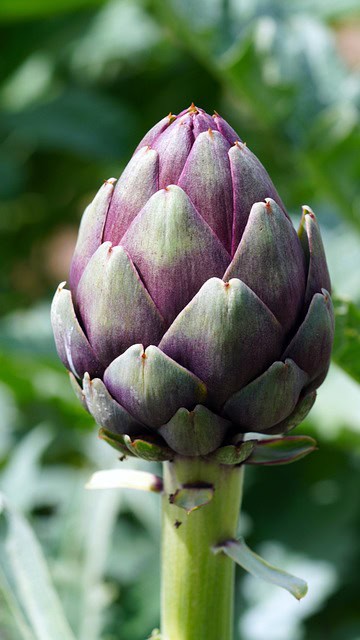
Artichokes may not be a traditional staple but are surprisingly nutritious, containing about 1.4 mg of iron per medium-sized artichoke. They are also rich in antioxidants and dietary fiber. Artichokes can be steamed or roasted and served with dips for a delicious treat.
Peppers
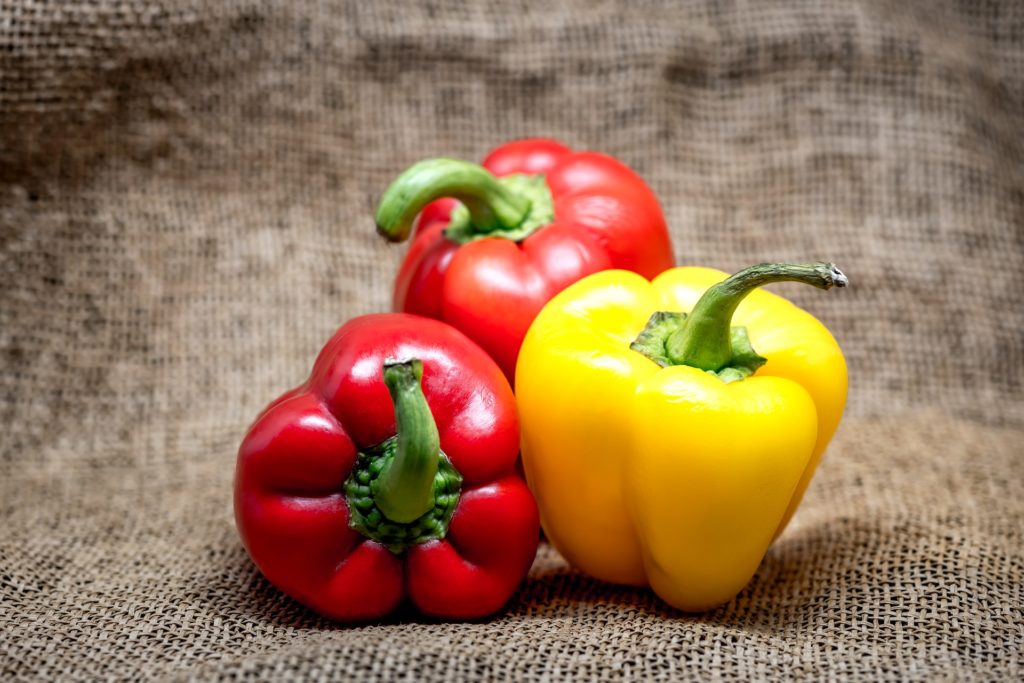
Bell peppers, especially green ones, offer about 0.5 mg of iron per cup. While they provide lower amounts of iron, their high vitamin C content aids in iron absorption. Use them in salads, stir-fries, or stuffed with grains to maximize their nutritional benefits.
Seaweed
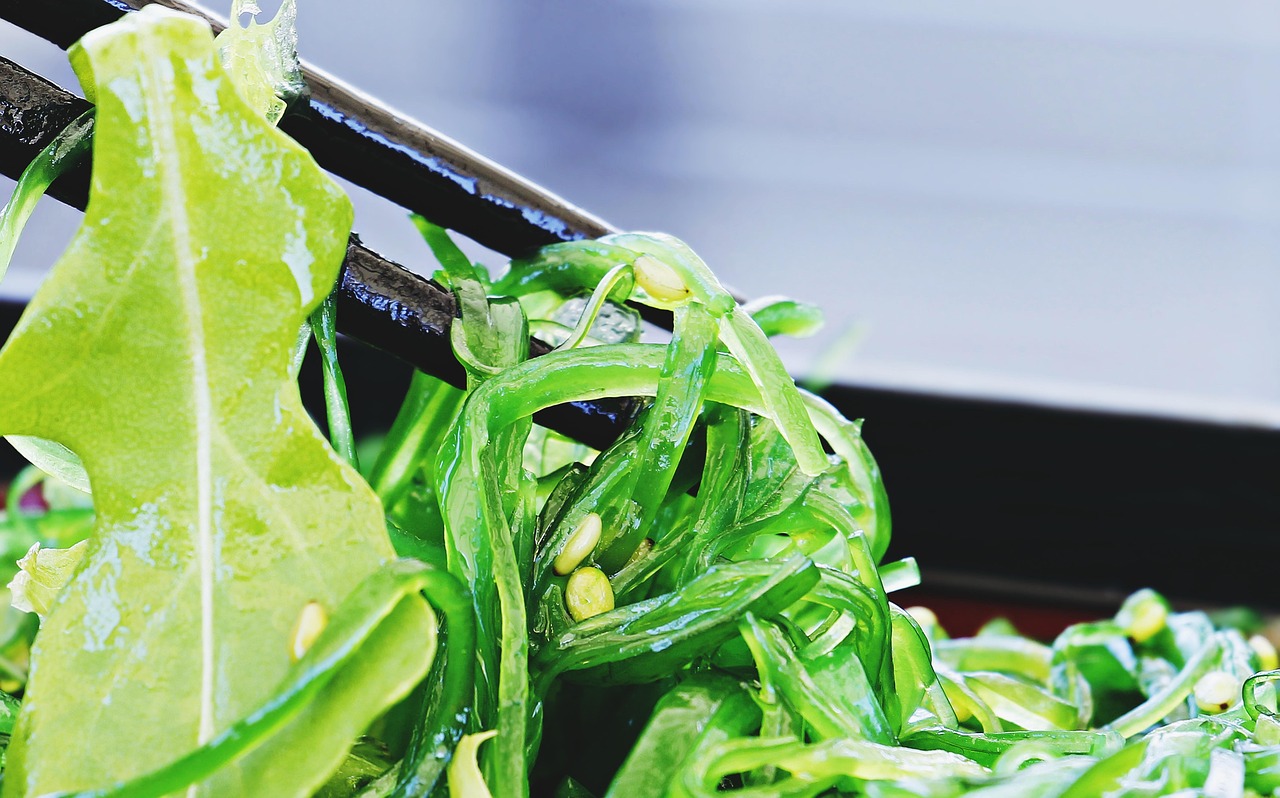
Different types of edible seaweed, like nori and dulse, can be incredibly rich in iron, providing 2 to 40 mg per 100 grams. Seaweed is also high in iodine and other trace minerals, making it an excellent choice for salads and sushi or as a seasoning for various dishes.
Fiddleheads
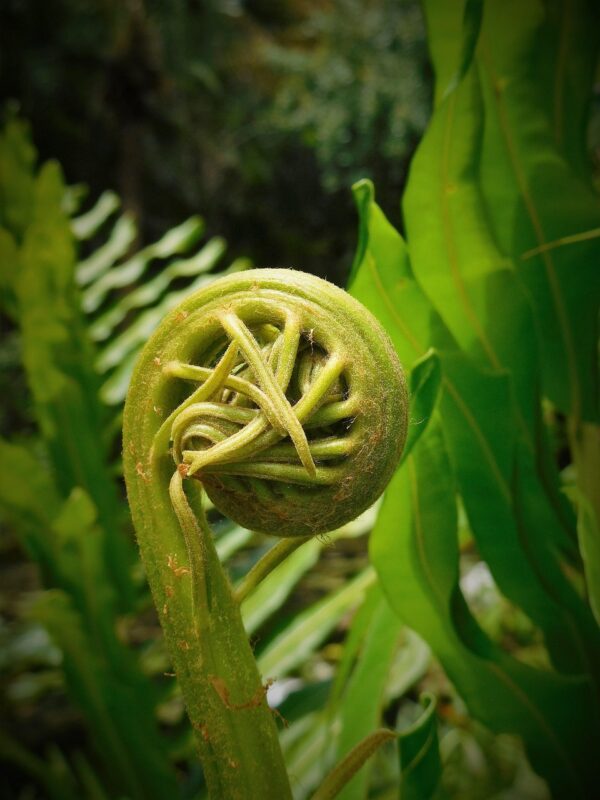
Fiddleheads, the young and coiled fronds of ferns, offer about 2.7 mg of iron per cooked cup. They are high in antioxidants and omega-3 fatty acids. Fiddleheads can be lightly steamed, sautéed, or used in stir-fries, providing a unique flavor and nutrient boost.
Carrots
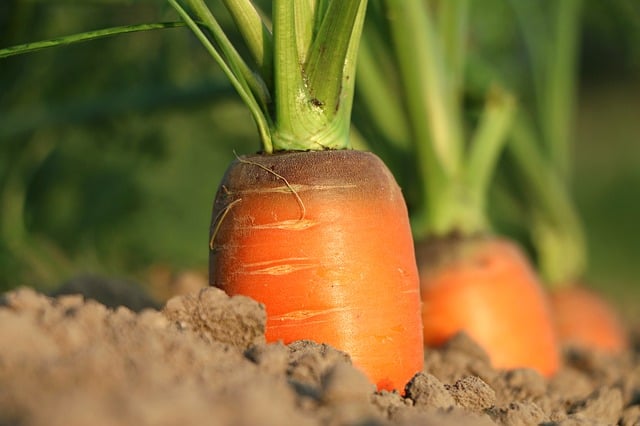
Carrots provide around 0.3 mg of iron per medium-sized carrot. Although lower in iron compared to others on this list, they are packed with vitamins and minerals. Enjoy them raw in salads, roasted, or added to stews for added flavor, crunch, and color.
Squash
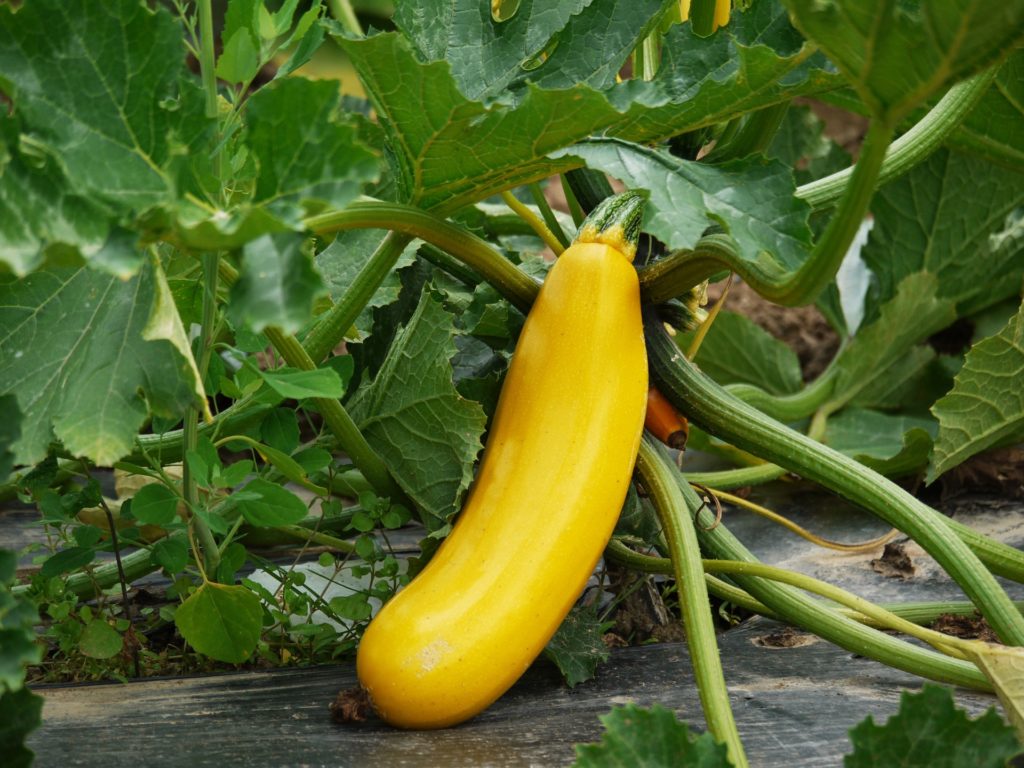
Various squash varieties, such as acorn and butternut, contain about 0.5 mg of iron per cooked cup. Squash is rich in fiber and vitamins A and C. Roasting squash enhances its natural sweetness, making it a delicious addition to autumnal meals.
Turnip Greens
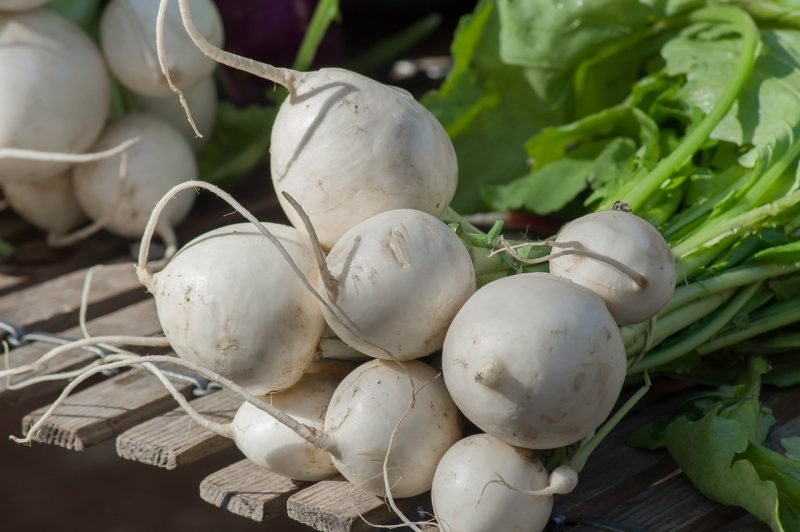
The leafy tops of turnips, often overlooked, are highly nutritious, offering approximately 1.5 mg of iron per cooked cup. High in calcium and vitamins A and K, turnip greens can be sautéed with seasoning or added to soups as a flavorful and healthful ingredient.
Tomato
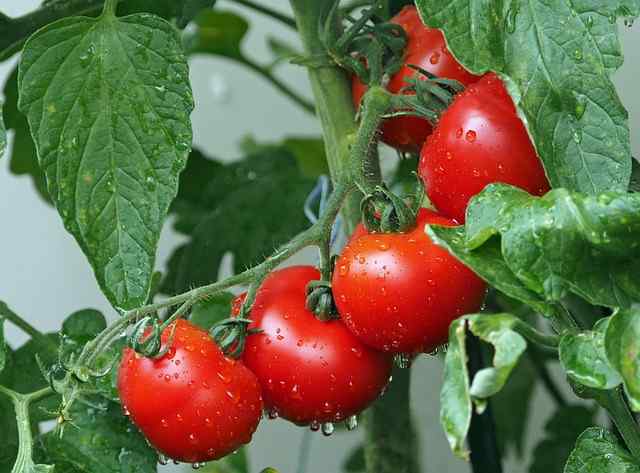
Tomatoes, particularly sun-dried ones, contain about 1.6 mg of iron per cup. Fresh tomatoes offer smaller amounts but are still valuable. Their high vitamin C content makes them an excellent pairing for iron-rich dishes, enhancing non-heme iron absorption. Use them in sauces, salads, or as a topping for various dishes.
Radishes
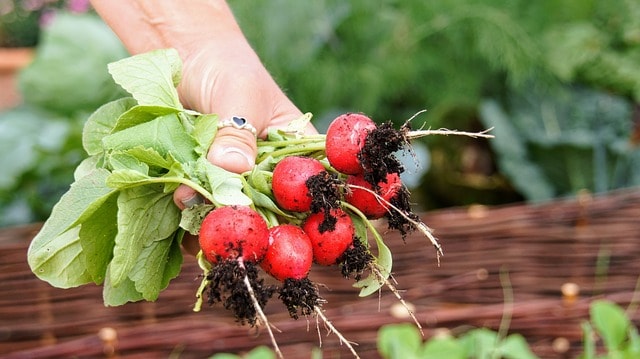
While radishes offer about 0.3 mg of iron per cup when raw, they enhance dishes with their crisp texture and peppery flavor. Enjoy them raw in salads, roasted for sweetness, or pickled for an exciting twist. Pairing them with iron-rich foods can help optimize absorption.
Zucchini
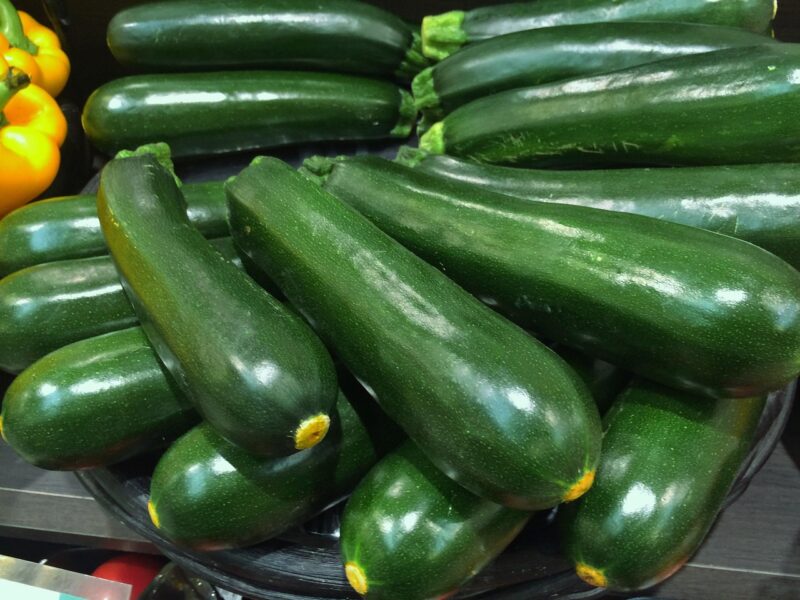
Zucchini provides approximately 0.4 mg of iron per cooked cup. This vegetable’s versatility allows for endless culinary possibilities—spiralize it into noodles, grill it, or bake it into savory breads. Its mild flavor pairs perfectly with other vegetables and seasonings.
Cauliflower
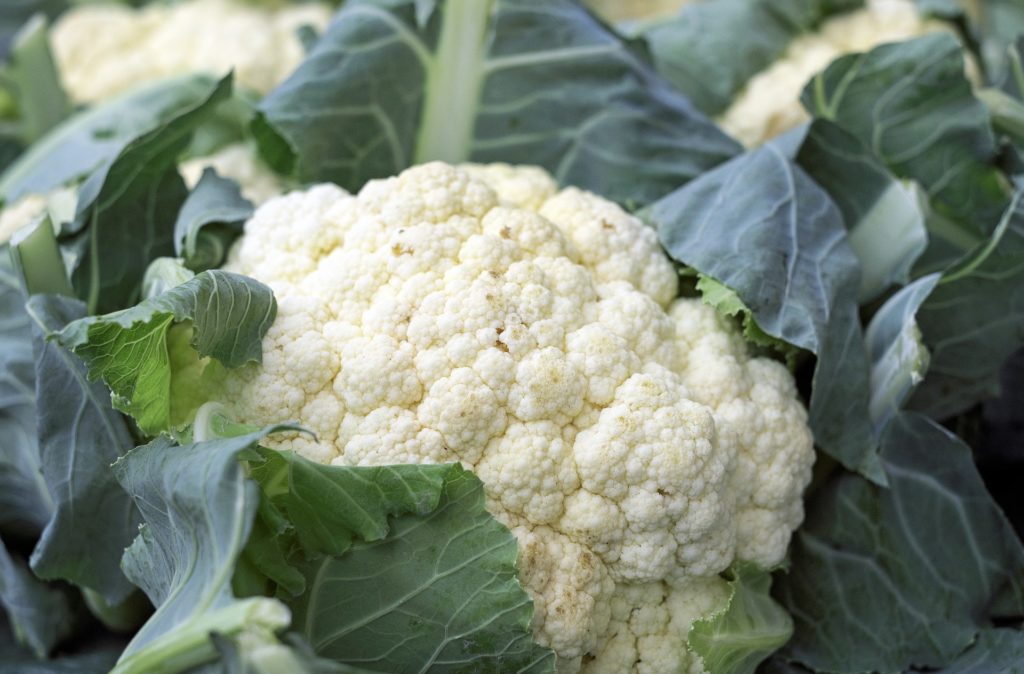
Cauliflower offers around 0.4 mg of iron per cooked cup. As a cruciferous vegetable, it can be roasted, riced, or mashed for various dish applications. Its versatility ensures it can fit well into countless meals, from salads to casseroles.
Cucumber
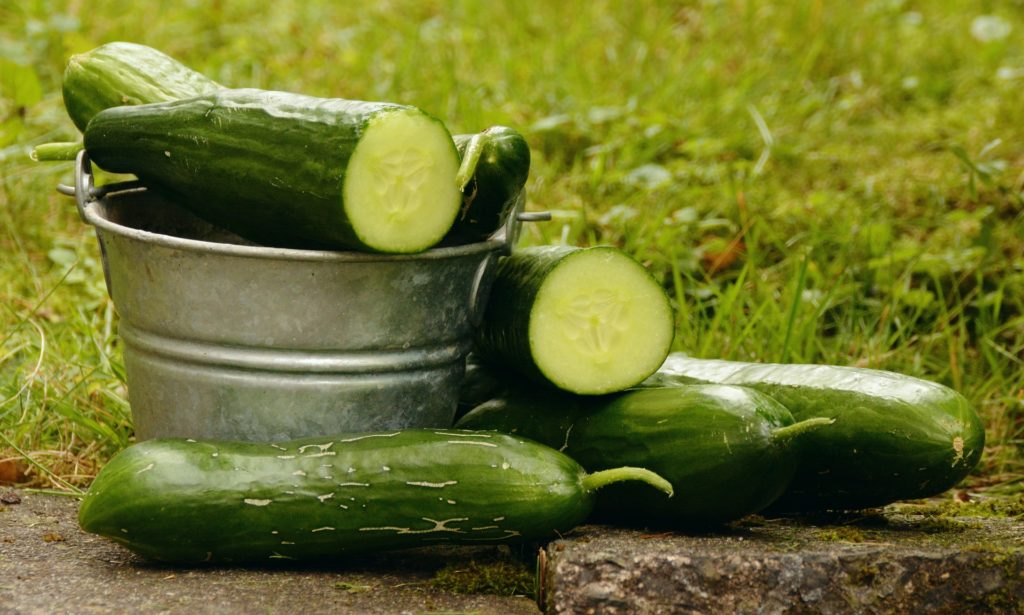
Cucumbers provide approximately 0.3 mg of iron per medium cucumber. Though not the foremost source of iron, their refreshing taste and high water content make them a delightful addition to salads and snacks. Optimal iron absorption can be achieved by pairing cucumbers with iron-rich vegetables or dressings containing vitamin C.
Maximizing Iron Absorption
To effectively promote iron absorption, it’s essential to understand which foods aid in this process. Vitamin C significantly increases non-heme iron absorption. Foods rich in vitamin C include citrus fruits, strawberries, bell peppers, and broccoli. Consuming these alongside iron-rich vegetables can substantially enhance the nutrient’s bioavailability.
It is also crucial to note inhibitors that can affect iron absorption, such as phytates found in whole grains and legumes, calcium supplements, and tannins present in tea and coffee. To optimize iron intake, it’s wise to space out the consumption of these inhibitors from meals high in iron.