

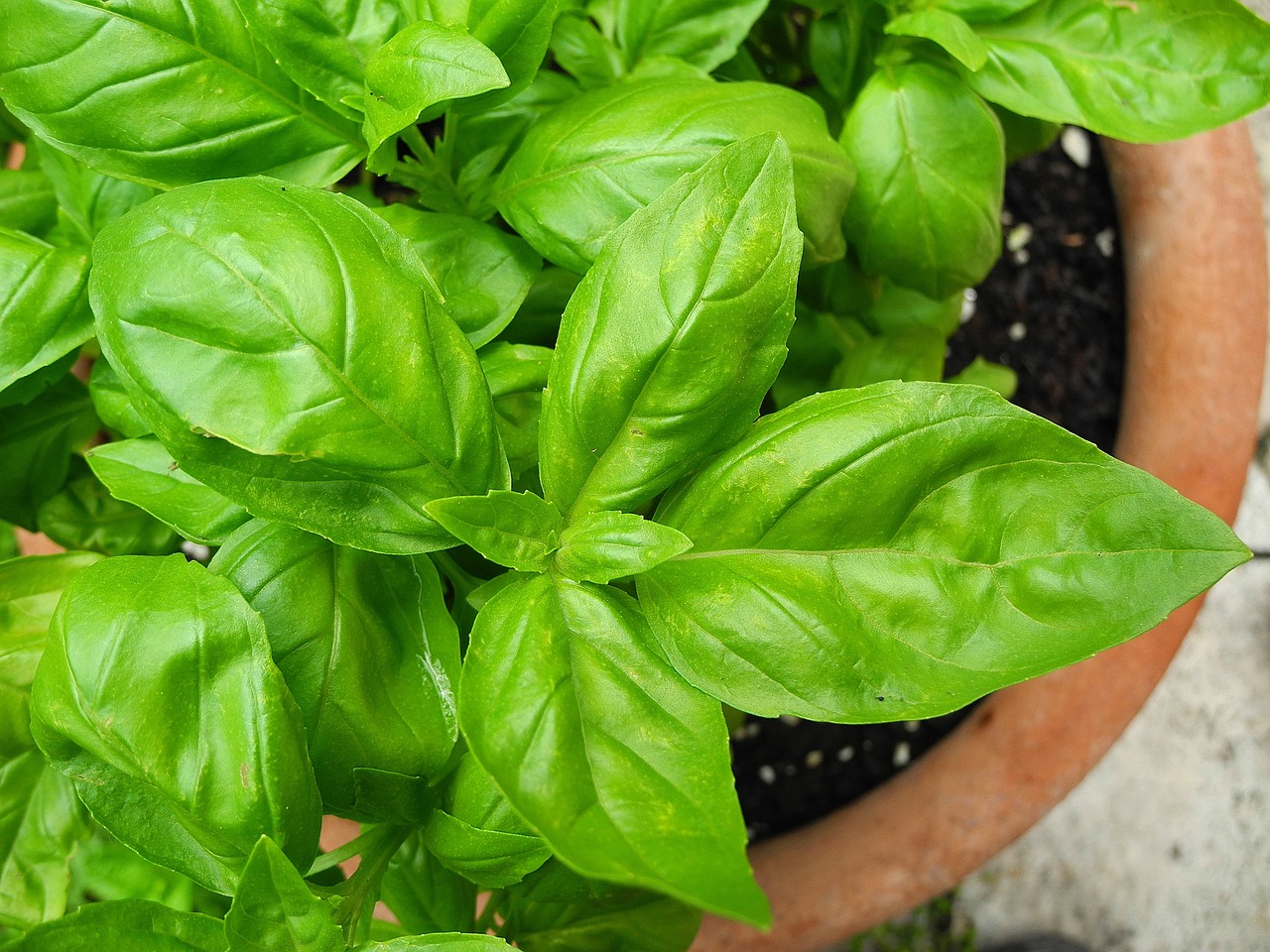
Whether you’re growing it in a sunny garden bed, a windowsill pot, or on your balcony, pruning basil is an essential practice that not only enhances the plant’s flavor but also promotes healthy growth.
In this detailed guide, we will explore the art and science of pruning basil, along with anecdotes, tips, and insights gained from gardening enthusiasts and expert horticulturists alike.
Understanding Basil & Its Growth Habits
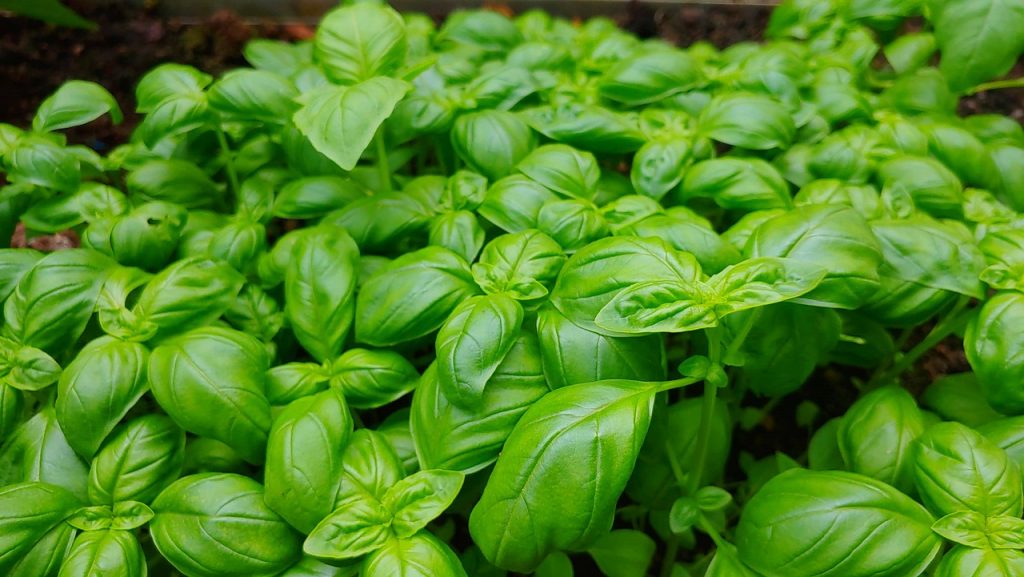
Before delving into the specifics of pruning, it’s crucial to understand what makes basil a unique and dynamic herb. Basil (Ocimum basilicum) is a member of the mint family and thrives in warm climates. It’s a fast-growing annual herb that can reach heights of 12 to 24 inches, depending on the variety.
Basil grows in a bushy manner, and its leaves can vary from wide and smooth to narrow and frilly, depending on the type you’re nurturing. Sweet basil is most commonly used in cooking, treasured for its sweet, aromatic leaves that enhance dishes like pesto and marinara sauce. Pruning this plant correctly can significantly influence its vigor, health, and flavor profile.
As a personal anecdote, I once grew a pot of sweet basil on my kitchen windowsill. I was mesmerized by how quickly it flourished but was equally puzzled by its tendency to bolt. This experience ignited my passion for learning about pruning, and I found that proper methods could keep my basil flourishing longer and more robustly.
Why Pruning is Essential for Basil
Pruning is not merely a cosmetic practice; it holds profound benefits for the health and productivity of basil plants. First and foremost, pruning encourages a bushier growth habit by promoting lateral branching. When you snip or pinch back the main stem, it sends a signal to the plant to produce new shoots from the leaf axils. This results in a fuller, more bountiful plant, perfect for harvesting.
Another reason to embrace pruning is to prevent flowering or “bolting,” which occurs when the plant diverts energy from leaf production to flower development. Once basil flowers, the leaves can become bitter, diminishing their culinary appeal. By regularly trimming the plant, you can extend its growing season and ensure that your basil remains fresh and flavorful.
The Tools of the Trade

Equipped with the right tools is crucial to effective pruning. Here are the essentials you’ll need:
Sharp Scissors or Pruning Shears: Ensure your tools are clean and sterile to prevent diseases. Sharp blades make clean cuts, which help the plant recover quickly.
Gardening Gloves: While not strictly necessary, gloves can protect your hands from sticky sap and make for a comfortable experience.
A Trowel: This may be useful if you need to repot or transfer plants while you prune.
Always begin with sterilized tools, especially if you’ve previously pruned other plants, to avoid cross-contamination. The simple act of cleaning your tools can safeguard your basil’s health, ensuring that diseases do not spread.
Timing Your Pruning
Timing is everything in the world of gardening, and basil is no exception. The ideal time to prune basil is during the plant’s active growing season, typically in spring and summer. You should aim to prune when the plant has reached about six inches in height, as it will have developed enough foliage to support regrowth.
Prune basil early in the morning when plants are well-hydrated and cooler temperatures can minimize stress. Avoid pruning during heatwaves or drought situations, as this can shock a basil plant and adversely affect its health.
The Art of Pruning: Step-by-Step Guide
Pruning basil may seem straightforward, but a little finesse goes a long way. Here’s a step-by-step process to ensure you’re doing it right:
1. Assess Your Plant’s Health
Before you start snipping, take a moment to evaluate your basil. Check for signs of pest infestation or disease, such as yellowing leaves or wilting. Healthy plants will withstand pruning better and revive quickly.
2. Identify Pruning Points
Look for areas on the main stem where pairs of leaves stem out from the main stalk. These sections are called leaf axils, and they are crucial for encouraging bushier growth.
3. Make Clean Cuts
Using your sharp, clean shears, cut just above a leaf pair at a 45-degree angle. This angle promotes better healing and reduces the likelihood of rot. If cutting by hand, pinch the stem gently to avoid damage to surrounding leaves.
4. Remove Flower Buds
If you see flower buds forming, it’s okay to pinch those off. This practice helps to redirect energy back into leaf growth, which is ideal for harvesting.
5. Regular Maintenance
After your initial pruning, you should maintain a consistent schedule; frequent, light pruning is preferred over drastic cuts. Aim to trim your basil every two to four weeks, especially as the plant begins to flourish.
Harvesting From Your Pruned Basil
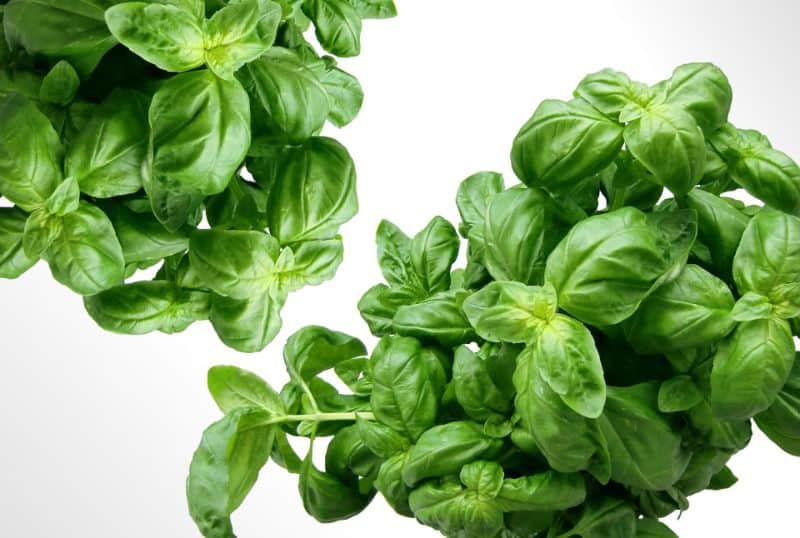
Once you’ve mastered pruning, the next exciting phase is harvesting. Harvesting basil is akin to relishing the rewards of your labor; it’s a heartfelt experience that celebrates the cycles of growth.
When harvesting, cut the leaves when they’re young and tender. This is typically just before the plant flowers, which allows the basil to express its peak flavor. You can remove entire stems or select individual leaves depending on your culinary needs. Remember to take no more than one-third of the plant at a time to keep it healthy.
Storing Fresh Basil
To enjoy the fruits of your labor beyond the garden, proper storage is essential. Fresh basil is best used right after harvesting, but if you have extra, consider these options:
In Water: Place the stems in a glass of water (like flowers) and leave them on your countertop.
Refrigeration: Wrap basil leaves in a damp paper towel and store them in a plastic bag in the refrigerator.
Freezing: You can also freeze basil by pureeing leaves with olive oil and storing the mixture in ice cube trays.
Common Mistakes & How to Avoid Them
Even seasoned gardeners can fall prey to common pitfalls when pruning basil. Awareness of these potential errors can save your plant from undue stress.
Over-Pruning
Removing too much foliage at once can shock the plant, leading to a slow recovery or even plant death. As a rule of thumb, never cut more than one-third of the plant at a time.
Pruning at the Wrong Time
Pruning when the plant is stressed or unhealthy can worsen its condition. Always check weather conditions and plant health before making any cuts.
Ignoring Flower Development
Allowing basil to flower may feel natural, but it significantly alters the flavor of the leaves. Prevention is key, so be vigilant in removing flower buds.
The Role of Fertilization & Watering in Pruning Success
While pruning is pivotal, it works in concert with other gardening practices like fertilization and watering. When basil plants are well-fertilized and appropriately watered, they tend to recover faster from pruning.
Choosing the Right Fertilizer
Basil thrives on nutrients that promote leafy growth. Look for a balanced fertilizer (e.g., 10-10-10) or one high in nitrogen. Apply fertilizer during the growing season, typically every four to six weeks.
Effective Watering Practices
Consistency is vital. Basil prefers moist but not waterlogged soil. Water your basil deeply, allowing the top inch to dry out before the next watering session. Keeping your basil hydrated ensures that it can effectively regenerate after each pruning session.
Pruning Techniques for Different Basil Varieties
While the basic principles of pruning remain relatively consistent across varieties, it’s important to consider the unique characteristics of different types of basil. Examples of popular varieties include:
Sweet Basil
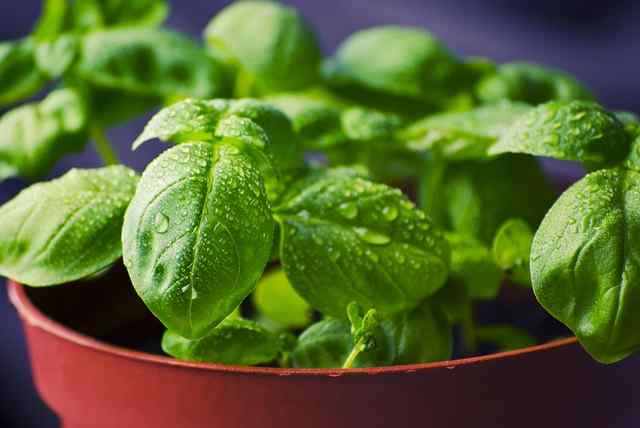
This common variety is commonly used in culinary dishes. The standard pruning practices outlined earlier apply here.
Thai Basil
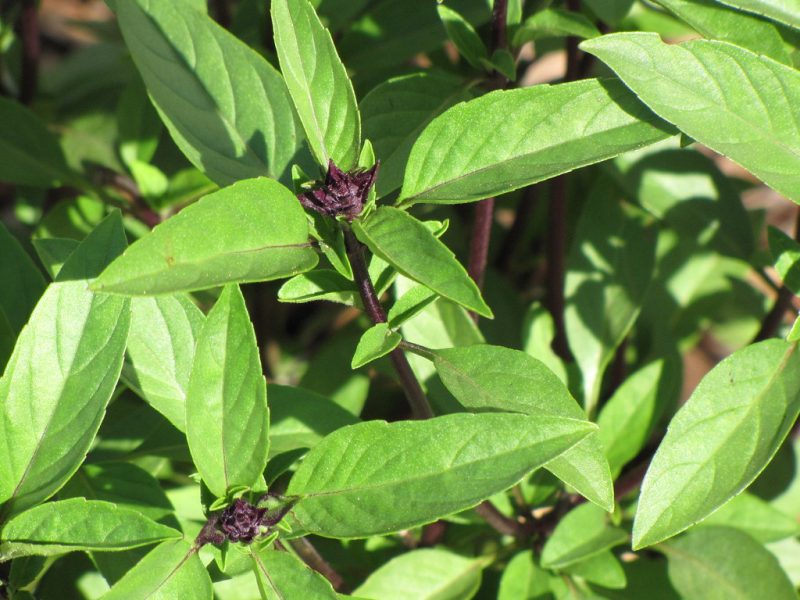
With its distinctive anise flavor, Thai basil grows differently. It has a more upright structure and benefits from slightly more aggressive pinching to encourage bushiness.
Genovese Basil
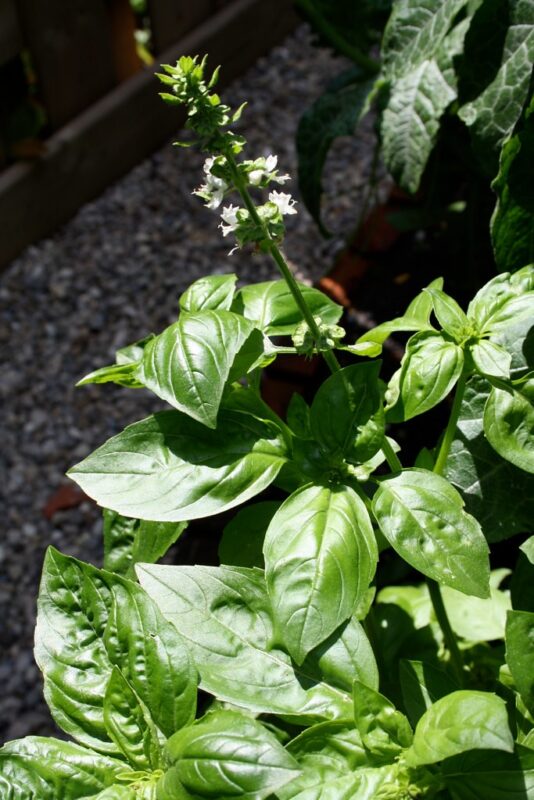
Particularly prized for pesto, Genovese basil has larger leaves. Regularly pinch the tips to prevent flowering, but also allow for ample leaf growth for culinary harvesting.
Purple Basil
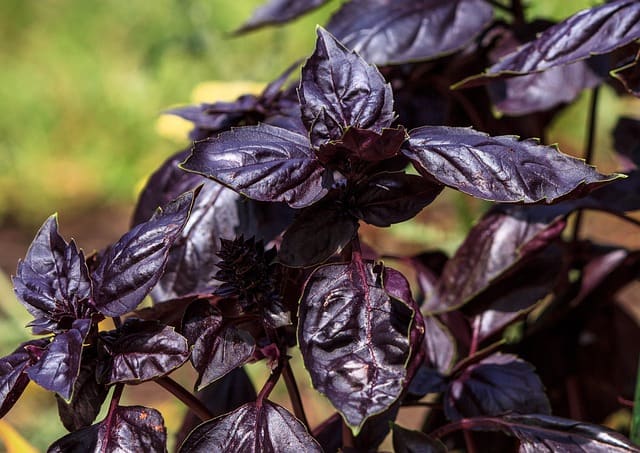
This visually stunning variety can be a showstopper in any herb garden. Its cutting and pruning needs are similar to sweet basil, but keep an eye on leaf color. It’s frequent to observe a more robust color only when adequately pruned.
The Psychological Benefits of Pruning and Gardening
Beyond the practical aspects of “How to Prune Basil,” the emotional and psychological benefits of gardening deserve special mention. Engaging with plants can lead to enhanced mood, reduced anxiety, and increased feelings of connection to nature.
Gardening, including proper pruning techniques, can serve as a mindfulness practice. The act of focusing on the task at hand—whether it’s snipping a plant, watching it grow, or harvesting—encourages a sense of presence. This is critical in our fast-paced, technology-driven world.
Reflecting back to my window-herb garden, those moments spent nurturing my basil were therapeutic. Each snip felt like a conversation with nature, a genuine connection that is sometimes lost in our daily routines.
Conclusion: Cultivating a Deep Relationship with Basil
Pruning basil is not only an act of care; it’s a rich and rewarding journey. Whether you’re cultivating it for culinary use or genuinely enjoying the process of gardening, every cut helps you nurture a deeper relationship with this aromatic herb.