
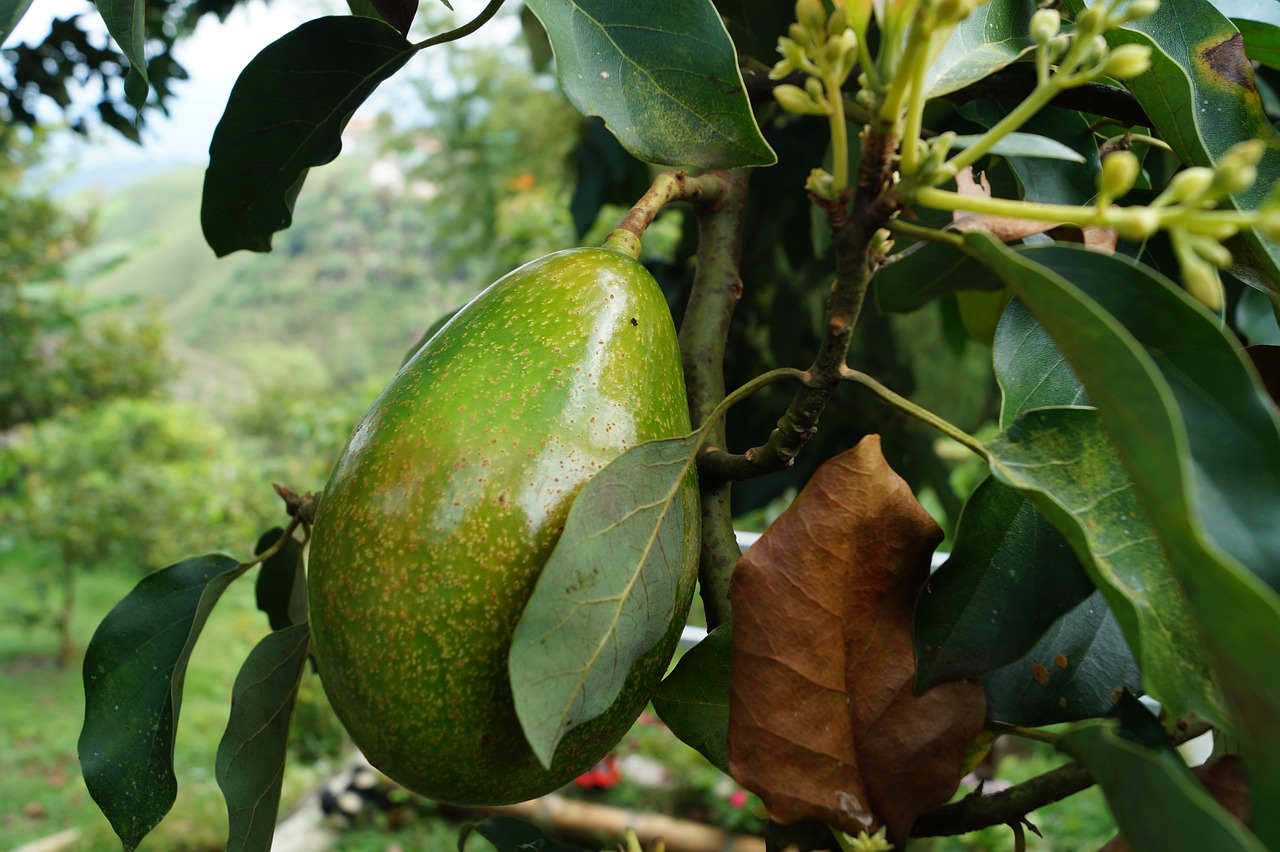
In this expansive guide, we will explore every nuance of growing avocados, from understanding their origins to the intricacies of soil and water requirements, and everything in between—including tips for troubleshooting common issues and harvesting your precious fruit.
Understanding Avocado Varieties

Before you set out to grow avocados, it’s crucial to familiarize yourself with the different varieties. The two main categories are:
West Indian Avocado (P. Americana): Often larger and smoother-skinned, these avocados thrive in tropical climates. They have a higher moisture content, which makes them ideal for salads and smoothies.
Guatemalan Avocado (P. nubigena): These varieties adapt well in cooler climates. Their skin is thicker and often has a rough texture. They are more tolerant of lower temperatures and have a rich, nutty flavor.
Mexican Avocado (P. americana): Recognized for their deep flavor and small pit, these avocados have a rich oil content. Their thin skin is dark, turning almost black when ripe.
Each variety has its own growing requirements, including temperature ranges, soil needs, and water requirements. Knowing which variety suits your climate and taste preferences will set the stage for a successful avocado garden.
Site Selection and Planting Your Avocados

Choosing the right site for planting is a crucial step toward avocado success. Avocados thrive in warm climates with well-draining soil. They prefer full sun exposure for at least six hours a day. Here are factors to consider:
Climate: Ensure the variety you choose is appropriate for your region. Avocados prefer temperatures between 60°F and 85°F (15°C and 30°C) but can withstand short periods of cold.
Soil: Avocados require sandy loam or gravelly soils with a pH between 6 and 7.5. Good drainage is crucial, as avocados are sensitive to root rot caused by excess water.
Space: Plan for space! Depending on the variety, avocado trees can grow anywhere from 10 to 30 feet tall and wide, requiring ample room for healthy growth.
After selecting a suitable site, it’s time to prepare for planting. Avocado trees can be grown from seed or nursery seedlings. Starting from seed can be a fun project, but seedlings will yield fruit much faster. Here’s a planting guide:
Seed Method: Rinse the seed and insert three toothpicks into the top half of the seed. Suspend it over a glass of water, ensuring the bottom is submerged. Place it in a warm, sunny spot, and wait for roots and sprouts to emerge, usually taking 2 to 6 weeks.
Seedling Method: Select a healthy avocado seedling from a nursery. Dig a hole twice as wide as the root ball and just as deep. Remove the seedling from its pot and gently loosen any tightly bound roots. Place it in the center of the hole and backfill with soil.
Mulching: Apply a 2-inch layer of mulch around the base to retain moisture and suppress weeds.
Watering: Immediately after planting, water thoroughly to help settle the soil and eliminate air pockets.
Watering: Balancing the Right Amount
Watering avocado trees requires careful attention. These trees thrive with consistent moisture but can be severely affected by waterlogging. Here are some guidelines to ensure your avocados are neither parched nor drowned:
Deep Watering: Water your avocado trees deeply but infrequently. Aim for watering once every 1-2 weeks, depending on the season. A young tree may need more frequent watering than a mature one.
Observation: Monitor your tree’s leaves for signs of distress. Curling leaves may signify underwatering, while yellow and droopy leaves often indicate overwatering.
Irrigation Practices: If possible, consider setting up a drip irrigation system. This allows you to deliver water directly to the roots, minimizing waste and evaporation while maximizing efficiency.
Rainfall Response: Adjust your watering schedule based on weather conditions. If your area experiences significant rainfall, you may temporarily reduce your watering frequency.
Finding that perfect balance can be a learning experience, but as you observe and adjust, the trees will reward you with healthy growth.
Soil Requirements and Nutrition

Avocado trees require specific nutrients to flourish, and understanding their soil needs can be transformative for their growth. Here is a closer look at optimizing the soil conditions for your avocados:
Soil Composition: Aim for soil that consists of organic matter, sand, silt, and clay. Test the soil’s pH and texture to ensure it meets avocado requirements.
Organic Matter: Incorporating organic compost or well-rotted manure can replenish essential nutrients and enhance the soil structure.
Nutrient Deficiency: Keep an eye out for signs of nutrient deficiencies, such as yellow leaves indicating nitrogen deficiency or spots that may suggest a lack of potassium. A balanced, slow-release fertilizer, ideally one high in nitrogen, can be beneficial during the growing season.
Fertilization Schedule: In addition to initial soil prep, establish a fertilization schedule. For young avocado trees, apply fertilizer in spring and summer every 6-8 weeks. Be cautious not to over-fertilize as this can damage the roots.
Pruning: Cultivating Healthy Growth

Pruning is not just about aesthetics; it is vital for the health and productivity of your avocado trees. Properly pruning your plants helps maintain their shape, improves sunlight penetration, and encourages robust fruit production. Here’s how to approach pruning:
Timing: The ideal time to prune avocado trees is in late winter or early spring before new growth begins.
Removing Dead or Diseased Wood: Focus on cutting away any dead, damaged, or diseased branches to promote overall tree health.
Shaping: Aim to create an open canopy that allows sunlight to reach all internal branches. Ensure the central leader is prominent; this helps promote upright growth.
Thinning Out: If the tree seems overcrowded, thin some branches to help increase airflow and light penetration.
As with all gardening practices, let your intuition guide you. Each tree has its personality, and your observations can inform how you choose to shape it.
Pollination and Special Considerations
Interestingly, avocados have an unusual flowering behavior, characterized by their unique bloom structure. Each flower opens twice—first as female in the morning and then as male in the afternoon. This characteristic makes them reliant on cross-pollination from another avocado tree of a different variety to set fruit successfully.
Here’s how to facilitate successful pollination:
Planting Multiple Varieties: If your space allows, plant at least two different avocado varieties to enhance cross-pollination.
Pollinator Support: Encourage pollinators such as bees. Planting flowers nearby can enhance the habitat and attract them.
Hand Pollination: You can also engage in manual pollination by transferring pollen from the male flowers to the female ones using a small brush if you have only one variety.
Understanding this peculiar pollination behavior ensures you aren’t left with beautiful flowers devoid of fruit!
Pest and Disease Management: Protecting Your Avocados
Cultivating avocados is not without its challenges. Pests and diseases can threaten your orchard’s health, so being proactive will save you time and heartache later. Here’s a guide to common pests and diseases, along with management strategies:
Common Pests:
Avocado Lace Bugs: These inconspicuous pests suck sap from leaves, causing discoloration. Treat infestations with insecticidal soap for effective control.
Mealybugs: These small, white insects can weaken your tree by sucking out vital sap. Introduce natural predators, such as ladybugs, or apply neem oil.
Root Rot: Caused by overly wet soil, root rot is a major concern. Ensure proper drainage and consider using fungicides if necessary.
Diseases:
Anthracnose: This fungal disease can affect the fruit and leaves. To manage it, avoid overhead watering and remove any infected foliage.
Powdery Mildew: This presents as gray or white powdery spots on leaves. Implement proper air circulation and remove affected leaves.
Regular monitoring and early intervention can prevent most issues, ensuring your trees remain healthy and productive.
Harvesting: The Sweet Reward

After years of nurturing, the moment you’ve been waiting for has finally arrived: the harvest! However, know that patience is key here. Avocado trees can take three to five years to bear fruit from seedlings, and it might take even longer for fruit to mature before it’s ready to eat.
Here’s how to determine when to harvest:
Color Changes: The skin color of avocados changes as they ripen. For certain varieties, the skin deepens to a darker hue, while others may remain green but feel slightly softer to the touch.
Test for Ripeness: A great way to check ripeness is by gently squeezing the fruit. If it yields slightly under pressure, it’s ready.
Pick with Care: Use pruning shears to snip the fruit from the tree, leaving a small stem attached. Avoid pulling the fruit off, as that may damage the branches.
Once harvested, avocados ripen off the tree, so expect them to soften in a few days or up to a week on your kitchen counter.
Creative Uses for Your Fresh Avocados

Now that you’ve grown and harvested your avocados, it’s time to enjoy them! Beyond guacamole, there are myriad creative culinary uses for this versatile fruit. Here are several unique ideas:
Smoothies: Blend ripe avocado into smoothies for an ultra-creamy texture and added nutrients.
Salads and Bowls: Avocados can elevate any salad or grain bowl with their richness. Slice, cube, or mash them for a delightful addition.
Substitutes and Spreads: Use avocado as a healthier substitute for mayonnaise in sandwiches or spreads. Its creamy texture maintains a luxurious mouthfeel.
Desserts: Surprising though it may be, avocados can enrich your desserts! Consider using them to create mousse or brownies for unexpected creaminess.
Sharing these culinary inspirations with family and friends can create a deeper appreciation for your homegrown harvest.
Conclusion: A Thriving Avocado Journey
Growing avocados is an enriching endeavor, filled with trials and triumphs that culminate in the tantalizing taste of homegrown fruit. Each aspect of cultivation—from site selection to pest management—offers its own lessons and joys. Remember, every gardener’s journey with avocado cultivation is unique, shaped by personal experience and environmental conditions.