

In this comprehensive guide, we will explore the lifecycle of aphids, their impact on plants, and a variety of methods—from natural remedies to chemical treatments—ensuring a holistic approach to aphid control.
Understanding Aphids

To effectively control aphids, one must first understand their biology and behavior. Aphids belong to the family Aphididae and come in various colors, including green, black, yellow, and even pink. They generally measure between 1 and 10 millimeters in length.
Aphids reproduce rapidly, and under ideal conditions, a single female can produce dozens of offspring within a week. The most alarming part is that these offspring can also reproduce while still nymphs, leading to exponential population increases. Their preference for tender plant tissues makes young plants especially susceptible.
Aphids have a unique relationship with ants, which often “farm” them for their honeydew—a sticky substance excreted by aphids as they feed. This relationship complicates control measures because the ants protect aphids from natural predators.
Identifying Aphid Infestations
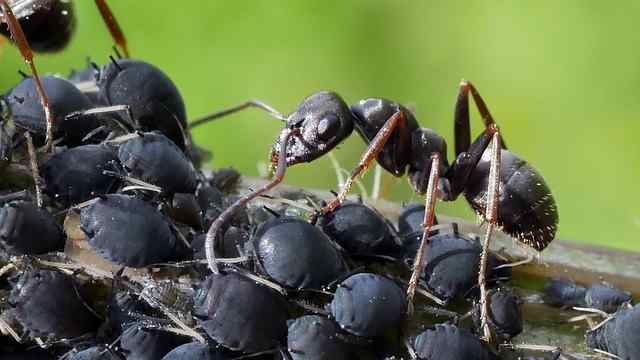
Before you can begin controlling aphids, you need to identify their presence. Look for the following signs of infestation:
Visual Inspection: Check the undersides of leaves, as aphids often colonize these areas. Use a magnifying glass if necessary.
Honeydew and Sooty Mold: Aphids produce honeydew, which attracts other pests and can lead to a black fungus known as sooty mold. If you notice a sticky residue on plant leaves or black mold growing, you may have an aphid issue.
Curling Leaves: Infested plants may exhibit curled or distorted leaves, as the sap-sucking action of aphids disrupts normal growth.
Stunted Growth: Affected plants often show signs of stunted growth, as aphids feed on vital nutrients.
Preventative Measures
The most effective way to control aphids is to prevent infestations in the first place. Implementing preventive measures can save you time and effort in the long run.
Plant Selection: Opt for aphid-resistant plant varieties when planning your garden. Certain plants, such as marigolds, nasturtiums, and some herbs, can deter aphids.
Encourage Beneficial Insects: Ladybugs, lacewings, and hoverflies are natural predators of aphids. Planting flowers that attract these beneficial insects can create a balanced ecosystem.
Crop Rotation: Rotating crops annually can help disrupt aphid populations that thrive in specific plant families.
Proper Plant Care: Healthy plants are more resistant to infestations. Ensure that your plants receive adequate water, nutrients, and sunlight.
Natural Control Methods
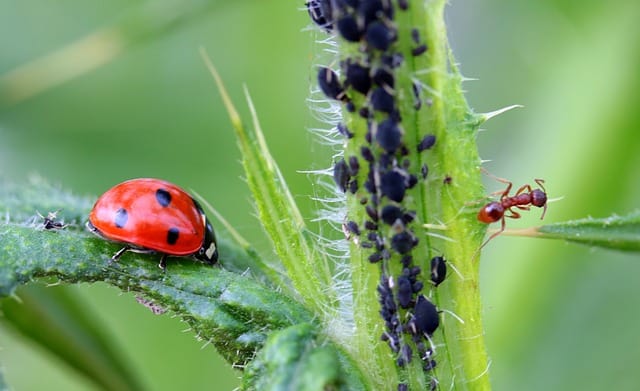
Even the most vigilant gardener may find themselves facing an aphid problem. Fortunately, there are several natural methods to control aphids without resorting to chemical pesticides.
Homemade Insecticidal Soap
One of the simplest and most effective remedies is a homemade insecticidal soap. This method is safe for the environment and effectively suffocates aphids upon contact.
Recipe:
Combine 1 tablespoon of liquid soap (preferably a natural soap) with 1 quart of water.
Mix thoroughly.
Spray the solution directly onto the infested areas, ensuring to cover both the tops and undersides of leaves.
Neem Oil
Neem oil, derived from the seeds of the neem tree, acts as both a repellent and a growth regulator for insects, including aphids. Its active compounds disrupt the feeding and reproductive habits of aphids.
Application:
Dilute neem oil according to the instructions on the label.
Spray it on the affected plants every week until the aphids are controlled.
Essential Oils
Certain essential oils can also deter aphids. Oils like peppermint, rosemary, and clove have insect-repelling properties.
Usage:
Mix 10-15 drops of your chosen essential oil with water in a spray bottle.
Apply directly to the plants, targeting areas with high aphid populations.
Diatomaceous Earth
Diatomaceous earth (DE) is a natural powder made from the fossilized remains of tiny aquatic organisms. The fine particles damage the exoskeleton of aphids and dehydrate them.
Application:
Sprinkle food-grade DE around the base of your plants and on the leaves.
Reapply after rain or watering.
Chemical Control Methods

In situations where natural methods may fall short, a more aggressive approach might be necessary. However, it’s important to use chemical products responsibly to minimize harm to beneficial insects and the environment.
Systemic Insecticides
Systemic insecticides are absorbed by plants and can provide long-lasting control by targeting aphids from within. They tend to offer protection longer than topical sprays.
Application: Follow the instructions carefully, as misuse can harm beneficial insects and the surrounding ecosystem.
Contact Insecticides
Contact insecticides target pests upon application. These sprays kill aphids on contact but may require regular reapplication, especially after rain.
Safety Precautions: Always wear protective gear and apply during calm weather to reduce drift.
Cultural Control Practices
Incorporating cultural control methods into your gardening practices can create an environment that is less conducive to aphid infestations.
Maintain Healthy Soil
Healthy soil leads to robust plants. Invest in organic compost, mulch, and nutrients to promote strong root systems and vigorous leafy growth, making plants less appealing to aphids.
Consistent Monitoring
Regularly inspect your plants for early signs of aphid activity. Prompt action can prevent a small issue from escalating into a full-blown infestation.
Remove Infested Plant Parts
If you notice a few leaves heavily infested with aphids, consider pruning them off to protect the rest of the plant. Dispose of infested material responsibly.
Interrelated Pest Management Strategies
A holistic approach to aphid control involves integrating various strategies tailored to your specific gardening situation. This comes down to understanding the balance of your ecosystem.
Companion Planting: Use companion planting techniques, such as pairing plants that repel aphids with those that attract beneficial insects.
Physical Barriers: Use row covers or fine mesh screens to physically prevent aphids from accessing your plants.
Traps: Yellow sticky traps can attract and catch flying aphids, effectively reducing their population.
The Role of Education and Community Engagement
Gardening is not just an individual endeavor but can also be a community effort. Engaging with local gardening clubs or extension services can improve your knowledge of aphid control and pest management.
Workshops and Seminars: Many local extension services offer classes on pest management, which can be a great resource for new and experienced gardeners alike.
Sharing Knowledge: Connecting with fellow gardeners can foster the exchange of effective aphid control strategies and successes. Share your own experiences, techniques, and even failures, as these can be as educational as victories.
Conclusion: A Lasting Solution
Controlling aphids requires a multifaceted approach, blending prevention, natural methods, and—when necessary—careful chemical applications. By understanding the biology and behavior of aphids, you empower yourself to take charge of your gardening experience.