
In this extensive guide, we will delve deep into the journey of growing artichokes, exploring their history, cultivation requirements, care tips, and culinary uses, ensuring you have all the knowledge needed to successfully nurture this extraordinary vegetable.
The Fascinating History of Artichokes
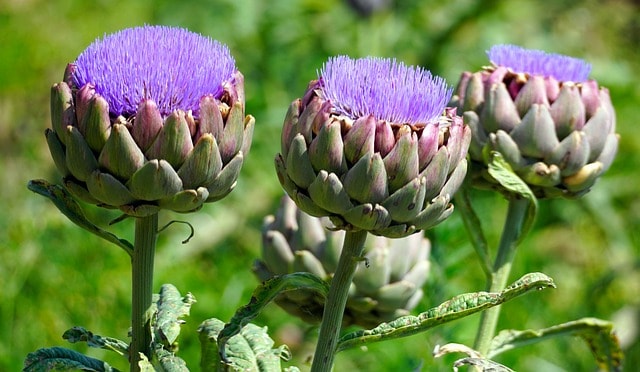
Artichokes (Cynara scolymus) belong to the thistle family and are native to the Mediterranean region. The artichoke we enjoy today was cultivated by the ancient Greeks and Romans, who appreciated its culinary and medicinal properties. Over the centuries, this vegetable made its way across Europe, gaining popularity in France and, eventually, in America where it became a staple, especially in Californian cuisine.
The journey of the artichoke also reveals its adaptability and resilience. Initially treated as a delicacy, artichokes have evolved in culinary importance, shifting from the plates of the elite to the daily meals of households around the world. Understanding this rich history adds depth to your cultivation endeavor, giving you a sense of connection to not just the plant, but to the generations of gardeners who have nurtured it before you.
Understanding the Different Varieties
Before embarking on the journey of growing artichokes, it’s essential to understand the different varieties available. The most common types are:
Green Globe
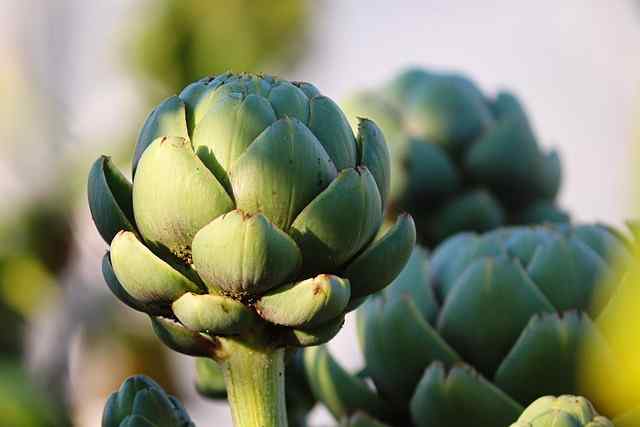
This is perhaps the most popular artichoke variety, characterized by its round shape and vibrant green color. Green Globe artichokes are renowned for their tender leaves and are best known for their incredible flavor.
Imperial Star
Developed for warmer climates, the Imperial Star is known for its larger, meaty buds. A hybrid variety, it is particularly suited to home gardens, allowing for quicker production in a shorter growing season.
Violetto
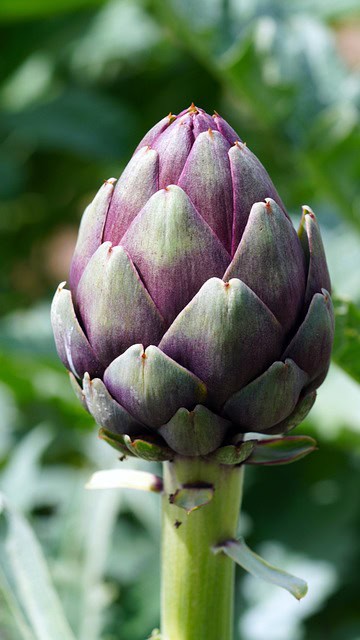
This stunning heirloom variety features a purple hue and a breathtaking, more complex flavor. It is often cultivated in Mediterranean gardens, making it a favorite for gourmet chefs and home cooks alike.
Jerusalem Artichoke
Despite its name, the Jerusalem artichoke is not a true artichoke but a sunflower relative. The tubers are sweet and nutty, distinct from the traditional artichoke buds. They are simple to grow and can provide an excellent yield.
Choosing the right variety for your climate and culinary preferences can greatly influence your gardening success. Always consider local growing conditions before selecting your artichoke type.
Planning Your Garden for Artichokes
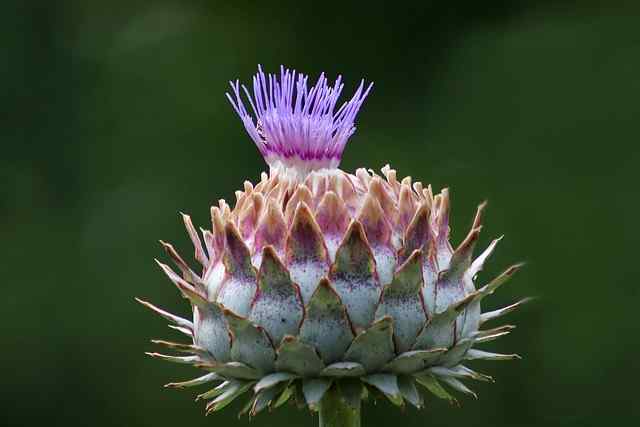
Artichokes thrive in well-drained soil enriched with organic matter. When planning your garden, take into account the following essential factors:
Soil Quality
Artichokes prefer nutrient-rich, well-drained soil with a pH level between 6.5 and 7.0. To prepare the soil, you can mix in well-rotted compost or aged manure several weeks prior to planting. This adds vital nutrients and improves soil structure, crucial for healthy growth.
sun exposure
Sunlight is essential for artichoke plants; they require full sun, meaning at least six hours of direct sunlight each day. Choosing a location that receives plenty of rays will enhance growth and contribute to the development of tender flower buds.
Space Requirements
Artichoke plants can grow quite large, often reaching heights of 3 to 5 feet and spreading out over 4 feet. Therefore, spacing is vital. Ensure each plant has ample room, ideally spacing them 3 to 4 feet apart. This not only promotes airflow but also minimizes competition for nutrients.
Watering Needs
Artichokes are quite thirsty plants, requiring consistent moisture, especially during the growing season. However, be wary of overwatering, as they are prone to root rot. Drip irrigation or soaker hoses are excellent options to maintain consistent soil moisture without waterlogging the roots.
Propagation: Seeds, Crowns, or Division
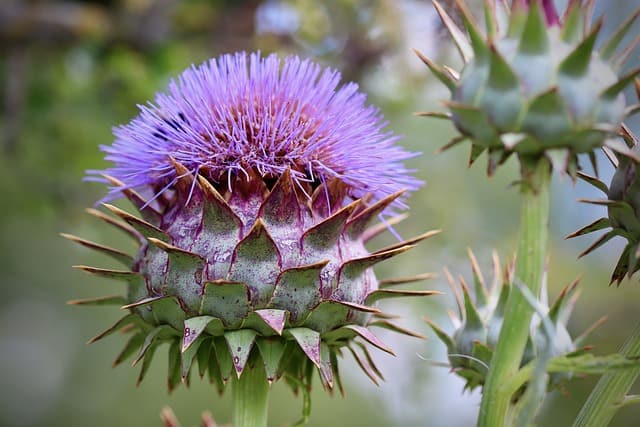
One of the essential decisions in growing artichokes is selecting how to propagate them. You can choose from seeds, crowns, or division, each method offering unique advantages.
Growing from Seeds
Starting artichokes from seeds can be rewarding, though it requires patience. Begin seeds indoors 8-10 weeks before your last frost date. Seeds germinate best at temperatures around 70°F. Once the seedlings are around 6 inches tall and have at least two sets of true leaves, they can be hardened off and transplanted outside.
Transplants and Crowns
Alternatively, you can purchase artichoke crowns or seedlings from a nursery. These are viable options if you’re eager to see results more quickly. When planting crowns, dig a hole slightly larger than the crown and plant it at the same depth it was previously growing.
Division of Established Plants
If you have an established artichoke plant, consider dividing it to propagate new plants. This is best done in the spring. Carefully dig up the plant and separate the crowns into sections, each with roots attached, and replant them in new locations.
The Planting Process: Timing and Techniques
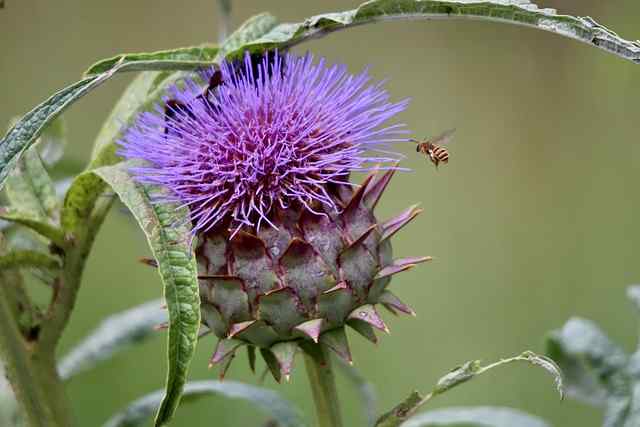
Successfully growing artichokes requires precise timing and attention to plant techniques. Understanding the appropriate time to plant and how to properly plant your artichokes can make all the difference in your garden’s success.
Timing Your Planting
In most temperate climates, artichokes are typically planted in early spring after the last frost, or in late summer for a fall harvest. For those in warmer regions, fall planting may be acceptable, allowing plants to establish before winter dormancy.
Best Planting Techniques
When it comes to planting artichokes, follow these steps:
Prepare the Hole: Dig a hole about twice the width of the root ball and slightly deeper than the height of the crown.
Add Compost: Enrich the bottom of the hole with a mixture of compost and soil, providing a nutrient-rich foundation.
Position the Plant: Place the crown in the hole, ensuring that it’s positioned so the soil line is even with the surrounding ground.
Fill and Water: Backfill the hole gently, ensuring there are no air pockets. Water thoroughly to remove any air and establish good contact with the soil.
Companion Planting for Success
Pairing artichokes with compatible companions can enhance their growth and yield. Beneficial neighbors include:
Nasturtiums: These beautiful flowers can repel certain pests and attract beneficial insects.
Horseradish: Planting horseradish nearby can deter Japanese beetles, a common pest for artichokes.
Basil: Not only does basil enhance flavor, but it can also contribute to healthy pollination.
Companion planting creates a thriving garden ecosystem, promoting health and resilience in your artichoke plants.
Caring for Your Artichokes
Once planted, artichokes require consistent care to flourish. This section focuses on essential care tips, from watering to pest management, to ensure your plants reach their full potential.
Watering Responsibly
Artichokes thrive in consistent moisture but need well-drained soil. Water the plants at least once a week during the growing season, increasing frequency during hot spells. Use mulch around the base to retain soil moisture, suppress weeds, and regulate soil temperature.
Fertilization: Finding Balance
While artichokes are heavy feeders, excess fertilizer can lead to lush foliage at the expense of flower buds. Applying a balanced, slow-release fertilizer high in potassium can support bud production without overwhelming the plant.
Pruning for Promoting Growth
Pruning is essential for healthy artichoke plants. Regularly remove dead or damaged leaves and spent flower buds to promote airflow and reduce the risk of disease. In early spring, cut the plant back to encourage fresh growth for the new season.
Pest and Disease Management
Artichokes can be susceptible to several pests, including aphids, slugs, and artichoke weevils. Regularly inspect your plants and apply natural remedies, such as insecticidal soap or neem oil, if infestations are detected.
Common diseases affecting artichokes include powdery mildew and bacterial wilt. To mitigate these issues, practice crop rotation and ensure adequate airflow around your plants.
Harvesting Artichokes: When and How

The anticipation of harvesting your artichokes is often the most exciting part of the process. Understanding the right time to harvest and the proper technique can enhance your rewards immensely.
Knowing When to Harvest
Artichokes are typically ready for harvest in late spring to early summer, depending on the variety and growing conditions. Ideal harvest time is when the buds are still tightly closed but begin to swell and appear plump. A good rule of thumb is to harvest when the buds are about 3 to 5 inches in diameter.
Harvesting Techniques
To harvest, use a sharp knife or pruning shears to cut the artichoke stem about an inch below the bud. Be mindful not to damage surrounding buds, as they may produce additional flowers if the main bud is removed.
Post-Harvest Care
After harvesting, it’s essential to handle artichokes carefully to avoid bruising. Store unwashed artichokes in a cool, humid environment, ideally in a perforated plastic bag in the refrigerator, for up to a week.
Culinary Uses: Transforming Harvest to Plate
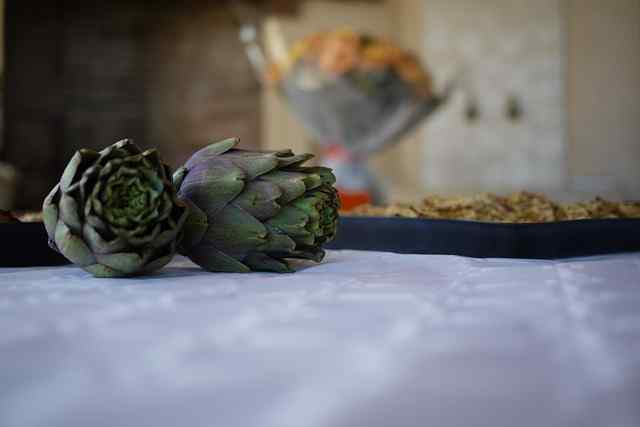
Once you’ve harvested your artichokes, the culinary possibilities are endless. Artichokes can be prepared in numerous delicious ways, from steaming and grilling to using them in dips and salads.
Steaming and Boiling
One of the most common methods of preparation is steaming. Simply place the cleaned artichokes in a steamer basket over boiling water for 30 to 45 minutes, depending on their size. Serve them warm with a drizzle of olive oil or a dipping sauce, such as garlic butter or aioli, to elevate their already exquisite flavor.
Grilling for Depth of Flavor
Grilling artichokes can impart a lovely char that adds complexity to their natural taste. Parboil the artichokes first, then split them in half, brush with olive oil, and grill them over medium heat until they have grill marks and are heated through.
Introducing Artichokes into Dips and Salads
Artichokes work wonderfully in dips like the classic spinach and artichoke dip, offering a creamy, savory experience that is sure to please guests. Chopped marinated artichokes can elevate salads, adding a delectable zing and unique texture to your greens.
Common Challenges: Overcoming Obstacles
Despite your best efforts, growing artichokes can present challenges. This section discusses some common issues and their solutions, empowering you to maintain a flourishing garden.
Weather Challenges
Artichokes prefer temperate conditions but can be sensitive to extreme weather. If you live in an area with harsh winters, consider mulching around the plants to protect them. Conversely, if you experience excessive heat, employing shade cloth can help mitigate stress on the plants.
Pest Infestation or Disease
Managing pests or disease promptly is critical in artichoke cultivation. Implementing a regular inspection schedule ensures that any issues can be addressed before they escalate. If biological methods of pest control are insufficient, exploring organic pesticides can be a viable option.
Nutrient Deficiencies
Artichokes can exhibit signs of nutrient deficiency, typically manifesting as discoloration or stunted growth. Conducting a soil test will help identify any nutrient deficiencies, allowing you to tailor your fertilization practices accordingly.
The Eco-Friendly Choice: Sustainable Artichoke Gardening
With a growing focus on sustainability in gardening practices, embracing eco-friendly methods of cultivating artichokes benefits both you and the environment. Here are several eco-conscious strategies to consider:
Organic Practices
Opt for organic seeds and nature-friendly fertilizers to support healthy soil and plant health. Additionally, embracing organic pest control methods, such as companion planting and encouraging beneficial insects, helps maintain a balanced ecosystem in your garden.
Water Conservation Techniques
Implementing drip irrigation systems or rainwater harvesting can significantly reduce water usage while providing adequate moisture to your plants. Focus on mulching as a strategy to help water retention in the soil, ensuring your artichokes stay hydrated without excessive watering.
Polycultures
Integrating artichokes into a polyculture system—growing multiple plant species together—can encourage biodiversity and resilience. For example, pairing artichokes with legumes can enhance soil nitrogen levels, benefiting both plant types without the need for synthetic fertilizers.
The Joy of Sharing Your Artichoke Harvest
Once your harvest is in, the joy doesn’t end there. Sharing your artichoke bounty with friends and family multiplies the experience and fosters a sense of community. Consider hosting an artichoke-centric dinner or potluck where everyone can gather to taste various dishes featuring your lovingly grown produce.
Additionally, creating artichoke preserves or pickles can be a fantastic way to share your harvest. This adds a personal touch to gifts while providing loved ones with a taste of your gardening triumphs.
Conclusion: Cultivating a Passion for Artichokes
Growing artichokes is not just about nurturing a plant; it’s a journey filled with rich history, culinary exploration, and a connection to nature. This guide serves as your companion in cultivating this remarkable vegetable, unlocking its potential within your garden.