

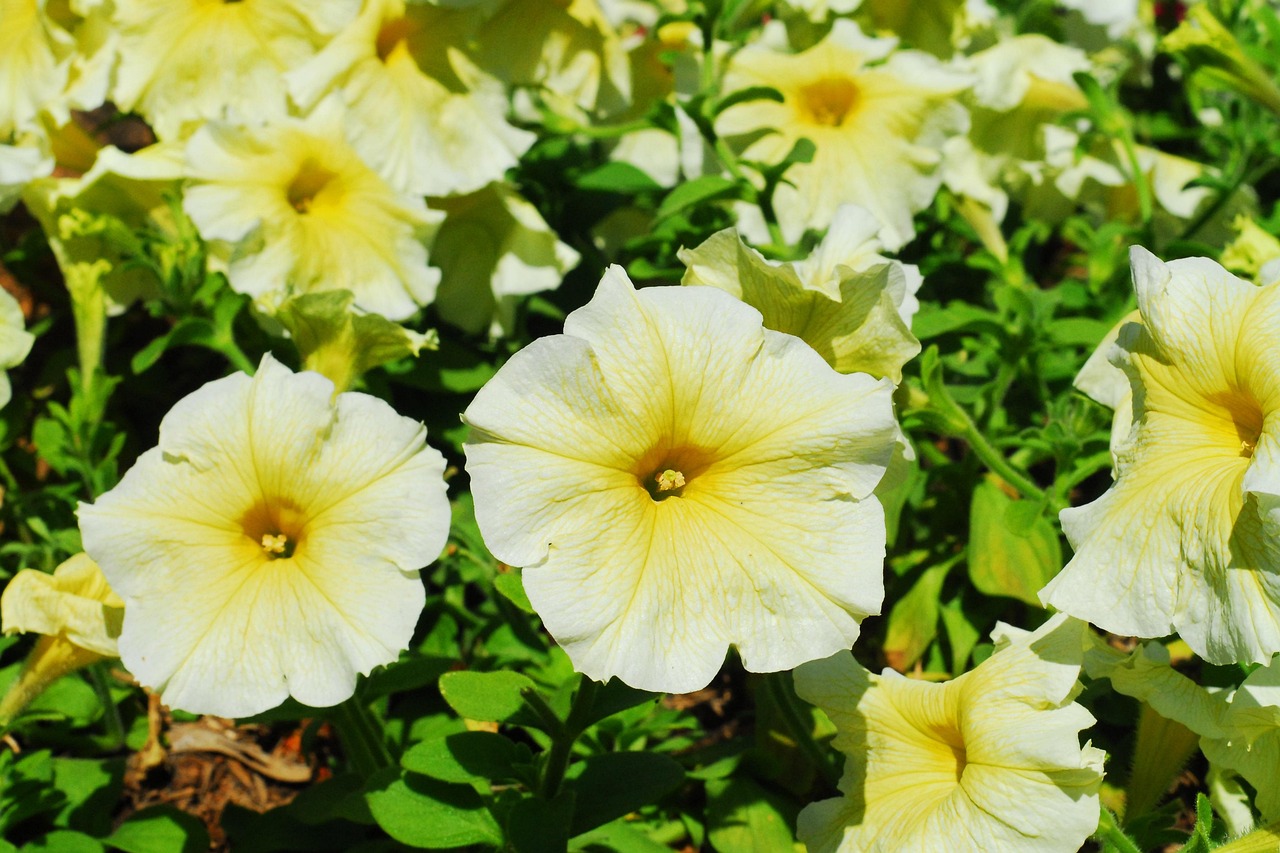
In this post, we will explore the intricacies of deadheading petunias, providing you with comprehensive insights into its importance, techniques, and the overall care of these captivating plants.
Understanding Petunias: A Brief Overview

Petunias belong to the Solanaceae family, which includes a variety of plants, from tomatoes to eggplants. Originating in South America, these annual flowering plants were first cultivated in Europe in the early 19th century. Petunias come in a wide range of colors and patterns, from deep purples and rosy pinks to whites and yellows with stunning variegations.
These flowers typically bloom from late spring until frost, especially when given the right care and attention. However, as with all plants, deadheading is crucial to keeping them at their peak. Before we delve into how to deadhead petunias, let’s understand why this practice is essential.
The Importance of Deadheading Petunias

Deadheading petunias is the process of removing spent or faded flowers. This practice serves several critical purposes that contribute to the overall health and aesthetics of your plants:
Promoting New Growth
When you deadhead petunias, you’re encouraging the plant to produce more blooms rather than expending energy on seed production. When the flowers are allowed to wither and die, petunias will redirect their energy towards creating new buds, leading to a more vibrant and prolonged blooming period. In gardening parlance, this is often referred to as “renewing vigor.”
Enhancing Visual Appeal
Imagine strolling through your garden and encountering wilted, brown flowers mixed among the vibrant blooms. A little neglect in deadheading can detract from the plant’s beauty. Regular deadheading keeps your petunias looking fresh and tidy, enhancing the overall aesthetic of your garden.
Disease Prevention
Faded flowers, if left unattended, can contribute to fungal issues and other diseases. Sitting moisture on rotting blooms can attract pests and pathogens, potentially harming your plants. By practicing regular deadheading, you can mitigate these risks, allowing your petunias to flourish.
Encouraging Robust Foliage
When petunias are deadheaded, energy is not wasted on seed production, allowing for more vigorous leaf and stem growth. This not only makes your petunias fuller and lush but also provides a beautiful backdrop for their stunning flowers.
The Right Time to Deadhead Petunias
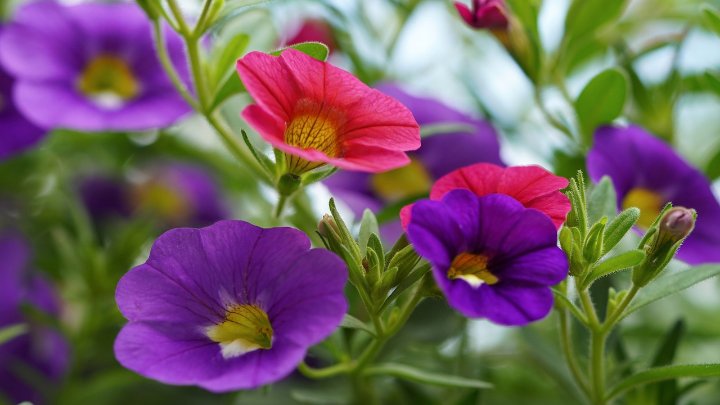
Timing is everything when it comes to deadheading petunias. Knowing when to perform this practice can significantly impact its effectiveness. Here’s how to determine the right moments for deadheading.
Recognizing Spent Blooms
Spend some time observing your petunias. Look for flowers that have begun to fade in color or that are wilting. These spent blooms are your cue to deadhead. A good rule of thumb is to check your plants regularly—at least once a week during the peak blooming season.
Seasonal Considerations
The best time to deadhead petunias is during the warm months when they are actively growing and blooming. Typically, this is from late spring through early fall. As you get closer to fall and your region faces frost, consider tapering back your deadheading, as plants begin to prepare for dormancy.
Tools and Techniques for Deadheading Petunias

Deadheading petunias can be performed using several simple tools and techniques. Both methods can be efficient and effective, allowing you to choose based on your comfort and preference.
Using Your Hands
One of the simplest methods for deadheading petunias is to use your fingers. Gently pinch the faded flower just above the base of the bloom, removing it entirely without damaging the surrounding leaves or stems. This method is straightforward and requires no extra tools, making it ideal for casual gardeners.
Pruning Shears or Scissors
For those who prefer a cleaner cut or need to tackle a large number of blooms, using pruning shears or sharp scissors can be beneficial. With this method, you’ll want to snip off the faded flowers just above the juncture of the bloom and the stem. This technique not only removes the dying flower but also encourages clean growth around the cut area.
Fantastic Tip: Keep It Clean
Regardless of the method you choose, always ensure your tools are clean. This prevents the spread of diseases and helps maintain the health of your plants. A simple wipe with rubbing alcohol can sterilize your equipment effectively.
Step-by-Step Guide to Deadheading Petunias
Now that we’ve covered the importance of deadheading and the tools you can use, let’s walk through a step-by-step guide to streamline the process of deadheading petunias.
Assess Your Plants
Before you begin, take a moment to assess your petunias. Check for spent flowers and healthy blooms. Familiarize yourself with your plants—they each have their unique quirks that you’ll come to recognize over time.
Gather Your Tools
Find a comfortable spot to work where you can easily reach your plants. Have your tools at hand, whether that’s your fingers or a pair of pruning shears. A small bucket can also be helpful for collecting the dead blooms as you go.
Start Deadheading
Begin by removing the dead or faded flowers. If you’re using your fingers, pinching just below the bloom is usually enough. If employing scissors, cut them cleanly without damaging the surrounding leaves. Work systematically through the plant, focusing first on the areas with the most spent blooms.
Inspect for Pests and Diseases
While deadheading, take a moment to inspect your plants for any signs of stress, pests, or diseases. Look for holes in the leaves or the presence of insects. Early detection is key to maintaining healthy petunias.
Clean-Up
After deadheading, dispose of the spent flowers in a compost bin or garden waste container. This step ensures that you’re not leaving any potential breeding ground for pests or diseases around the base of your plants.
Water and Feed
Following deadheading, it’s a good practice to give your petunias a thorough watering. This refreshes the plants, leading to quicker recovery. Additionally, consider applying a balanced fertilizer to provide the essential nutrients that will support new growth.
Post-Deadheading Care: Keeping Your Petunias Thriving

Deadheading is just one part of the care required to keep petunias looking their best. Maintaining your plants after this process is essential to ensure maximum blooming and health.
Regular Watering
Petunias thrive in well-drained soil and need consistent moisture to flourish. During hot months, their requirements may increase, so consider checking your plants daily and watering as needed. A good rule of thumb is to water deeply when the top inch of the soil is dry.
Fertilization Practices
To ensure your petunias remain vibrant and healthy, fertilization is crucial. A balanced, water-soluble fertilizer applied every four to six weeks can make a significant difference. Look for formulations specifically designed for flowering plants, which are rich in phosphorus to encourage blooming.
Monitoring for Pests
Petunias can occasionally fall victim to pests such as aphids, spider mites, and whiteflies. Regularly inspect your plants for pests, which could damage the foliage and flowers. If you notice any infestations, consider using insecticidal soap or neem oil as a safe way to control pests.
Pruning for Resilience
In addition to deadheading, occasional pruning throughout the growing season can encourage bushier growth. Lightly trimming back leggy stems and spent foliage will promote denser growth and improve airflow among the leaves, reducing the risk of disease.
Troubleshooting Common Issues

Even with the best care, issues may arise with your petunias. Here are some common problems and solutions that can help keep your plants thriving.
Wilting Leaves
If you notice wilting leaves, this could be a sign of both overwatering or underwatering. Assess the moisture level of the soil and adjust your watering schedule accordingly. Petunias prefer consistently moist soil but are susceptible to root rot if allowed to sit in waterlogged conditions.
Discoloration of Flowers
Faded or discolored petunias can result from environmental stressors such as extreme heat or inappropriate fertilization. Ensure that your fertilizer is suitable for flowering plants, and be mindful of changing weather conditions that could impact plant health.
Bacterial or Fungal Issues
If you see spots or mold on the flowers or leaves, your plants may be facing bacterial or fungal problems. Improving airflow around your plants, removing affected leaves, and using fungicides can combat this.
Seasonal Deadheading: Tailoring Care for Different Seasons
As seasons change, so does the way you care for your petunias, including the deadheading process. Here’s how your approach may vary throughout the year.
Spring to Early Summer
This is peak bloom time for petunias. Frequent deadheading is essential to keep them blooming and looking tidy. Regularly inspect your plants and be proactive in removing any dead flowers.
Late Summer to Early Fall
Toward the end of summer, consider slowing down on deadheading as your petunias enter their final bloom cycle. You can moderate your approach to allow the plants to prepare for cooler temperatures while still encouraging some late-season growth.