
In this post, we’ll explore every aspect of growing dill—from selecting the right variety to harvesting and preserving your bounty. Through this exploration, you will not only gain practical advice but also appreciate the beauty and joy of nurturing dill in your garden.
Understanding Dill: The Basics

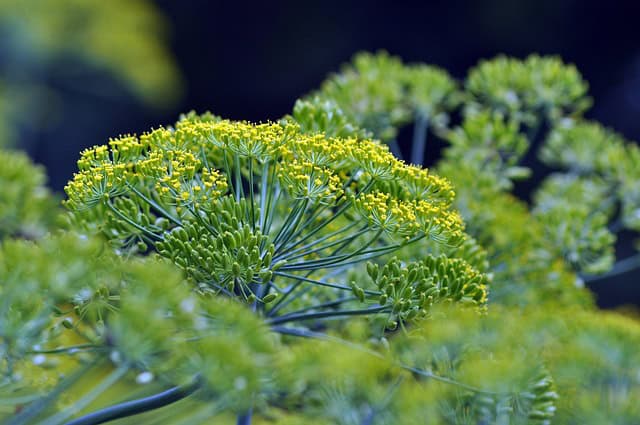
Before diving into the ‘how-to’ of growing dill, it’s important to understand what this wonderful herb is all about. Dill (Anethum graveolens) is an annual herb with feathery green leaves and tiny yellow flowers that bloom in umbels. Its unique flavor profile is both aromatic and slightly tangy, making it popular in numerous culinary applications, from pickles to fish dishes.
Dill thrives in full sunlight and prefers well-draining soil. It can grow up to three feet tall, producing both leaves (known as dill weed) and seeds (both used as a spice). Interestingly, dill not only enhances our dishes but also attracts beneficial insects like wasps and butterflies, making it a great addition to any garden.
Choosing the Right Variety of Dill

There are several varieties of dill, each with its unique characteristics. The most commonly grown varieties include ‘Bouquet,’ ‘Fernleaf,’ and ‘Dillium.’
Bouquet Dill: This is a standard garden variety known for its robust flavor. It’s often used in culinary applications as the whole plant can be harvested.
Fernleaf Dill: This variety is a compact, dwarf type, making it ideal for container gardening. It has a shorter growing season and is less prone to bolting, which is advantageous for home gardeners in cooler climates.
Dillium: A newer hybrid, Dillium is disease-resistant, thrives well in various climates, and has a sweet flavor profile.
When selecting the right dill for your garden, consider your local climate, space availability, and intended use. If you’re a culinary enthusiast looking to make pickles or spice up fish dishes, Bouquet Dill could be your best bet. On the other hand, if you have limited space, Fernleaf Dill might be your perfect match.
Preparing Your Growing Area
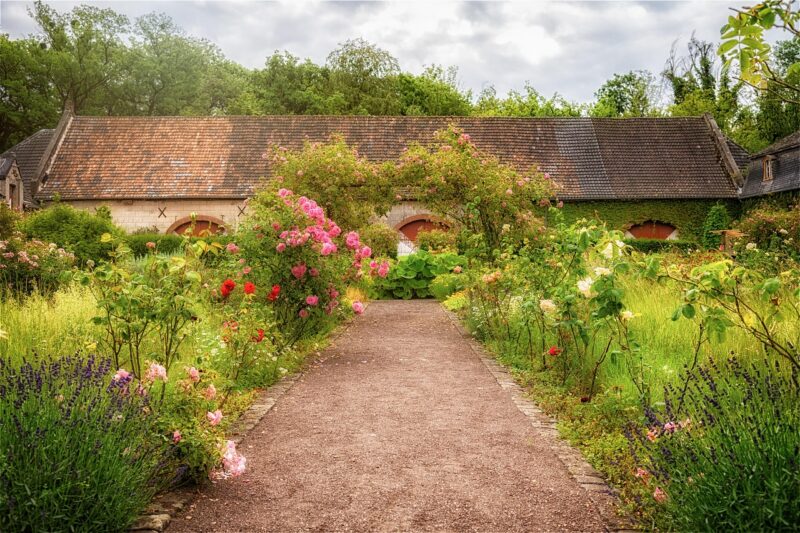
Dill grows best in well-drained, fertile soil with a pH of 6.0 to 6.8. It’s important to scout for an appropriate growing location early on, as dill prefers full sun exposure (at least 6-8 hours of sunlight daily).
Soil Preparation
Testing the Soil: Start with a soil test to determine its nutrient content and pH level.
Enhancing Soil Quality: If your soil is deficient in nutrients, consider adding compost or well-rotted manure to enrich it. This organic material not only improves soil fertility but also enhances its moisture-retaining capacity.
Tilling the Soil: Loosen the soil to a depth of about 12 inches to encourage healthy root growth. Rake the area smooth to create an optimal planting surface.
Weed Management: Before planting, remove any weeds from the area. Weeds can compete for nutrients and water, hindering the growth of your dill.
Choosing Containers
For those opting for container gardening, select pots that are at least 8-12 inches deep with adequate drainage holes. Dill has relatively shallow roots, so smaller containers work well as long as they provide enough space for the plant to flourish.
Direct Sowing vs. Transplanting
Dill can be grown from seeds sown directly into your garden or started indoors and transplanted. Here’s a look at the two methods:
Direct Sowing
Sowing seeds directly outdoors is the most straightforward method.
Timing: Wait until the last frost has passed in your area. Dill does well in cool weather, so early spring is ideal for planting.
Sowing Seeds: Plant dill seeds about a quarter of an inch deep, spacing them 12-15 inches apart to provide ample room for growth.
Watering: After sowing, gently water the area to ensure moisture reaches the seeds.
Transplanting
If you choose to start seeds indoors, consider the following:
Seedling Preparation: Start seeds indoors about 4-6 weeks before your last expected frost date.
Transplanting: When seedlings are about 3-4 inches tall and sturdy enough, harden them off by gradually exposing them to outdoor conditions for a week before transplanting.
Watering Requirements
Dill prefers consistently moist soil but is sensitive to waterlogging. Finding the right balance is key.
Watering Frequency: During dry spells, water your dill plants deeply, ensuring that the top inch of soil remains moist but not soggy. A general rule of thumb is to water once a week unless experiencing a heat wave or drought.
Mulching: Mulch around the base of the plants to help retain soil moisture and regulate temperature. Organic mulches like straw or shredded leaves can also improve soil health as they decompose.
Fertilizing Dill
Dill isn’t a heavy feeder, but providing it with necessary nutrients can promote healthier growth.
Organic Fertilizers: Use a balanced, organic fertilizer at planting time. If you’re enriching your soil with compost, additional fertilization may not be necessary.
Mid-Season Boost: If the plants appear to be growing slowly, you might consider a light application of a liquid fertilizer every couple of weeks during the growing season, ensuring not to over-fertilize, as this can lead to poor flavor and excessive leaf growth at the expense of seed production.
Pest and Disease Management
Dill is relatively resistant to pests and diseases, but it’s essential to remain vigilant.
Common Pests: Aphids and caterpillars may occasionally target dill plants. Natural predators like ladybugs can help manage the population. Handpicking pests off the plants is another effective tactic.
Diseases: Fungal diseases can occur, particularly in humid conditions. Ensuring good air circulation around plants and practicing crop rotation can mitigate risks.
Natural Remedies: If you notice a pest infestation, consider using a mixture of soap and water for washing off pests. Neem oil is another environmentally friendly alternative for managing pests.
The Art of Pruning and Supporting Dill

Pruning dill isn’t necessarily mandatory, but it can encourage healthier growth and prevent plants from becoming too leggy.
Pinching Back: If your dill is growing tall and spindly, pinching back the tips of new growth may help encourage bushier foliage.
Supporting Tall Varieties: If you’re growing high varieties of dill, consider installing a trellis or stakes to provide support, especially in windy areas.
Harvesting Dill
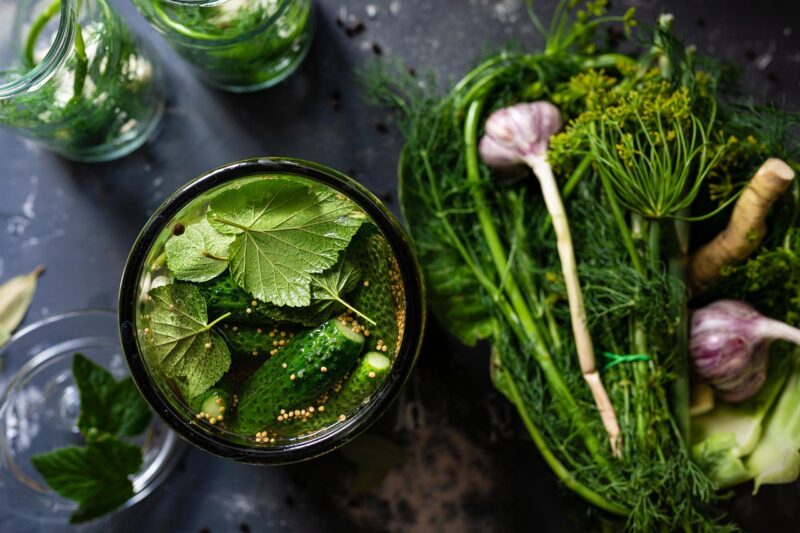
The excitement of growing dill culminates in the rewarding experience of harvesting.
Timing: Dill can be harvested in two ways: for its leaves or seeds. Begin harvesting leaves when the plants are about 8-10 inches tall. For seeds, allow the umbels to turn brown and dry on the plant.
Method: Use scissors or garden shears to snip off the outer leaves, making sure not to take more than one-third of the plant at a time. This ensures continued growth and vigor.
Harvesting Seeds: Once the flower heads have dried, gently shake them over a bowl or paper bag to collect the seeds.
Drying and Preserving Dill

Preserving dill allows you to enjoy its flavor year-round. Here’s how to dry and store it effectively.
Air Drying: Bundle several stems together and hang them upside down in a dark, dry, and well-ventilated area. After a couple of weeks, the leaves should be dry and crumbly.
Using a Dehydrator: If you’re pressed for time, a food dehydrator can dry your dill quickly at low temperatures (95-115°F).
Storage: Once dried, store dill in air-tight containers away from direct sunlight. Label the containers with the date for your reference.
Culinary Uses of Dill
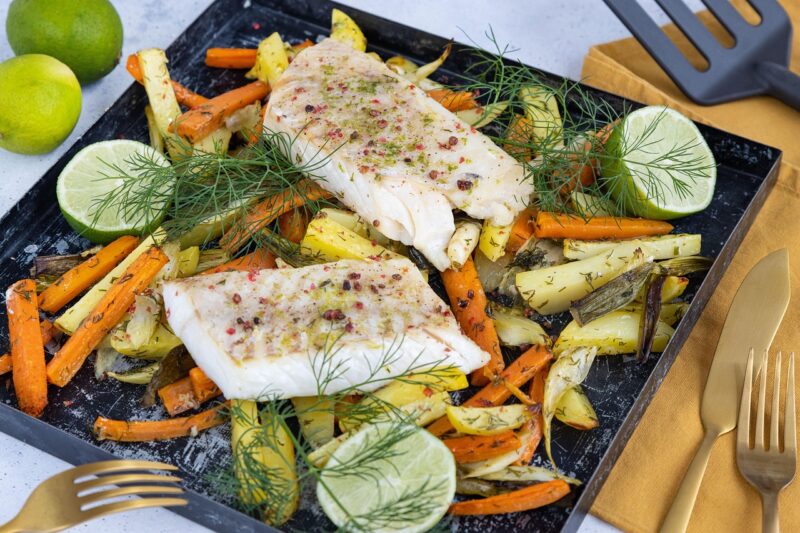
Incorporating dill into your cooking can enhance the flavor profile of various dishes. Its versatility makes it an essential herb in many cuisines.
Pickling: Dill is often a staple in pickling recipes, providing its distinctive flavor to cucumbers, carrots, and a variety of vegetables.
Fish Dishes: Dill pairs beautifully with fish, especially salmon and trout, complementing and enhancing the delicate flavors.
Soups and Sauces: Adding fresh or dried dill to soups, sauces, and dips can elevate your culinary creations, imparting freshness and depth.
Middle Eastern and Scandinavian Cuisine: Dill’s historical significance is notable in cuisines. In countries like Sweden and Greece, dill is often included in traditional dishes, showcasing its robust flavor.
Dill in Herbal Medicine and Beyond
Beyond culinary uses, dill possesses several medicinal properties that have been recognized since ancient times.
Digestive Aid: Dill has been traditionally used to help alleviate digestive issues, thanks to its carminative properties.
Antimicrobial Properties: Studies suggest that dill may have antimicrobial properties that could help prevent certain infections when consumed.
Aromatherapy: The essential oils derived from dill are often used in aromatherapy for their calming effects.
Conclusion: The Joy of Growing Dill
Growing dill can be a fulfilling endeavor that enriches your garden and kitchen alike. By understanding its requirements and incorporating intuitive care techniques, you’ll be rewarded with a flourishing herb capable of transforming meal times and adding vibrant color to your backyard.