
In this guide, we will dive deeply into the art and science of growing azaleas, providing you with unique insights, practical tips, and the inspiration needed to cultivate these enchanting plants successfully.
Understanding Azaleas: The Basics
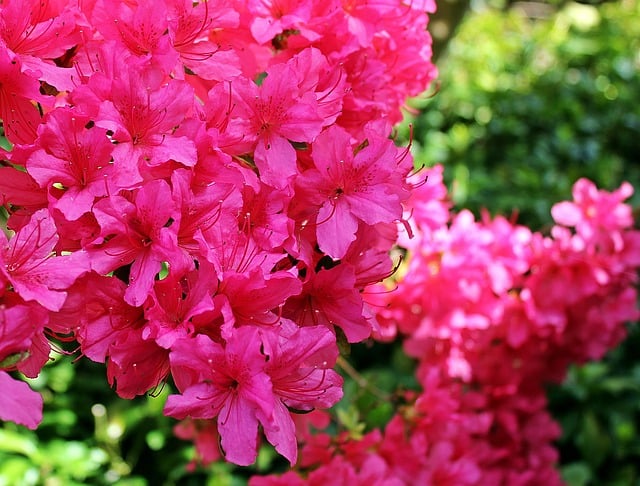
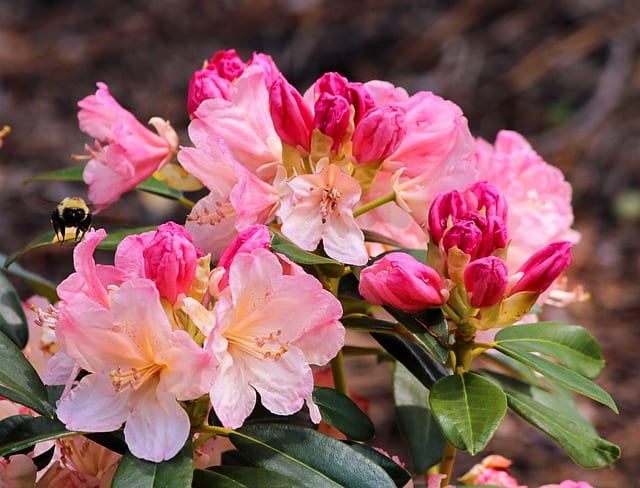
Azaleas belong to the Rhododendron genus, encompassing over 10,000 cultivars. While they may appear delicate, these hardy plants can thrive in a range of conditions, although they do prefer specific environments. Whether you are drawn in by their bold colors, unique shapes, or the sheer number of varieties available, understanding azaleas’ fundamental characteristics will enhance your ability to grow them.
Species and Varieties
Azaleas can be broadly categorized into two groups: deciduous and evergreen. Deciduous azaleas—often characterized by their vibrant fall foliage—shed their leaves in winter, while evergreen varieties retain their leaves, providing year-round interest. Notable species include:
Rhododendron obtusum (Korean Azalea): Known for its compact size and fragrant blooms.
Rhododendron luteum (Honeysuckle Azalea): A hardy species producing bright yellow flowers.
Rhododendron spp. (Evergreen Azaleas): Featuring a variety of colors and forms, the most popular cultivars fall in this category.
Choosing the right variety is critical. For instance, if you live in an area with harsh winters, consider cold-hardy deciduous azaleas that are known to perform well under challenging conditions.
Selecting the Right Location
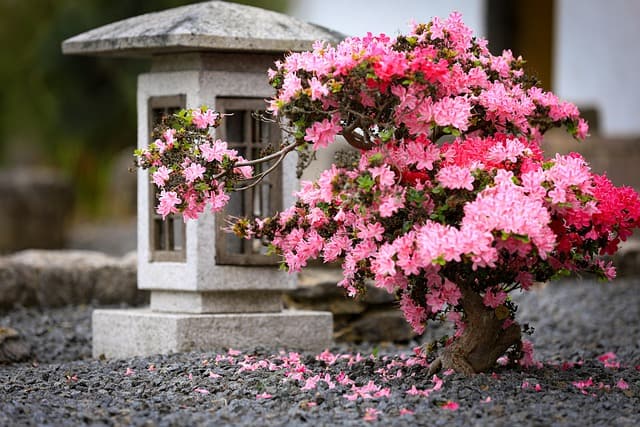
The right location is crucial for supporting healthy azalea growth. They thrive in environments that mimic their native woodland habitats, which means carefully choosing where to plant them is essential.
Sunlight and Shade
Azaleas generally prefer partial shade conditions, thriving in environments with dappled sunlight. However, the exception is the evergreen azaleas, which can tolerate more sun. When selecting a location, observe how sunlight hits the area throughout the day. Mark areas that receive full sun, partial shade, and dense shade, and consider your variety’s needs before making a final decision.
Soil Quality
Azaleas favor well-drained, acidic soil (pH 5.0 to 6.0) rich in organic matter. If your native soil does not meet these criteria, amendments may be necessary. Before planting, conduct a soil test to determine its pH and nutrient content. Based on the results, you may need to incorporate peat moss, compost, or other organic materials to improve soil structure and fertility.
Drainage Solutions
Azaleas do not take kindly to “wet feet.” Their roots can rot in prolonged excess moisture conditions. When planting, consider constructing raised beds or mounds to assist with drainage. Additionally, ensure that the planting site has a reasonable slope to allow excess water to drain away.
Planting Azaleas: The Fundamentals
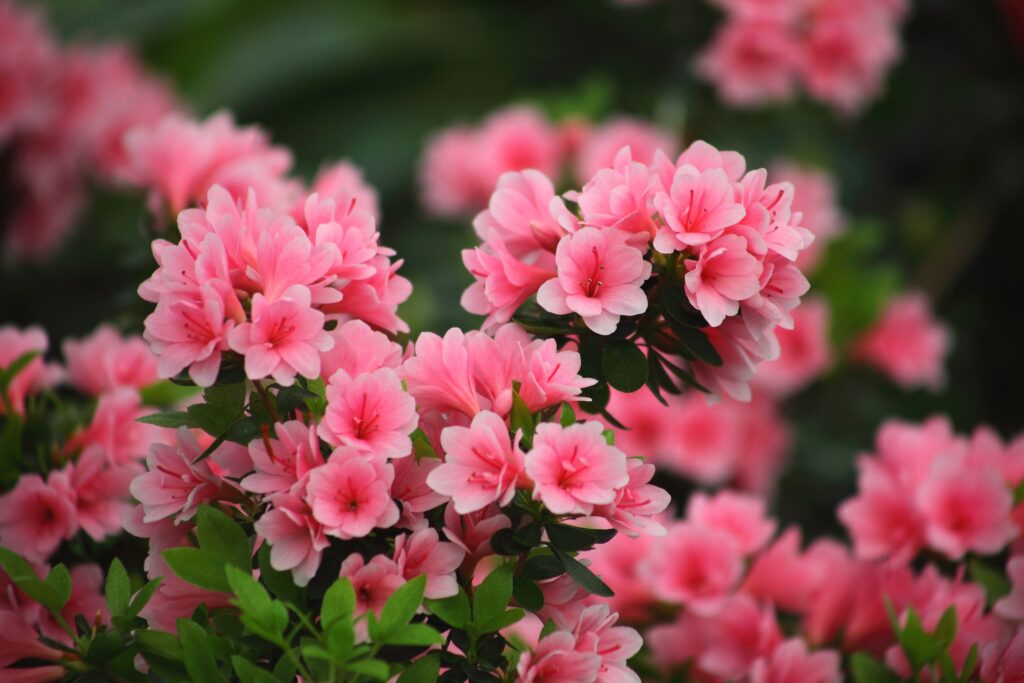
With the right location and conditions, it’s time to start the planting process. While it may seem straightforward, careful attention to detail at this stage can significantly influence the plant’s future performance.
Timing and Preparation
The best time to plant azaleas is during spring or fall—these seasons provide ample time for roots to establish themselves before the heat of summer or the cold of winter sets in. In preparation for planting, dig a hole that is twice as wide as the root ball but shallower than its depth. This ensures that the roots can spread out without being buried too deeply.
Planting Process
Remove the Root Ball: Gently remove the azalea from its container. If it’s pot-bound (roots twisted in circles), tease apart the roots to encourage outward growth.
Positioning: Place the azalea into the hole, ensuring that the top of the root ball is level with the surrounding soil. This step is critical; planting too deep can jeopardize the plant’s health.
Back-Filling: Fill the hole with soil while keeping the root ball’s top exposed. Then, gently pat the soil to eliminate air pockets.
Watering: After planting, water generously to help settle the soil and promote root structure. Utilize a natural mulch like pine needles or shredded bark to help retain soil moisture while keeping weeds at bay.
Care and Maintenance
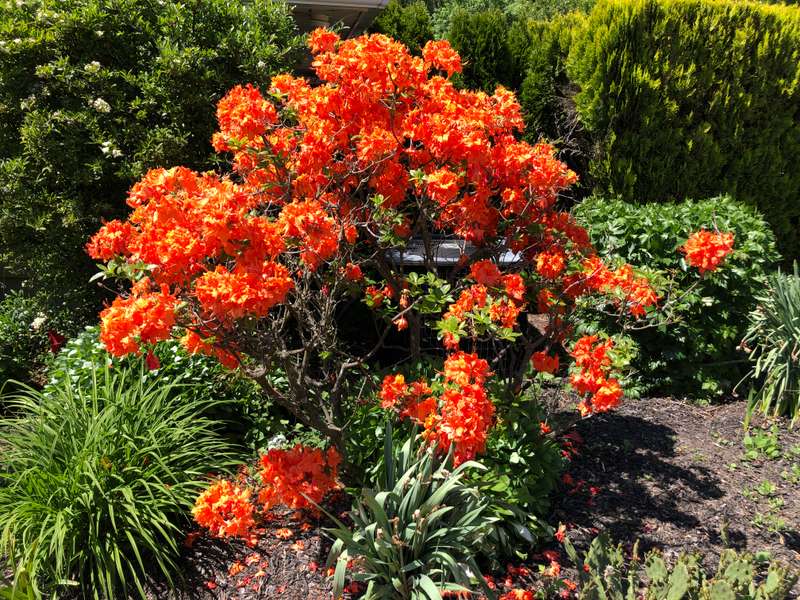
Once your azaleas are planted, ongoing care is necessary to keep them healthy and blooming beautifully. This section delves into aspects such as watering, fertilizing, pruning, and disease management.
Watering Practices
Despite their resilience, azaleas thrive with consistent moisture. Here’s how to successfully water them:
Frequency: Water established azaleas at least once a week in the absence of rainfall. Newly planted specimens may need watering every 2-3 days during their first growing season.
Technique: Water at the plant’s base to avoid wetting the foliage, which can lead to fungal diseases. Use soaker hoses or drip irrigation systems if possible.
Fertilization
Proper fertilization encourages healthy growth and vibrant flowering. A slow-release, acid-based fertilizer is ideal. Here’s how to go about it:
Timing: Fertilize in late winter to early spring as new growth begins and again after blooming has finished in late spring.
Application: Follow the manufacturer’s instructions for application rates, being cautious not to over-fertilize, which can damage the plant.
Pruning Techniques
Pruning azaleas at the right time and in the right manner can enhance their shape and promote optimal blooming:
When to Prune: The best time to prune is right after the blooming season, usually in late spring. This timing ensures you do not disrupt the following year’s flower buds.
How to Prune: Remove any dead or damaged branches and thin out crowded areas to improve air circulation. For shape, pruning to maintain a balanced look—without removing more than one-third of the plant—is ideal.
Dealing with Pests and Diseases

Like any garden plant, azaleas can succumb to pests and diseases, which can jeopardize their health and beauty. Awareness and proactive management are crucial for maintaining vibrant azaleas.
Common Pests
Identifying potential pests can thwart infestations before they escalate:
Spider Mites: These tiny pests thrive in dry conditions. Keep an eye out for fine webbing or mottled leaves. Regularly misting the foliage can help deter them.
Aphids: These sap-sucking insects can deform new growth. A mild soap solution or neem oil can effectively control them.
Diseases
Azaleas are susceptible to various diseases, especially in poorly drained soils. Watch for:
Phytophthora Root Rot: Caused by overwatering or poorly draining soils, it manifests as wilting leaves and can lead to plant death. Ensure proper drainage to prevent this issue.
Powdery Mildew: This fungal disease appears as white powdery spots on leaves during humid conditions. Good air circulation and proper spacing can prevent this.
Organic Solutions
Consider utilizing organic pest management methods whenever possible. Introducing beneficial insects, such as ladybugs and lacewings, can naturally help control pests without harmful chemicals. Homemade solutions like garlic or chili sprays can deter unwanted insects as well.
Seasonal Care and Monitoring

Our azaleas will thrive through consistent, thoughtful monitoring. Understanding how seasonal changes affect our plants empowers us to provide tailored care.
Spring: Awakening
As spring emerges, azaleas burst into bloom, and care steps should shift:
Watch for New Growth: Monitor for signs of pests and diseases as new growth is particularly vulnerable.
Fertilization: If you haven’t fertilized yet, spring is the time to stimulate rich blooming.
Summer: Sustainability
In summer, temperature highs can stress our azaleas. Here’s how to care for them through heat:
Hydration: Be attentive to watering. During particularly hot spells, increase your watering frequency.
Mulching: Refresh mulch around the base to help retain moisture in the heat.
Fall and Winter: Preparation
As the seasons cycle into fall and winter, azaleas require a different set of considerations:
Preparing for Dormancy: Reduce watering frequency as plants prepare to enter dormancy.
Winter Protection: In colder regions, consider wrapping tender foliage with burlap or adding mulch to protect roots from freezing temperatures.
Designing with Azaleas
Incorporating azaleas into garden design not only enhances visual appeal but also contributes to the overall health of your landscape. Their versatility and beauty can reinvigorate any space.
Grouping and Arranging
When planning your azalea display, consider these tips:
Color Coordination: Group azaleas by bloom color for dramatic effect. Create gradients or harmonious color palettes based on your aesthetic preferences.
Layering: Pair shorter azaleas with taller plants like dogwoods or junipers for a visually appealing layered effect in your garden.
Companion Planting
Look no further than companion plants that thrive in similar conditions for a cohesive garden environment. Some recommendations include:
Hostas: Pairing azaleas with hostas, which thrive in similar shaded conditions, provides a lush green backdrop.
Ferns: Their delicate, feathery fronds complement azaleas, creating a serene woodland aesthetic.
Seasonal Interest
Integrating azaleas with plants that bloom at different times of the year helps maintain interest throughout the seasons. Consider incorporating spring ephemerals or autumn bloomers alongside your azaleas to ensure continual visual excitement.