

. In this in-depth guide, we will explore everything you need to know about growing chives, covering the ins and outs of cultivation, care, benefits, and culinary uses. Together, we’ll embark on the journey of nurturing this delightful herb, transforming your gardening experience into a rewarding adventure.
Understanding Chives: A Taste of the Herb

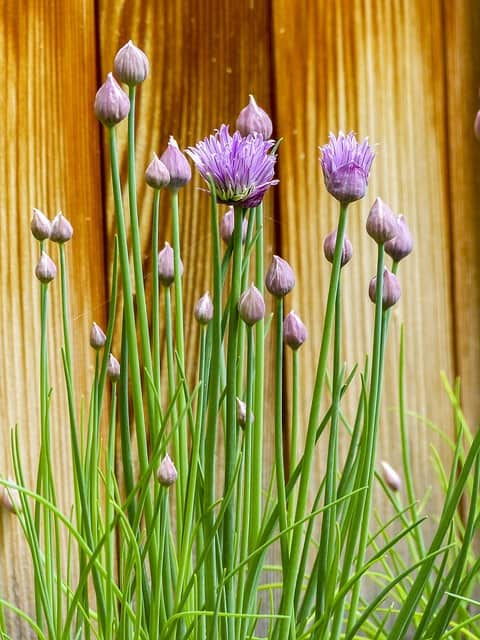
Before we delve into the practicalities of growing chives, it’s essential to appreciate their unique qualities. Chives (Allium schoenoprasum) are part of the Allium family, which includes garlic, onions, and leeks. They are characterized by their slender, hollow stems and vibrant purple blossoms that emerge in late spring and summer.
Chives are perennial herbs, meaning they can last for many years, popping up anew each spring. They thrive in temperate climates and are hardy in USDA Zones 3 to 9. Their distinct taste, a gentle onion-like flavor, brings a fresh touch to many dishes. From salads to soups, and dips to garnishes, chives have the power to elevate your culinary creations.
Choosing the Right Location
Chives are adaptable and can be grown in a variety of locations, but selecting the right spot will contribute significantly to their growth and flavor. They prefer a sunny location, receiving at least 6 hours of direct sunlight each day. This ensures robust growth and encourages the development of their characteristic flavor.
If you’re growing chives in your garden, consider a raised bed or a well-draining patch of soil. If you’re limited on outdoor space, chives can also flourish in containers on a patio or balcony. The key is to ensure that their environment is free from standing water and rich in nutrients.
Preparing the Soil
Healthy growth begins with quality soil. Chives thrive in well-draining, loamy soil with a pH level between 6.0 and 7.0. Before planting, it’s wise to prepare the soil by loosening it to a depth of at least 12 inches and mixing in organic matter, such as compost or well-rotted manure. This enriches the soil and provides essential nutrients, while also improving aeration and drainage.
As you work the soil, take a moment to envision the vibrant chive plants you will cultivate. This connection to your gardening will not only enhance your experience but also foster a stronger bond with the plants themselves.
Planting Chives
Chives can be grown from seeds, sets, or transplants. Each method has its benefits, catering to different gardener preferences and conditions.
From Seeds
Starting chives from seeds can be a fulfilling experience. Sow seeds indoors 6-8 weeks before the last frost, about 1/4 inch deep in seed-starting soil. Keep the soil moist but not soaked, and place the containers in a sunny location or under grow lights. Once seedlings have developed a few sets of true leaves, they can be transplanted outdoors after the danger of frost has passed.
Dividing Established Plants
An alternative and often quicker route is to take clumps from established chive plants. This method involves gently digging up a mature chive plant, dividing the root ball into smaller sections, and replanting them in your chosen location. This propagation method is convenient and allows you to expand your chive collection without starting from scratch.
Transplants from a Nursery
If you’re eager to start enjoying chives without the wait, purchasing transplants from a local garden nursery is a great option. When selecting plants, look for healthy, vibrant green chive clumps that are free of pests and disease.
Regardless of the method chosen, space your chives about 6 to 12 inches apart to allow for adequate air circulation and growth.
Caring for Your Chive Plants

Once planted, chives require some regular maintenance to thrive. Below are essential care tips to ensure your chives remain healthy and productive.
Watering
Chives prefer consistently moist soil but are susceptible to root rot if overwatered. A general rule of thumb is to water them weekly, adjusting as necessary based on rainfall and temperature conditions. The best approach is to deep-water the plants, allowing the soil to dry slightly between sessions.
Fertilizing
While chives are generally low-maintenance, a bit of fertilization can boost their growth. A balanced, all-purpose fertilizer can be applied in early spring as the plants emerge from dormancy. Organic options like fish emulsion or compost tea are excellent choices, providing an extra nutrient punch without chemical runoff.
Weeding
Maintaining a weed-free area around your chive plants will enable them to compete successfully for nutrients. Employing mulch can help suppress weeds while retaining moisture in the soil. Regularly monitor your plants, pulling any unwanted intruders with care.
Pest and Disease Management
Chives are relatively pest-resistant, but they can sometimes fall victim to aphids and onion flies. To keep pests at bay, consider companion planting with herbs like marigold or basil, which can deter unwanted insects.
If you notice any signs of disease, like wilting leaves or discoloration, act swiftly to remove the affected plant parts to prevent spreading. Providing adequate space and airflow can also mitigate the risk of disease.
The Harvesting Process
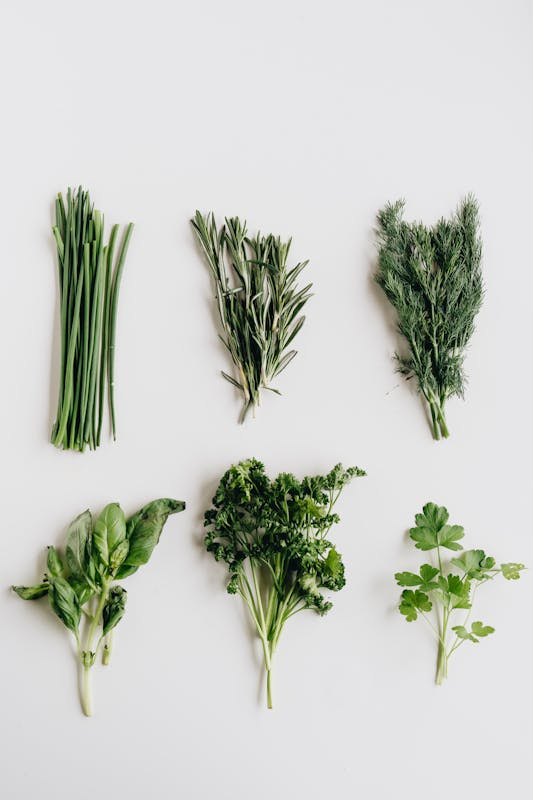
One of the most rewarding aspects of growing chives is the moment you can finally enjoy them in your cooking. While chives are perennial and thrive year after year, they can also be harvested multiple times throughout the growing season.
When to Harvest
Chives can be harvested once the plants reach about 6 inches tall. This typically occurs about 60 days after planting. The best time to harvest is in the morning, after the dew has dried but before the heat of the day sets in, as this retains the essential oils and flavors in the leaves.
How to Harvest
Use scissors or garden shears to snip off the required amount of chives. Cut the leaves about 1-2 inches above the ground, taking care not to damage the growing point. This method encourages continued growth and the emergence of fresh leaves.
As you gather your chives, take a moment to appreciate the effort you’ve put into their growth. Consider jotting down recipes or culinary ideas to maximize your harvest.
Creative Culinary Uses for Chives

Chives are not just a beautiful garnish; they are a culinary delight. Their mild flavor makes them an excellent complement to various dishes, allowing them to shine in both subtle and bold recipes.
Salads and Dressings
Chives can add a delightful freshness to green salads, potato salads, and pasta salads. Chive vinaigrette, combining olive oil, vinegar, and chopped chives, makes for a simple yet flavorful dressing.
Soups and Stews
Chopped chives sprinkled on top of soups, especially creamy soups, add a burst of color and flavor. Consider adding chives to potato leek soup for an extra layer of taste.
Garnishing
Chives are often used as a garnish, enhancing the presentation of dishes like deviled eggs or smoked salmon. Their vibrant color and delicate flavor make them an ideal finishing touch.
Infused Oils and Butters
For a gourmet twist, consider making chive-infused oil or compound butter. These can be drizzled over dishes or spread on bread, providing a luxurious and aromatic experience.
Chive Pesto
This unique take on traditional pesto utilizes chives instead of basil. Combine chives, nuts, Parmesan cheese, olive oil, and a squeeze of lemon for a delightful herbaceous spread.
Preserving Chives

If you find yourself with an abundance of chives, don’t fret! There are several methods to preserve their vibrant flavor for the off-season.
Freezing
Freezing chives is one of the simplest preservation methods. Wash and chop them, then spread them on a baking sheet to freeze individually. Once frozen, transfer the chives to an airtight container or freezer bag. This method allows you to take out portions whenever needed.
Drying
While drying can help retain flavor, it can also alter the texture and taste. If opting for this method, use a dehydrator or air-dry them in a dark, cool location. Store dried chives in a sealed container away from light.
Herb Vinegar
Chive-infused vinegar can add flavor to salads and culinary creations. Simply steep washed chives in vinegar and let the mixture sit for a couple of weeks. Strain and use for cooking or as a salad dressing.
Companion Planting: Friends of Chives
Companion planting is a gardening strategy that enhances the growth and flavor of your crops. When it comes to chives, several companions can profoundly influence their growth, pest resistance, and overall yield.
Beneficial Companions
Chives are excellent companions for tomatoes, carrots, and cabbage. They can deter aphids and other pests that target these plants. Additionally, planting chives alongside other members of the Allium family, such as garlic and onions, allows for a companion plant synergy that can bolster your harvest.
What to Avoid
On the other hand, some plants can inhibit chive growth. Avoid planting them in proximity to beans or peas, as the two may compete for nutrients, leading to diminished growth.
The Therapeutic Benefits of Growing Chives
Gardening has therapeutic effects, and growing chives is no exception. Engaging with plants can greatly enhance mental well-being, encourage mindfulness, and promote relaxation.
Connection with Nature
Tending to your chive plants grants you moments of tranquility and connection to the natural world. The rhythmic act of watering, pruning, and harvesting calms the mind and can help alleviate stress.
Physical Engagement
Gardening is a form of physical activity that can enhance your overall well-being. Planting, weeding, and harvesting chives provides gentle exercise that promotes movement and flexibility.
Aromatherapy
The aroma of fresh chives can uplift your spirits and invigorate your senses. Approaching your garden and inhaling their fragrant scent can generate feelings of joy and wellbeing.
Troubleshooting Common Issues
Despite your best efforts, you may encounter challenges as you grow chives. Addressing these problems early can prevent them from escalating.
Yellowing Leaves
If your chives’ leaves are turning yellow, this could indicate overwatering or nutrient deficiency. Adjust your watering schedule and consider applying fertilizer to restore vigor to the plants.
Stunted Growth
Poor growth may stem from a lack of sunlight or poor soil conditions. Make sure your chives receive adequate light and consider enriching the soil to bolster their development.
Flowering Early
If chives are producing flowers too soon, they may be stressed. Ensure they are properly watered and not competing with other plants. It’s best to cut back flowering stalks early, as this encourages new leaf growth.
Sustainability Practices in Chive Cultivation
In an era focused on sustainable practices, growing chives can contribute to an eco-friendly gardening routine. By adopting environmentally conscious methods, you can reduce your carbon footprint while enjoying the pleasure of home-grown herbs.
Organic Gardening
Opting for organic gardening practices ensures that you and the environment remain safe from pesticides and harmful chemicals. Using organic fertilizers, natural pest controls, and compost enhances soil health and promotes biodiversity in your garden.
Water Conservation
Implementing rainwater collection systems and using mulch can significantly reduce water usage. Chives need less water than many larger plants, requiring mindful hydration approaches during dry spells.
Seed Saving
If you grow chives and wish to maintain a steady supply, consider saving seeds from your plants once they flower. This practice reduces the need to purchase new seeds each year, conserving resources and fostering self-sufficiency.
Conclusion: Your Chive Growing Journey Awaits
As we part ways in this exploration of how to grow chives, remember that the journey is just as significant as the destination. Cultivating chives allows you to embrace the beauty of gardening while unlocking culinary possibilities that span far beyond your imagination.