

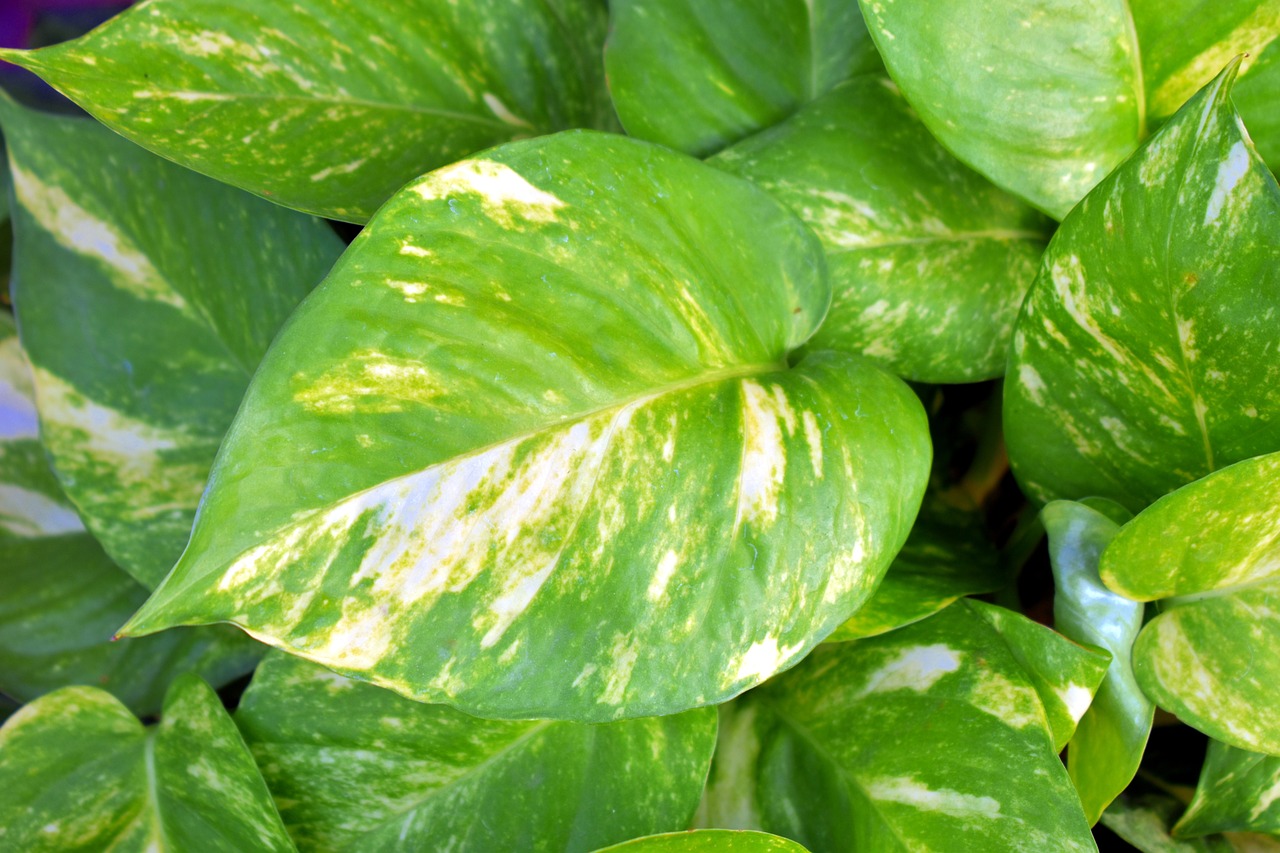
Pruning a pothos plant (Epipremnum aureum) is not just a chore—it’s a nurturing act that fosters growth, maintains health, and deepens the connection we share with our green companions. With their heart-shaped leaves and trailing vines, pothos can enliven nearly any space, but like any robust plant, they thrive when given the occasional haircut.
In this guide, we’ll dig into the art and science of pruning pothos, exploring its benefits, timing, techniques, and much more.
Understanding the Pothos Plant
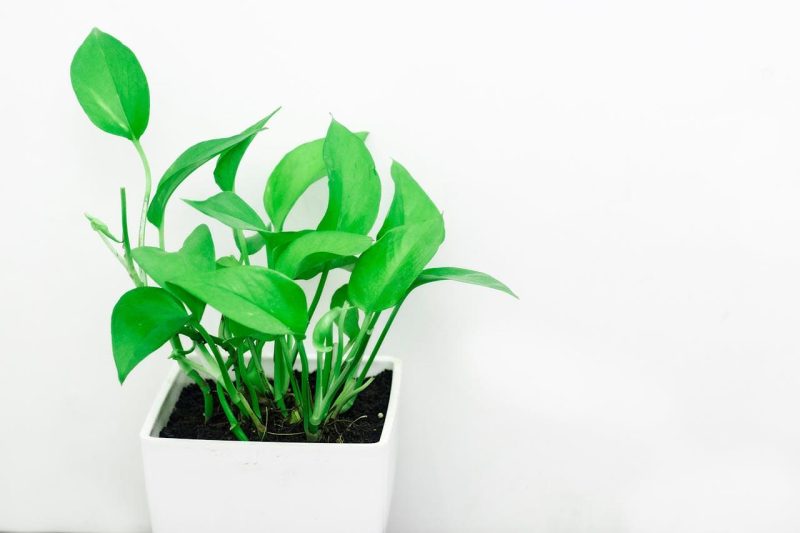
Before we dig into the nitty-gritty of pruning, it’s important to appreciate the pothos plant itself. Native to the Solomon Islands, pothos has made a name for itself as one of the easiest houseplants to care for. It’s a hardy climber that thrives in a wide range of lighting conditions, flourishes with minimal care, and actively purifies indoor air.
Pothos varieties, like the golden pothos and marble queen, exhibit striking leaf coloration that can add flair to any decor. Despite its resilient nature, a pothos plant can easily become unruly if not regularly pruned. Understanding its growth patterns and needs will prepare you for the rewarding journey of pruning.
Growth Characteristics
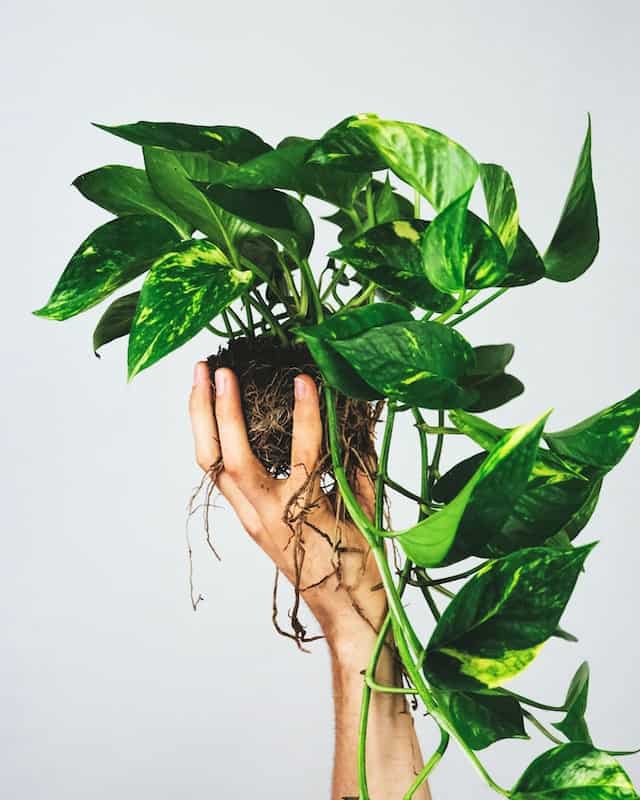
Pothos plants have an interesting growth habit—they can grow long, trailing vines that can reach impressive lengths. These vines can become leggy without regular trimming, and the foliage may become sparse if the plant isn’t regularly pruned. This can lead to an imbalanced appearance.
On a personal note, I recall the day I neglected my own pothos for several months. It grew into a wild mass, almost unrecognizable. It took time and effort to retrain the growth, but it taught me the importance of staying attentive to its needs.
The Benefits of Pruning

You might wonder, “Why should I bother pruning my pothos?” Pruning is an essential aspect of plant management that offers several benefits:
1. Promotes Healthier Growth: Removing dead or overgrown foliage allows the plant to focus its energy on healthy leaves and new growth. This fosters a robust and thriving plant.
2. Enhances Aesthetic Appeal: Pruning offers a way to shape the plant according to your vision. Whether you want a bushier look or longer trails, a little pruning can go a long way.
3. Prevents Disease and Pests: Dead or decaying leaves can attract pests like spider mites or fungal issues. Regular pruning helps prevent infestations and maintain a healthy environment for the plant.
4. Encourages Vining: For those who love the aesthetically pleasing look of long vines, pruning encourages your pothos to branch out and develop more vines, creating a fuller plant.
5. Facilitates Propagation: Pruning offers the perfect opportunity to propagate your pothos and share the joy of plant care with friends or family.
Best Time to Prune Your Pothos
Timing can significantly influence the success of your pruning endeavors. The ideal time to prune pothos is during the growing season, which typically occurs in spring and early summer. During these months, the plant is actively growing and can recover quickly from the pruning process.
In contrast, late fall and winter are times of dormancy for many houseplants, including pothos. Pruning during these months can stress the plant, as it may not have the energy reserves to recover.
On one memorable April morning, I decided to prune my pothos while enjoying my coffee in the sun. The plant was visibly ready; new growth was evident, and the fresh leaves glimmered under the sunlight. That experience transformed my attitude toward pruning—it became a ritual of connection and care rather than a maintenance task.
Tools Needed for Pruning
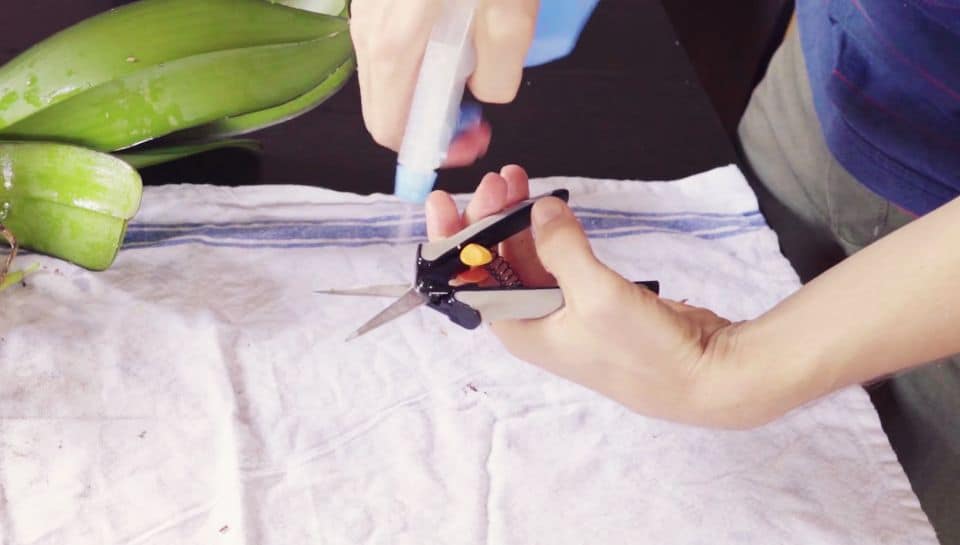
Before diving into the actual process, it’s vital to gather your tools to ensure a smooth pruning session. Here’s a list of essentials:
1. Sharp Shears or Scissors: A pair of clean, sharp shears is crucial for making clean cuts. Dull blades can cause damage and lead to jagged edges.
2. Rubbing Alcohol or Disinfectant Spray: To prevent the transfer of diseases, sterilize your tools before and after each use.
3. Gloves: While not necessary, some people prefer wearing gloves to protect their hands, especially if they have sensitive skin.
4. Notepad or Camera (Optional): If you’re keen on documenting your plant’s journey, consider jotting down your goals for the pruning session or snapping photos before and after.
Preparing Your Potho’s Space
As you set up for pruning, consider creating a suitable area for the task. Find a clean, well-lit space that invites creativity. A sunlit spot where you often see your plants can make the experience more enjoyable. Ensure you have a small container or bag nearby to dispose of cuttings, as a tidy space helps maintain focus.
Techniques for Pruning Pothos
Now that you’re equipped and ready, let’s explore the various techniques to effectively prune your pothos.
Basic Pruning Techniques
1. The “Cut and Maintain” Method: This straightforward technique involves trimming back leggy growth at various points along the vine. Aim to cut just above a node, the small bump from which leaves and branches grow. This encourages new growth.
2. Thinning Out: This method focuses on removing crowded or overlapping stems to allow light and air to reach the internodes of the plant. It’s particularly useful for plants that are overly bushy.
3. Pinching Back: A softer technique, pinching involves using your fingers to remove the tip of a stem. This can stimulate bushier growth and is excellent for shaping the plant when you want to control its size.
Advanced Pruning Techniques
For those interested in taking their pruning skills further, consider these advanced techniques:
1. Propagation Pruning: As you prune, take the opportunity to create new pothos plants. Select healthy cuttings of about 4-6 inches long, ensuring they contain at least two leaves and a node. Place these cuttings in water or soil to root.
2. Training Techniques: Consider methods like layering or trellising. These can help guide the growth of your pothos in a direction that accentuates its beauty and fits your home decor.
3. Seasonal Pruning: As the seasons change, so does your pothos. Early spring can be a good time for a more significant prune, while late summer could be the time for light maintenance. Observing seasonal changes helps you lend your plant a helping hand when it needs it most.
Following Pruning, What’s Next?
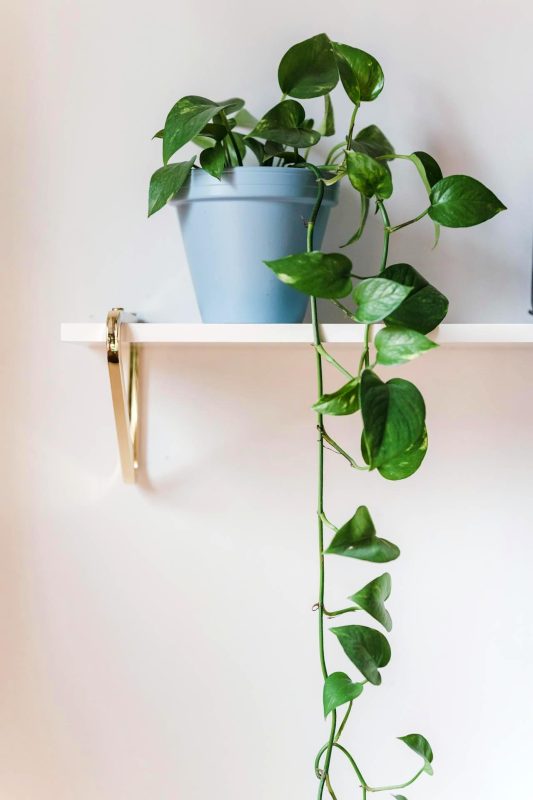
Once the pruning is complete, it’s essential to provide proper care to ensure your pothos thrives after the event. Here are several critical follow-up steps:
Watering
Right after pruning, your pothos might require a different watering routine than usual, especially if you’ve cut sizable portions of the plant. The goal is to keep the soil consistently moist but not waterlogged. Allow it to dry slightly between watering, as overwatering can lead to root rot.
Fertilizing
Consider a balanced fertilizer after a pruning session, ideally one that’s diluted to half strength. This can provide the nutrients required to spur new growth without overwhelming the plant.
Light Conditions
Post-pruning, monitor the light conditions your pothos is receiving. Just like us, which have different needs as the seasons change, your plant may also be reacting to the new environment it’s in.
Patience
Patience is key after pruning. New growth will take time, and sudden changes in the plant may occur. Reassure yourself that every cut you made nurtures future growth.
Dealing with Common Issues After Pruning

While the act of pruning is enriching, it’s essential to remain vigilant for any post-pruning issues. Here are some common concerns and how to address them:
1. Yellowing Leaves: If you notice yellowing leaves after pruning, it may indicate overwatering or lack of nutrients, especially during the recovery phase. Adjust your watering schedule and consider fertilizing if needed.
2. Sparse Growth: If your pothos is showing sparse growth after pruning, ensure that it’s receiving adequate light. A plants’ recovery can hinge on proper lighting conditions.
3. Pests: Keep a watchful eye for pests that could invade your newly pruned plant. Regularly inspecting stems and leaves can help you catch potential infestations early.
The Environmental Impact of Pruning
Pruning isn’t just beneficial for your pothos; it has substantial environmental benefits as well. Here, we look into how your pruning practices contribute to sustainability and ecological balance.
Plant Health
Healthy plants contribute to a cleaner environment. Properly pruned pothos can improve air quality by filtering toxins, capturing dust, and releasing oxygen. Each cut manages the plant’s health, leading to overall environmental well-being.
Biodiversity Promotion
As urbanization diminishes natural habitats, cultivating houseplants like pothos serves as a vital nod towards biodiversity. Sharing pruned cuttings with friends or family encourages more people to engage with plant care, enhancing their appreciation for nature.
Mental Health Benefits
Studies have highlighted the mental health benefits that come from interacting with plants—pruning fosters a strong connection between the individual and nature. This practice can be a meditative experience, promoting mindfulness and reducing stress levels.
Personal Anecdotes: The Journey of Pruning
Every gardener’s journey includes memorable anecdotes, and my experience with pothos pruning is no exception. I remember an instance where I inadvertently created a mini jungle in my living room after liberating my pothos from its wild growth. That moment ignited friendships and shared plant passion; my friends requested cuttings, each sprouting their tiny pothos garden.
Another time, I pruned right before hosting a gathering at my house. As I shaped the plant, it breathed new life, and my guests organically gravitated to it during the evening, sparking conversations about the art of houseplant care. It reminded me of how alive our spaces become with thriving plants, requiring only our care and attention.
Conclusion: The Art of Pruning as a Journey of Connection
Pruning pothos is not merely a mechanical task; it’s an art that embodies connection—to the plant, the space, and ourselves. From recognizing the right time to prune, gathering your tools, understanding techniques, and following up with care, each step emphasizes the process of nurturing growth.