
In this comprehensive guide, we will dig into the art of growing clematis, exploring everything from selection and planting to care and troubleshooting.
Understanding Clematis

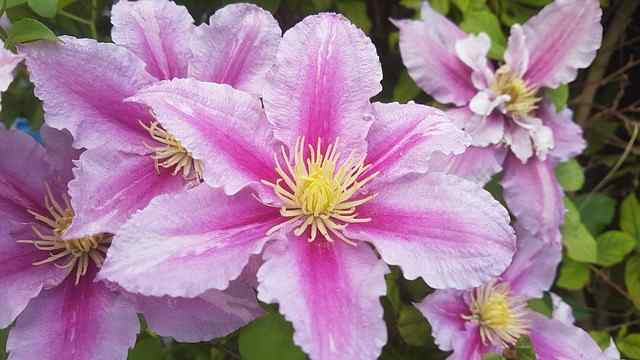
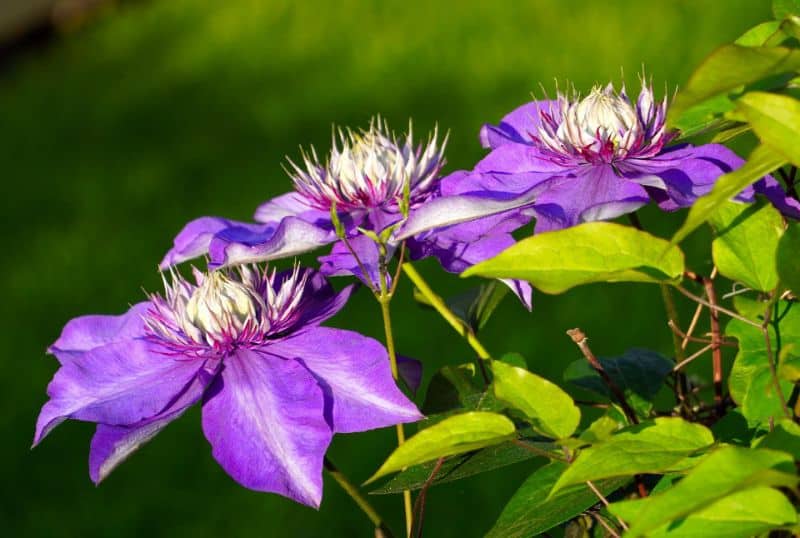
Before you venture into the world of clematis cultivation, it’s essential to grasp the basic characteristics and qualities of this remarkable plant. Clematis belongs to the Ranunculaceae family and boasts over 300 species, making it incredibly diverse. Its flowers vary in size, shape, and color, ranging from the vivid blues and purples of ‘Jackmanii’ to the delicate whites of ‘Nelly Moser.’
One of the first things to note is that clematis is a perennial plant, meaning that it will return year after year with proper care. They thrive in USDA Zones 3 through 9, with specific varieties suited to particular climates. This adaptability allows clematis to flourish in various environments, from small suburban backyards to sprawling estates.
The Appeal of Clematis
Many gardeners are drawn to clematis due to its stunning visual impact. The way it effortlessly climbs and twines around structures can add height and dimension to any garden. Beyond looks, clematis is also known for attracting pollinators such as bees and butterflies, making it an excellent choice for organic gardening.
In addition, clematis can complement a wide range of plants, providing contrast and texture. Imagine the elegance of a pale pink clematis entwined with yellow roses or the dramatic effect of a deep indigo variety against a backdrop of lush green foliage.
Choosing the Right Variety
When embarking on the journey of growing clematis, selecting the right variety is crucial. With thousands of cultivars available, it’s easy to feel overwhelmed. Start by considering the following factors: your climate, the garden space available, and personal aesthetic preferences.
Types of Clematis
Clematis can be categorized into three main groups, each with distinct flowering habits and pruning needs. Understanding these groups will guide you in the right direction:
Group 1: This group features early bloomers that flower on old wood. Varieties like ‘Alba Plena’ and ‘Clematis Montana’ can be admired in late spring, often before many other plants have begun to show their colors. They require little to no pruning, making them ideal for novice gardeners or those who prefer a low-maintenance approach.
Group 2: These clematis bloom in early summer on old wood and in late summer on new wood. Varieties such as ‘Nelly Moser’ and ‘Duchess of Edinburgh’ provide a prolonged display of flowers. Pruning is essential for this group, typically conducted after the first blooms have faded to encourage fresh growth.
Group 3: This category encompasses clematis that flower on new wood in late summer and fall. Varieties like ‘Jackmanii’ and ‘Sweet Summer Love’ are notable examples. These plants thrive with more substantial pruning, ideally in late winter or early spring.
Considering Your Climate
Always consider your climate when choosing the right variety. Some may prefer cooler climates, where they can bloom vibrantly, while others thrive in warmer regions. Be sure to check the hardiness zone for each cultivar to ensure compatibility with your local conditions.
Planting Clematis
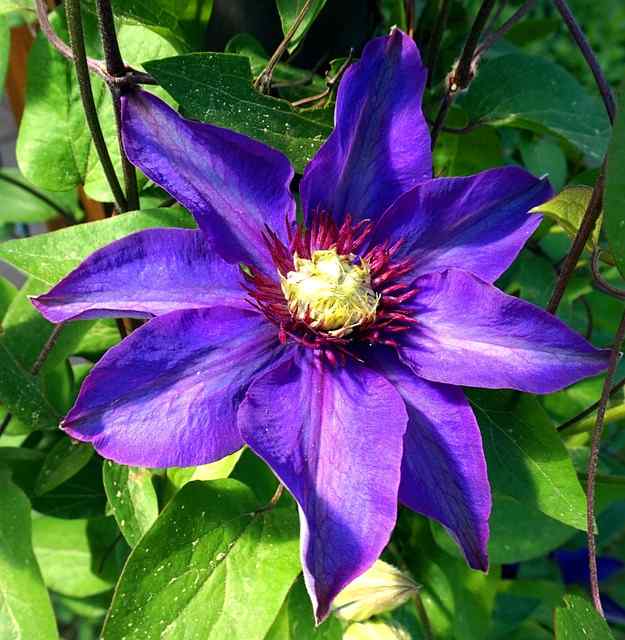
Once you’ve chosen the right variety, the next step is to successfully plant your clematis. This process sets the foundation for healthy growth and flourishing blooms in the future.
Selecting a Location
Clematis thrives in locations with sunlight but also appreciates some shade. Ideally, look for a spot that receives at least six hours of sunlight daily, especially during the growing season. However, the roots like to stay cool, so you may want to provide some protection, like ground cover or mulch, to shield them from direct heat.
Soil Preparation
Soil quality is vital for clematis health. They prefer well-draining, rich soil with a pH between 6.0 and 8.0. Amend your soil with compost or organic matter to enhance its structure and fertility. A mix of two parts garden soil with one part compost is a great start.
Digging the Hole
When ready to plant, dig a hole approximately twice the width and depth of the root ball. Ensure that the hole is deep enough to accommodate the plant’s root system comfortably. When placing the clematis in the hole, it’s generally best to plant it slightly deeper than it was in its container. This encourages stronger root growth and helps prevent disease.
Planting Process
Carefully place the root ball in the hole and fill in the surrounding soil, gently compacting it as you go. Water the plant thoroughly after planting to eliminate air pockets and provide moisture for establishing roots. If you’re planting multiple clematis varieties, consider their mature size and spacing needs; typically, a distance of 3 to 5 feet apart works well.
Caring for Your Clematis
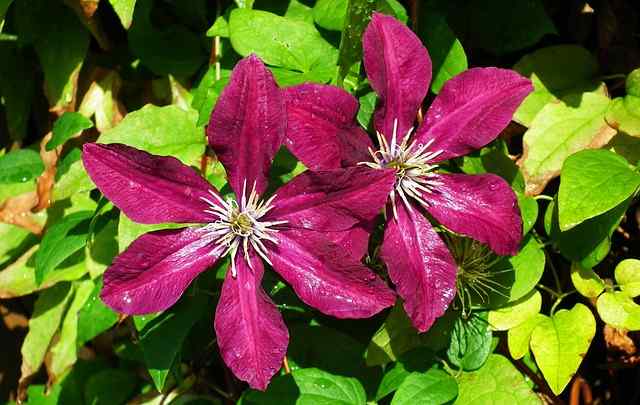
Once your clematis is in the ground, the level of care you provide will significantly influence its longevity and vibrancy. Understanding the nuances of watering, fertilizing, and pruning will help you cultivate a flourishing clematis.
Watering
Consistent watering is essential during the initial establishment phase, usually the first one to two years. Clematis prefers evenly moist soil; however, they do not like to sit in waterlogged conditions. An effective strategy is to water deeply and infrequently, allowing the top few inches of soil to dry out between sessions. Once established, clematis can tolerate some drought but will perform best with regular moisture.
Fertilizing
Fertilizing your clematis will provide essential nutrients that support growth and flowering. Generally, a balanced, slow-release fertilizer applied in early spring should do the trick. Avoid high-nitrogen fertilizers, as they promote green growth at the expense of flowers. Alternatively, organic options like fish emulsion or compost can enrich the soil and contribute to healthier plants without chemical additives.
Mulching and Weeding
Applying a layer of mulch around your clematis helps retain moisture and regulate soil temperature. Organic mulch, such as shredded bark or straw, can also contribute to the overall health of your soil as it decomposes.
Weeds can compete with your clematis for nutrients and water, so regular weeding is essential. Employing a hand-weeder tool or simply pulling them by hand can keep your garden tidy and your clematis thriving.
Pruning
Pruning practices vary depending on the type of clematis you’ve planted. Generally, Group 1 varieties need little to no pruning, while Group 2 and Group 3 varieties benefit significantly from strategic pruning. For most Group 2 varieties, prune back to about 18 inches in early spring after blooming. For Group 3, you can cut the plant back to about 12 to 18 inches above ground during late winter to encourage vigorous growth.
Make sure to remove any dead or damaged wood throughout the growing season, as this will help to enhance the overall shape and health of the plant.
Supporting Clematis Growth
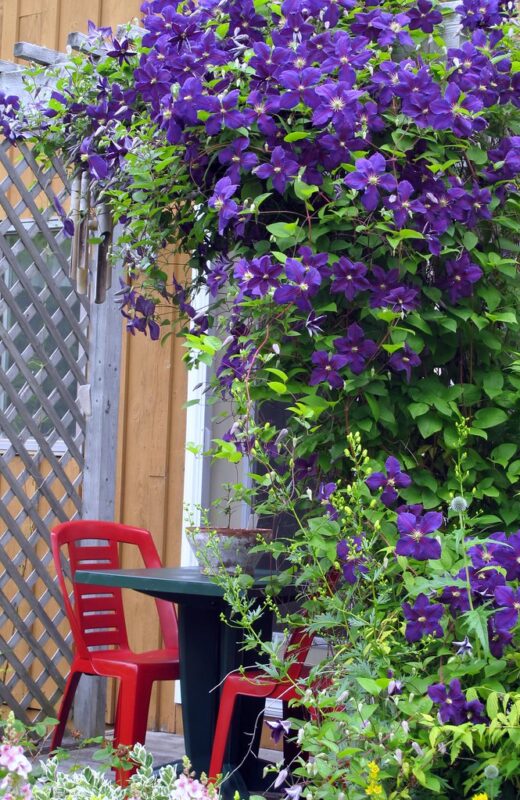
As a climbing plant, clematis will naturally seek structures to ascend. Providing adequate support is critical to allowing clematis to flourish and display its floral bounty effectively.
Trellises and Arbors
Trellises are perhaps the most popular support structures for clematis. They come in various designs, allowing you to enhance the aesthetic of your garden while providing function. Whether you opt for a simple wooden trellis, a wrought-iron version, or a sprawling arbor, choose designs that complement your garden’s overall theme.
When setting up a trellis, position it firmly against a wall or fence to create a backdrop. Positioning it within a few inches of the clematis will encourage the vines to attach quickly and securely.
Wire Support
For more creative applications, consider using wire supports. Stretching galvanized wire between two posts or attaching them to an existing structure can offer a minimalist and modern look. Train the clematis vines to wrap around the wire as they grow, creating an elegant, flowing effect.
Good Neighbor Plants
Clematis can do well when planted alongside other species. Consider pairing clematis with low-growing plants to create exciting height contrasts. Some ideal companions include lavender, which thrives under similar conditions, or even bushy perennials like sedums, which can provide support and enhance the visual interest of your floral display.
Pests and Diseases
Like any other plant, clematis can be susceptible to pests and diseases. However, understanding potential threats and addressing them in a timely manner will help ensure your clematis continues to thrive.
Common Pests
One of the most common pests affecting clematis is the aphid. These small, sap-sucking insects can cause wilting and stunted growth. If aphids appear, consider spraying them off with a strong blast of water or, if the infestation is severe, applying insecticidal soap.
Another potential concern is the clematis borer, which can cause severe damage to the stem. Look for signs of wilting or dieback, and carefully remove any affected areas. If you suspect an infestation, inspecting the plant for the telltale holes is critical; emerging adults can lead to further damage.
Diseases
Clematis can also fall victim to various diseases, including wilt and root rot. The risk of wilt, particularly in large-flowered varieties, can often be mitigated through proper watering practices. Ensure your clematis gets adequate drainage and avoids excessive waterlogging.
Additionally, staggering planting depth can help prevent root rot by securing more robust root systems. If diseases do occur, remove affected plant parts and improve airflow around the plant to reduce humidity.
Creating a Year-Round Clematis Experience
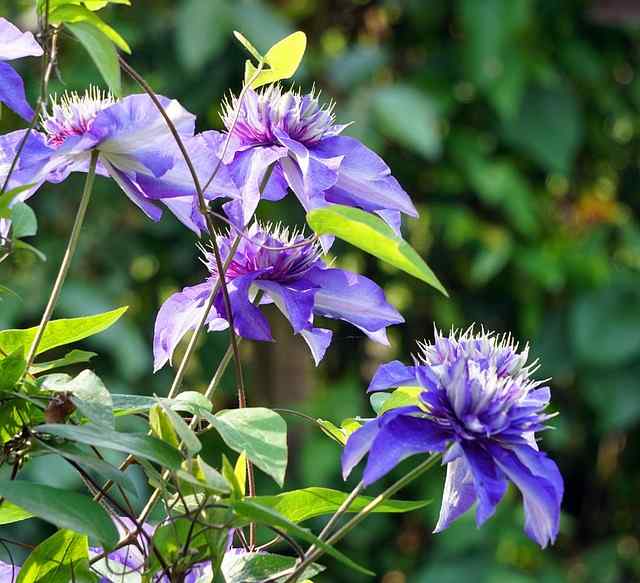
While clematis is renowned for its stunning summer blooms, you can design your garden to appreciate this perennial throughout the seasons.
Seasonal Color
In spring, as the vine begins to sprout new growth, consider incorporating early-blooming bulbs like daffodils or tulips. As these fade, the clematis can take center stage.
For the fall months, think about companion planting with perennials that bloom later in the year, such as asters or goldenrod. Their cheerful colors create a seamless transition from summer to autumn, allowing your garden to remain visually engaging throughout the year.
Winter Interest
During winter, although clematis will often die back, consider creating a focal point with a hardy ornamental grass that can add texture and movement. The frost-laden seed heads can contrast beautifully against a bare trellis, providing architectural interest even in the chillier months.
Additionally, consider pruning back your clematis now to allow for healthy growth in the spring, ensuring you know the specific variety’s requirements.
Conclusion
Growing clematis can be a deeply rewarding experience that enhances the beauty and character of your garden. With their manageable care requirements and diverse selection, these climbing vines are suited for any gardener, whether you’re an experienced horticulturist or a cheerful beginner. By understanding the various varieties, planting techniques, care strategies, and the art of supporting growth, you can create a thriving landscape filled with breathtaking blooms.