

In this extensive guide, we will explore every facet of growing parsley—from understanding its varieties to soil preparation, planting tips, maintenance practices, and even harvesting and culinary usage. With a personal touch and insightful anecdotes, this post aims to inspire you to cultivate your own parsley and appreciate its myriad benefits.
Understanding Parsley: A Culinary Marvel

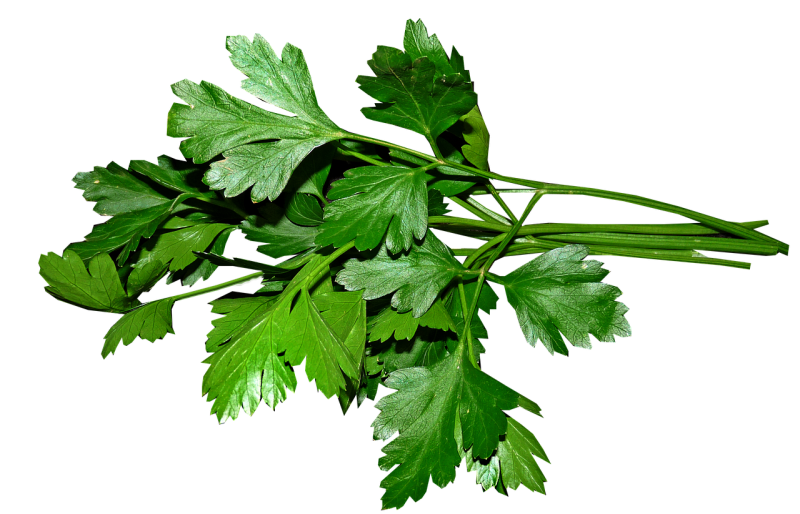
Before diving into the mechanics of growing parsley, it’s vital to appreciate what makes this herb special. Scientifically known as Petroselinum crispum, parsley belongs to the Apiaceae family, which also includes carrots, celery, and dill. It offers two primary varieties: flat-leaf (or Italian) parsley and curly-leaf parsley. Flat-leaf parsley is favored by chefs for its robust flavor and ease of use in cooking, while curly-leaf parsley, often used as garnish, provides a visually appealing touch to any dish.
Throughout history, parsley has played a significant role in various cultures. Ancient Romans loved it as a condiment, and it found its place in Mediterranean cuisine long before it became a staple in kitchens worldwide. Let’s delve deeper into the process of growing this versatile herb and how you can make it part of your green sanctuary.
Selecting the Right Variety

Understanding the different types of parsley available allows you to choose the one that best fits your culinary needs and growing conditions. Flat-leaf parsley is often more aromatic and flavorful, making it ideal for dishes that require a punch of fresh herbs, such as pestos, salads, and sauces. On the other hand, curly-leaf parsley, with its delicate ruffles, is often used in salads or as a decorative garnish.
Many gardeners opt for a combination of both, thereby enjoying the unique benefits of each type. If you have space limitations, consider growing them in pots or containers, allowing for an adaptable and portable herb garden. By choosing the right variety, you lay the foundation for a healthy, robust harvest.
Choosing the Right Location
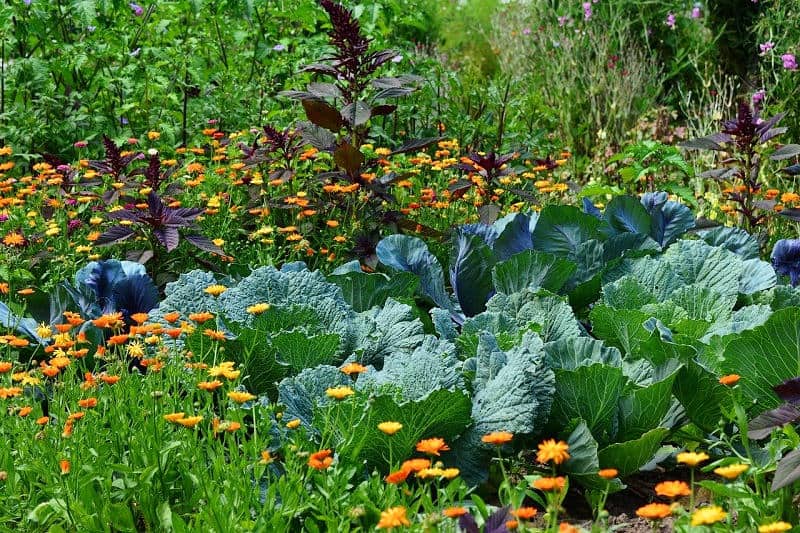
Selecting the appropriate planting site is crucial for thriving parsley plants. Parsley is a biennial herb, meaning it can survive for two years, but it is commonly grown as an annual. It thrives best in a spot where it receives full sun—at least six hours of sunlight daily. However, it can tolerate partial shade, especially in extremely hot climates where afternoon shade can help manage temperature stress.
When planning your garden layout, remember to consider companion planting. Parsley pairs well with tomatoes, corn, and asparagus, boosting their growth while repelling pests. Creating a companion gardening system not only enhances growth but also promotes biodiversity, enriching your entire garden ecosystem.
Preparing the Soil

The success of parsley revolves around soil quality. It favors well-drained, loamy soil enriched with organic matter. The pH level should ideally range from 6.0 to 7.0, making it slightly acidic to neutral. If you’re unsure about your soil quality, consider performing a soil test to guide your amendments.
Begin by tilling the soil to break up compacted areas and mixing in plenty of compost or well-rotted manure. This enriches the soil with essential nutrients, improves its structure, and enhances moisture retention. A few weeks before planting, incorporate balanced fertilizer to provide your newly planted parsley with a nutritious start.
Sowing Seeds and Transplanting
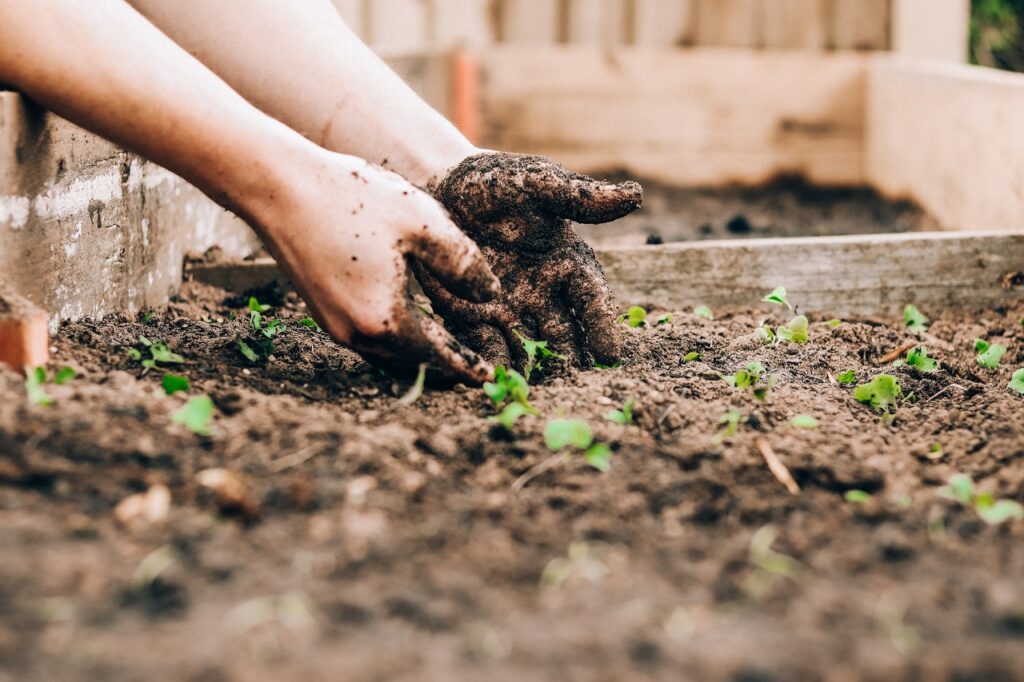
When you’re ready to plant, you have a choice between direct sowing seeds outdoors or starting them indoors. If you opt for direct sowing, wait until the frost danger has passed, as parsley is sensitive to cold. Plant seeds approximately 1/4 inch deep and space them about 6 to 12 inches apart to allow ample room for growth.
If starting indoors—perhaps in January or February—sow seeds in seed trays or small pots filled with seed-starting mix. Keep them moist and provide sufficient light for strong seedlings. After about six weeks, when the risk of frost is minimal, you can transplant these seedlings into your prepared garden bed.
Watering Wisely
Parsley loves moisture, yet it’s essential to strike a balance. Overwatering can lead to root rot, while underwatering stresses the plants. Aim to keep the soil consistently moist but not soggy. A few watering techniques can help manage moisture levels effectively:
Drip Irrigation: This delivers water directly to the soil at a slow rate, ensuring deep root penetration while preventing surface runoff.
Mulching: Applying a layer of organic mulch around your plants helps retain moisture and regulate soil temperature, creating an ideal environment for growth.
Soaker Hoses: Another effective tool, soaker hoses distribute water evenly and reduce evaporation while enabling deep moisture absorption.
Pruning and Maintenance
As your parsley plants prosper, regular maintenance becomes key to promoting growth and flavor. Prune parsley by cutting off flower stems as they appear. This prevents the plant from going to seed, effectively keeping it in its growth phase and promoting leaf production.
Additionally, periodically harvesting leaves encourages the plants to grow new foliage. Always harvest from the outer leaves first, allowing the inner leaves more space and light. This practice not only provides fresh herbs for your kitchen but also fosters a bushier and healthier plant.
Understanding Pests and Diseases
Every gardener must familiarize themselves with potential threats to their plants. Parsley can be susceptible to various pests, including aphids, spider mites, and leafhoppers. Implementing a proactive approach is the best strategy:
Companion Planting: Growing parsley alongside plants that deter pests can minimize trouble.
Natural Predators: Encouraging beneficial insects, such as ladybugs or lacewings, helps keep harmful pests in check.
When diseases strike, identifying the symptoms quickly is crucial. Fungal diseases like root rot or powdery mildew can be mitigated through proper watering techniques and good air circulation. Regularly inspecting your plants and maintaining hygiene in your gardening practices helps in combating such threats.
Harvesting Your Parsley
As parsley matures, it becomes a joyous time in the garden—the moment when you can enjoy the fruits of your labor. Whenever you feel your parsley has reached a satisfactory size (typically after about 70 to 90 days from sowing), you can begin to harvest.
It’s important to note that parsley flavor often intensifies just before flowering. So if you wish to achieve the best taste, don’t be hesitant about harvesting frequently. Using a pair of clean, sharp scissors, cut the outer leaves first, ensuring to leave the inner leaves untouched for future growth.
Culinary Delights of Fresh Parsley

Now that your parsley is ready for harvest, the world of culinary delights opens up. Fresh parsley can elevate a variety of dishes—add it to sauces for depth, stir it into soups for flavor, or sprinkle it over any meal as a finishing touch.
Flat-leaf parsley shines in Mediterranean cuisines—think tabbouleh, chimichurri, or tossed into pasta. Curly-leaf parsley, with its bright, crisp flavor and vibrant color, works beautifully as a garnish for proteins, soups, and salads.
Moreover, parsley boasts impressive nutritional benefits. It’s rich in vitamins A, C, and K, offering antioxidants and anti-inflammatory properties. Regularly incorporating parsley into your meals not only enhances flavor but also contributes to a healthier lifestyle—a wonderful transformation of a garden venture into personal well-being.
Preserving Parsley for Off-Season Use

One of the challenges of growing herbs is dealing with a bountiful harvest. To extend the use of your parsley beyond its growing season, consider various preservation techniques.
Freezing: This is perhaps the simplest method. Wash and chop the leaves, spread them on a baking sheet, and freeze them before transferring them to freezer bags. This method retains flavor and provides convenient portions for cooking.
Drying: While fresh parsley is vibrant, dried parsley can still be a wonderful addition to dishes. You can air-dry parsley by hanging small bundles upside down in a dark, dry space or use a dehydrator for more controlled drying.
Pesto: Consider blending your parsley into a vibrant pesto. Combining it with nuts, garlic, cheese, and olive oil can preserve its flavor and expand your culinary possibilities.
Conclusion: An Invigorating Green Companion
Growing parsley is more than just a gardening task; it’s an empowering experience that connects you with the earth and enhances your culinary journey. From its rich historical significance to its versatility in the kitchen, parsley offers an enduring ribbon of green that can flourish in your garden or windowsill.