

Growing cranberries, whether commercially or in your backyard, can be a rewarding endeavor. By delving into the world of cranberry cultivation, we can appreciate not just the fruit, but also the dedication and knowledge that goes into growing this unique plant.
Throughout this guide, we will take you on a journey of discovery, exploring the intricacies of cranberry farming, from the selection of the right location to the joys of harvesting and everything in between.
Understanding Cranberry Basics
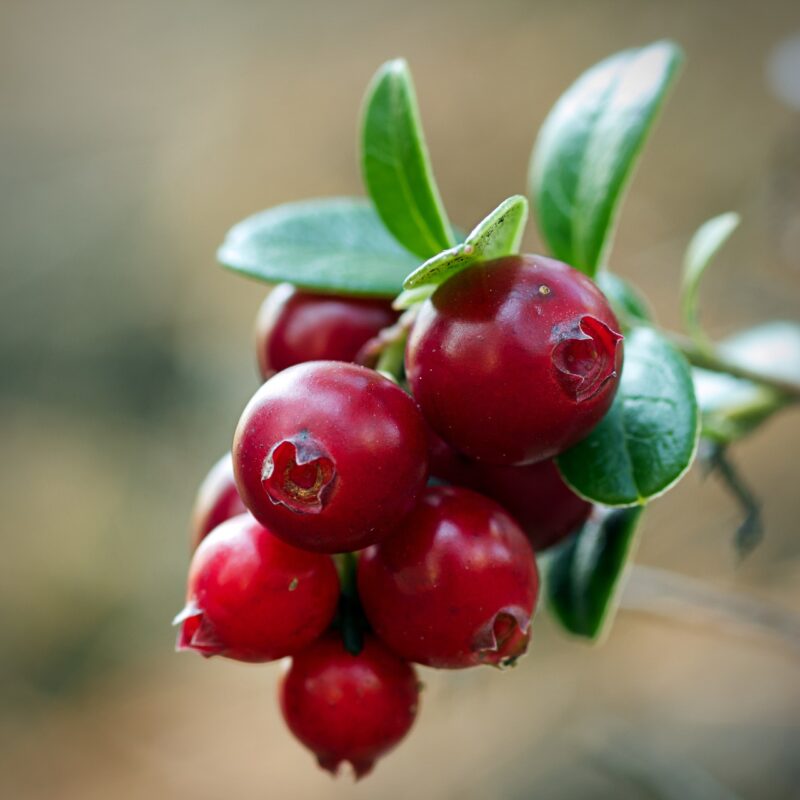
Before embarking on the journey of growing cranberries, it’s vital to understand where they come from and their growing conditions. Cranberries (Vaccinium macrocarpon) are primarily native to North America, thriving in cool, temperate climates. Unlike many other fruits, cranberries are a type of berry that grows on low, trailing vines. For all their sweetness, they boast tangy overtones that make them beloved in both culinary and medicinal applications.
These berries grow best in sandy, acidic soils, typically found in bogs or wetlands. One of the most delightful aspects of cranberries is their adaptability. While they require specific conditions, even home gardeners can cultivate them with the right approach.
Selecting the Right Location

Finding the ideal spot to cultivate cranberries is paramount. Start by identifying a site with full sun exposure, as cranberries require a minimum of six hours of sunlight daily. The soil should be well-draining and rich in organic matter. Bog-like conditions, characterized by a pH level between 4.5 and 5.5, are perfect for these berries. The importance of soil testing cannot be overstated; investing in a soil test kit will provide insight into pH levels and nutrient availability.
Water drainage and retention are critical for cranberries. They thrive in wet environments but do not tolerate waterlogged conditions. Therefore, it may be wise to create raised beds, which help improve drainage while allowing for a bog-like saturation during the growing season.
Preparing the Soil
Once you’ve settled on a location, the next step is preparing the soil. This can be a laborious task but is essential for ensuring healthy plant growth. Start by clearing the ground of weeds and debris. Incorporating organic matter, such as compost or peat moss, will enhance soil fertility and structure.
It’s also advisable to amend the soil with sulfur to achieve the desired acidity if your test results indicate higher pH levels. The ideal soil consistency for cranberries is sandy, allowing for excellent drainage while holding adequate moisture.
Choosing the Right Varieties
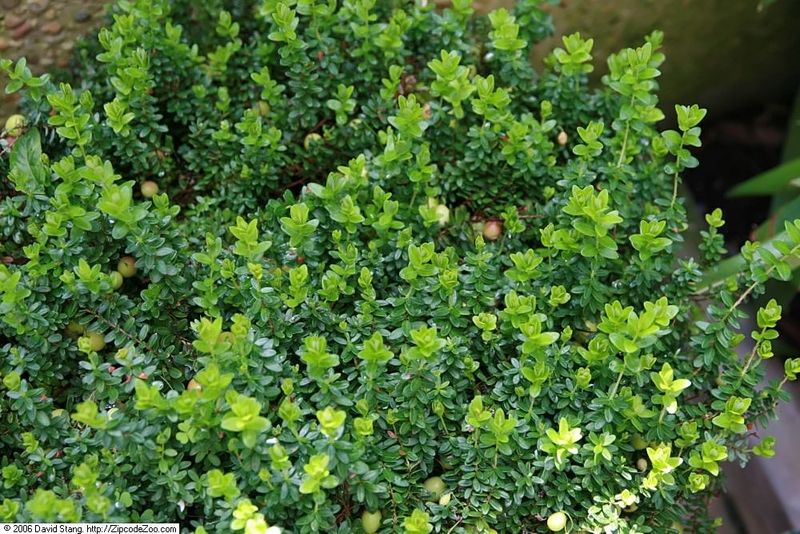
Just as important as the soil is the selection of cranberry varieties. There are numerous cultivars adapted to different climates and desirable traits. Research regional preferences to choose varieties that thrive in your area. Some popular options include:
Early Black: Known for its rich flavor and large size, Early Black is often favored for commercial production.
Stevens: This is one of the most widely planted varieties due to its productivity and adaptability.
Ben Lear: A vigorous grower with good disease resistance, simultaneously giving high yield for home gardeners.
Feel free to experiment at this stage; trying more than one variety can provide a range of tastes, along with potential resilience to varying environmental conditions.
Planting Time and Techniques

The timing of planting cranberries plays a significant role in their success. The best period to plant cranberry vines is in spring, ideally after the last frost. If you’re starting with bare-root plants, soak them in water for a few hours before transplanting to encourage root establishment.
Cranberries can be planted in two ways: staggered rows or beds. In staggered rows, plants should be spaced about 18 to 24 inches apart to allow for vine growth and air circulation. For a deeper bog-like planting, creating beds that are 10 to 12 inches high can facilitate water management later in the process.
Caring for Cranberries

Ongoing care is essential for healthy cranberries. Regular watering during dry spells is critical, particularly during fruit development. These plants require approximately 1 to 1.5 inches of water weekly. Implementing a drip irrigation system may be beneficial, as it conserves water and reduces the risk of disease by keeping foliage dry.
Weed control is another vital aspect of cranberry care. These delicate plants can be outcompeted by aggressive weeds; thus, utilizing mulch can help suppress undesired growth while conserving moisture. Organic mulches, such as pine needles or wood chips, are excellent choices that also contribute to soil health as they break down.
Fertilization and Pest Management
As the plants take root and begin to grow, implementing a robust fertilization strategy will optimize yield. A balanced fertilizer applied in the early spring and again in mid-summer can provide the necessary nutrients for growth. Always follow soil test recommendations, as cranberry plants have specific nutrient requirements.
When it comes to pest management, being proactive is key. Monitor for common pests such as cranberry weevils and leaf rollers. Employing integrated pest management (IPM) strategies—such as introducing beneficial insects, maintaining plant health, and utilizing deterrents—will help keep pests in check without resorting to harmful chemicals.
The Art of Pollination
Pollination is an essential component of cranberry growth. These plants primarily rely on bees for fruit set. To attract pollinators, consider planting nearby flowering plants. Even a small splash of wildflowers can make a substantial difference in attracting bees. Some growers introduce honeybees to their bogs during the flowering season, creating a symbiotic relationship that benefits both the pollinators and the crops.
Understanding the pollination cycle—when flowers bloom and the ideal conditions for bee activity—will play a crucial role in achieving a successful harvest. Encouraging biodiversity in your gardening practices not only supports pollinators but can lead to healthier, more resilient plants.
Harvesting Cranberries

The excitement truly begins once the berries begin to develop their rich red hue, usually around late September to early October. The harvest process can vary depending on whether you’re growing cranberries commercially or in a home garden. Commercial methods often involve flooding the fields and using specialized harvesting equipment to collect the floating berries.
For home growers, manual harvesting is more common. Using handheld tools, carefully pick the red berries as they ripen. It’s often best to harvest just before the first frost for optimal flavor and sweetness, ensuring your fruits are at their peak ripeness. However, patience is key; waiting just a few extra days can sometimes significantly enhance flavor.
Post-Harvest Care
After harvesting, cranberries require proper handling to maintain their quality. Gently wash the berries to remove any debris, and then allow them to air dry thoroughly. Store them in a cool, dry place, or for longer-term storage, consider freezing them. Cranberries freeze remarkably well, retaining their flavor and nutritional value.
One of the joys of growing cranberries is the ability to use them creatively in the kitchen. From homemade sauces to jellies and baked goods, the culinary possibilities are endless. Sharing this bounty with family and friends can foster connection and appreciation for the painstaking process of growing cranberries.
Troubleshooting Common Issues
Even the most diligent growers encounter challenges. Common issues include fungal diseases, such as root rot or cranberry fruit rot. Monitoring moisture levels and ensuring good air circulation can help prevent these problems. If they do occur, organic fungicides may provide a necessary remedy.
Additionally, keep an eye out for nutrient deficiencies, which manifest as yellowing leaves or stunted growth. Regular soil testing can help pinpoint imbalances and rectify them with appropriate fertilization strategies.
Sustainability in Cranberry Farming
As sustainability becomes increasingly vital in agriculture, many cranberry growers are incorporating greener practices. This may include utilizing organic methods, such as composting, crop rotation, and permaculture techniques that enrich soil health while minimizing environmental impact.
Adopting sustainable practices not only benefits the planet but also enhances the flavor profile of your fruits. Many consumers are motivated by purchasing locally-sourced, sustainably-grown produce, thus contributing to a stronger local economy.
Cranberry’s Culinary and Health Benefits
Cranberries are lauded not only for their unique tartness but also for their impressive nutritional profile. They are rich in antioxidants, vitamins C and E, and contain a high level of dietary fiber. Their renowned health benefits—often associated with urinary tract health and cardiovascular support—make them a brilliant choice for both culinary and health-conscious consumers.
In the kitchen, fresh cranberries can enhance savory and sweet dishes alike. Consider pairing them with protein, such as turkey or chicken, for an unexpected flavor twist, or crafting an exquisite sauce to drizzle over desserts. The versatility of cranberries offers endless culinary creativity.