

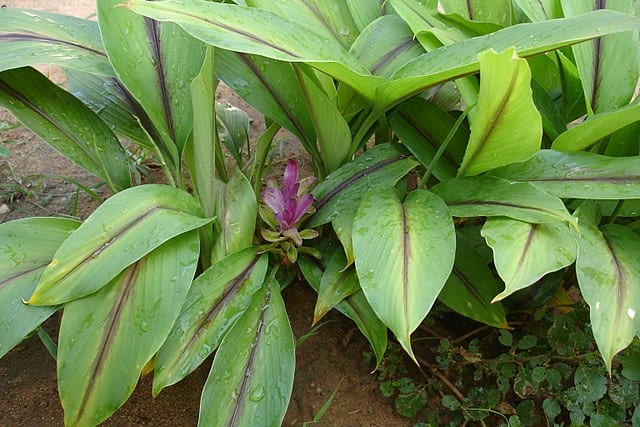
Growing turmeric is a rewarding journey that requires patience, attention, and care. In this comprehensive guide, we will delve into every facet of cultivating this remarkable plant, from sourcing rhizomes to harvesting and beyond.
Understanding Turmeric: A Brief Overview

Before embarking on the journey of growing turmeric, it’s essential to appreciate its richness and cultural significance. Turmeric (Curcuma longa) belongs to the ginger family (Zingiberaceae) and is native to Southeast Asia. This spice is traditionally celebrated not only for its culinary applications but also for its medicinal qualities, mainly attributed to curcumin, a compound known for its anti-inflammatory and antioxidant effects.
Turmeric thrives in warm, tropical climates, but its resilient nature enables it to adapt to various environments. Whether you are a seasoned gardener or a novice, growing turmeric can be a gratifying venture, provided you understand its needs and characteristics.
Sourcing Turmeric Rhizomes
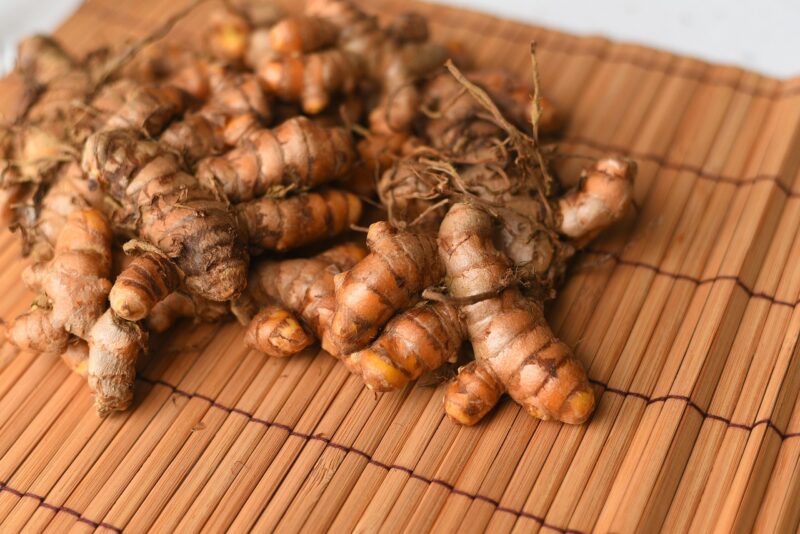
The first step in your turmeric journey is acquiring rhizomes, the underground stems from which the plant will grow. You can source them from numerous locations – local farmers’ markets, grocery stores, or online retailers specializing in herbs and spices.
When selecting rhizomes, look for firm, plump roots with vibrant color. Avoid any shriveled or dried out specimens. If possible, choose organic turmeric, as it’s likely to be free from synthetic pesticides and chemicals, thus offering a healthier start to your growing endeavor.
Many gardeners recommend starting with larger pieces (about 3-4 inches long), as they tend to have more energy and vitality for growth. In your search, don’t be discouraged if you can’t find large rhizomes; smaller pieces can still yield robust plants as long as they are healthy.
Preparing the Soil: The Right Foundation
Creating the right soil environment is crucial when learning how to grow turmeric. This spice prefers well-draining, loamy soil that is rich in organic matter. A pH level of around 5.5 to 7.0 is ideal.
To enhance your soil, consider incorporating compost or well-rotted manure. Aside from enriching nutrient content, organic matter improves soil structure, promoting root development and moisture retention. If you live in a region with heavy clay, consider mixing in sand or perlite to improve drainage.
As turmeric is a tropical plant, consider benefitting from a warm environment by using raised beds or pots if your climate is cooler. This can ensure that the soil maintains a consistent temperature and moisture level, which are both imperative for growth.
Planting Turmeric Rhizomes: Timing and Technique

Timing can be pivotal when planting turmeric. Generally, natural spring warmth, which encourages growth, is the best time to begin your planting, ideally between April and May in temperate regions.
When planting your turmeric rhizomes, immerse them in water for a few hours to encourage sprouting. This hydration signals the soil that it is time to grow. Drill into the prepared soil and position the rhizomes with buds facing upwards, covering them with approximately 2-4 inches of soil. Ensure they are spaced adequately, around 12-15 inches apart, to allow room for growth.
One personal tip is to mark your planting spots with small flags or garden markers. This will help to prevent disturbances to your planting area as the seasons progress, allowing you to monitor growth effectively.
Watering and Care: Nurturing Your Plants
Turmeric requires consistent moisture to thrive, particularly during the initial stages of growth and when the plants are actively producing leaves. However, avoid overwatering as this can lead to root rot. A good rule of thumb is to keep the soil consistently moist but not soggy.
As the weather warms up, establish a watering routine that accommodates temperature changes. Consider using a mulch layer, such as straw or shredded leaves, around your rhizomes. This not only helps retain moisture and suppress weeds but also gradually enriches the soil as it breaks down.
Additionally, regular checks for pests and diseases are necessary. While turmeric is generally resilient, monitoring for issues like aphids or fungal infections ensures healthy growth. Natural remedies, such as a diluted soap solution or neem oil, can be effective in treating minor pest infestations.
Fertilization: Feeding Your Turmeric
Fertilization plays a significant role in ensuring your turmeric reaches its full potential. Nutrient needs vary depending on growth stages, but a balanced, slow-release organic fertilizer can be beneficial.
During the initial growth phase, maintain the nutrient supply with a balanced fertilizer that includes equal parts nitrogen, phosphorus, and potassium (N-P-K). This will promote lush foliage, which is crucial for photosynthesis.
As your turmeric matures, switch to a fertilizer high in potassium to support tuber development. Organic options like banana peels or wood ash can provide essential nutrients without chemical additives, enhancing both the growth of the plant and the quality of the final rhizomes.
Harvesting Turmeric: The Right Time
Knowing when to harvest turmeric can sometimes feel like an art form. Typically, turmeric is ready for harvest between 7 to 10 months after planting, once the leaves have begun to yellow and die back. This is a subtle but clear indication that the rhizomes have fully developed and are brimming with flavor and health benefits.
Gently digging around the base of the plants with a fork will help you determine their size. Harvesting is best done on a dry day to avoid muddy conditions, which can complicate cleanup. Be cautious during the harvesting process to minimize damage to the roots.
Once you’ve lifted the rhizomes from the soil, rinse them thoroughly to remove any lingering dirt, then allow them to dry in a warm, shaded area before moving on to storage or processing.
Post-Harvest: Processing and Storing Your Turmeric
After harvesting, you may want to prepare your turmeric for storage or for use in various recipes or medicinal purposes. Fresh turmeric can be used immediately in cooking, but for longer preservation, consider some of the following methods:
Brushing and Drying: Clean the rhizomes gently and let them dry completely in a cool, shaded area. After drying, they can be stored in a dark, cool place. Properly dried turmeric can last for several months without losing potency.
Grinding into Powder: If you prefer the convenience of turmeric powder, fully dry the rhizomes and grind them into a fine powder using a spice grinder or mortar and pestle. Store the powder in airtight containers away from light and heat to keep its flavor and health benefits intact.
Freezing: If you prefer to keep the freshness, you can peel and chop the rhizomes and freeze them. Frozen turmeric can easily be grated directly into your dishes, maintaining its spice and nutritional properties.
Culinary Uses of Turmeric: More Than Just a Spice

Learning how to grow turmeric offers not only a gardening experience but also a culinary adventure. Turmeric’s unique flavor profile and vibrant color have made it a staple in various cuisines, especially in Indian dishes. Curries, stews, and soups brilliantly capture its warmth, while marinades and salad dressings can be invigorated with its earthy notes.
Interestingly, turmeric isn’t just limited to savory flavors. It can be infused into teas, smoothies, and desserts, creating a beautiful blend of health and indulgence. A favorite among many is the Golden Milk, which combines turmeric with milk and spices for a comforting drink reputed for its anti-inflammatory properties.
As you experiment with turmeric in the kitchen, let your creativity lead the way. Many home cooks enjoy creating pickles or combining it with other grains in dishes to elevate flavor profiles. The versatility of this spice can truly enhance any dish.
Health Benefits of Turmeric: Nature’s Gift

Turmeric’s rise in popularity in recent years is largely credited to its myriad health benefits. Central to its profile is curcumin, which studies suggest may help combat chronic inflammation, support joint health, and contribute to improved cognitive function. Regular use of turmeric is associated with boosted immune response and digestive health.
Incorporating turmeric into your daily diet could thus be a beneficial choice for wellness enthusiasts. As with all herbs, moderation is key, especially when consuming in concentrated forms or supplements. Consult a healthcare provider before significantly increasing your intake, particularly if you’re pregnant or on medication.
Challenges in Growing Turmeric: Troubleshooting
While growing turmeric can be a rewarding experience, it’s important to recognize potential challenges. Some common issues include:
Poor Growth: This may be due to insufficient sunlight or nutrient deficiencies. Ensure your turmeric is receiving at least six hours of indirect sunlight and review your fertilization routine.
Pests: Fungus gnats and aphids can be problematic. Regular inspections and the use of organic pest control methods, like insecticidal soap, can help manage these nuisances.
Fungal Diseases: Overwatering or overcrowded planting can invite fungal infections, leading to wilting or dieback. Ensure good air circulation and modify your watering schedule accordingly.
Sustainability and Growing Turmeric in a Changing Climate
As we face the reality of climate change, sustainable gardening practices become vital. When learning how to grow turmeric—or any crop—consider incorporating sustainable methods:
Organic Practices: Focus on organic fertilizers and pest control.
Water Conservation: Use mulch and drip irrigation to minimize water use.
Biodiversity: Incorporate companion planting to create a balanced ecosystem in your garden, which can naturally deter pests and promote soil health.
Seed Saving: Instead of buying new rhizomes each year, consider saving a portion of your harvest to replant, maintaining genetic diversity and reducing costs.
By adopting these practices, you’ll not only contribute to a healthier environment but also foster a deeper connection with your garden and your food.
Conclusion: The Journey of Growing Turmeric
Growing turmeric not only enriches your culinary repertoire but also deepens your understanding of the natural world. It provides a unique opportunity to cultivate a plant steeped in history and health benefits, while also fostering self-sufficiency.