
This extensive guide will take you through the ins and outs of growing herbs, from selecting the right types to harvesting and preserving them for future use. Gather your gardening gloves—let’s dig in!
Understanding Herbs: Nature’s Culinary Powerhouses
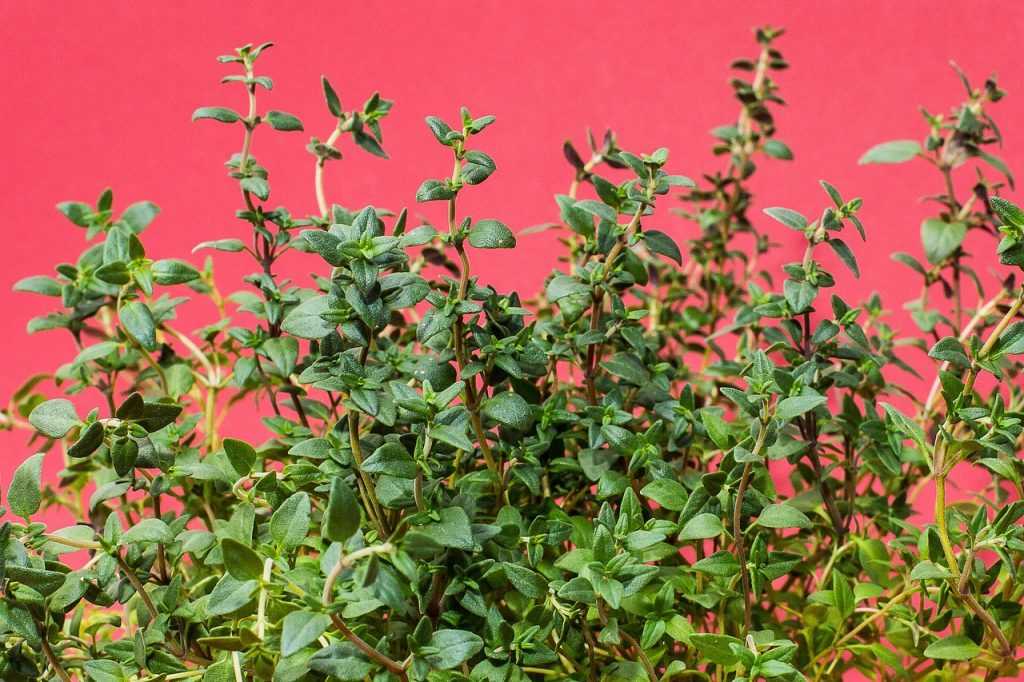
Herbs are defined as aromatic plants used for flavoring, garnishing, or medicinal purposes. They come in two main categories: culinary herbs and medicinal herbs. Culinary herbs, like basil, cilantro, and thyme, are integral to cooking and can elevate any dish. On the other hand, medicinal herbs, such as lavender and chamomile, provide therapeutic benefits, ranging from stress reduction to digestive aid.
Understanding the distinctions between these categories will help you choose which herbs to grow based on your culinary needs or health goals. For example, if you’re a passionate cook seeking to elevate homemade meals, cultivating a range of culinary herbs could significantly enhance your kitchen experience.
Selecting the Right Herbs: A Personal Connection
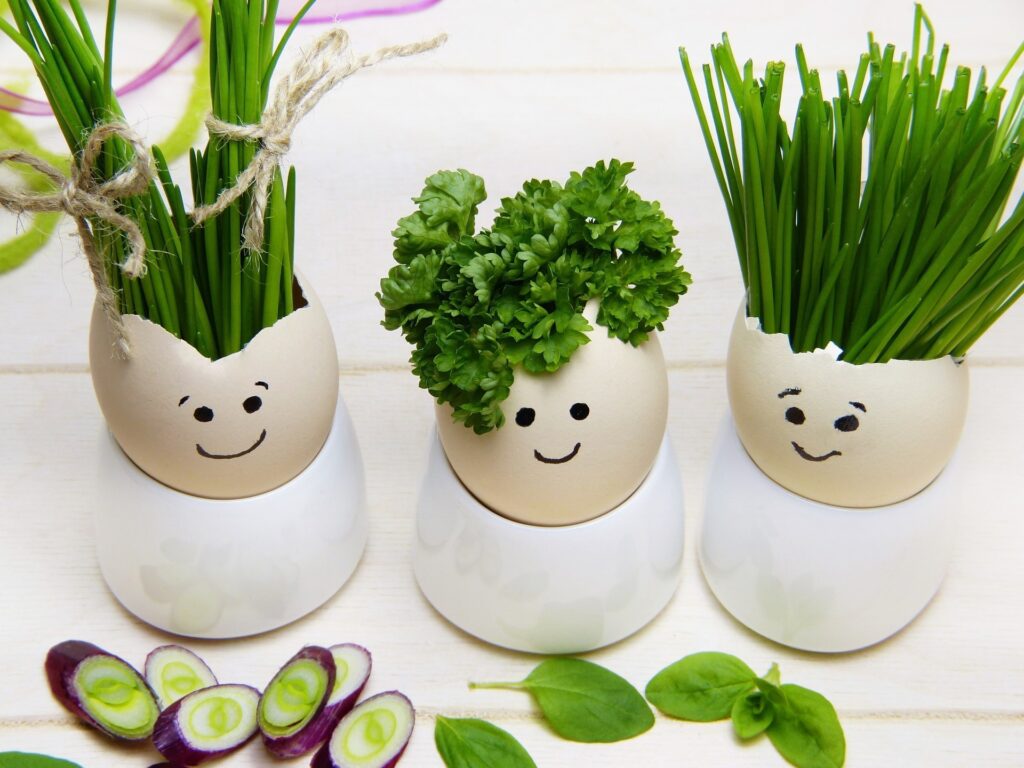
Choosing the right herbs to grow can sometimes feel overwhelming due to the plethora of options available. When making your selection, consider your culinary preferences, the types of dishes you frequently prepare, and even regional climatic conditions.
Imagine walking into your kitchen, where you can instantly grab a handful of fresh thyme for your roasted vegetables or some mint for a chilled summer cocktail. If you enjoy Mediterranean dishes, consider growing oregano, basil, and parsley. If your palette leans toward Asian cuisine, cilantro and lemongrass might be your go-to herbs.
It’s also wise to think about how often you’ll use particular herbs in your cooking. For instance, basil and parsley tend to be used more frequently than others, making them rewarding choices to cultivate. Similarly, if you find comfort in tea, consider growing chamomile or mint for a soothing nighttime sip.
The Best Growing Conditions: Setting the Stage for Success
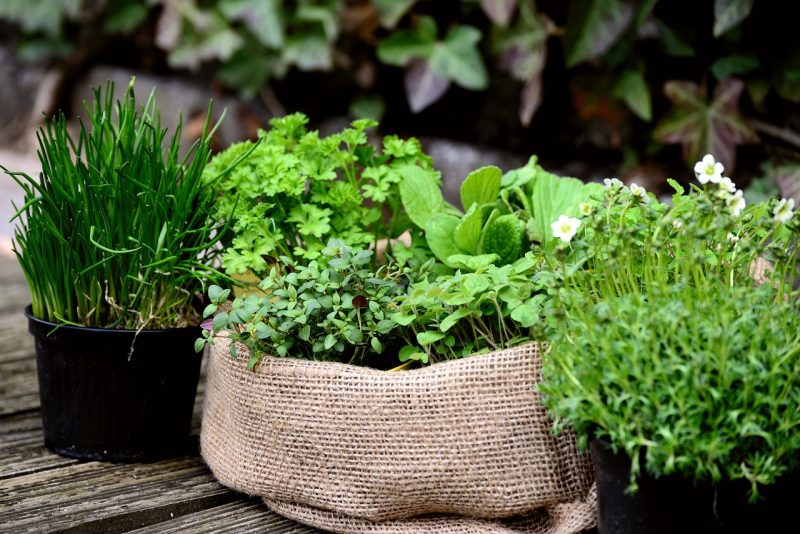
When it comes to growing herbs, the environment plays a crucial role in their thriving success. Most culinary herbs thrive in sunny spots that receive at least 6-8 hours of sunlight per day. Therefore, consider the geography of your garden or indoor growing space. South-facing windows are ideal for indoor herbs, ensuring ample bright light.
Additionally, good drainage is critical for root health. Excess water can lead to root rot, a common issue in herb gardening. Opt for pots or raised beds with drainage holes. If you’re planting in the ground, amend heavy soils with compost or coir to improve drainage and nutrient retention.
Organic matter is your friend when it comes to creating a thriving ecosystem for herbs. Healthy soil containing organic materials not only nourishes plants but also promotes beneficial microbial activity, contributing to stronger root systems and enhanced growth.
Planting Your Herbs: A Hands-On Approach
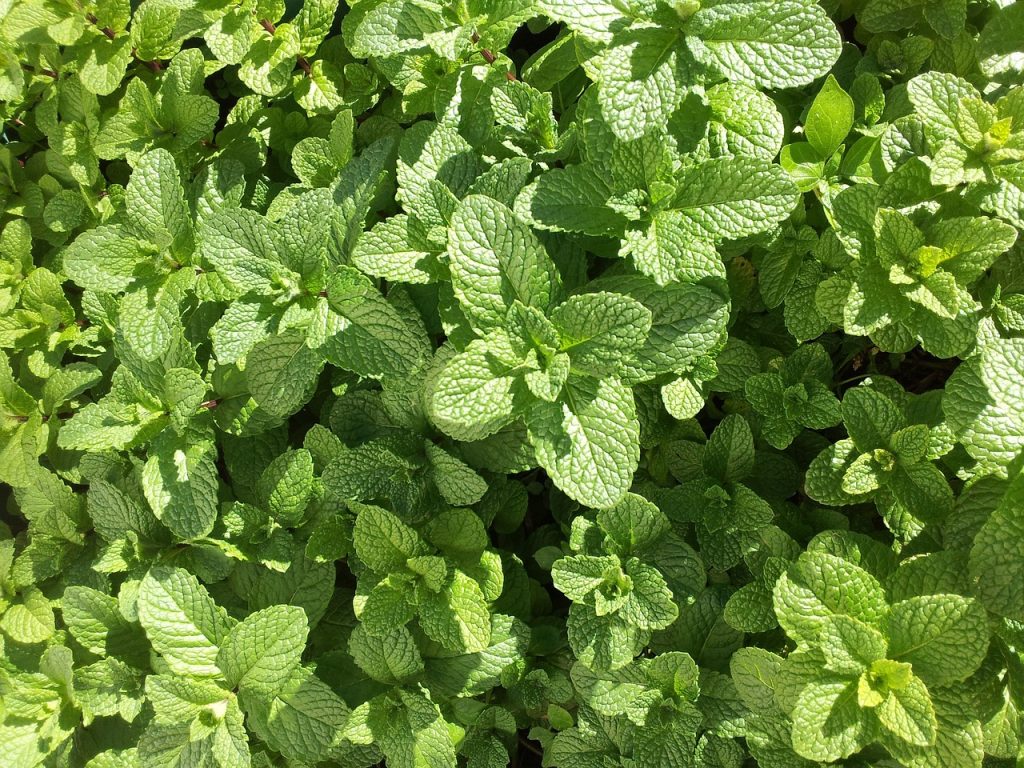
Once you’ve chosen your herbs and prepared your growing area, it’s time to plant. Herbs can be grown from seeds, seedlings, or cuttings, each method having its unique advantages:
Seeds: Starting from seeds can be a cost-effective and fulfilling approach. However, it requires patience and attention to germination conditions such as temperature and moisture. Begin seeds indoors approximately six weeks before the last frost date and transplant them outdoors when conditions are favorable.
Seedlings: Purchasing established seedlings from local nurseries can save time and effort. This is particularly helpful for novice gardeners who may not have the patience for seed germination. Always ensure selected seedlings appear healthy, vibrant, and free from pests.
Cuttings: If you have a friend or neighbor with healthy herbs, request cuttings. Many herbs like basil or mint can easily root in water and can be transferred to soil after developing a robust root system.
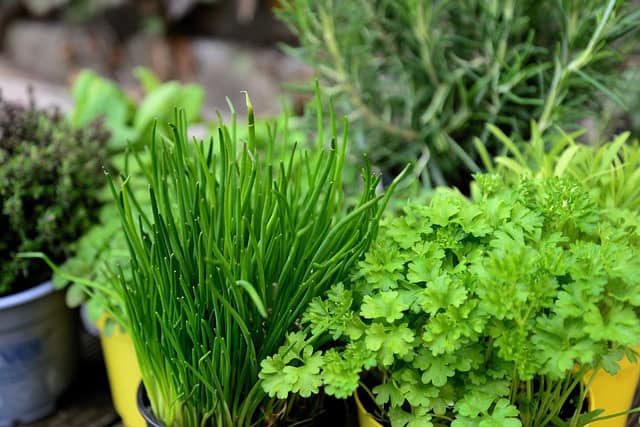
When planting, be mindful of spacing. Different herbs have varying needs for airflow and space to grow. A good rule of thumb is to space smaller herbs (like chives) 6 inches apart and larger ones (like basil) about 12 inches apart.
Watering and Nutrient Management: The Right Balance
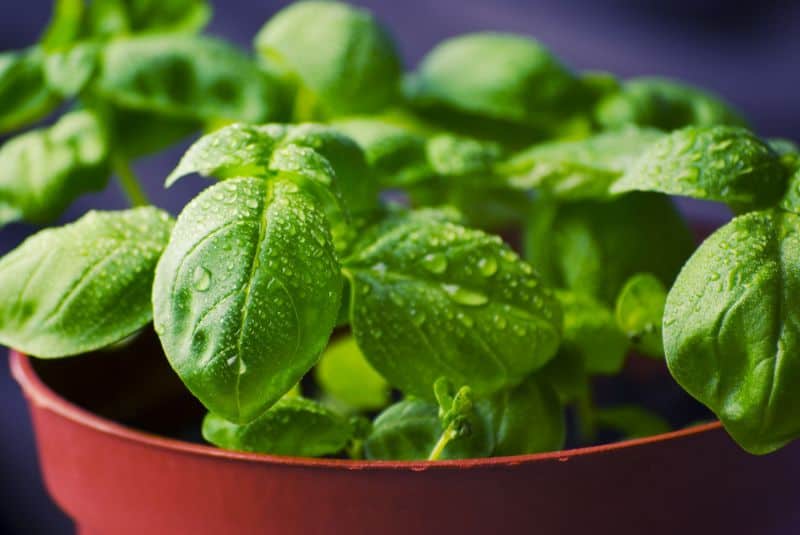
Watering can be one of the trickiest aspects of herb gardening, especially for those new to horticulture. Herbs generally prefer consistent moisture but are susceptible to overwatering. A practical approach is to water deeply but less frequently, encouraging roots to grow deep into the soil.
Utilizing mulch can be beneficial for maintaining soil moisture and temperature control. Organic materials such as dried grass clippings, straw, or wood chips can help retain moisture and suppress weeds, giving your herbs the best chance to thrive.
Fertilization should also be approached thoughtfully; herbs often do better with less fertilizer than you might expect. Opt for organic fertilizers or compost to provide a slow-release nutrient source. A light feeding of diluted liquid fertilizer every month during the growing season can support vigorous growth without overwhelming your herbs.
Pest and Disease Management: Navigating Challenges
Just as your herbs begin to flourish, they may also attract pests or fall victim to diseases. Common pests like aphids, spider mites, and whiteflies can wreak havoc on your plants, but many natural solutions exist to combat these issues.
Neem oil is an organic pesticide that can disrupt pest life cycles without harming beneficial insects. Regularly inspecting your plants for early signs of infestation will enable you to tackle any issues before they escalate. Additionally, introducing beneficial insects such as ladybugs can help maintain a natural balance in the garden.
Fungal diseases can be mitigated by ensuring appropriate spacing between herbs and avoiding oversaturated soil. Be sure to water at the base of plants rather than from overhead to minimize moisture on leaves, which can encourage fungal growth. If you do notice signs of disease, promptly remove affected leaves to prevent spreading.
Harvesting: The Joy of Your Labor
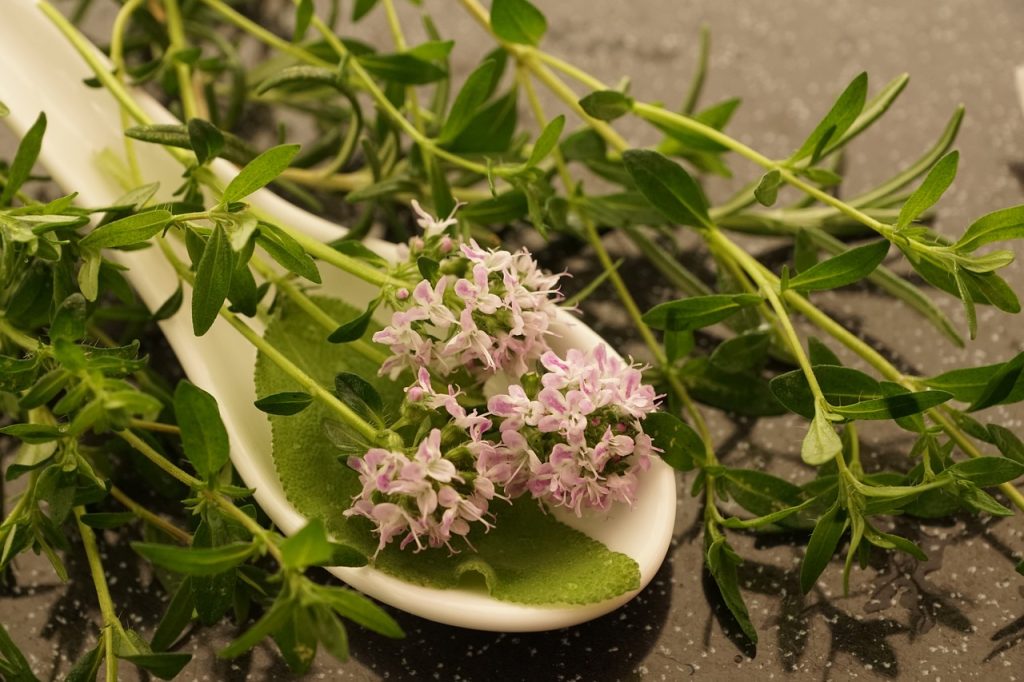
One of the most exhilarating moments in herb gardening is the first harvest. Timing your harvest is essential; picking herbs early in the morning when their essential oils are most concentrated often yields the most flavorful results. Depending on the herb, you can regularly snip away leaves or stem sections, encouraging further growth.
For leafy herbs, harvesting can be done selectively, allowing the plant to continuously provide fresh leaves. However, when it comes to herbs like mint or basil, taking a vigorous cutback can promote bushier growth. Just be sure to leave enough foliage so the plant can sustain itself.
It’s crucial to use clean, sharp scissors or pruning shears to avoid damaging the plant. Cutting above a node (the point on the stem where leaves are attached) can also promote new growth.
Preserving Your Harvest: Extending the Flavor

Once you’ve harvested your herbs, finding ways to preserve them can allow you to enjoy their flavors long after the growing season has ended. Here are some effective methods:
Drying: One of the simplest ways to preserve herbs is by hanging them to dry. Gather stems in small bundles and hang them upside down in a dark, dry, and well-ventilated space. Once fully dried, store herbs in airtight containers away from light and heat.
Freezing: Freezing is another exceptional option. Chop fresh herbs and mix them with oil or water in ice cube trays. Once frozen, transfer the cubes to resealable bags or containers. This method not only preserves the flavors but also makes for convenient, portion-sized uses in cooking.
Infusing Oils or Vinegars: Infusing herbs into oils or vinegars can create flavorful additions to your kitchen. Olive oil infused with garlic and rosemary, for example, can elevate any dish. Simply fill a jar with herbs, pour in your chosen oil or vinegar, and let it steep for a week or two before using.
Making Pesto or Herb Pastes: Another delicious option is to create herb pastes or pestos, which can be frozen in small portions. Blending fresh herbs with nuts, cheese, and olive oil creates a vibrant, flavorful addition to pasta, sandwiches, or dressings.
The Benefits of Growing Herbs: A Holistic Perspective
The benefits of growing herbs extend beyond merely enhancing your culinary repertoire or saving money on store-bought options. Engaging in gardening fosters a deeper connection with nature, a concept increasingly relevant in our fast-paced, technology-driven world.
Studies have shown that spending time in green spaces can reduce stress and anxiety levels. The act of nurturing plants can also be meditative, allowing for moments of appreciation and tranquility amidst the hustle of daily life.
Additionally, growing herbs encourages a sustainable lifestyle. By cultivating your own herbs, you reduce reliance on grocery store produce and packaging. You also have the power to grow organically, avoiding harmful pesticides and ensuring a fresher, more flavorful product.
Creating an Indoor Herb Garden: Year-Round Flavor
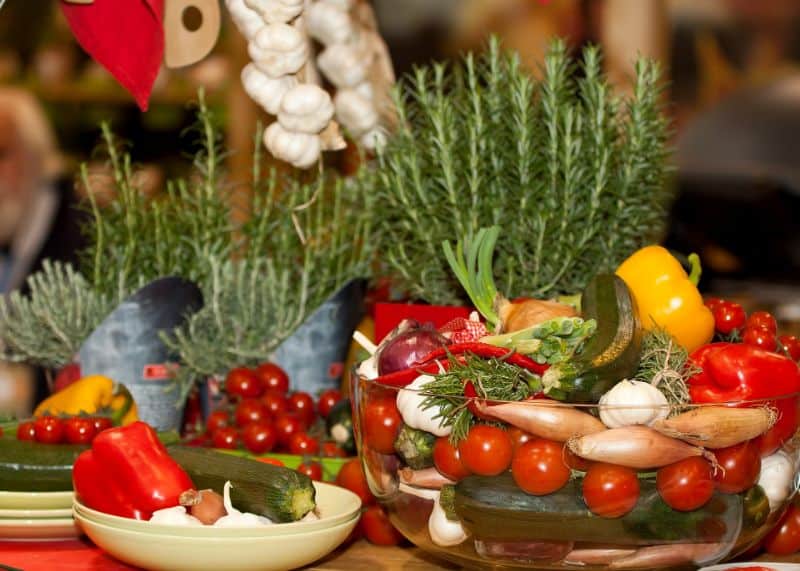
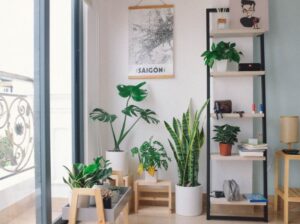
If outdoor gardening isn’t feasible due to climate or space constraints, consider creating an indoor herb garden. Herbs such as basil, thyme, and chives thrive indoors when provided with adequate light and care.
Utilize high-quality potting soil in pots with proper drainage. Place the pots in areas with bright light—if natural light is limited, you may also incorporate grow lights. Maintaining a consistent watering schedule and providing adequate humidity through a pebble tray filled with water can further enhance indoor growth.
An exciting aspect of indoor gardening is that it allows for year-round cultivation. Imagine having fresh herbs at your fingertips no matter the season, nourishing your cooking and aesthetic senses alike.
Conclusion: Nurturing Your Passion for Herbs
Growing herbs is a rich and fulfilling pursuit that marries practicality with creativity and connection to nature. As you embark on your herbal journey, each stage—whether selecting the right herbs, nurturing their growth, or savoring their flavors—unlocks new experiences and insights.