
Understanding how to water poinsettias is crucial to maintaining their brilliance beyond the holiday season. This guide is designed to help you develop the skills necessary for proper care, ensuring your poinsettia remains as vibrant as December’s festivities.
Understanding Poinsettia Needs

Before diving into the watering specifics, it’s essential to understand what pincetias require to thrive. Poinsettias are tropical plants that prefer warm, humid conditions and well-drained soil. They do well in temperatures ranging from 60°F to 70°F (15°C to 21°C), making indoor environments during winter ideal for their growth.
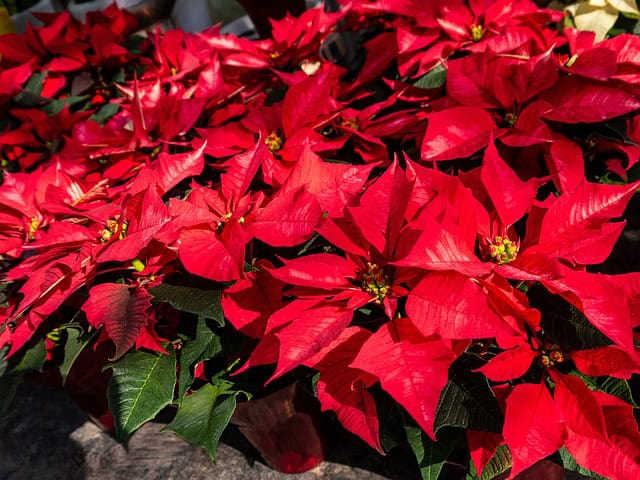
The unique structure of their leaves and flowers, technically known as bracts, means they require adequate light but not direct sunlight. While they can absorb some sunlight, too much can scorch the leaves. Moreover, these plants are sensitive to both underwatering and overwatering, leading to either root rot or desiccation.
Having this foundational knowledge sets the stage for understanding how to properly water poinsettias, which involves a blend of observation, timing, and technique.
Signs of Underwatering and Overwatering

To develop an effective watering strategy, it’s crucial to recognize the signs of both underwatering and overwatering.
Signs of underwatering include:
Dry Soil: If the top inch of soil feels dry and crumbly, it’s a signal the plant needs water.
Leaf Droop: If the leaves appear wilted or droopy, it might be thirsty.
Crinkled Leaves: Poinsettias may also show crinkling or curling leaves, indicating water stress.
On the other hand, overwatering symptoms include:
Yellowing Leaves: Leaves that start to yellow and drop off are often a sign of too much water.
Mushy Stems: If the plant looks unhealthy and the stems feel soft or mushy, it may be suffering from root rot.
Foul Odor: A rot smell can indicate decaying roots due to over-saturation.
Developing a keen eye for these signs will empower you to tailor your watering schedule in a way that keeps your poinsettia happy and thriving.
Ideal Watering Practices

To ensure you’re watering your poinsettia correctly, you can use several practical techniques. Here’s a comprehensive look into ideal watering practices.
Assessing Soil Moisture
One of the most effective ways to determine when to water is to regularly check the moisture level of the soil. Stick your finger about an inch deep into the soil. If it feels dry at that depth, it’s time to water.
Some enthusiasts invest in moisture meters, which provide a more reliable measure of soil moisture. These instruments can take the guesswork out of the equation, ensuring your plant receives just the right amount of water.
Timing Your Watering
Poinsettias benefit from a consistent watering schedule that takes into account their environment. Depending on indoor temperature and humidity levels, watering should usually be done every 7 to 10 days. However, this can vary greatly based on specific conditions.
A good rule of thumb is to observe your plant closely – if the soil always feels consistently dry at the inch mark, consider watering more frequently. Climate plays a significant role; for instance, in dry winter months, your plant may require more frequent watering than during the humid summer.
Watering Technique
When it comes to the actual process of watering, there are several elements to keep in mind:
Water Quality: Use room-temperature water. Cold water can shock the roots, while hot water may harm them.
How Much Water: Water until you see it beginning to drain out from the pot’s drainage holes. This indicates that the entire root ball is adequately hydrated.
Avoiding Water in the Leaves: Ensure that the water does not pool on the leaves, as this can lead to fungal infections. Watering directly into the soil is the best approach.
Drainage: Always ensure that your poinsettia pot has adequate drainage holes. Without proper drainage, the water will accumulate, leading to root rot. If you notice water collecting in the saucer below, empty it promptly.
Seasonal Considerations for Watering

Poinsettias also have distinct seasonal needs. During the painful winter season, the dry indoor air can lead to more consistent moisture levels being necessary. Conversely, during the spring and summer months, when growth typically slows, your plant may require less water.
You may find that water needs increase dramatically in winter months due to heating systems causing drier indoor air. Conversely, when spring arrives and temperatures begin to warm, monitor how much water your plant consumes to adjust accordingly.
Fertilizing While Watering

A critical aspect often overlooked when discussing how to water poinsettias is the need for fertilizers. While watering, you can also enhance your plant’s growth by incorporating the right fertilizers into your watering routine.
During the blooming season (generally through winter into early spring), a balanced, water-soluble fertilizer can provide essential nutrients. Look for fertilizers with an NPK ratio of approximately 20-20-20, and dilute it to half strength to prevent fertilizer burn. Applying this mixture every month can support vibrant foliage and prolonged blooming periods.
In spring, as the plant enters its rest period, consider cutting back on fertilizing. This practice allows the plant to conserve resources and prepare for its next bloom cycle.
Repotting and Its Role in Watering
Repotting poinsettias can significantly influence how you water them. If your plant has outgrown its pot, you may notice that the soil dries out more quickly. A general guideline is to repot every 2 to 3 years, preferably in spring.
During repotting, choose a well-draining potting mix that includes perlite or vermiculite. This ensures that moisture is retained while providing enough drainage to prevent root rot. After repotting, it’s advisable to hold off on watering for a week, allowing the plant to adjust to its new environment. Post this period, you can resume a normal watering routine based on the plant’s moisture needs.
Troubleshooting Common Watering Problems

Even with the best watering practices, issues can still arise. Here’s how you can troubleshoot common problems associated with watering poinsettias:
Yellow Leaves
If you notice yellow leaves, the cause might be overwatering, especially if the soil feels moist. To remedy this, allow the soil to dry out before watering again. If root rot is suspected, you may need to repot the plant after trimming away the rotted roots.
Wilting Leaves
Wilting leaves usually indicate underwatering. Increase the frequency of watering and ensure the pot has good drainage. However, if the plant is consistently wilting despite adequate watering, it could be that the roots are damaged or rotting, requiring further investigation.
Special Considerations for Indoor vs. Outdoor Care
If you decide to move your poinsettias outdoors for the summer, watch their watering closely. Outdoor conditions can dramatically speed up the drying of soil, especially in full sun. Be prepared to adjust your watering routine to match their new environment.
Furthermore, be cautious during drastic temperature swings. Poinsettias do not thrive in cold drafts, so avoid indoor-outdoor transfers on chilly days. Adhering to stable care conditions will help your plant adjust more easily.
Poinsettias After the Holidays
Many wonder how to care for their poinsettia once the holiday season ends. While many treat poinsettias as disposable after the festive period, they can actually be kept and cared for year-round. The secret is to find the right balance for watering and sunlight.
Post-holidays, prune back the plant to about 4-6 inches and place it in a bright spot away from direct sunlight. Adjust your watering schedule to reflect the seasonal changes, checking soil moisture regularly.
As spring approaches, begin fertilizing and expanding watering frequency to support healthy growth. If planned correctly, your poinsettia can bloom again for the next holiday season, providing a delightful reminder of festive joy.