
In this guide, we’ll dig into the intricacies of pruning blackberries, examining why it matters, when to do it, how to ensure you’re using the right techniques, and how to care for your blackberries year-round. By the end, you’ll feel empowered to take your blackberry care to the next level.
Understanding Blackberry Growth
Before we get into the how-to of pruning, it’s crucial to grasp the biology of blackberries. These plants grow in a unique way that affects how and when they should be pruned.
Types of Blackberries
Blackberries can be categorized into two main types: erect and trailing. Erect blackberries grow upright with stiff canes and generally require less support than their trailing counterparts, which are long and need trellising to stay off the ground. Each type has distinct growing habits that influence pruning techniques.
Erect Blackberries
These plants can reach heights of 4 to 7 feet. The canes are generally sturdier, resulting in a more manageable bush shape. Pruning involves focusing on the growth of new canes and managing the center of the plant to ensure good air circulation.
Trailing Blackberries
Characterized by their sprawling habits, trailing blackberries usually grow to about 8 feet or more and require a trellis for support. The pruning process here emphasizes setting up a framework that supports new growth while allowing for adequate light penetration.
The Growth Cycle
Blackberries typically have a two-year growth cycle, called biennial growth. In the first year, canes grow vegetatively, and in the second year, they produce fruit before dying off. This cycle shapes how you approach your pruning tasks.
Year One: The Growth Stage
During the first year, your focus should be on cultivating healthy canes. Ensure proper spacing and support. Understand that while you might be tempted to prune earlier in this stage, it’s primarily a growth year.
Year Two: The Fruit-Bearing Stage
In the second year, your canes will flower and produce berries. After harvesting, you must prune to encourage new cane growth for the following season. This stage is where pruning plays a critical role in the health and productivity of your blackberry plants.
The Importance of Pruning
Pruning blackberries is not merely about aesthetics; it’s vital for several reasons:
Enhanced Airflow and Light Penetration
Overcrowded canes can lead to stagnant air and limited sunlight, creating an ideal environment for disease and pests. Pruning allows for better airflow, reducing the risk of fungal diseases and enabling the plant to photosynthesize efficiently.
Increased Fruit Production
By selectively removing old, weak, or crowded canes, you encourage more vigorous growth from the younger canes, leading to a higher yield of larger, tastier berries.
Shape and Size Management
Pruning helps maintain the desired size of your blackberry plants, preventing them from becoming unruly. This makes it easier to harvest fruit and manage pest concerns.
Disease Control
Removing dead or diseased canes can prevent the spread of illness through your plants and other garden areas. It’s much simpler to manage a healthy plant than to attempt to salvage a diseased one.
When to Prune Blackberries
Timing is everything in gardening. Pruning at the wrong time can hurt your plants instead of helping them. Blackberry pruning can generally be divided into two main periods: summer pruning and winter pruning.
Winter Pruning
Winter is the ideal time to prune blackberries, especially after the last harvest and before new growth begins. This typically occurs between late dormant season and early spring.
Signs It’s Time to Prune
Leaves have fallen off, and canes appear dry and dormant.
Canes are brittle when lightly bent.
You notice overcrowding or damage from frost.
Steps for Winter Pruning
Remove Deadwood: Start by removing any canes that are brown, shriveled, or have a hollow sound when tapped.
Cut Back Fragments: Trim back canes that have flowered and produced fruit during the summer. Cut these back to the ground.
Thinning Out: Thin out the plant to a maximum of four to six of the healthiest new canes, spaced evenly apart.
Shape the Plant: Aim to create an open center to allow light and air to circulate freely.
Summer Pruning
Summer pruning is less commonly practiced but can be incredibly beneficial, particularly for trailing types. This can help manage plant growth and improve fruit quality.
When to Summer Prune
After the last harvest, usually in late summer.
Steps for Summer Pruning
Remove Tips: Pinch or cut off the tips of the newer canes once they reach about 36 inches. This stimulates lateral branching, leading to more fruiting sites.
Reinforce Support: If your plants are trailing, tie canes to the trellis as you prune, promoting a tidy and organized structure.
Monitor Growth: Keep an eye on the growth of any shoots. Control excessive foliage and thin out to maintain airflow.
Tools You’ll Need for Pruning
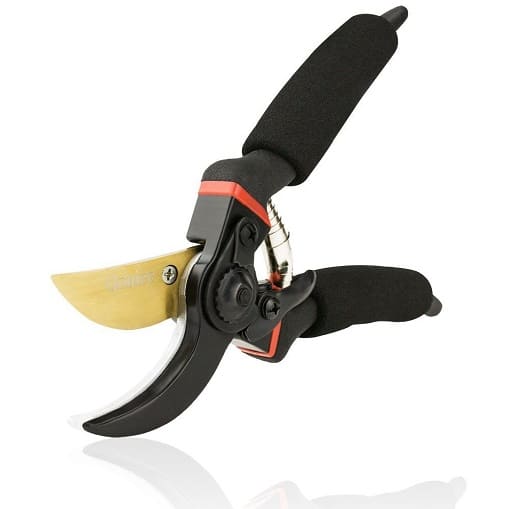
Having the right tools will make pruning more manageable and enjoyable. Here’s a list of essential items:
Hand Pruners
Choose sharp, robust hand pruners for cutting smaller canes. Ensure they’re clean and well-maintained to prevent the spread of disease.
Loppers
For thicker canes, loppers will provide the extra leverage needed to cut through sturdier wood.
Gloves
A good pair of gardening gloves can protect your hands from thorns and potential rashes.
Trowel and Mulch
While not directly related to pruning, having a trowel handy will help you cultivate the soil during your pruning sessions. Mulching post-prune will retain moisture and suppress weeds.
Mastering Pruning Techniques

Now that we understand the importance of pruning and how to undertake it at the right times, we need to delve deeper into specific techniques that will enhance our results.
Identifying Canes to Prune
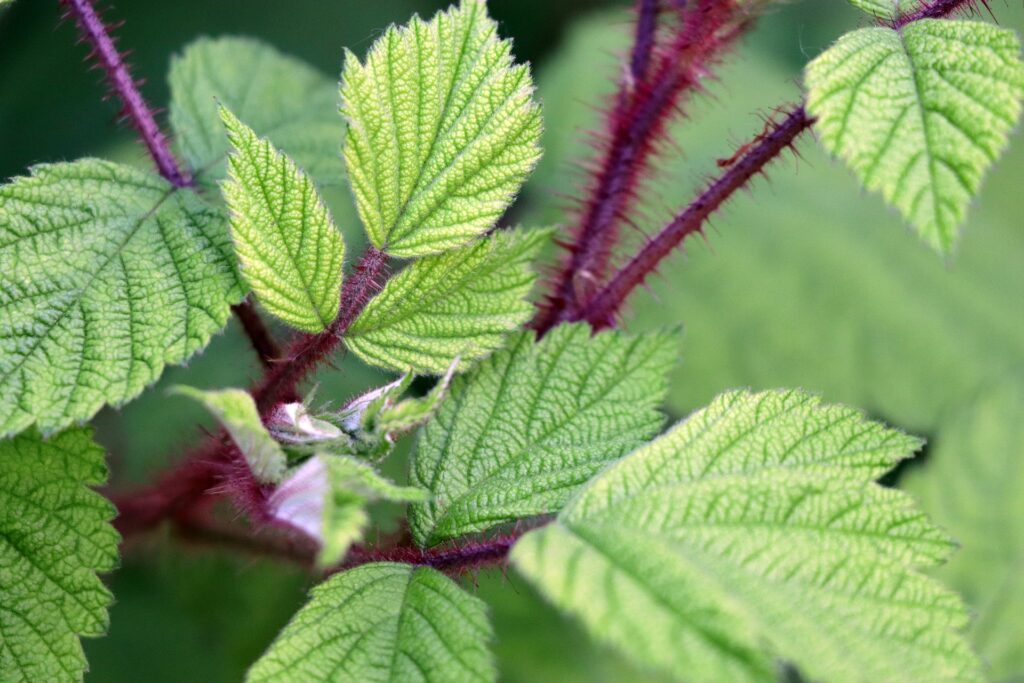
Learning how to distinguish between old and new canes is vital. New canes are typically lighter brown, while older canes turn darker and become woody. When pruning, focus your energy on removing the older wood.
Making the Right Cuts
Correct cutting techniques are essential for minimizing damage to the plant:
Angle Your Cuts: Always cut at a 45-degree angle about ¼ inch above a bud. This helps direct water away from the bud, preventing rot.
Avoid Tearing: A clean cut is crucial; tearing can invite disease.
Shape the Bush: Aim for a rounded shape to allow access for sunlight while minimizing center density.
Training Canes
Training is a crucial aspect of managing blackberry growth. Use a trellis system for trailing varieties to keep canes off the ground. Secure canes with soft ties or horticultural tape to prevent damage while supporting their growth.
Caring for Blackberries Post-Pruning
Once pruning is complete, the journey doesn’t end; in fact, it’s just the beginning of a new phase in the life of your blackberry bushes.
Watering Needs
Water thoroughly after pruning to help your plants recover from the stress of cutting. Ensure consistent moisture, especially during the hot months leading to fruiting.
Fertilization
Utilize a balanced fertilizer high in phosphorous a few weeks after pruning. This will nourish your young canes and support healthy growth.
Disease Monitoring
Stay vigilant for signs of disease following pruning. Look for wilting, discoloration, or unusual growth patterns, which may indicate an underlying issue.
Mulching
Adding a layer of mulch after pruning promotes moisture retention, suppresses weed growth, and improves soil fertility over time.
Troubleshooting Common Issues
Even with the best care and the right pruning techniques, blackberries can face challenges. Let’s explore some of the most common issues and their solutions.
Pests
Blackberries can attract aphids, spider mites, and fruit flies. Regular inspections can help you catch infestations early, and employing organic pest control solutions like neem oil can help protect your crops.
Diseases
Fungal diseases like powdery mildew and cane blight are common issues. Pruning out affected areas, ensuring good air circulation, and applying appropriate fungicides can mitigate their effects.
Poor Yield
If your plants produce fewer berries than expected, this might be due to old canes or overcrowding. Ensure proper winter pruning to promote healthy new canes, and maintain a balance in your plant’s density.
A Personal Touch: Stories from the Garden
There’s something uniquely rewarding about getting your hands dirty in the garden. I remember my first encounter with blackberry pruning; it was invigorating yet intimidating. Armed with my tools, I approached my thorny friends, apprehensive yet eager.
As I cut away the unfruitful canes, I found myself immersed in the meditative rhythm of the task. Each slice of the pruners felt like a step closer to unveiling the promise of juicy blackberries in summer. A few scrapes from the thorns etched on my arms served as a reminder of the wild nature of these plants. Through the process, I learned patience, resilience, and practicality—qualities we all need in life.
Encouraging young gardeners to find joy in caring for their blackberries has become a mission of mine. Watching new growers transform their understanding of pruning and harvesting gives me immense satisfaction, knowing I can share the love of gardening while helping them unlock the potential of their plants.
Conclusion
Pruning blackberries is more than just a chore; it’s a pathway into the heart of gardening and a way to forge a connection with nature. By understanding the growth cycles, timing your efforts, utilizing the right tools, and applying proper techniques, you can foster thriving blackberry bushes that yield rich, succulent fruit year after year.