
This guide will dig into everything from choosing the right variety to harvesting your lemongrass, ensuring your green-thumb quest for this delightful plant is both fruitful and joyous.
Understanding Lemongrass
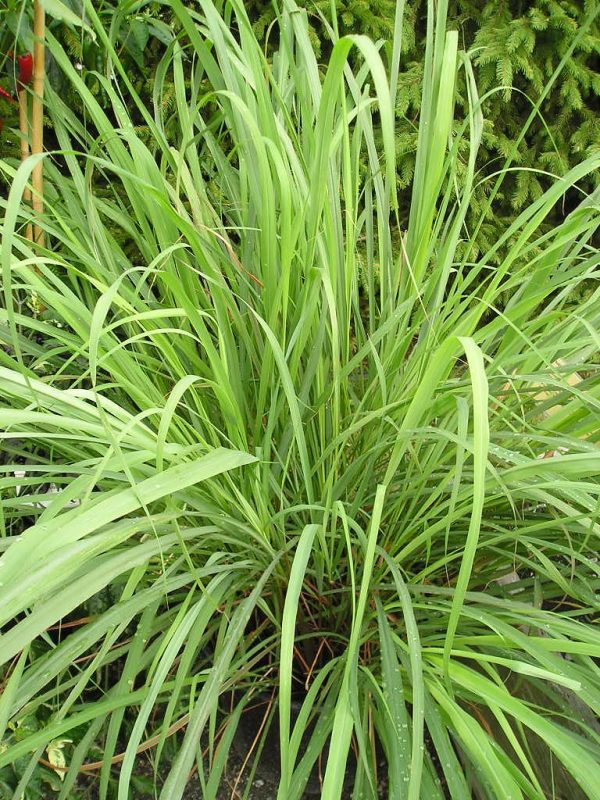
To fully appreciate how to grow lemongrass, it’s essential first to understand its characteristics. Native to tropical regions of Asia, lemongrass thrives in warm climates, making it a popular choice in many culinary traditions, from Thai to Indian cuisine. The stalks can grow up to three feet tall, with long, narrow leaves that exude a fresh lemon scent when crushed. Notably, lemongrass is not only beloved for its flavor; it also boasts various health benefits, including anti-inflammatory properties and digestive support.
Lemongrass is generally grown from stalks rather than seeds. This unique characteristic makes it accessible even to novice gardeners. By using stalks purchased from a grocery store or nursery, anyone can cultivate this aromatic herb with relative ease.
Selecting the Right Variety
While most people are familiar with the common lemongrass variety, selecting the right type for your climate and culinary needs can enhance your gardening experience. Common Lemongrass (Cymbopogon citratus) is the most widespread, known for its robust flavor and versatility. However, there are several other varieties, such as East Indian Lemongrass, which is a bit sweeter and traditionally used in teas and soups.
Consider your purpose when choosing a variety. If you’re growing lemongrass primarily for cooking, the common variety is an excellent choice. For tea enthusiasts, experimenting with East Indian lemongrass can broaden your flavor profile.
Preparing for Planting

Before diving into the planting process, there are several key factors to consider that can significantly impact your lemongrass growth.
Choosing the Right Location
Lemongrass loves sunlight. When identifying where to plant your stalks, look for a bright, sunny spot that receives at least six hours of direct sunlight each day. A well-draining area is also crucial, as lemongrass roots can become waterlogged in heavy, compacted soils.
Soil Preparation
Soil quality can make or break your gardening efforts. Lemongrass thrives in rich, loamy soil with a pH ranging from 6.0 to 7.0. To prepare your soil, consider mixing organic matter such as well-rotted manure or compost. This organic material not only improves soil structure but also provides essential nutrients that contribute to robust growth.
Choosing the Right Containers
If you’re opting to grow lemongrass in pots, select containers that are at least 12 inches deep and wide. This allows ample room for roots to spread out, promoting healthy growth. Always ensure the pots have drainage holes to prevent water from accumulating at the bottom.
Planting Lemongrass
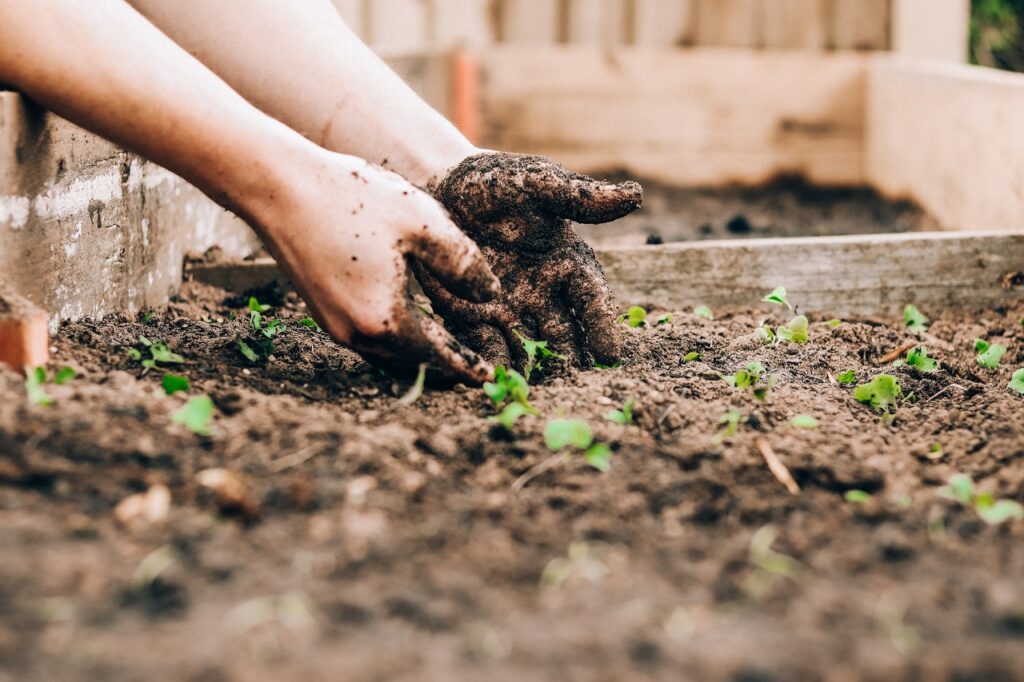
Planting lemongrass is straightforward, yet there are a few nuances that can enhance your success.
Propagating from Stalks
The most common method for growing lemongrass is by using stalks. You can either purchase fresh stalks from the grocery store or a nursery. Ensure they are firm, without signs of decay. If you opt for grocery store stalks, submerge them in water for about a week, allowing roots to grow before planting.
Planting in the Ground
For direct planting in the garden, dig holes about 6 inches deep, ensuring that each stalk has about 24 inches of space apart. Place the stalks in the holes with the root ends down, gently covering them with soil and watering them lightly. This promotes a speedy establishment of the plant.
Container Planting
When planting in containers, follow the same depth guidelines as in the ground. However, you may want to consider planting multiple stalks in a larger pot for a fuller look. After planting, give them a thorough watering to settle the soil around the roots.
Watering Practices
Lemongrass needs consistent moisture, especially during its initial growth phase. However, it’s crucial to find a balance, as overwatering can lead to root rot.
Watering Frequency
During the first few weeks, water your lemongrass stalks every other day, ensuring the soil remains moist but not soggy. As the plants establish themselves, you can reduce the frequency to about once a week, adjusting based on rainfall and temperature.
Best Watering Methods
Water at the base of the plant to avoid wetting the leaves. This method reduces the risk of fungal diseases and ensures that the roots receive the moisture they need. Consider a drip irrigation system if you live in a particularly hot or dry climate.
Fertilization and Nutrient Needs
Like all plants, lemongrass requires proper nutrients for optimal growth.
Types of Fertilizers
A balanced fertilizer, such as a 10-10-10 NPK (Nitrogen-Phosphorus-Potassium), is often recommended. You can apply it every six to eight weeks during the growing season. Organic options, including fish emulsion or seaweed extract, can also provide the necessary nutrition without chemicals.
Signs of Nutrient Deficiency
Observe your plant for signs indicating nutrient deficiency. Yellowing leaves can signify nitrogen deficiency, while stunted growth may indicate a lack of phosphorus. Adjust your fertilization practices accordingly for healthier plants.
Pest Management
As with any gardening venture, you may encounter pests. However, lemongrass is relatively resistant to many common pests.
Common Pests
The most significant threats to your lemongrass include aphids, spider mites, and thrips. You can often manage these pests through natural methods. For instance, washing the leaves with a gentle stream of water can remove aphids effectively.
Natural Pest Solutions
Consider introducing beneficial insects to your garden, such as ladybugs, which eat aphids. Alternatively, using neem oil, a natural pesticide, can deter many pests without harming your plants.
Dealing with Weeds
Weeds can easily compete with your lemongrass for vital nutrients and water.
Mulching Techniques
Applying a layer of mulch around your plants can help suppress weeds while retaining moisture. Organic mulches, such as straw or wood chips, not only smother weeds but also enrich the soil as they decompose.
Manual Weeding
For hands-on gardeners, regular hand-pulling of weeds is an effective method. Be cautious not to disturb the roots of your lemongrass while doing so.
Harvesting Lemongrass
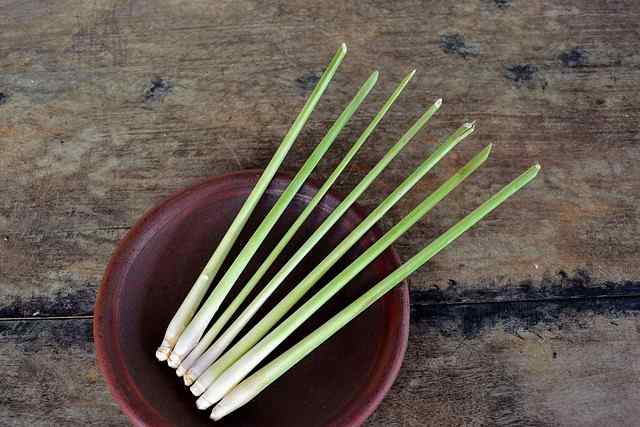
One of the most rewarding aspects of growing lemongrass is harvesting your crop. Knowing when and how to do this properly can enhance the flavor of your dishes.
When to Harvest
Lemongrass typically reaches maturity around 4-6 months after planting. You can begin to harvest once the stalks are at least one-quarter inch thick. Ideally, harvest in the morning, when the essential oils in the plant are most concentrated.
Harvesting Techniques
To harvest lemongrass, use a sharp knife to cut the stalks at ground level, leaving the roots intact to encourage regrowth. Be judicious, taking only what you need to avoid stressing the plant.
Storing Your Harvest
Fresh lemongrass can last up to two weeks in the refrigerator wrapped in a damp paper towel. For longer storage, you can freeze chopped lemongrass in ice cube trays with water, making it easy to add to soups and dishes as needed.
Culinary Uses of Lemongrass

Once you’ve successfully grown and harvested your lemongrass, it’s time to enjoy its diverse culinary applications.
Flavoring Soups and Curries
Lemongrass is a key ingredient in many Asian cuisines. It’s often used to flavor broths for soups such as Tom Yum or added to curries for a refreshing citrus note. Simply bruise the stalk with the back of a knife before adding it whole to cooking liquids, allowing the oils to infuse.
Beverage Infusions
In addition to its savory uses, lemongrass makes a delightful herbal tea. To brew, steep chopped stalks in boiling water, allowing the lemony flavor to shine. Enjoy it iced during the summer or hot with honey during chilly months.
Traditional Medicine
Beyond its culinary prowess, lemongrass is valued for its therapeutic benefits. An infusion of lemongrass can aid digestion, while its essential oil is often used in aromatherapy for relaxation.
Additional Uses of Lemongrass

While culinary applications are the most common, lemongrass serves other fascinating purposes.
Aromatherapy and Spiritual Practices
The scent of lemongrass is known for its uplifting properties, making it a popular choice in aromatherapy. Many people incorporate lemongrass essential oil into their wellness routines for its calming effects.
Household Use
Lemongrass can also deter pests around the home. Crushing leaves and placing them around windowsills may repel mosquitoes and other unwanted insects.
Troubleshooting Common Issues
Gardening can come with its own set of challenges. When growing lemongrass, you may encounter issues that require solutions.
Yellow Leaves
If the leaves of your lemongrass are turning yellow, this usually indicates a nitrogen deficiency. Increase your fertilizer application slightly, ensuring the plant receives enough nutrients.
Stunted Growth
A lack of sunlight could be the reason for slow growth. Ensure your lemongrass is receiving ample light, and, if necessary, relocate potted plants to a sunnier spot.
Seasonal Care Tips
In warmer climates, lemongrass can be a perennial, while in cooler areas, it is often treated as an annual.
Winter Care for Perennial Lemongrass
In colder climates, digging up lemongrass and potting it may be necessary to provide winter protection indoors. Keep the plant in a warm, sunny location, reducing watering until growth resumes in spring.
Preparing for the Growing Season
As spring approaches, prepare your soil by turning it over and enriching it with organic matter. Consider giving your lemongrass stalks a fresh start if they’ve grown too leggy or sparse.
Sharing Your Harvest
One of the most fulfilling aspects of gardening is sharing your bounty with friends and family. Host a culinary night featuring your homegrown lemongrass, or hand off a few stalks to a neighbor. This camaraderie strengthens community ties and allows others to experience the rewards of growing their own food.
Final Thoughts
Growing lemongrass can be a fulfilling and sensory-rich endeavor. From the fragrance that fills the garden to the fresh flavors it brings to dishes, this herb offers an abundance of rewards. Whether you’re a culinary novice or an experienced gardener, lemongrass can enhance your culinary experiences and enrich your garden.