
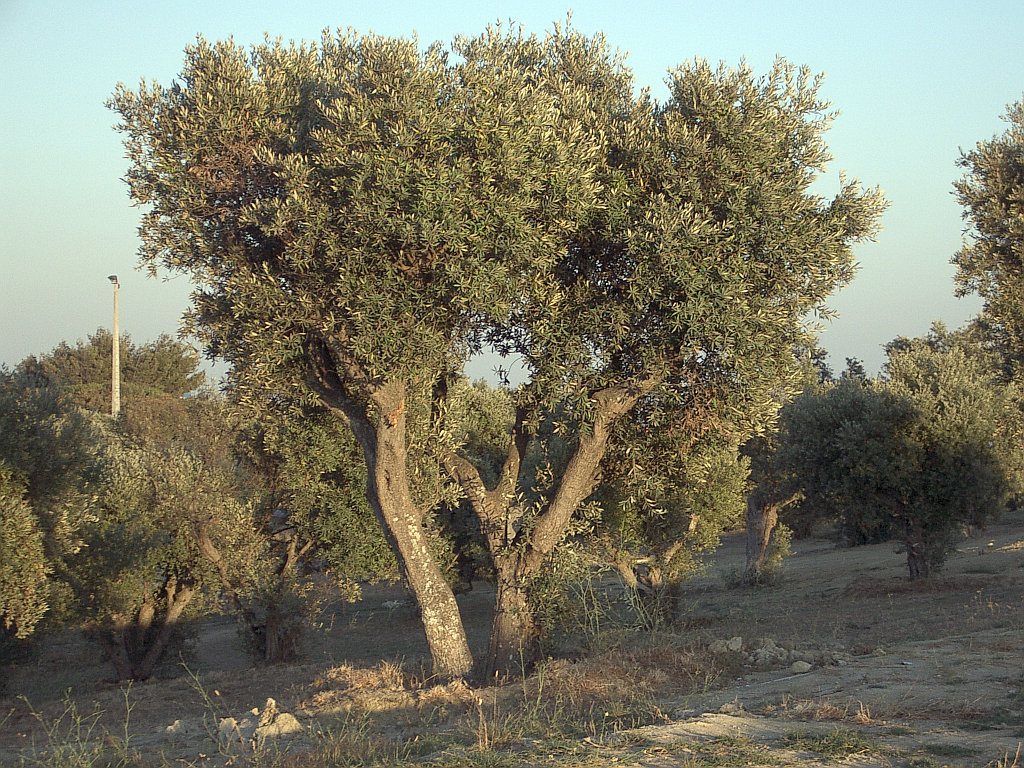
The allure of olive trees has transcended centuries, weaving through the fabric of many cultures, symbolizing peace and prosperity while providing tasty fruit and exquisite oil. Growing these resilient trees can be both a fulfilling endeavor and a rewarding experience.
From soil selection to harvesting techniques, this guide will delve deep into the nuances of olive cultivation, providing you with a comprehensive roadmap to successfully grow your own olive trees.
Understanding the Olive Tree: Origins and Varieties
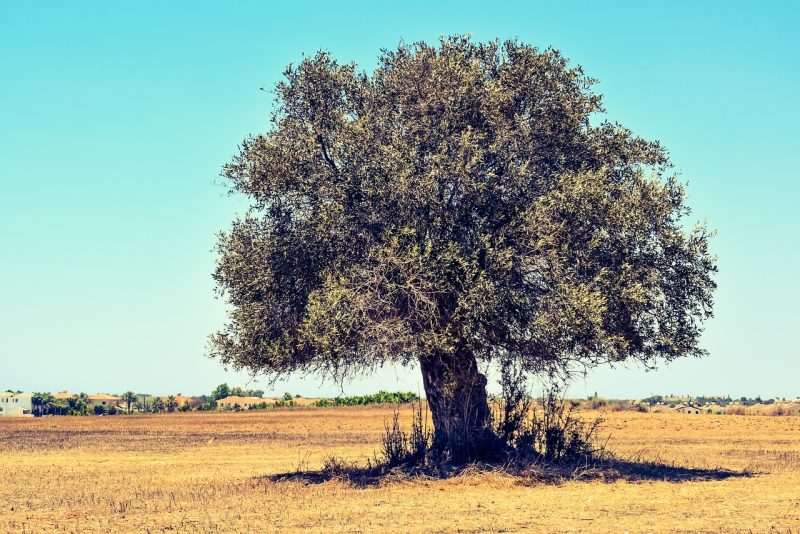
Originating in the Mediterranean region, the olive tree (Olea europaea) has adapted to diverse climates, thriving in rocky soils and dry landscapes. There are over a thousand varieties of olive trees, each with distinct characteristics in terms of flavor, size, and growth patterns. Some notable varieties include:
Arbequina: Small and flavorful, these olives are prized for oil.
Manzanilla: Known for their sweet, nutty flavor, they are perfect for table olives.
Kalamata: Renowned for their dark hue, these olives are rich in flavor, ideal for Mediterranean dishes.
Understanding these varieties is essential, as it dictates your growing conditions, desired end product, and the potential challenges you may face.
Setting the Stage: Ideal Growing Conditions

Olive trees are hardy, yet they have specific requirements that need to be met to flourish. When setting out to grow olive trees, consider the following factors:
Climate: Olive trees thrive in a warm, Mediterranean climate, ideally with long, hot summers and mild winters. They can tolerate drought conditions, making them well-suited for regions with limited rainfall.
Soil: Well-draining soil is paramount for healthy olive trees. A sandy loam rich in organic matter offers the perfect balance of drainage and nutrient retention. Heavy, clay-like soils can lead to root rot, a common problem among olive growers.
Sunlight: These trees require full sun exposure for at least six hours a day. The more sunlight they receive, the better the fruit yield.
Space: Consider the ultimate size of the tree when planting. Olive trees can grow expansive canopies, so adequate spacing ensures they don’t compete for nutrients and sunlight.
Planting Your Olive Trees: Step-by-Step Guide
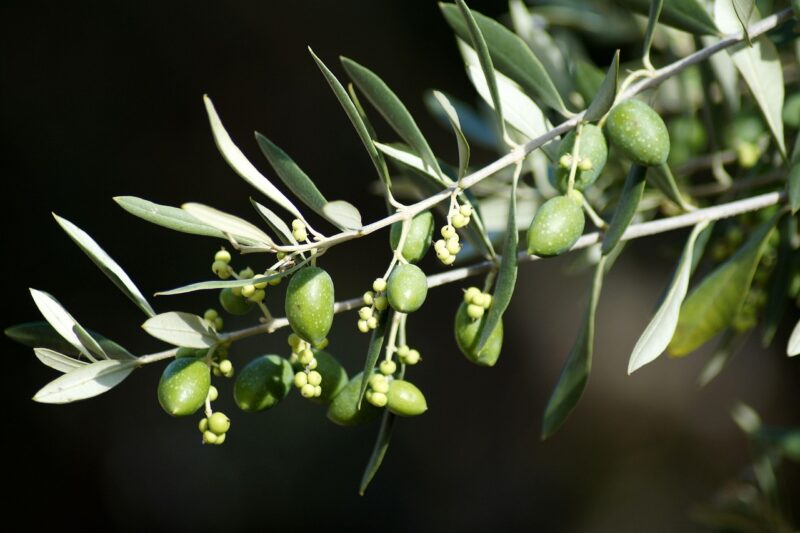
With a clear understanding of olive trees’ needs, it’s time to bring them to life in your garden. Here’s how to plant olive trees effectively:
Selecting the Site: Choose a location that adheres to the aforementioned conditions. Ideally, scout for a south- or west-facing slope for optimal sun exposure.
Preparing the Soil: Before planting, test your soil’s pH; olive trees prefer a slightly acidic to neutral pH (6-8). Amend the soil with organic compost or well-rotted manure to enrich it.
Choosing Your Tree: You can source olive trees from local nurseries or order from specialized growers. Decide whether you prefer young saplings or more mature trees that might yield quicker fruit.
Planting: Dig a hole twice as wide as the root ball and just deep enough to cover the roots without burying the trunk. Position the tree in the center, backfill with soil, and water thoroughly.
Post-Planting Care: Apply a layer of mulch around the base to conserve moisture and suppress weeds. Ensure your new trees are adequately watered, especially during their first growing season.
Watering and Fertilization Regimen
For many novice growers, watering olive trees can be a perplexing task. Established trees are drought-tolerant, yet young saplings require consistent moisture.
Watering: Initially, water deeply every week until the tree establishes a robust root system. Consider the climate and adjust your schedule; hot, dry summers may necessitate more frequent watering, whilst winter rains can reduce your need.
Fertilization: Olive trees typically thrive without excessive fertilization. In the spring, consider applying a balanced fertilizer to support growth. A mix specifically designed for fruit trees, low in nitrogen but rich in potassium and phosphorus, would be ideal. Over-fertilization can lead to excessive leaf growth but poor fruit production.
Pruning for Health and Productivity
Pruning is a critical aspect of olive tree care, promoting healthy growth and maximizing fruit yield.
Timing: The best time to prune is late winter or early spring, just before the growing season.
Techniques: Focus on shaping the tree while removing dead or diseased branches. Aim for an open center structure to allow light penetration and air circulation. Cut branches that cross or are too close together to prevent future tangling and disease.
Pruning not only maintains an aesthetic form but also encourages the production of branches that yield fruit, contributing to a bountiful harvest.
Pest and Disease Management
While olive trees are generally sturdy, they can attract a range of pests and diseases. Understanding these threats is essential.
Common Pests: Olive fruit flies and scale insects can wreak havoc on your harvest. Regularly inspect your trees for signs of infestation. Natural remedies include insecticidal soaps and neem oil, effective against many pests.
Diseases: Fungal diseases like Olive Peacock Spot can threaten leaf health. To combat this, practice proper watering techniques—avoid wetting leaves during irrigation and ensure good air circulation through strategic pruning.
Investing time in vigilance and natural treatments will ultimately reduce chemical use, aligning your practice with sustainable gardening principles.
Harvesting Your Olives: Timing and Techniques
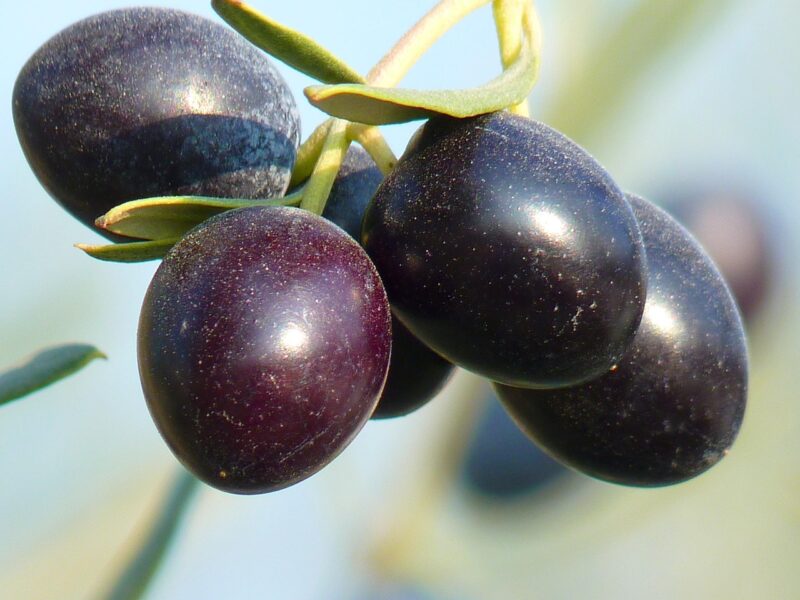
After a few years of care, you might finally see the fruits of your labor—or rather, the olives! Understanding the right time to harvest and the methods to do so is crucial.
Timing: Olives typically mature in the late summer through early fall, but the specific time can vary based on the variety. Pick olives when they have turned from green to a deep purple or black, indicating optimal ripeness.
Methods: Hand-picking is the gentlest method, ideal for smaller orchards. However, for larger harvests, consider using mechanical shakers or rakes. Ensure you catch the olives in tarps or nets to minimize damage.
Once harvested, olives are bitter and usually require curing, a process that enhances their flavor and makes them palatable.
The Curing Process: From Bitter to Flavorful
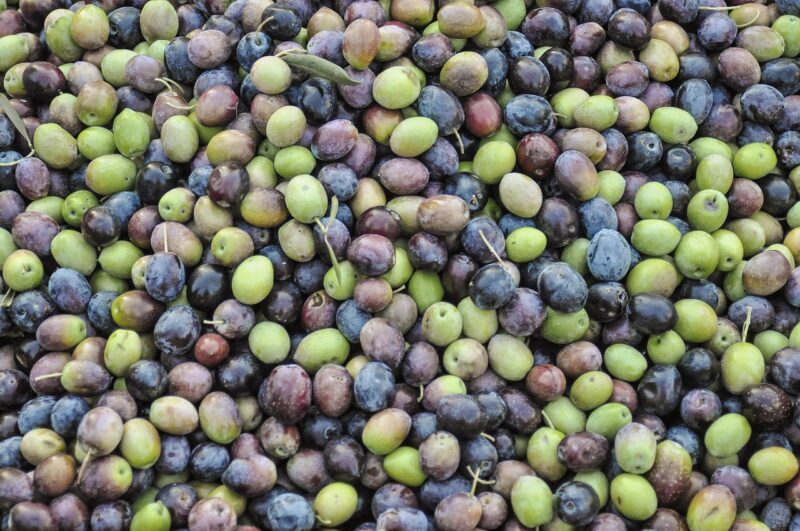
Curing olives is a transformative process that allows you to enjoy the fruits of your labor. Though traditionally labor-intensive, modern methods have made the process more accessible.
Water Curing: This straightforward method involves soaking olives in water for several weeks, replacing the water daily until bitterness diminishes.
Brine Curing: In this method, olives are submerged in a saltwater brine, which enhances flavor and extends shelf life. Depending on your preferred taste, this may take anywhere from a few weeks to several months.
Lye Curing: A quicker but more technical process involving lye (sodium hydroxide) to remove bitterness rapidly. This method requires precision and caution, but it also results in olives that are ready to eat in a matter of hours.
Extracting Olive Oil: A Closer Look
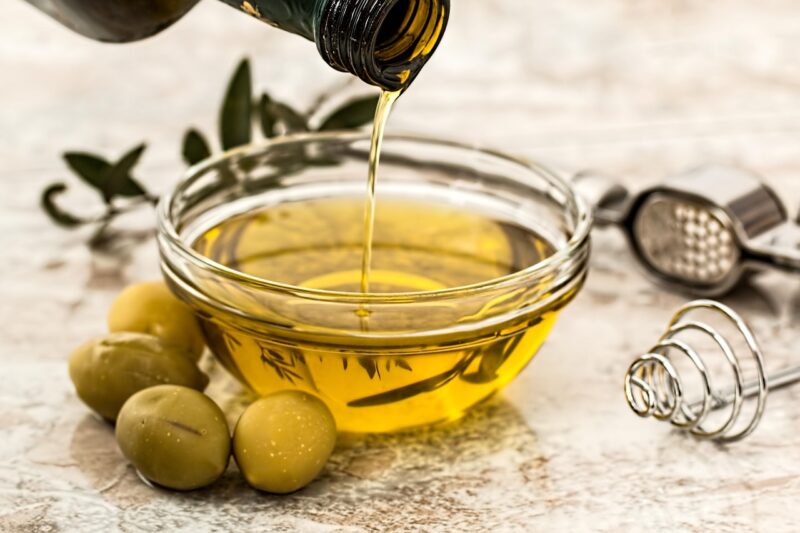
If your goal is to produce olive oil rather than just table olives, the process begins right at the harvest. Freshly harvested olives should be pressed as soon as possible for the best flavor.
Cold Pressing: The highest quality oil comes from cold pressing, which retains the olive’s natural flavors and nutrients. Fresh olives are crushed into paste and pressed without excessive heat.
Understanding Grades: When selecting olive oil, you’ll encounter various grades. Extra virgin olive oil is derived from the first pressing, showcasing the purest flavors. Regular olive oil is a blend of refined oil and virgin oil, often lacking the robust taste of its extra virgin counterpart.